
旅行社及相关服务

Search documents
春节期间上海市百货零售开票销售收入同比增长183.5%
Xin Lang Cai Jing· 2026-02-28 02:44
Core Insights - The core viewpoint of the article highlights a significant increase in consumer spending in Shanghai during the 2026 Spring Festival holiday, with various sectors experiencing substantial growth compared to the previous year [1] Group 1: Consumer Spending Growth - Daily invoiced sales revenue in consumer-related industries in Shanghai increased by 12.6% compared to the previous Spring Festival holiday [1] - Department store sales revenue surged by 183.5% year-on-year during the holiday [1] - Internet retail sales revenue rose by 162.1% year-on-year [1] - Entertainment industry sales revenue grew by 151.4% year-on-year [1] - Travel agency and related services sales revenue increased by 35.7% year-on-year [1] - Restaurant sales revenue saw a rise of 33.1% year-on-year [1] Group 2: Government Initiatives - The Shanghai tax authority plans to continue implementing various policies to benefit enterprises and citizens, aiming to optimize the business environment [1] - The goal is to transform the "New Year explosion" in consumer activity into "year-round momentum" to support the sustained growth of the Shanghai consumer market and steady economic development [1]
上海春节消费市场火热,日均开票收入同比增长12.6%
Xin Lang Cai Jing· 2026-02-27 14:17
Core Insights - The Shanghai consumption-related industries experienced a daily average invoiced sales revenue growth of 12.6% year-on-year during the 2026 Spring Festival holiday [4] Group 1: Industry Performance - Department store invoiced sales revenue increased by 183.5% year-on-year during the holiday [4] - Internet retail invoiced sales revenue grew by 162.1% year-on-year [4] - Entertainment industry invoiced sales revenue rose by 151.4% year-on-year [4] - Travel agencies and related services saw a 35.7% year-on-year increase in invoiced sales revenue [4] - Restaurant invoiced sales revenue increased by 33.1% year-on-year [4] Group 2: Policy Impact - The "Enjoy Consumption with Prize Invoices" lottery campaign launched on February 12 contributed to the surge in consumption, allowing consumers to participate in a lottery for purchases over 100 yuan [4]


增速全市第二!2025年广州白云区GDP突破3300亿元
Nan Fang Du Shi Bao· 2026-02-01 09:49
Economic Performance - In 2025, the GDP of Baiyun District reached 331.2 billion yuan, with a year-on-year growth of 5%, ranking second in the city [1] - The primary industry added value was 4.02 billion yuan, growing by 5%; the secondary industry added value was 57.93 billion yuan, growing by 4%; and the tertiary industry added value was 269.25 billion yuan, growing by 5.2% [3] Agricultural Sector - In 2025, the agricultural, forestry, animal husbandry, and fishery sectors achieved a total output value of 7.80 billion yuan, a year-on-year increase of 5% [3] - Key agricultural products saw significant growth, with vegetable output increasing by 5.3% and fruit output increasing by 23.1%, leading to respective value increases of 5.3% and 16.8% [3] Industrial Sector - The total industrial output value in Baiyun District grew by 2.1% in 2025, with traditional chemical manufacturing increasing by 7.4% and emerging electrical machinery manufacturing rising by 21.1% [3] - Specific products such as solar cells, industrial robots, and mobile communication base station equipment saw output increases of 84.5%, 54.1%, and 109.6% respectively [3] Aviation and Transportation - Baiyun District's total air passenger and cargo turnover reached 25.72 billion ton-kilometers in 2025, with a year-on-year growth of 7.8% [5] - The airport's passenger and cargo throughput was 8.54 million tons, growing by 7.3%, with notable increases in passenger turnover and throughput of 8.7% and 9.5% respectively [5] Investment and Infrastructure - Fixed asset investment in Baiyun District exceeded 130 billion yuan in 2025, with a year-on-year growth of 3.6% [5] - Investment in urban village renovation projects reached 13.71 billion yuan, a significant increase of 440%, driving overall investment growth [5] - Industrial investment totaled 17.33 billion yuan, growing by 31.1%, while manufacturing investment reached 12.75 billion yuan, increasing by 24% [5]
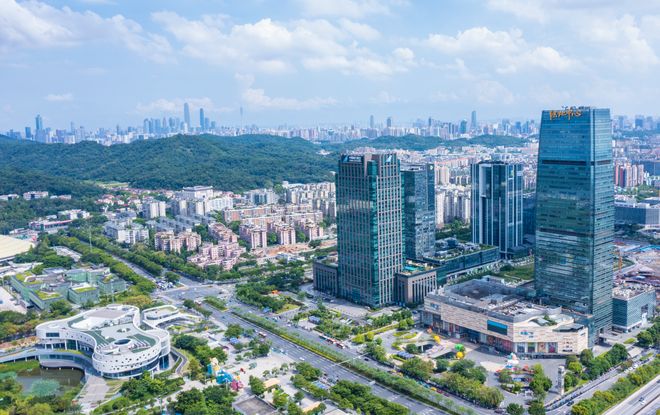
GDP增速4.0%,2025年广州经济数据最新出炉
Nan Fang Du Shi Bao· 2026-01-30 08:23
Economic Overview - In 2025, Guangzhou's GDP reached 32,039.46 billion yuan, reflecting a year-on-year growth of 4.0% at constant prices [2] - The primary industry added value was 317.02 billion yuan, growing by 3.3%; the secondary industry added value was 7,710.27 billion yuan, increasing by 1.6%; and the tertiary industry added value was 24,012.17 billion yuan, rising by 4.8% [2] Industrial Performance - The industrial output of large-scale industries in Guangzhou grew by 1.2% year-on-year in 2025 [2] - The automotive manufacturing sector, undergoing a transition, saw a decline of 1.6%, but the decline narrowed by 1.0 percentage points compared to the previous three quarters, with new energy vehicle production increasing by 21.6% [2] - The electronics and petrochemical manufacturing sectors remained stable, with growth rates of 1.4% and 4.1%, respectively [2] Service Sector Growth - From January to November of the previous year, the revenue of large-scale profit-making service industries in Guangzhou grew by 10.1% year-on-year [2] - The internet, software, and information technology services saw a revenue increase of 9.3%, while human resources, advertising, consulting, and survey industries grew by 11.9%, 22.5%, and 35.0%, respectively [2] - Cultural and sports industries achieved revenue growth of 25.7% and 11.9%, while travel agencies and related services, as well as leisure and sightseeing activities, grew by 10.2% and 5.2% [2] Domestic Demand and Trade - Domestic demand was a highlight for Guangzhou's economic growth, with total retail sales of consumer goods reaching 11,032.38 billion yuan, a year-on-year increase of 5.5% [3] - Guangzhou's import and export scale exceeded 1.2 trillion yuan, marking a historical high with a year-on-year growth of 10.4%, and exports surpassed 800 billion yuan, increasing by 17.8% [3] Investment Trends - In 2025, fixed asset investment in Guangzhou decreased by 6.7%, with real estate development down by 2.8% and infrastructure down by 5.9% [3] - However, certain sectors showed growth, including water transportation (15.9%), air transportation (16.1%), industrial technological transformation (3.0%), automotive parts (10.1%), aerospace manufacturing (60.6%), and R&D design services (29.5%) [3] Future Outlook - The Guangzhou Statistical Bureau indicated that the economy is facing challenges due to a complex external environment and internal structural adjustments, with industrial production in a low recovery phase [3] - The next phase will focus on demand-driven market expansion, project support, technological innovation, and revitalizing industries to solidify the economic recovery and lay a foundation for high-quality development during the 14th Five-Year Plan [3]
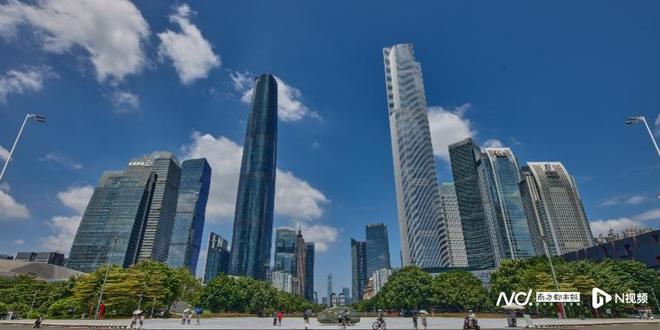
迈过14万亿,江苏经济的底气从何而来
Xin Lang Cai Jing· 2026-01-28 22:02
Core Viewpoint - Jiangsu Province's GDP for 2025 is projected to reach 14.2 trillion yuan, reflecting a year-on-year growth of 5.3%, showcasing its resilience and commitment to high-quality development amidst complex domestic and international economic environments [1] Economic Growth and Structure - Jiangsu's GDP accounts for approximately 10% of the national total, contributing significantly to the overall economic landscape of China [1] - The growth is driven by structural optimization, technological advancement, and efficiency improvements rather than mere scale expansion [1] Industrial Development - The province's industrial added value is expected to grow by 6.5% year-on-year, with 30 out of 40 major industrial sectors experiencing growth, indicating a 75% growth coverage across industries [2] - Jiangsu ranks first nationally in manufacturing quality development index for five consecutive years, with 54 companies listed among China's top 500 manufacturing enterprises [2] Innovation and Technology - High-tech industries accounted for 52.1% of the province's industrial output, marking a 1.4 percentage point increase from the previous year, with high-tech manufacturing value added growing by 11.9% [2] - Strategic emerging industries in Jiangsu have seen an average annual growth of 8% over the past five years, with leading positions in biomedicine, photovoltaics, and integrated circuits [2] Domestic Demand and Consumption - The total retail sales of consumer goods in Jiangsu are projected to reach 46,394.2 billion yuan, with a year-on-year growth of 3.3% [3] - Significant growth in sectors such as sports events and travel services indicates a robust domestic consumption environment [3] Foreign Trade and Investment - Jiangsu's total foreign trade import and export value is expected to reach 5.95 trillion yuan, with a year-on-year growth of 6%, outpacing the national average by 2.2 percentage points [4] - The province has maintained its position as the top destination for foreign investment in China for eight consecutive years, with a focus on high-tech industries and modern services [4] Income and Balanced Development - The per capita disposable income in Jiangsu is projected to be 57,971 yuan, reflecting a year-on-year increase of 4.6%, with a narrowing income gap between urban and rural residents [4] - All 13 prefecture-level cities in Jiangsu are ranked among the top 100 nationwide, highlighting the province's balanced economic development [4] Future Outlook - Jiangsu's economic achievements are seen as a new starting point for high-quality development, with a commitment to expanding domestic demand and optimizing supply [5][6]
去年前11月广州规上服务业营收同比增长7.9%
Guang Zhou Ri Bao· 2026-01-05 02:31
Core Insights - Guangzhou's service industry achieved a revenue of 20,021.31 billion yuan from January to November 2025, reflecting a year-on-year growth of 7.9% [2] - The digital development wave positions Guangzhou as a leader, with the information transmission, software, and IT services sector generating a revenue of 5,645.826 billion yuan, up by 8.1% year-on-year [2] - The scientific research and technical services sector reported a revenue of 1,576.01 billion yuan, marking an 8.3% increase, with professional technical services in energy infrastructure and rail transit driving a significant revenue of 1,159.82 billion yuan, up by 8.6% [2] - The cultural arts, sports, travel agencies, and related services sectors saw remarkable growth, with year-on-year increases of 25.7%, 11.9%, and 10.2% respectively, highlighting new growth points in service consumption [2]
前11个月全国高技术产业销售收入同比增长14.7%——从税费数据看经济发展亮点
Ren Min Ri Bao· 2025-12-09 01:39
Economic Performance - The sales revenue of high-tech industries increased by 14.7% year-on-year, with smart equipment manufacturing sales rising by 28.2% [1][2] - Manufacturing tax revenue remains stable at around 30% of total tax revenue, indicating the sector's solid role as an economic stabilizer [1][2] - The total amount of tax reductions and refunds for policies supporting technological innovation and manufacturing reached 23.725 billion yuan in the first ten months [2] Manufacturing Sector Developments - High-end manufacturing is accelerating, with equipment manufacturing sales up by 8.3%, and specific sectors like computer communication and instrumentation seeing increases of 12.3% and 10.3% respectively [2] - The adoption of automation in manufacturing is increasing, with spending on automated equipment rising by 14.2% [2][3] - The share of high-energy-consuming manufacturing sales decreased by 1.2 percentage points compared to the previous year, reflecting a shift towards greener practices [2] Consumer Market Trends - The "old-for-new" policy has stimulated consumer demand, with retail sales in mobile communication devices and home appliances growing by 20.3% and 26.5% respectively [4][5] - The tourism and cultural sectors are thriving, with sales in cultural performances and film screenings increasing by 15.6% and 19.1% [4][5] - The number of travelers benefiting from tax refunds has surged by 285%, with tax refund sales and amounts increasing by 98.8% [5][6] Taxation and Compliance Improvements - Cross-regional tax services have improved, with a nearly fourfold increase in cross-regional tax business handled this year [7][8] - The proportion of inter-provincial trade sales in total sales revenue reached 41.1%, up 0.8 percentage points from the previous year [7] - Over 7,000 domestic and foreign platforms are now fulfilling their tax information reporting obligations, leading to a 12.7% increase in tax payments from platform operators [8]
前11个月,全国高技术产业销售收入同比增长14.7% 从税费数据看经济发展亮点(高质量发展看亮点·读数)
Ren Min Ri Bao· 2025-12-08 22:21
Core Insights - The overall economic operation in China is stable and improving, with manufacturing playing a crucial role as a "ballast stone" for the economy, maintaining a tax revenue share of around 30% [2][3] - High-tech industries have shown significant growth, with sales revenue increasing by 14.7% year-on-year, particularly in the smart equipment manufacturing sector, which saw a 28.2% increase [2][3] Economic Dynamics - The manufacturing sector is experiencing high-quality development characterized by three main trends: accelerated high-end development, faster intelligent upgrades, and orderly green transformation [3] - Sales revenue in the equipment manufacturing sector grew by 8.3%, with notable increases in computer and communication equipment (12.3%) and instrumentation (10.3%) [3] - The digital economy's core industries also saw a 10% increase in sales revenue, indicating a strong integration of digital technologies [4] Consumer Market Trends - The "old-for-new" policy has stimulated consumer demand, with retail sales in mobile communication devices and home appliances increasing by 20.3% and 26.5%, respectively [5][6] - The tourism and cultural sectors have shown robust growth, with sales in cultural performances and film screenings rising by 15.6% and 19.1% [5][6] - The number of overseas travelers benefiting from tax refunds surged by 285%, with sales and refund amounts increasing by 98.8% [6][7] Tax and Regulatory Developments - The tax authority has improved cross-regional tax service reforms, facilitating easier handling of tax-related matters across regions, with a nearly fourfold increase in cross-regional tax business handled this year [8][9] - The implementation of the "Internet platform enterprises tax information reporting regulations" has led to over 7,000 platforms fulfilling their tax reporting obligations, resulting in a 12.7% increase in tax payments [9]
新兴动能加速成长!前10月广州经济运行情况出炉
Sou Hu Cai Jing· 2025-11-25 02:23
Core Insights - Guangzhou's economy shows signs of stability and growth, supported by effective policies and various economic activities [1][2] - Key industries are recovering, with emerging sectors growing rapidly, indicating a positive shift in industrial structure [1] Economic Performance - From January to October, the industrial added value of Guangzhou's large-scale industries increased by 1.5% year-on-year, improving by 0.1 percentage points compared to the first three quarters [1] - Emerging sectors such as display device manufacturing and integrated circuit manufacturing saw significant growth, with added values increasing by 20.9% and 38.7% respectively [1] - Production in liquid crystal display modules, analog chips, and integrated circuit wafers rose dramatically, with increases of 120%, 17.8%, and 56.9% respectively [1] - The high-end equipment sector also showed strong performance, with aerospace and equipment manufacturing increasing by 17.7%, and civilian drone production rising by 38.7% [1] Service Sector Growth - From January to September, the profit-oriented service industry maintained a robust growth trend, achieving a year-on-year revenue increase of 10.6% [1] - The enthusiasm for the National Games boosted cultural and sports tourism, with the cultural arts and sports sectors experiencing revenue growth of 34.8% and 14.6% respectively [1] - Revenue from travel agencies and related services, as well as leisure and sightseeing activities, grew by 8.3% and 8.2% respectively [1] Economic Challenges - Despite the positive indicators, the industrial production remains at a low recovery stage, and the demand side has not shown effective improvement [2] - There is a need to enhance the internal driving force for economic growth and to implement precise measures to address development bottlenecks [2]
彭永涛:服务业经济平稳运行 新动能加快发展
Guo Jia Tong Ji Ju· 2025-10-20 02:17
Core Insights - The service industry has shown significant growth, contributing notably to the overall economic performance, with a service value added of 592,955 billion yuan, representing a year-on-year increase of 5.4% [2] - The modern service sector is thriving, driven by innovations in technology and new business models, particularly in information transmission and software services [3][4] - Consumer demand for services has increased, particularly in tourism and cultural sectors, leading to a rise in service retail sales [5] Group 1: Economic Growth Contribution - The service sector's value added accounted for 58.4% of GDP, up 0.8 percentage points from the previous year, contributing 60.7% to national economic growth [2] - In the third quarter, the service sector's value added was 202,641 billion yuan, with a contribution rate of 61.8% to GDP growth [2] - The service production index grew by 5.6% year-on-year in September, indicating sustained growth [2] Group 2: Innovation and New Growth Drivers - The modern service industry is expanding rapidly, with information transmission and software services growing by 11.2% and 9.2% respectively in the first three quarters [3] - The strategic emerging service industries and high-tech service industries saw revenue growth of 10.6% and 9.4% respectively from January to August [4] - Fixed asset investment in high-tech services increased by 6.1%, with information services seeing a remarkable growth of 33.1% [4] Group 3: Service Consumption Trends - Service retail sales increased by 5.2%, outpacing the growth of goods retail sales by 0.6 percentage points [5] - Online retail sales grew by 9.8% in the first three quarters, reflecting a shift towards digital consumption [5] - The cultural and tourism sectors experienced significant growth, with revenue from cultural arts and travel services increasing by 13.3% and 9.5% respectively [5] Group 4: International Trade and Investment - Service trade imports and exports totaled 52,476.9 billion yuan, with a year-on-year growth of 7.4%, and travel service exports surged by 57.6% [6] - The actual use of foreign capital in the service sector reached 3,661.9 billion yuan, accounting for over 70% of total foreign investment [6] - The execution of service outsourcing contracts remained robust, with significant growth in business operation and maintenance services [6] Group 5: Business Activity and Future Outlook - The business activity index for the service sector was at 50.1 in September, indicating expansion, with several industries exceeding 60.0 [7] - The business activity expectation index remained stable at 56.3, reflecting optimistic outlooks among service sector enterprises [8] - Overall, the service industry is expected to continue its stable performance, although challenges such as external uncertainties and insufficient domestic demand persist [8]