水产贸易

Search documents
北极帝王蟹销量占全国近20%份额|哈尔滨临空经济区打造北方北极水产集散基地
Sou Hu Cai Jing· 2026-02-15 02:22
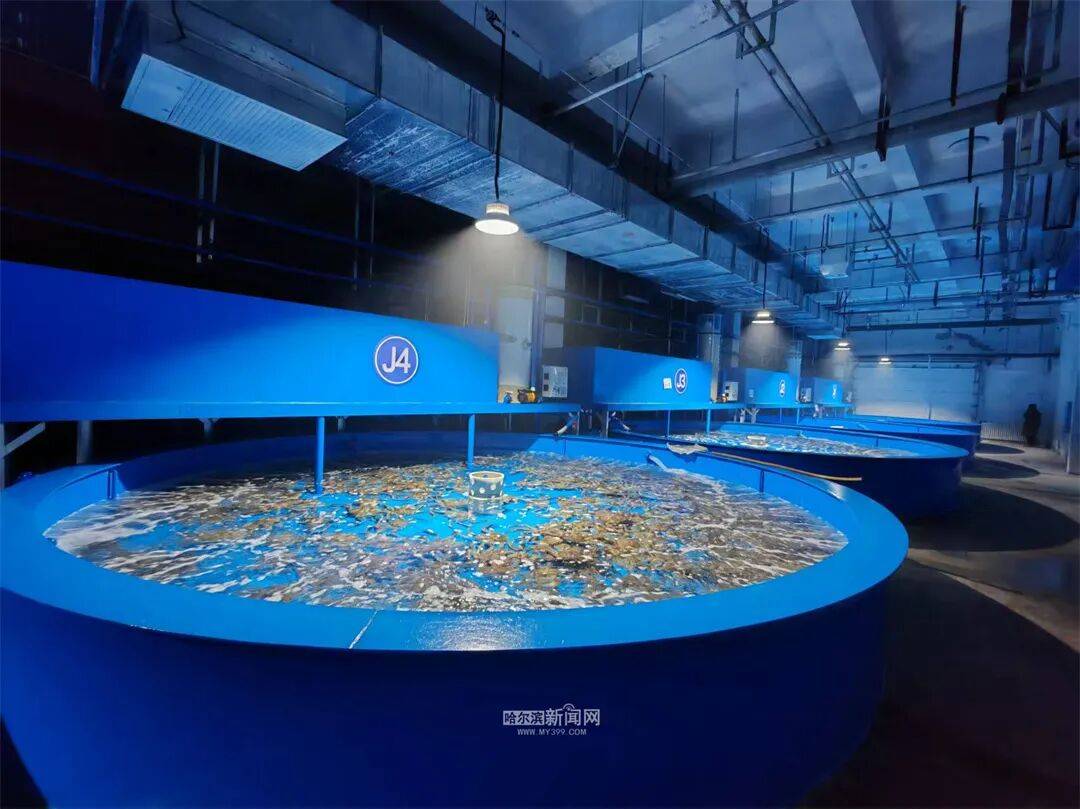
Core Insights - The first bonded warehouse re-export trade of king crab in Harbin has been established, creating a new channel for the bonded re-export trade of Arctic king crab and filling a gap in the industry in Heilongjiang Province [1] - The collaboration between Harbin Airport Bonded Investment Development Group and Heilongjiang Kunkun International Trade Co., Ltd. aims to develop a seafood distribution hub in Northern China [1] Group 1: Business Development - The bonded group has built the largest and most comprehensive aquatic animal bonded temporary storage base in the province, increasing the number of temporary storage pools for king crab from 20 to 65, capable of storing nearly 200 tons [1] - Kunkun International Trade Co. is positioned as a "technology mover" for global wild imported seafood, focusing on king crab and has entered the local retail market, becoming a core supplier for major companies like Hema [1] - The company expects to capture nearly 20% of the national king crab sales during the 2025 fishing season, with an 8-fold increase in sales compared to the previous year, aiming for a revenue of 2 billion yuan, and targeting 3 billion yuan in 2026 [1] Group 2: Logistics and Distribution - Kunkun International Trade has established a multi-dimensional logistics system from Zarubino Port to Harbin and target markets, utilizing temperature-controlled land and air transport for rapid delivery to Hong Kong and Southeast Asia [2] - The company relies on Harbin's resource advantages to create a "temporary storage + dual delivery system," with 90% of domestic transport handled by water trucks, achieving T+0 delivery efficiency [4] - The business has expanded to cover over 30 cities, with plans to establish a temporary storage base in Hong Kong by mid-2026, aiming to create a global S2B2C import system for wild seafood [4] Group 3: Regulatory and Strategic Initiatives - Harbin Customs has set up specialized teams to provide customized services, achieving record approval times for transit and bonded warehouse registration [4] - The initiative is transforming Heilongjiang from "border trade" to "hub trade," with plans to normalize and scale the bonded re-export of aquatic animals [6] - The strategy aims to leverage geographical and transportation advantages to enhance trade with Russia, contributing to the national northward opening strategy [6]

新年“鲜” 抵达!大麦屿港2026年首船进口俄罗斯帝王蟹顺利通关
Sou Hu Cai Jing· 2026-01-09 08:42
Core Insights - The arrival of the "Ostrok" vessel carrying 92.5 tons of Russian king crab marks the beginning of the fresh seafood import business for the year at the Dama Yu Port, highlighting the port's role in meeting the increasing demand for high-end seafood in the Yangtze River Delta region [1][3] - The efficient customs clearance process, which reduced inspection time by over 60%, ensures that the king crab maintains its freshness and is available in the market during the peak consumption season [1][3] Group 1 - The Dama Yu Port is the only designated port in Taizhou for the import of edible aquatic animals, leveraging its deep-water port and cold chain storage capabilities to meet market demand [1] - The customs office implemented a "one ship, one policy" approach to streamline the clearance process, including 24/7 operations and coordinated inspections with other departments [1][3] - The successful clearance of the first shipment boosts confidence in the business development for the year, as noted by the general manager of Taizhou Haitong Cold Chain Trading Co., Ltd. [1] Group 2 - The imported king crab will be distributed to major cities in the Yangtze River Delta, such as Hangzhou, Ningbo, and Shanghai, enhancing the local food supply and invigorating the regional dining market [3] - In 2025, Dama Yu Port's bulk agricultural and aquatic product imports reached 28,800 tons, with king crab and kiwi imports becoming a regular business [3] - The customs office plans to enhance regulatory services and improve clearance efficiency through initiatives like "advance declaration" and "direct pick-up at the ship," contributing to the stability of the fresh supply chain in the region [3]

边城何以育“鲜”机(现场评论)
Ren Min Ri Bao· 2025-12-30 00:11
Core Insights - The article highlights the strategic importance of Hunchun as a key gateway for importing live king crabs and other high-quality seafood from Russia into China, with Hunchun accounting for over 80% of the national market share for imported king crabs [1][2]. Group 1: Transportation and Logistics - The journey of a king crab from capture to entry into China is streamlined to just 14 hours, facilitated by efficient cold chain logistics and customs processes [1]. - Hunchun benefits from a "green channel" for fresh seafood, which enhances trade speed and efficiency, thus contributing to the city's economic growth [2]. Group 2: Industry Development - An emerging king crab industry chain in Hunchun includes temporary storage, processing, and research, leading to high-value products such as crab meat cans and chitin masks [2]. - The development of related industries, including cold chain logistics, e-commerce, and cross-border enterprises, is fostering a diverse investment landscape in Hunchun [2]. Group 3: Market Opportunities - Local enterprises in Hunchun are capitalizing on market opportunities by packaging regional products like Yanbian kimchi and Changbai Mountain black fungus for international markets [3]. - The introduction of a visa-free policy for Russian passport holders from September 2025 aims to enhance cross-border trade and tourism, further stimulating economic activity in Hunchun [3]. Group 4: Future Prospects - The article emphasizes the potential for Hunchun to evolve from a transit point to an industrial hub, driven by policy reforms and innovative practices in trade and logistics [4]. - The ongoing efforts to optimize regional openness and enhance connectivity are expected to contribute significantly to China's modernization and regional development [4].
成都青白江赴香港推介,签下5亿元冷链水产采购协议
Sou Hu Cai Jing· 2025-11-18 16:11
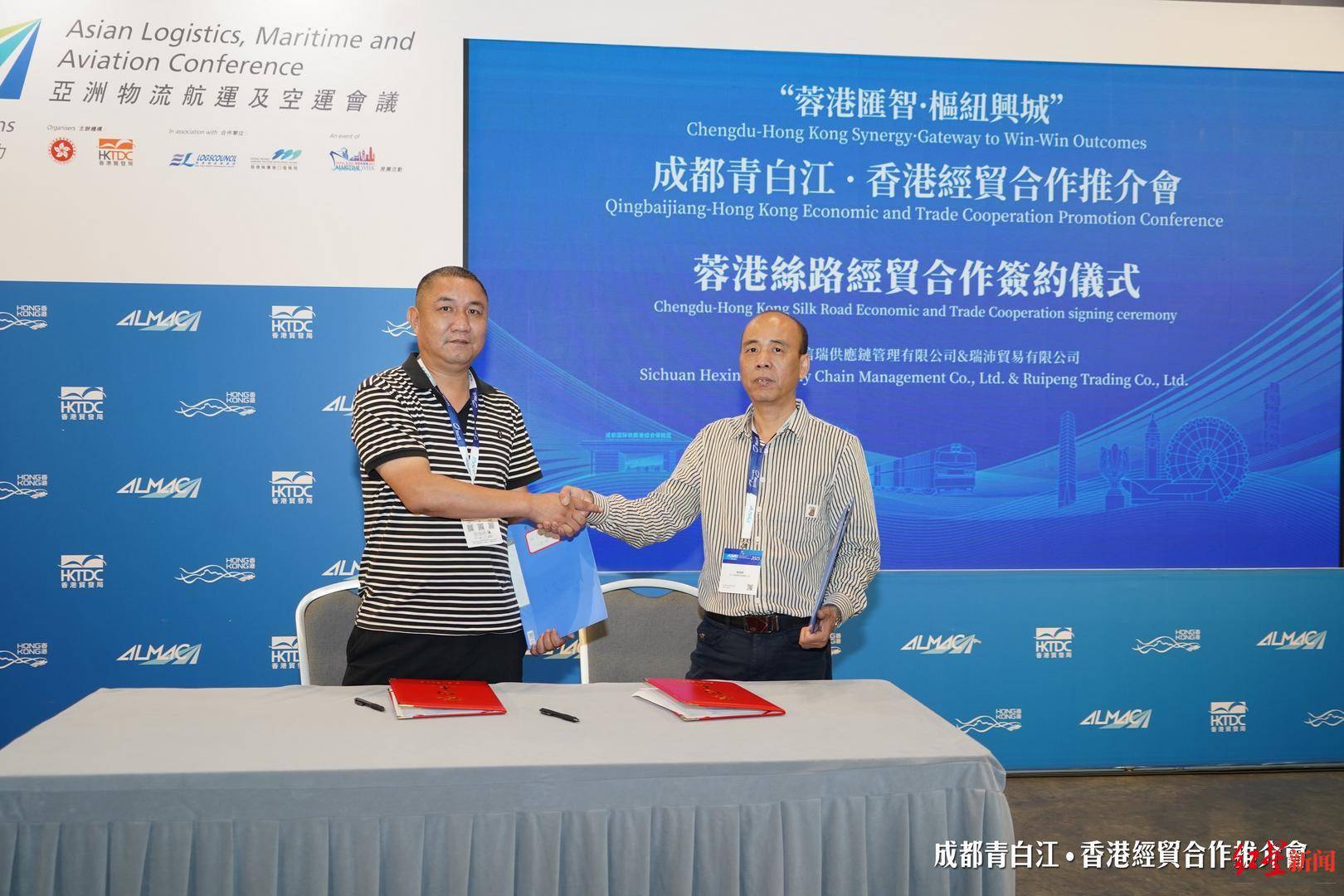
Core Points - The Chengdu Qingbaijiang-Hong Kong Economic and Trade Cooperation Promotion Conference was held in Hong Kong, resulting in a cold chain seafood procurement agreement worth 500 million yuan between Sichuan Hexinrui Supply Chain Management Co., Ltd. and Hong Kong Ruipai Trading Co., Ltd. [1][3] - The agreement focuses on the trade of high-quality seafood products such as frozen ribbon fish, frozen black pomfret, and frozen squid, with goods shipped via sea from Southeast Asian countries like Thailand and Indonesia to domestic ports in Xiamen and Shanghai, leveraging the logistics hub advantages of Qingbaijiang District in Chengdu to reach the national market [1][3] Summary by Sections - **Logistics and Trade Cooperation** - The partnership is driven by the robust logistics network and open platform advantages of Chengdu Qingbaijiang District, ensuring that the goods adhere to fresh frozen and health standards, facilitated by the cold chain logistics base [3] - The customs supervision and clearance services in Qingbaijiang District significantly ease cross-border trade, enhancing the supply of seafood in the domestic market [3][4] - **International Trade and Connectivity** - The theme of the promotion conference was "Ronggang Wisdom, Hub Prosperity," highlighting the Chengdu International Railway Port's reach to 160 cities domestically and internationally, with a 3-day transit to Southeast Asia and 12 days to Europe, providing efficient logistics support for cross-border trade [3] - Chengdu Qingbaijiang District aims to establish a "world-class land port hub," focusing on building an international railway assembly center linking ASEAN and the EU, and accelerating the development of a modern industrial system centered on five key industries, including modern commercial logistics [3] - **Hong Kong's Role in Trade** - Hong Kong's trade development bureau emphasizes the complementary advantages of Qingbaijiang District's transportation and industrial foundation with Hong Kong's financial and trade resources, promoting deep cooperation in cross-border logistics and supply chain finance [4]
自贸协定持续升级,多领域协同开放
Zhong Guo Zheng Quan Bao· 2025-11-17 07:10
Core Insights - Recent advancements in China's free trade agreements (FTAs) have significantly enhanced high-level openness and shared development opportunities with the world [1][3] - The China-ASEAN Free Trade Area 3.0 upgrade has been officially signed, marking a milestone in regional trade cooperation [1][3] - The China-Switzerland FTA upgrade negotiations have made positive progress, focusing on various trade aspects including goods, services, and environmental cooperation [6][8] Trade Growth and Economic Impact - The export value of Xiangshan Juntai Trading Co., specializing in seafood, to ASEAN has exceeded 120 million yuan, a year-on-year increase of over 2300% [3] - In the first ten months of this year, trade between China and ASEAN reached 6.18 trillion yuan, a year-on-year growth of 9.1%, accounting for 16.6% of China's total foreign trade [3][4] - China has maintained its position as ASEAN's largest trading partner for 16 consecutive years, with bilateral trade expected to reach 982.3 billion USD in 2024, a 17-fold increase since the establishment of the China-ASEAN FTA [3][4] Bilateral Trade Agreements - The China-Chile FTA has seen bilateral trade grow from 70.85 billion yuan in 2006 to 437.95 billion yuan in 2024, with an average annual growth rate of 11.2% [4] - The China-Australia bilateral trade volume is projected to reach 211.27 billion USD in 2024, an increase of 85.6% compared to 2015 [4] Expansion of Trade Areas - China's trade openness is expanding from traditional goods to services, with digital and green trade emerging as new growth areas [6] - The China-ASEAN FTA 3.0 upgrade includes a dedicated chapter on green economy, highlighting the prioritization of green trade [6] Future Trade Initiatives - China has signed 23 FTAs with 30 countries and regions, aiming to strengthen its open cooperation network and boost global economic growth [8][9] - The Ministry of Commerce plans to continue promoting FTA negotiations and enhance market access, aiming for a fair and transparent market environment for enterprises [8][9] - Future initiatives will focus on aligning with international high-standard trade rules and expanding China's development space as a responsible major power [9]
自贸协定提质升级 中国织密开放合作网
Zhong Guo Zheng Quan Bao· 2025-11-16 20:13
Group 1 - Recent advancements in China's free trade agreements (FTAs) include the third round of negotiations for the China-Switzerland FTA upgrade and the signing of the memorandum on the conclusion of the upgrade negotiations for the China-Georgia FTA [1] - The China-ASEAN Free Trade Area 3.0 upgrade protocol has been officially signed, reflecting China's commitment to high-level opening up and sharing development opportunities with the world [1] - The trade value between China and ASEAN reached 6.18 trillion yuan in the first ten months of this year, a year-on-year increase of 9.1%, accounting for 16.6% of China's total foreign trade [1] Group 2 - The China-Chile FTA has seen bilateral trade grow from 70.85 billion yuan in 2006 to 437.95 billion yuan in 2024, with an average annual growth rate of 11.2% [2] - The China-Australia FTA has resulted in a trade volume of 211.27 billion USD in 2024, an increase of 85.6% compared to 2015 [2] - The scope of China's openness is expanding from traditional goods trade to include service trade, digital trade, and green trade as new growth points [2] Group 3 - China has signed 23 FTAs with 30 countries and regions, continuously expanding its open cooperation network to boost regional and global economic growth [3] - The Ministry of Commerce aims to promote further FTA negotiations, reduce non-tariff barriers, and enhance rule commitments to create a fair and transparent market environment for enterprises [3] - Future efforts will focus on signing more high-standard FTAs and investment agreements, enhancing China's role as a responsible major country in the global economy [3]
驻奥克兰总领馆经商处参访新西兰日新公司
Shang Wu Bu Wang Zhan· 2025-10-01 03:51
Core Insights - The visit to Nishin Ltd by the Chinese Consulate in Auckland highlights the growing collaboration between China and New Zealand in the seafood industry [1][3]. Company Overview - Nishin Ltd, founded in 1999, has become one of the largest importers of fish, shrimp, mollusks, and fish paste products in New Zealand [3]. - The company supplies over 300 types of seafood products, including notable Chinese geographical indication products such as Ningde yellow croaker, Zhoushan hairtail, and Wanshan golden pomfret [3]. Industry Context - China is the world's largest producer of seafood and is committed to sustainable resource utilization, promoting smart aquaculture, and increasing the supply of high-quality seafood products [3]. - The Chinese Consulate encourages local Chinese businesses to leverage their connections to enhance the complementary advantages of high-quality seafood products between China and New Zealand, enriching consumer choices [5].

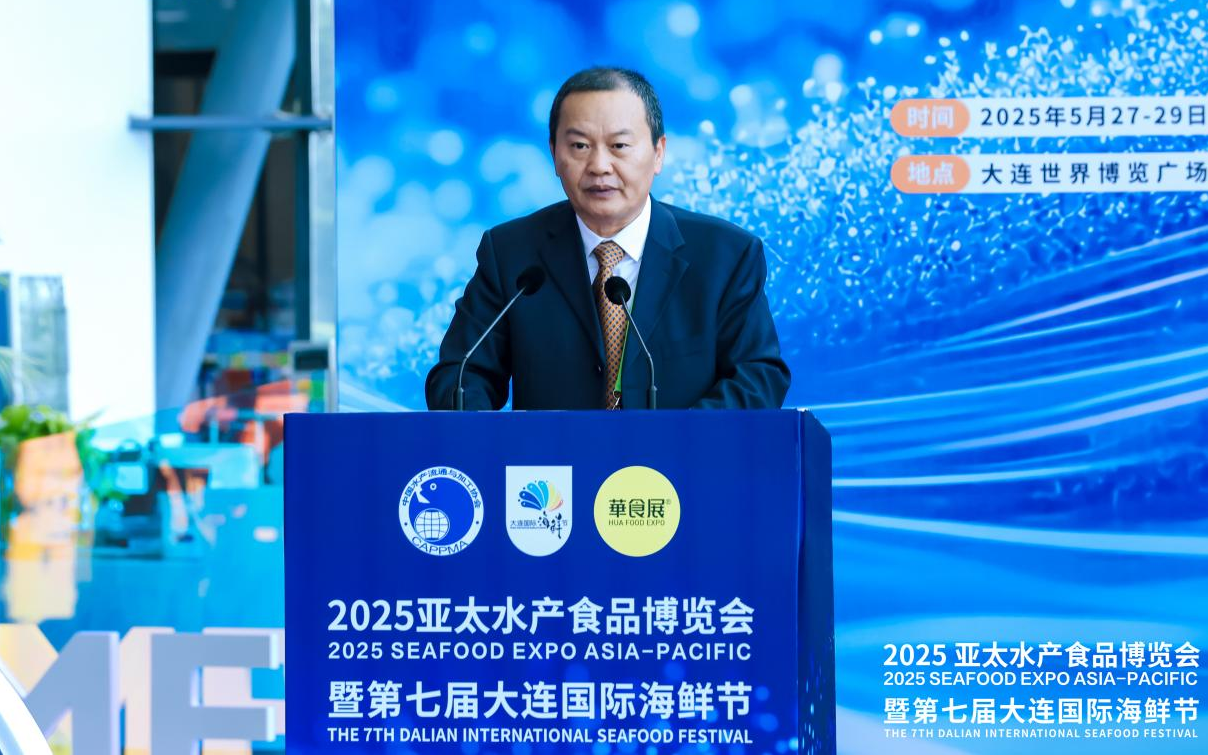
全球八成水产品来自亚太,2025亚太水产食品博览会于大连开幕
Bei Ke Cai Jing· 2025-05-27 15:13
Core Insights - The Asia-Pacific Seafood Expo and the 7th Dalian International Seafood Festival opened in Dalian, Liaoning Province, highlighting the region's significant role in global seafood production and trade [1][2] - The Asia-Pacific region accounts for over 80% of global seafood production, making it a critical area for modernizing fisheries and promoting multilateral trade cooperation [1][2] Industry Overview - The Asia-Pacific region is the most active in global seafood production and consumption, with China, the United States, and Japan being the largest consumers [2] - China is the world's largest seafood trading nation and serves as the "core" of the Asia-Pacific seafood supply chain [2] Event Highlights - The expo features a main forum with discussions on various topics, including the current status and market prospects of species like yellowtail and cod, as well as investment opportunities in the seafood industry [1] - Multiple sub-forums and exhibitions of major seafood products are also part of the event, showcasing regional specialties and promoting international collaboration [1] Dalian's Role - Dalian's seafood production reached 2.73 million tons in 2024, with a total fishery economic output value of 83 billion yuan and an annual trade volume of 5 million tons [4] - Dalian is positioned as a key production and processing base for seafood in China and globally, benefiting from its geographical advantages and advanced infrastructure [2][4]