
深海深空

Search documents
突破420万户!广州经营主体总量,跃居全国第二
Sou Hu Cai Jing· 2025-11-09 03:44
Core Insights - Guangzhou's total number of operating entities has surpassed 4.2 million, ranking second among cities nationwide, reflecting strong investor confidence and the effectiveness of the city's business environment optimization [1][13][12] Group 1: Growth of Operating Entities - As of October 2025, Guangzhou has 4.2174 million operating entities, with a year-on-year growth rate of 15.86%, marking a significant increase over the past 12 years [1][13] - In the first ten months of this year, 884,600 new operating entities were registered, representing a year-on-year increase of 71.28%, positioning Guangzhou among the top cities in the national business environment innovation pilot program [1][15] Group 2: Strategic Industry Growth - The growth of operating entities is not only quantitative but also qualitative, with significant increases in strategic industry clusters: low-altitude economy and aerospace (161.74%), artificial intelligence (109.03%), and fashion consumer goods (100.87%) [3][16] - Emerging industries are also experiencing rapid growth, with future networks and quantum technology showing a registration growth rate of 243.36%, and deep-sea and deep-space industries at 160.22% [3][16] Group 3: Streamlined Business Registration - The time required to obtain a business license has been reduced to under 10 minutes, with a high online application rate of 99%, significantly improving the ease of doing business [5][7] - The "Guangzhou Market Entity Express" mini-program has revolutionized service delivery, allowing for efficient processing of business registrations and related services [5][7] Group 4: Investment Attraction - In the first nine months of this year, Guangzhou introduced 2,174 high-quality industrial projects, with an expected total investment exceeding 430 billion yuan, highlighting the city's effective investment attraction policies [8][17] - The manufacturing sector accounts for 64.9% of the total investment, with significant contributions from large-scale projects [8][17] Group 5: Expert Insights - Experts indicate that the growth in operating entities reflects a strong endorsement of Guangzhou's business environment, showcasing the effective interaction between government initiatives and market dynamics [9] - The city aims to continue enhancing its business ecosystem, focusing on intelligent services and resource allocation to support the growth of operating entities [9][10]

社评:用“创造增量”思维解决中美“存量问题”
Sou Hu Cai Jing· 2025-11-06 16:27
Group 1 - The core viewpoint emphasizes the potential for China and the U.S. to transition from "consumptive competition" to "cooperative growth," focusing on creating new opportunities rather than merely adjusting existing trade measures [1][2] - The bilateral trade between China and the U.S. accounts for approximately one-fifth of global trade, indicating the need for both countries to innovate and expand cooperation to ensure sustainable economic relations [1][2] - China is advancing high-level opening-up policies and aligning with international trade standards, which provides broader opportunities for U.S. businesses, while the U.S. should also create a fair business environment for Chinese enterprises [2][3] Group 2 - The shift from a zero-sum game to a collaborative approach in international relations is crucial, as it emphasizes problem-solving and shared responsibilities rather than power struggles [3][4] - The global economy is at a critical juncture, and focusing on collaborative efforts in high-risk, high-reward fields like AI and climate change is essential for sustainable growth [4] - The resilience and inherent dynamics of China-U.S. relations suggest that a broader perspective and mature handling of conflicts can lead to mutual growth and tangible benefits for both nations and the global economy [4]
城市24小时 | “第一省会” 何以实现“关键一跃”
Mei Ri Jing Ji Xin Wen· 2025-10-21 16:48
Core Insights - Guangzhou is accelerating the development of future industries, focusing on six key areas: intelligent unmanned systems, embodied intelligence, cell and gene technology, future networks and quantum technology, advanced new materials, and deep sea and deep space [1][2][3] - The city aims to create a modern industrial system blueprint called "12218" and plans to establish 10 high-energy innovation platforms, 50 concept verification centers, and 100 application scenarios for future industries [1][2] - By 2029, Guangzhou plans to develop over five leading future industry zones and cultivate 1,000 leading enterprises in future industries, with the goal of creating internationally influential industry clusters by 2035 [3] Industry Development - The "future industry" concept has been included in government work reports for two consecutive years, indicating a strategic focus on disruptive technologies and revolutionary innovations [2] - The local government emphasizes the importance of industry support for achieving economic growth targets, aiming for a GDP of 4 trillion yuan by 2035 [2] - The implementation of new regulatory measures, such as "observation periods" and "sandbox regulations," is intended to foster innovation and provide a trial-and-error space for new products and services [1][3] Market Opportunities - Over 2,000 related enterprises have already gathered in Guangzhou, indicating a robust ecosystem for future industries [3] - The city is particularly focusing on the intelligent unmanned systems sector, with plans to integrate applications in future mobility and engineering manufacturing [2] - The dynamic assessment and incubation mechanism for potential tracks, including brain science and green hydrogen, will allow for continuous adjustment of industrial layouts [3]
聚焦“6+X”未来产业 广州将建100个首试首用应用场景
Nan Fang Du Shi Bao· 2025-10-21 15:27
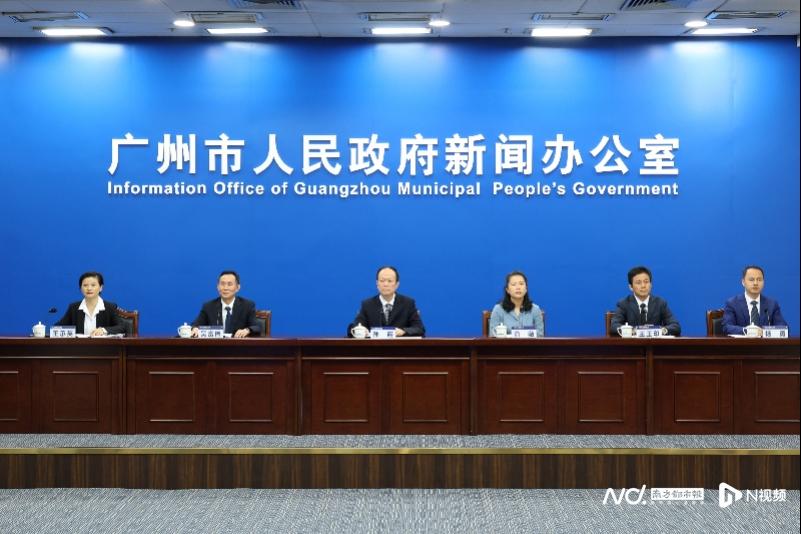
Core Insights - Guangzhou has officially issued the "Implementation Opinions on Accelerating the Cultivation and Development of Future Industries," aiming to establish a "6+X" future industry track system to promote the rise of future industries [1] - The six core industries identified include intelligent unmanned systems, embodied intelligence, cell and gene technology, future networks and quantum technology, advanced new materials, and deep-sea and deep-space technologies [1] - By 2029, Guangzhou plans to establish over 5 pilot zones for future industries, 10 high-energy innovation platforms, 50 concept verification centers, and 100 first-use application scenarios, while nurturing 1,000 leading enterprises in future industries [1] Future Industry Development Framework - The development framework consists of six dimensions: dynamic monitoring, technology sourcing, scenario traction, ecological cultivation, open collaboration, and governance innovation [1] - The focus will be on creating a robust ecosystem that includes policy and financial services to support future industry growth [5] Technology and Innovation Platforms - Guangzhou will leverage the Guangdong-Hong Kong-Macao Greater Bay Area's national technology innovation center and the Guangzhou disruptive technology innovation center to select disruptive technology projects globally [4] - The city aims to establish a mid-term verification platform to accelerate the application of technological innovations [4] Regulatory Innovations - New regulatory measures such as "sandbox supervision" will be implemented to provide a trial-and-error space for innovation [5] - The city plans to explore local legislation in the cell and gene field to create a safer policy environment for medical institutions and enterprises [5] Application Scenarios - The implementation opinions encourage government agencies and leading enterprises to enhance the construction and opening of application scenarios, aiming to create 100 first-use demonstration scenarios [6] - The six core industries will serve as the main battleground for these application scenarios [7] Industry-Specific Initiatives - In the intelligent unmanned systems sector, Guangzhou will collaborate with leading companies to develop scenarios for future mobility and unmanned factories [7] - The embodied intelligence sector will focus on intelligent manufacturing and health services, leveraging local AI capabilities [7] - The cell and gene technology sector will promote clinical translation of cutting-edge technologies through major scientific research platforms [7] - Future networks and quantum technology will concentrate on 6G integration and quantum communication [7] - Advanced materials will be developed through national-level innovation centers and partnerships with listed companies [7] - The deep-sea and deep-space sector will utilize advanced equipment to promote commercialization in areas like deep-sea robotics and satellite data services [7]
广州公布未来产业新图谱 布局六大核心产业
Zhong Guo Xin Wen Wang· 2025-10-21 12:30
Core Industry Development - Guangzhou has established a development system consisting of "6 core industries + X potential tracks," focusing on intelligent unmanned systems, embodied intelligence, cell and gene technology, future networks and quantum technology, advanced new materials, and deep-sea and deep-space industries [1][2] - The city has introduced implementation opinions that propose a development framework of "dynamic monitoring - technology sourcing - scenario traction - ecological cultivation - open collaboration - governance innovation" to build the six core future industries [1] Technology and Innovation - Guangzhou aims to strengthen technology sourcing and results transformation by leveraging the Guangdong-Hong Kong-Macao Greater Bay Area National Technology Innovation Center and the Guangzhou Disruptive Technology Innovation Center, conducting organized technological breakthroughs and results transformation [1] - The city is constructing a "3371" technology results transformation system, focusing on three main directions: reform, industry orientation, and pilot projects, while linking supply, service, and demand sides [1] Innovation Platforms and Enterprises - The plan includes the establishment of 10 high-energy innovation platforms for future industries, 50 concept verification centers and pilot platforms, and 100 first-use application scenarios to provide a "market testing ground" for future industries [1] - Currently, over 2,000 related enterprises, more than 180 research institutions, and over 40 national-level innovation platforms have gathered in Guangzhou, creating a favorable environment for leading enterprises, major projects, and full-chain development [2]
广州:全市未来产业相关企业超2000家
Xin Lang Cai Jing· 2025-10-21 08:06
Core Insights - Guangzhou currently has 24 unicorn companies, ranking 4th in the country, and has over 7,000 high-tech enterprises, a 7.3% increase from the previous year, with large-scale high-tech companies making up 51% of the total [1] Group 1: Talent and Innovation - The "Gathering Talents" initiative and the "Three Navigation" plan are working together to support high-level talent teams and 8,500 young PhDs in innovation and entrepreneurship [1] - Over 2,000 companies and more than 180 research institutions are concentrated in future industries, along with over 40 national-level innovation platforms, indicating a vibrant ecosystem is forming [1] Group 2: Key Industry Areas - In the intelligent unmanned systems sector, leading global companies like EHang, WeRide, and GAC Aion are leveraging their first-mover advantages to create a comprehensive intelligent unmanned system for future mobility and unmanned factories [1] - The embodied intelligence sector is supported by the Pazhou AI cluster, with companies like XPeng and GAC Robotics focusing on core technology and key component development across the entire industry chain [1] - In the cell and gene field, Guangzhou is utilizing major scientific research facilities to advance clinical applications of gene therapy and targeted delivery technologies [1] - The future network and quantum technology sector is focusing on 6G integration and quantum communication, aiming to develop super wireless broadband across five major scenarios [1] - The advanced materials sector is leveraging national-level innovation centers and a tier of 17 listed companies to establish a competitive advantage in high-end core materials across various industries [1] - In deep-sea and deep-space sectors, significant projects like the "Dream" deep-sea drilling vessel and commercial rockets are driving the commercialization of deep-sea robotics and satellite data services [1]
专家齐聚,共议南沙
Jing Ji Wang· 2025-10-20 02:31
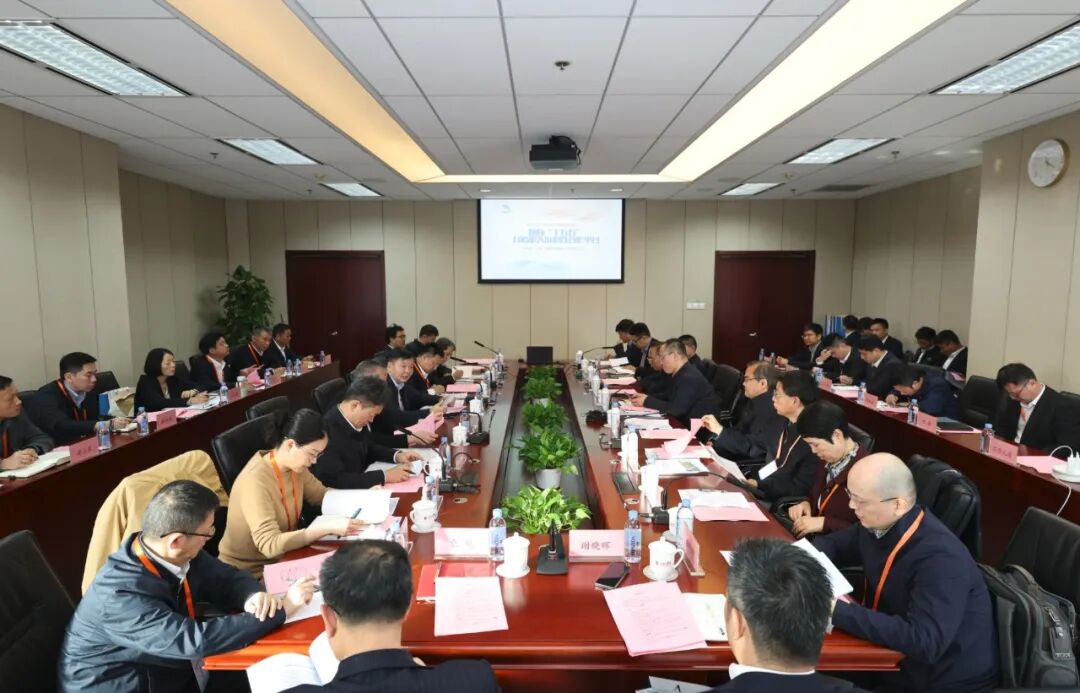
Core Insights - The "Nansha Plan" has successfully completed its first phase, with significant achievements in enhancing the business environment and fostering regional development, particularly in strategic emerging industries and advanced manufacturing [2][4]. Group 1: Development Goals and Achievements - The "Nansha Plan" was officially implemented in June 2022, with 2025 set as the target year for the first phase, focusing on creating a major strategic platform for cooperation [2]. - The added value of strategic emerging industries accounted for 37.8% of GDP, while the added value of advanced manufacturing reached 75.9% of the industrial output [2]. Group 2: Strategic Recommendations - Experts suggest that Nansha should accelerate the establishment of a technology innovation hub and implement more open talent policies to attract top talent in key sectors such as high-end chips and biomedicine [10]. - A modern industrial system characterized by "specialization, high-end, and intelligence" should be constructed, with a focus on traditional industries like shipbuilding and emerging fields like deep-sea and biomedicine [11]. - Nansha should leverage digital technology to enhance its competitiveness and push for a comprehensive digital transformation [11]. Group 3: Urban Development and Governance - The development of a multi-layered, networked urban structure is recommended, integrating market mechanisms into urban governance to alleviate fiscal pressures on the government [12]. - Emphasis on resource integration and collaborative innovation is crucial, with a focus on aligning with the strategic positioning of "facing the world" [12]. Group 4: Future Directions - Nansha is encouraged to focus on ecological green technology and extend its industrial chain in automotive and shipbuilding sectors to enhance resilience and safety [15]. - The exploration of service trade development, particularly in areas like intellectual property and cultural tourism, is seen as vital for boosting foreign trade competitiveness [15].
广州市场主体总量突破400万户 跃居全国第三
Nan Fang Ri Bao Wang Luo Ban· 2025-08-18 07:34
Group 1 - Guangzhou has reached a significant milestone with the registration of its 4 millionth market entity, ranking third nationally in total market entities [1] - From January to July 2025, Guangzhou registered 548,400 new market entities, representing a year-on-year growth of 57.30%, leading among national pilot cities for business environment innovation [1] - The process of obtaining a business license has been streamlined from 20 working days to under 10 minutes through the "Guangzhou Market Entity Express" mini-program, enhancing the entrepreneurial environment [1] Group 2 - Continuous deepening of business environment reforms has led to remarkable growth, with the implementation of fully electronic business registration and the innovative "one-stop online application and one-window collection" model [2] - The online application rate for starting a business in Guangzhou has reached 99% [2] - Emerging strategic industries are thriving, with new market entities in low-altitude economy and aerospace growing by 156.48% and 89.82% respectively, while future networks and quantum technology saw growth rates of 179.10% and 143.01% [2]