竹产业

Search documents
新春走基层|高山村:想干的事还多着呢
Xin Lang Cai Jing· 2026-02-21 02:48
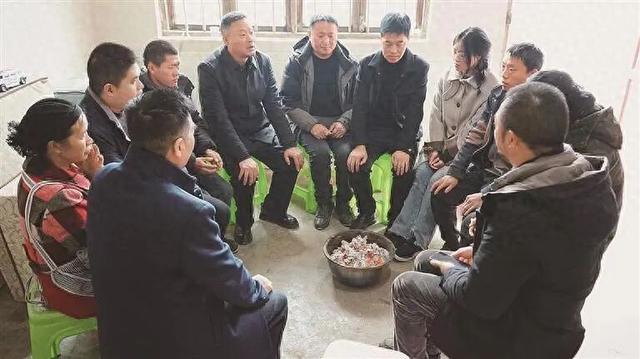
Core Insights - The article highlights the successful development of the bamboo industry in Gaoshan Village, which has transitioned from a poverty-stricken area to a community achieving a moderately prosperous standard of living through agricultural innovation and local government support [1][3]. Group 1: Economic Development - Gaoshan Village has developed a total bamboo forest area of 30,000 acres, with 170 households involved in bamboo cultivation, leading to the community's overall economic improvement [1]. - The local government is focused on consolidating and expanding the achievements of poverty alleviation to ensure stable income growth for villagers [1][4]. Group 2: Community Engagement - A meeting was held with local villagers to discuss development strategies, emphasizing the importance of community input in shaping future initiatives [3]. - Villagers expressed their satisfaction with government policies but highlighted the need for infrastructure improvements, such as road expansion, to enhance transportation efficiency [3][4]. Group 3: Agricultural Innovation - Suggestions from villagers included the need for expert guidance on bamboo cultivation and the establishment of stable sales channels to improve market access for bamboo shoots [3][4]. - The potential for branding and geographic indication certification for bamboo products was discussed, which could significantly increase their market value [3]. Group 4: Future Aspirations - There is a strong desire among villagers for more support in agricultural technology and the establishment of processing facilities to create jobs and boost local employment [3][4]. - The community is optimistic about future developments, with aspirations for sustainable growth and the return of educated youth to contribute to local development [4].

云南多地做优就业服务 让团圆与增收双向奔赴
Xin Hua Wang· 2026-02-15 11:37
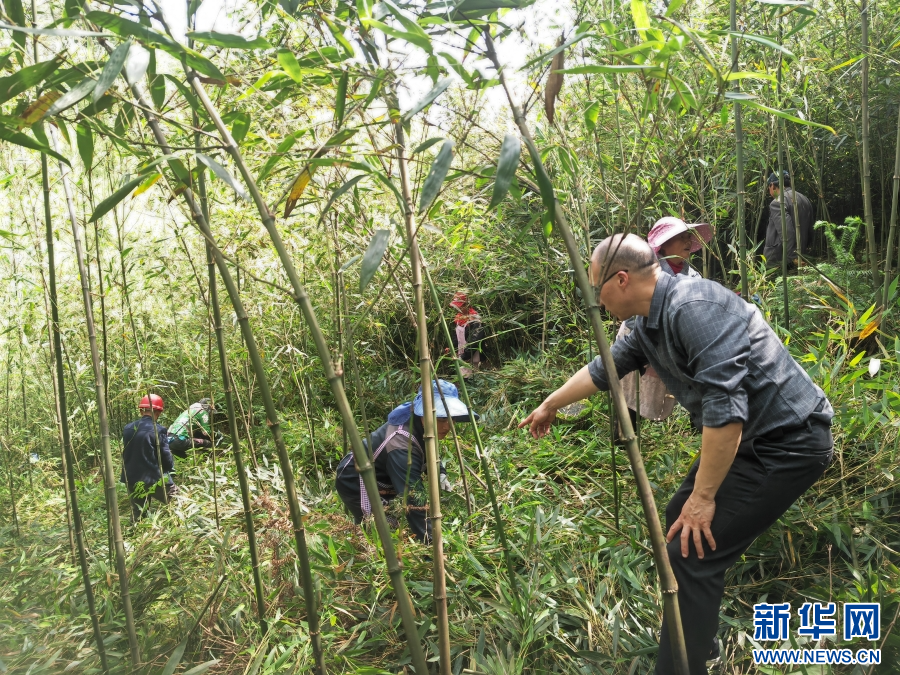
Core Viewpoint - The article highlights the ongoing "Spring Breeze Action" and employment assistance activities across China, particularly in Yunnan Province, focusing on enhancing employment services, integrating industry development, and addressing the employment needs of key groups through innovative service models [1]. Group 1: Industry Empowerment and Local Employment - Yunnan's human resources department is promoting the integration of industry and employment, leveraging unique plateau industries to support local job creation and stable income [2]. - In Weixin County, the local government is utilizing its 560,000 acres of bamboo resources to provide specialized training in bamboo cultivation and management, enabling residents to participate in various bamboo industry operations and achieve stable employment [2]. - The "Happiness Community" in Yanshan County is connecting with 39 large-scale vegetable planting bases to create over 50,000 job opportunities, facilitating local employment for returning labor [3]. Group 2: Cross-Regional Collaboration - Yunnan is deepening cooperation with regions like Shanghai, Zhejiang, and Fujian to match labor resources with quality job opportunities, exemplified by a series of recruitment fairs that brought together over 170 companies and offered thousands of job positions [7]. - The establishment of employment service platforms in various counties, such as the "Happiness Community" and the comprehensive employment service complex in Yiliang County, enhances job-seeking convenience for local residents [9]. Group 3: Service Innovation and Community Engagement - The return of migrant workers during the Spring Festival is seen as an opportunity to enhance grassroots governance and employment services, with Yunnan creating tailored employment service scenarios to meet local needs [12]. - Initiatives like the "Spring Breeze Send Jobs" night market and dynamic labor information tracking in various regions aim to effectively connect returning workers with job opportunities [13]. - Yunnan's employment bureau is actively engaging with returning migrant workers through various outreach efforts, including financial support and policy guidance, to ensure their successful reintegration into the local job market [17].
“以竹代塑”仍需加把劲
Xin Lang Cai Jing· 2026-02-13 22:47
Core Viewpoint - Bamboo, as an eco-friendly and renewable resource, is gaining attention as a viable alternative to plastic products, supported by government policies aimed at promoting its use in various applications [1][2]. Group 1: Industry Development - Local enterprises in bamboo-rich regions of Yunnan are processing bamboo into furniture and daily necessities, contributing to income generation and local green development [1]. - The "Bamboo Replacing Plastic" initiative is a key focus of national policy, with a three-year action plan launched in 2023 to accelerate its development [1]. - The updated product catalog for "Bamboo Replacing Plastic" will expand from 17 to 25 categories by July 2025, including new product types such as bamboo sports equipment and biodegradable agricultural films [1]. Group 2: Challenges and Opportunities - Despite the benefits of bamboo products, the transition from plastic is gradual due to the established plastic industry and consumer habits [2]. - Current bamboo products primarily rely on traditional processing methods, with high-tech, high-value-added products still underrepresented [2]. - Bamboo product companies are generally small and face higher production costs compared to plastic, limiting their market competitiveness [2]. Group 3: Technological and Policy Support - Key technological breakthroughs are needed in resource cultivation, product development, and equipment manufacturing to enhance the value of bamboo products [2]. - Collaboration between enterprises and research institutions is encouraged to foster innovation and upgrade the bamboo industry towards high-end, intelligent, and green solutions [2]. - The revised catalog extends bamboo applications into various sectors, including agriculture and construction, promoting diverse market demand [3]. - Policy support is crucial for industry growth, with recommendations for integrating bamboo products into priority procurement lists for government and institutional buyers [3]. - Public awareness campaigns are suggested to promote the environmental benefits of bamboo products, aiming to increase consumer acceptance and usage [3].
云南省委书记王宁点赞!思茅甜龙竹崛起为第三大农业支柱产业
2 1 Shi Ji Jing Ji Bao Dao· 2026-02-11 12:19
Core Viewpoint - The development of the sweet bamboo industry in Simao District has been recognized as a significant contributor to sustainable income growth for farmers, establishing it as the third major agricultural pillar after tea and coffee [1]. Group 1: Industry Development - Simao District has implemented a comprehensive approach to develop the bamboo industry, focusing on standardization, organization, and market integration [1]. - By 2025, the total planting area of sweet bamboo is expected to reach 48,800 acres, with a direct agricultural output value exceeding 200 million yuan [1]. - The sweet bamboo industry has become a vital source of income for local residents, with per capita income reaching 21,600 yuan [8]. Group 2: Agricultural Practices - The introduction of a demonstration garden and advanced irrigation systems has significantly improved the yield of sweet bamboo, increasing production from 340-400 kg per acre to 600-800 kg per acre [8]. - The district has established a collaborative effort with local associations to enhance the quality and standardization of sweet bamboo cultivation [4][10]. Group 3: Economic Impact - The sweet bamboo industry has created over 1,000 farming households and employed more than 3,000 individuals in the region [6]. - The processing plant for sweet bamboo, which began operations in May 2024, achieved an output value exceeding 20 million yuan in its first year [13]. Group 4: Market Expansion - The district is focusing on extending the industrial chain by promoting deep processing of sweet bamboo products to enhance their added value [9]. - Plans are in place to develop a tourism industry linked to sweet bamboo, including events to raise awareness and attract visitors [14][15]. Group 5: Future Goals - By 2026, the bamboo industry association aims to enhance quality, upgrade processing, and expand brand marketing, with a target of increasing the share of deep-processed products to over 20% of total output [21].
“以竹代塑”绿色产业体系初步建立
Jing Ji Ri Bao· 2026-02-04 22:13
Core Viewpoint - The "bamboo replaces plastic" initiative in China is rapidly transitioning from concept to reality, supported by various policies, and is contributing to global efforts to combat plastic pollution while establishing a green industry system [1] Industry Growth - Since October 2023, over 900 million yuan has been allocated to support bamboo industry development through a three-year action plan by multiple government departments [1] - The annual output value of China's bamboo industry has exceeded 520 billion yuan, with over 15,000 types of bamboo products and more than 10,000 bamboo processing enterprises [1] - The bamboo industry employs over 29 million people, with significant contributions from provinces like Fujian and Sichuan, each surpassing 100 billion yuan in annual output value [1] Technological Advancements - Key technological challenges in bamboo fiber utilization and composite material manufacturing have been addressed through national research projects [2] - The efficiency of bamboo winding pipes has improved by 25%, with production costs decreasing by 13% and automation rates increasing by 30% [2] - Bamboo fiber automotive interior components are now used in nearly 20 vehicle models, achieving a weight reduction of 15% to 20% and a profit increase of over 20% [2] Challenges and Bottlenecks - The bamboo industry faces challenges such as weak innovation capabilities and insufficient research funding, hindering the development of new technologies and equipment [3] - The industry is characterized by small and medium-sized enterprises, lacking large leading companies, which limits scale effects and brand development [3] - Domestic market demand is weak, with over 80% of bamboo products relying on exports, indicating low market penetration in China [3] Policy and Infrastructure Gaps - The existing policy framework lacks comprehensive coverage of the entire industry chain and differentiated standards for various applications [4] - Infrastructure issues persist, with less than 30% of bamboo resources being effectively utilized, and challenges in bamboo harvesting and transportation remain significant [4] Collaborative Efforts - The development of the bamboo industry requires coordinated efforts in policy, technology, industry, market, and international cooperation [6] - Strengthening the standard system for bamboo products and aligning domestic standards with international ones is crucial for industry growth [6] - Promoting the application of bamboo products in various sectors, such as food packaging and construction materials, is essential for market expansion [7] International Cooperation - The initiative aims to leverage international collaboration, particularly through the Belt and Road Initiative, to enhance global engagement and promote Chinese bamboo products abroad [7]
泸州市叙永县:一城山水入画来
Si Chuan Ri Bao· 2026-02-02 23:00
Core Viewpoint - The article highlights the significant progress made by Xuyong County in transportation, industry, ecology, and urban development during the "14th Five-Year Plan" period, showcasing a model of high-quality development in the region [2][10]. Transportation Development - Xuyong County has achieved major milestones in transportation, including the completion of the Longhuang Railway and the Xuyong-Weining Expressway, which have improved connectivity and reduced travel time to neighboring regions [2][4]. - The county's transportation infrastructure has transformed the local economy, facilitating the integration into the Western Land-Sea New Corridor [2][4]. Bamboo Industry Advancement - The bamboo industry is a key driver of economic growth in Xuyong, with a focus on transforming from raw material sales to product and experience sales, leveraging the county's 1.65 million acres of bamboo resources [4][5]. - By 2025, Xuyong County is expected to have 111 bamboo processing enterprises, generating an annual output value of approximately 12.2 billion yuan [4][5]. - The county has developed innovative products such as "paper-plastic" bamboo pulp, significantly increasing the value of raw bamboo materials [4][5]. Ecological and Tourism Development - Xuyong County is promoting eco-tourism by transforming natural resources into tourism experiences, with initiatives like the "Tea Experience" tourism route attracting over 500,000 visitors [6][7]. - The county has received 17.36 million tourists and generated 16.3 billion yuan in tourism revenue during the "14th Five-Year Plan" period [7][8]. Urban Integration and Quality of Life - Xuyong County is enhancing urban development through the integration of historical and modern elements, focusing on cultural heritage and urban renewal projects [8][9]. - Investments in education and healthcare have improved the quality of life, with 37.08 billion yuan allocated for educational resources and 10.65 billion yuan in social assistance benefiting over 3 million people [9][10]. Future Outlook - Looking ahead, Xuyong County aims to continue its focus on ecological priority and green development, aspiring to become a leader in high-quality bamboo industry development and wellness tourism in the Chengdu-Chongqing economic circle [10].
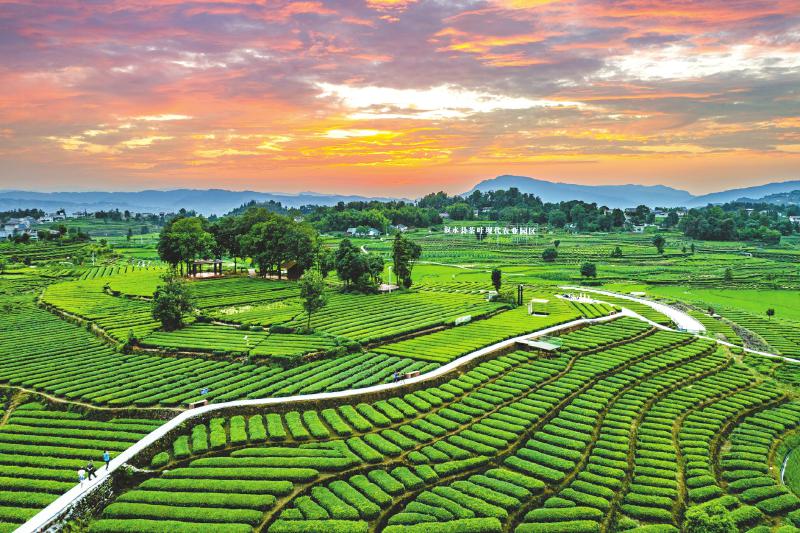
代表委员热议持续打好优化营商环境组合拳助推高质量发展——精准招商提质效 聚力攻坚强产业
Xin Lang Cai Jing· 2026-02-01 02:48
Core Viewpoint - The provincial government emphasizes the need to promote stable growth in industrial and private investments, optimize the business environment, and attract significant projects to achieve effective outcomes [1][10]. Group 1: Investment and Project Development - The Kunming Pengruili Health City project has successfully integrated medical and elderly care services, attracting nearly 200 residents since its opening in December 2024, showcasing the efficiency of Yunnan's service in optimizing the business environment [1][2]. - The project includes a nursing home, rehabilitation hospital, and a comprehensive hospital, with various phases of operation scheduled from 2025 to 2026, demonstrating a well-supported project lifecycle [1][2]. Group 2: Industry Development Strategies - Da Guan County is focusing on precise investment attraction strategies, leveraging local resources such as bamboo, silicon, and aluminum to enhance industrial development [3][4]. - The bamboo industry in Da Guan County has seen significant growth, with a brand value of 1.507 billion yuan, supported by a model that integrates production bases, parks, and enterprises [3][4]. Group 3: Economic Performance - By 2025, Da Guan County is projected to have 23,097 business entities and a GDP exceeding 10.068 billion yuan, marking a significant improvement in provincial rankings [5][6]. - The local public budget revenue has tripled since 2020, reaching 376 million yuan, reflecting the positive impact of improved business conditions [5]. Group 4: Policy Recommendations - To attract quality projects, it is essential to create a stable and supportive ecosystem for businesses, including clear policies and efficient government services [7][8]. - Specific policies targeting key industries such as deep processing of agricultural products, green aluminum, and new energy batteries are recommended to enhance operational efficiency and reduce costs for enterprises [7][8]. Group 5: Business Environment Optimization - Continuous improvement of the business environment is crucial, with initiatives aimed at enhancing service efficiency and responsiveness to business needs [10][11]. - The government has implemented mechanisms for regular communication with enterprises to address challenges in labor, financing, and supply chains, fostering a supportive atmosphere for business growth [10][11].
石头缝里长“黄金”,赤水河变“致富河”
Xin Lang Cai Jing· 2026-01-31 15:24
Core Viewpoint - The transformation of the ecological environment in Zhaotong City, Yunnan Province, through the cultivation of bamboo has significantly improved local livelihoods and created a sustainable economic model, demonstrating the principle that "green mountains and clear waters are invaluable assets" [1][9]. Group 1: Ecological Transformation - The introduction of bamboo cultivation has turned previously barren land into lush green areas, contrasting sharply with the rocky, unproductive terrain that once existed [1][4]. - The bamboo forests, covering 1.045 million acres, have become a robust ecological barrier, sequestering 200,000 tons of carbon annually and maintaining water quality at Class II or above [4][7]. - The bamboo's extensive root systems help prevent soil erosion, reducing soil loss by over 75% compared to non-forested areas, and improving water clarity in the river [7][10]. Group 2: Economic Impact - Farmers have shifted from traditional crops like corn and potatoes, which yielded less than 100 yuan per mu, to bamboo, generating over 1,000 yuan per mu annually, significantly increasing their income [4][6]. - The bamboo industry has become a vital source of income for local families, with some households earning between 20,000 to 80,000 yuan annually, contributing to a projected total industry output value of 1.7 billion yuan by 2025 [7][9]. - Local government initiatives have established a supply chain for bamboo shoots, including collection points and processing facilities, ensuring stable income for farmers and promoting local employment [6][10]. Group 3: Community and Government Initiatives - The local government has implemented policies to support bamboo cultivation, including providing free seedlings, technical training, and financial assistance, fostering a cooperative model for sustainable development [9][10]. - The community has embraced bamboo cultivation as a new lifestyle, with many residents actively participating in the bamboo economy, leading to a resurgence of local employment and a reduction in out-migration [6][12]. - The integration of ecological protection measures with economic development has created a mutually beneficial relationship, enhancing both the environment and the livelihoods of local residents [7][9].
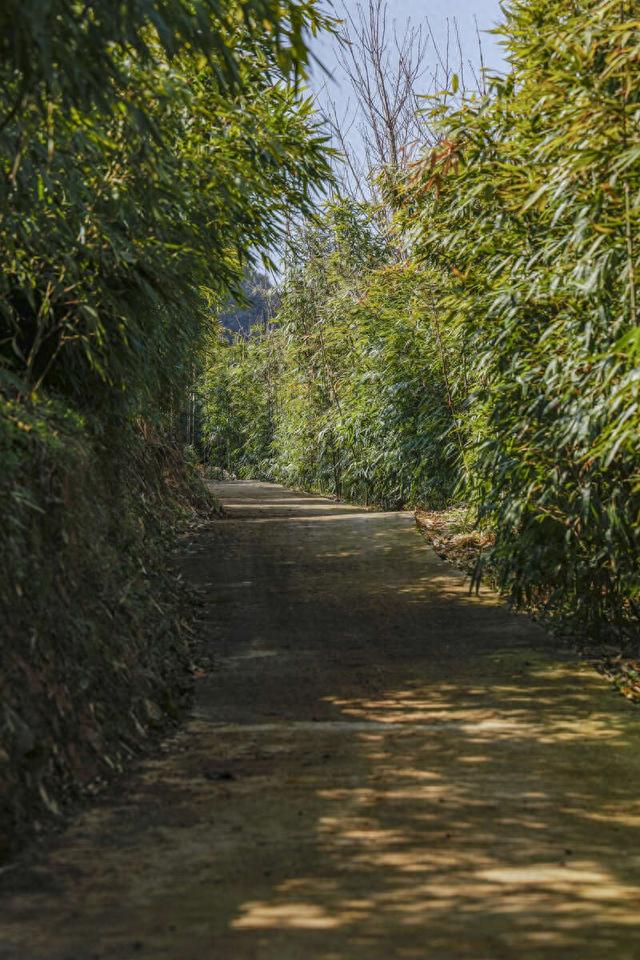
广东清远 全域增竹披绿生金
Jing Ji Ri Bao· 2026-01-28 22:01
Core Viewpoint - The development of the bamboo shoot industry in Qingyuan City is a successful example of integrating ecological advantages with economic growth, transforming the region into a green industry cluster with an output value exceeding 10 billion yuan. Group 1: Industry Development - Qingyuan has implemented a "full-area bamboo increase" initiative, resulting in nearly 300,000 acres of new bamboo planting in just three years, creating a green belt over one million acres [2][3] - The bamboo planting area in Yingde City has reached 778,800 acres, becoming a crucial part of the forest ecosystem [3] - The total output value of the bamboo industry in Qingyuan has reached 10.491 billion yuan, making it the largest area in China for bamboo shoot planting, production, and trading [7] Group 2: Economic Transformation - Qingyuan is focusing on transforming bamboo from an ecological resource to a scenic and economic resource, promoting bamboo-related tourism and recreational activities [4] - The integration of bamboo into tourism has generated approximately 182 million yuan in revenue from leisure and cultural tourism related to the bamboo industry in 2024 [4] - The shift from selling raw bamboo shoots to processed products has significantly increased farmers' income and stabilized their earnings [5] Group 3: Technological Innovation - Qingyuan has established 13 bamboo seedling cultivation bases with an annual breeding capacity of about 900,000 seedlings, collaborating with research institutions to ensure sustainable development [3][8] - The implementation of a "one-on-one" support program for small and micro enterprises in the bamboo shoot industry has led to significant improvements in production processes and increased export value [8] Group 4: Policy and Financial Support - A comprehensive support system has been established, including policy guidance, land guarantees, financial support, and technological empowerment, to facilitate the bamboo industry [7] - As of November 2025, over 1.2 billion yuan in loans related to the bamboo shoot industry have been issued, alleviating financial pressures on operating entities [7]
校媒记者探访“世界最佳旅游乡村”——余村
Xin Lang Cai Jing· 2026-01-28 11:36
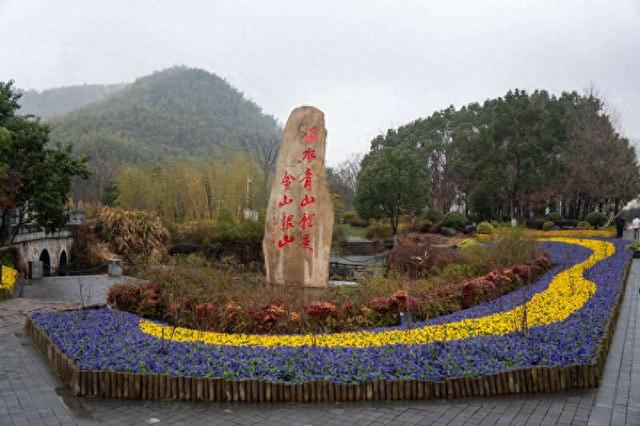
Group 1 - Anji Yucun has been recognized as the "World's Best Tourism Village" by the United Nations World Tourism Organization, showcasing its transformation from a traditional farming community to a modern hub for returning youth and digital nomads [1] - The village has developed a youth community called "Qinglai Ji," featuring over 1,000 shared workspaces, a cafeteria, a supermarket, and talent apartments to attract young entrepreneurs [2] - The village emphasizes ecological transformation, symbolized by a stone tablet inscribed with "Green mountains and clear waters are as valuable as mountains of gold and silver," reflecting its commitment to sustainable development [2] Group 2 - The "Qinglai Ji" community operates under a "scenic and social symbiosis" model, providing a peaceful and livable environment for its residents [3] - Anji is known as "China's First Bamboo Town," and Yucun promotes high-quality development of the bamboo industry by advocating for "bamboo instead of plastic" initiatives [5] - The village's cultural hall displays various handicrafts, including embroidery, weaving, and wood carving, highlighting the local craftsmanship [7]