运动休闲服饰

Search documents
巴克莱:2025年激进投资者发起的活动数量创下新高,达到255次
Ge Long Hui A P P· 2026-01-05 02:48
Group 1 - The core viewpoint of the article highlights a record number of activist investor activities initiated in 2025, driven by market volatility, favorable financing conditions, and increased trading activity [1] - Activist investors, including Elliott Management, launched a total of 255 campaigns against global companies, marking a nearly 5% increase from 2024 and surpassing the previous record of 249 activities set in 2018 [1] - Notable brands targeted by activist investors include Lululemon, Lyft, and PepsiCo, with demands for operational improvements, board member changes, and even considerations for company sales [1]
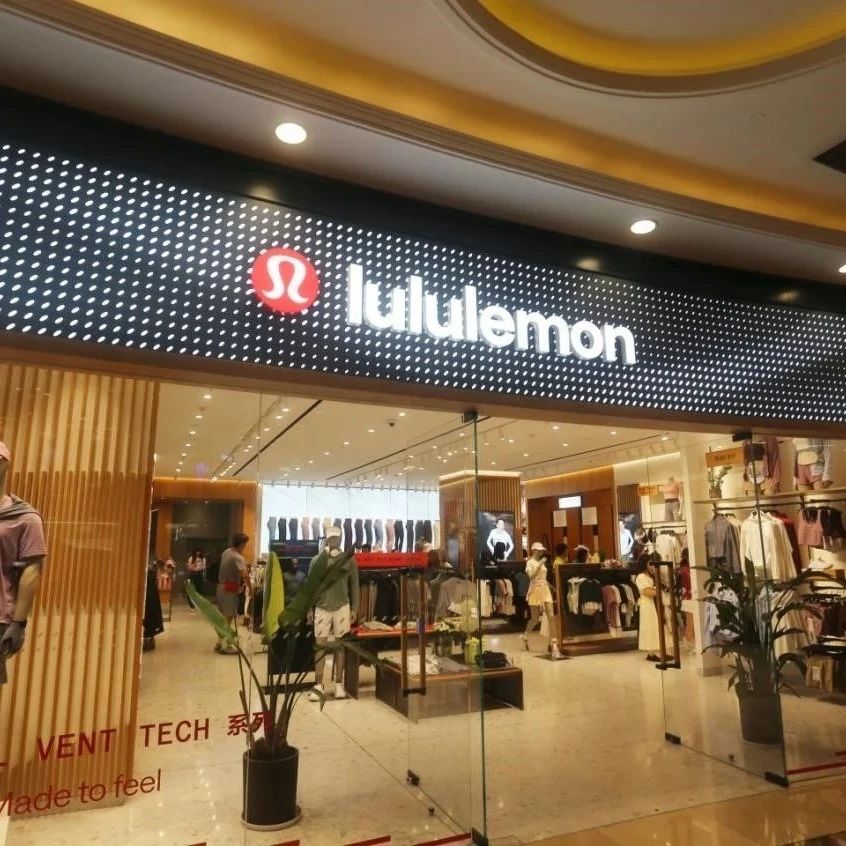
Lululemon一号位被“下课”,明星集体变心,谁才是幕后推手? | 北美前哨
Xin Lang Cai Jing· 2025-12-15 01:05
Core Insights - Lululemon's CEO Calvin McDonald will resign on January 31, 2024, amid a year of poor performance, with the board seeking a new CEO through a top executive search firm [2][16] - The company's stock price has halved this year, and after the announcement of the CEO change, it surged over 10% in after-hours trading, indicating market consensus on the decline of its growth narrative [2][16] Group 1: Performance Decline - Lululemon's North American market, once its most profitable, has seen a significant decline, with a 2% drop in sales in the latest quarter, marking the fifth time in six quarters that revenue growth has fallen below 10% [4][18] - The brand's core classic styles are failing to stimulate new purchases, as consumers are shifting towards cheaper brands and new competitors [5][19] - Alo Yoga has emerged as a strong competitor, attracting consumers and celebrities, further diminishing Lululemon's market presence [8][27] Group 2: Internal Challenges - Chip Wilson, Lululemon's founder, publicly criticized the management for losing the brand's "cool factor" and failing to attract creative talent, attributing the company's decline to a series of strategic errors [6][24] - Wilson noted that Lululemon has lost 50% of its market value, which was originally driven by brand influence, due to a lack of innovation and focus [7][24] Group 3: Competitive Landscape - Alo Yoga has rapidly grown, increasing its revenue fivefold in three years, reaching the $1 billion sales club, while Lululemon's market dominance is being challenged [13][30] - Alo Yoga's pricing strategy, with yoga pants priced at $120-130, is 30% higher than Lululemon's, yet it has successfully positioned itself as a luxury brand among younger consumers [28][30] - The rise of Alo Yoga and other brands has created a "perfect storm" for Lululemon, combining internal stagnation with external competitive pressures [30][31]


福建女首富接班了
首席商业评论· 2025-11-19 03:34
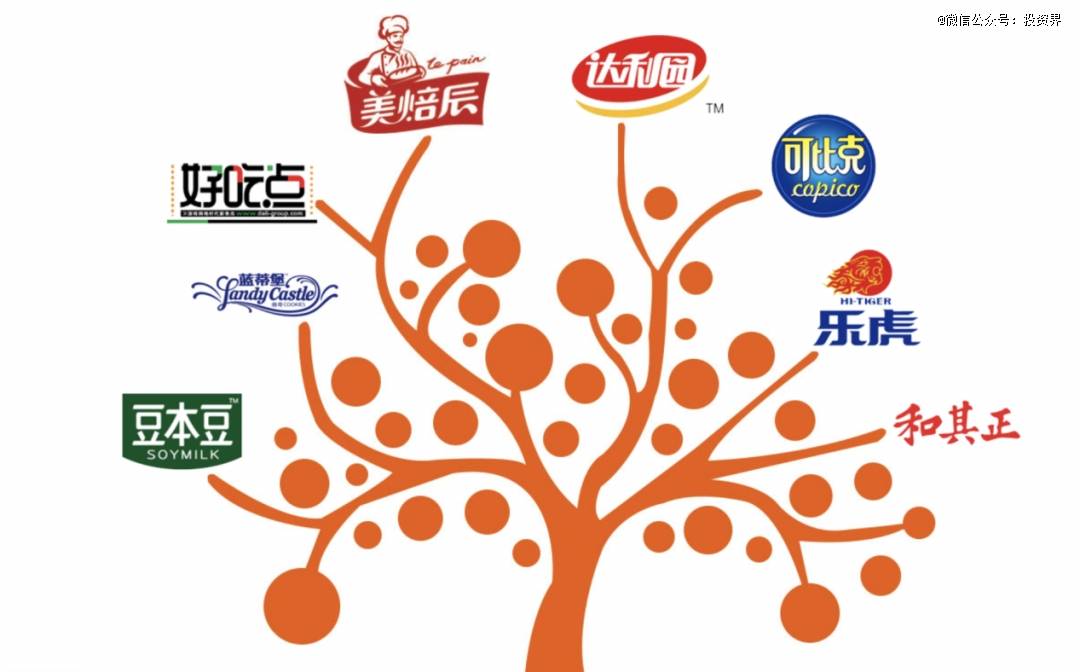
Core Viewpoint - The article discusses the succession of Xu Yangyang as the new president of Dali Food Group, highlighting her journey from grassroots positions to leadership and the broader trend of second-generation entrepreneurs taking over family businesses in Fujian province [5][16]. Group 1: Succession of Xu Yangyang - Xu Yangyang, daughter of founder Xu Shihui, has officially taken over as president of Dali Food Group, marking a significant transition in leadership [5]. - Xu Yangyang joined the family business in 2008 after studying abroad, starting from basic positions and gradually moving up to key roles, including board member and strategic decision-maker [6][7]. - Under her leadership, Dali Food successfully went public in Hong Kong in 2015, significantly increasing her wealth and establishing her as a prominent figure in the industry [7][15]. Group 2: Business Development and Innovation - Xu Yangyang has been instrumental in launching the "Dou Ben Dou" brand of soy milk, which achieved sales of 2.266 billion yuan by 2022, positioning Dali Food as a leader in the health and nutrition sector [7]. - The company has shifted its focus from imitation to innovation, with Xu Yangyang emphasizing the need for the next generation to drive qualitative changes in the business [7][8]. - Dali Food is expanding its international presence, with strategic plans to establish production bases in Southeast Asia, including Indonesia, Thailand, Vietnam, and Saudi Arabia [8]. Group 3: Broader Trends in Fujian Business Succession - The article notes a trend of second-generation entrepreneurs in Fujian taking over their family businesses, with several notable examples, including the successors of major companies like Fuyao Glass and Sanan Group [16][19]. - This generational transition reflects a broader pattern in Fujian, where family ties and regional connections play a significant role in business operations and collaborations [20]. - The article highlights the unique characteristics of Fujian's business culture, where familial and regional bonds have fostered a network of successful enterprises across various sectors [20].

福建女首富,达利食品许阳阳接班了
Sou Hu Cai Jing· 2025-11-15 08:14
Core Insights - The core point of the news is the succession of Xu Yangyang as the new president of Dali Food Group, taking over from her father Xu Shihui, marking a significant transition in leadership for the company that has grown from a small operation to a well-known food brand with a peak market value exceeding 100 billion [1][12]. Company Overview - Dali Food Group was founded by Xu Shihui in 1989, starting with a second-hand biscuit production line and a small factory, and has since become a leading player in the snack food industry [9][10]. - At its peak, Dali Food's market value surpassed 100 billion HKD, and Xu Shihui became the richest person in Fujian with a fortune of over 60 billion [1][12]. Leadership Transition - Xu Yangyang, born in 1983, has been groomed for leadership since childhood, joining the family business in 2008 after studying abroad and starting from grassroots positions [5][2]. - She played a crucial role in Dali Food's IPO on the Hong Kong Stock Exchange in 2015, which significantly increased her wealth and established her as a prominent figure in the business community [7][2]. - Xu Yangyang's leadership is characterized by a focus on innovation, exemplified by the successful launch of the "Dou Ben Dou" soy milk brand, which generated sales of 2.266 billion in 2022 [8][6]. Strategic Vision - Under Xu Yangyang's leadership, Dali Food is pursuing an international expansion strategy, establishing production bases in Southeast Asia, including Indonesia, Thailand, Vietnam, and Saudi Arabia [8][12]. - The company aims to transition from a focus on survival and growth to achieving qualitative changes in its operations, emphasizing innovation and global perspectives [8][6]. Industry Context - The news highlights a broader trend of second-generation leaders taking over family businesses in Fujian, with several prominent companies undergoing similar transitions [15][20]. - This generational shift reflects the close-knit nature of Fujian's business community, where familial ties and collaborative efforts have historically driven success [18][20].
福建女首富接班了
投资界· 2025-11-15 07:55
Core Viewpoint - The article discusses the succession of Xu Yangyang as the new president of Dali Food Group, highlighting the transition of leadership within the company and the broader trend of second-generation entrepreneurs taking over family businesses in Fujian province [3][4][14]. Group 1: Succession of Leadership - Xu Yangyang, daughter of founder Xu Shihui, officially takes over as president of Dali Food Group, marking a significant leadership transition [3][4]. - Xu Yangyang has been groomed for this role since childhood, starting her career in the company from the grassroots level after returning from studying abroad in 2008 [6][7]. - Under her leadership, Dali Food successfully went public on the Hong Kong Stock Exchange in 2015, significantly increasing her wealth and establishing her as a prominent figure in the business community [6][10]. Group 2: Company Growth and Innovation - Dali Food Group began with a second-hand biscuit production line in 1989 and has grown to become a household name, reaching a market value exceeding 100 billion [4][10]. - The introduction of the "Dou Ben Dou" brand of soy milk in 2017 under Xu Yangyang's leadership marked a shift towards innovation, positioning the company as a leader in the health and nutrition sector [6][7]. - Dali Food has expanded its operations internationally, establishing production bases in Indonesia, Thailand, Vietnam, and Saudi Arabia as part of its global strategy [7][14]. Group 3: Broader Trends in Fujian Entrepreneurship - The article notes a trend of second-generation entrepreneurs in Fujian taking over family businesses, with several prominent companies undergoing leadership transitions [14][16]. - This generational shift is characterized by a close-knit community of Fujian entrepreneurs who often collaborate and support each other, despite being in competitive industries [16]. - The article highlights the importance of training and preparation for the next generation, with local governments previously funding programs to equip young entrepreneurs with necessary skills [16].

“中产神裤”卖不动了 Lululemon股价创新低
Zhong Guo Neng Yuan Wang· 2025-09-17 09:03
Core Viewpoint - Lululemon's high-growth and high-premium brand story is losing favor, as evidenced by its recent financial report and subsequent stock price decline, reaching a six-year low of $159.25 per share, with a year-to-date drop of approximately 60% [1][2] Financial Performance - For the second quarter of fiscal year 2025, Lululemon reported a global net revenue increase of 7% year-over-year to $2.5 billion, with international business net revenue growing by 22% [2] - Gross profit rose by 5% to $1.5 billion, but gross margin decreased by 110 basis points to 58.5% [2] - Diluted earnings per share were $3.10, slightly down from $3.15 in the same period last year [2] - The company lowered its full-year revenue forecast to between $10.85 billion and $11 billion, down from a previous estimate of $11.15 billion to $11.3 billion, and below market expectations of $11.2 billion [2] Market Challenges - Lululemon faces significant pressure from a struggling North American market, where comparable store sales fell by 4% and store traffic dropped by 8.5% year-over-year [2][4] - The impact of tariff changes has increased costs for e-commerce orders, with 87% of Lululemon's production concentrated in Southeast Asia, particularly Vietnam [2] - The company anticipates a $240 million reduction in annual profits due to tariffs [2] International Market Performance - Despite challenges in North America, Lululemon's international market, particularly mainland China, showed strong performance with a 25% year-over-year revenue increase and a 17% rise in comparable store sales [3] - However, growth in the Chinese market is slowing compared to previous quarters, where revenue growth was 39% [3] Product and Brand Issues - Lululemon is experiencing a loss of consumer interest due to a lack of new product innovation, with only 23% of its offerings being new products [5] - The company is criticized for its high pricing strategy, with its classic Align yoga pants priced at 850 RMB, while competitors like MAIA ACTIVE offer similar products at 399 RMB [5] - The CEO acknowledged that the company has become predictable and overly reliant on core products, missing opportunities to create new trends [5] Competitive Landscape - The athletic leisurewear market is highly competitive, with Lululemon facing pressure from established brands like Nike and Adidas, as well as emerging brands like AloYoga and Vuori [6] - The company has struggled to establish a competitive presence in new categories despite its 2019 "Power of Three" growth plan aimed at expanding into various sports and lifestyle segments [6]
露露乐蒙:开市客山寨我家产品
财富FORTUNE· 2025-07-04 13:02
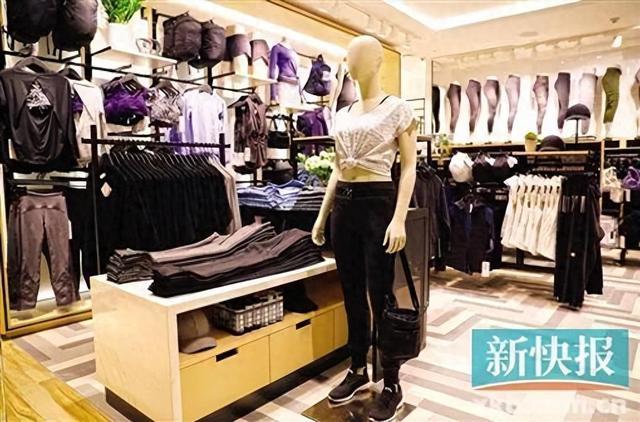
Core Viewpoint - Lululemon has filed a lawsuit against Costco, accusing the warehouse retailer of selling low-priced knockoffs of its popular athleisure apparel, thereby infringing on its patents and profiting illegally from its reputation and labor [1][2]. Group 1: Lawsuit Details - Lululemon claims that Costco is selling unauthorized replicas of its products, including popular items like the Scuba hoodie, Define jacket, and ABC pants [2]. - The lawsuit includes evidence such as screenshots from Costco's website, showing a Hi-Tec men's Scuba full-zip jacket priced at $19.97, while Lululemon's similar jackets are priced over $100 each [3]. - Lululemon is seeking a jury trial and demands that Costco cease the sale of the alleged knockoff products, along with unspecified damages [5]. Group 2: Company Statements - A spokesperson for Lululemon emphasized the company's commitment to innovation and the significant investment in product development, stating that it takes the protection of intellectual property seriously and will take legal action when necessary [2]. Group 3: Previous Legal Context - Lululemon had a similar legal dispute with Peloton in 2021, which later resulted in a five-year partnership where Lululemon became Peloton's primary apparel partner [6].