音乐剧

Search documents
年客流量破1.35亿,广州北京路如何跑赢“下半场”?
Nan Fang Du Shi Bao· 2026-02-04 06:53
Core Viewpoint - The Beijing Road area in Guangzhou has undergone significant transformation, becoming a vibrant cultural and commercial hub that attracts both local and international visitors, yet it faces challenges related to uneven consumer traffic and underutilization of historical resources [2][21]. Group 1: Transformation and Development - The Beijing Road area has seen a substantial increase in foot traffic, with a total of 135 million visitors recorded in 2025, marking a historical high [2]. - The area has expanded from 0.43 square kilometers to 1.16 square kilometers, incorporating 1,224 brands, including 72 flagship and regional first stores [3]. - The MINISO LAND flagship store exemplifies the "first store economy," attracting over 10,000 visitors on its opening day and achieving a monthly sales average of approximately 10 million [3]. Group 2: Cultural and Entertainment Offerings - The immersive musical theater "Apollo" has attracted a significant audience, with over 886 performances in Guangzhou alone, drawing more than 60% of its audience from outside Guangdong [4]. - The introduction of a 5,000 square meter anime-themed space in Tianhe City has led to a 40% increase in foot traffic, showcasing a shift towards youth-oriented entertainment [5]. Group 3: Challenges and Issues - Despite the growth, there are concerns about uneven consumer traffic, with some areas experiencing high vacancy rates and a lack of diverse offerings [8][10]. - High rental prices have been identified as a barrier to entry for many brands, with monthly rents for 30 square meter shops reaching 80,000 yuan [12]. - Historical and cultural sites within the area remain underutilized, with many old buildings and cultural relics in a state of neglect [13][20]. Group 4: Recommendations and Future Directions - Experts suggest that Beijing Road should focus on integrating cultural narratives into the consumer experience, utilizing technology to enhance visitor engagement [21]. - There is a call for the development of limited-edition cultural products to shift from merely selling goods to selling memories, enhancing the area's appeal as a cultural landmark [22]. - The government is encouraged to implement policies that support the revitalization of vacant commercial spaces and promote a diverse range of new business models [24].

法媒:法语音乐剧在中国焕发“第二春”
Xin Lang Cai Jing· 2026-02-02 23:09
Core Viewpoint - French musicals are experiencing a resurgence in popularity in China, with multiple successful productions and a dedicated fanbase [1][2] Group 1: Popularity and Audience Engagement - French musicals like "Romeo and Juliet," "Notre-Dame de Paris," and "Mozart, l'Opéra Rock" have been well-received in China, with numerous performances held [1] - Audiences in China are highly enthusiastic, with some fans attending multiple shows and even learning French to better understand the performances [2] - The success of these musicals is attributed to their ability to resonate with Chinese audiences, who often sing along without needing subtitles [2] Group 2: Industry Dynamics - The international touring of French musicals has extended their lifespan and profitability, allowing them to maintain popularity in Asia [2] - French musicals have gained a competitive edge over American Broadway productions in China, effectively replacing them in the market [2] - The continued success of productions like "Notre-Dame de Paris," which has been performed in China since 2002, highlights the long-term viability of French musicals in the region [1]
人民日报记者三问音乐剧市场活力密码
Ren Min Ri Bao· 2026-01-22 02:09
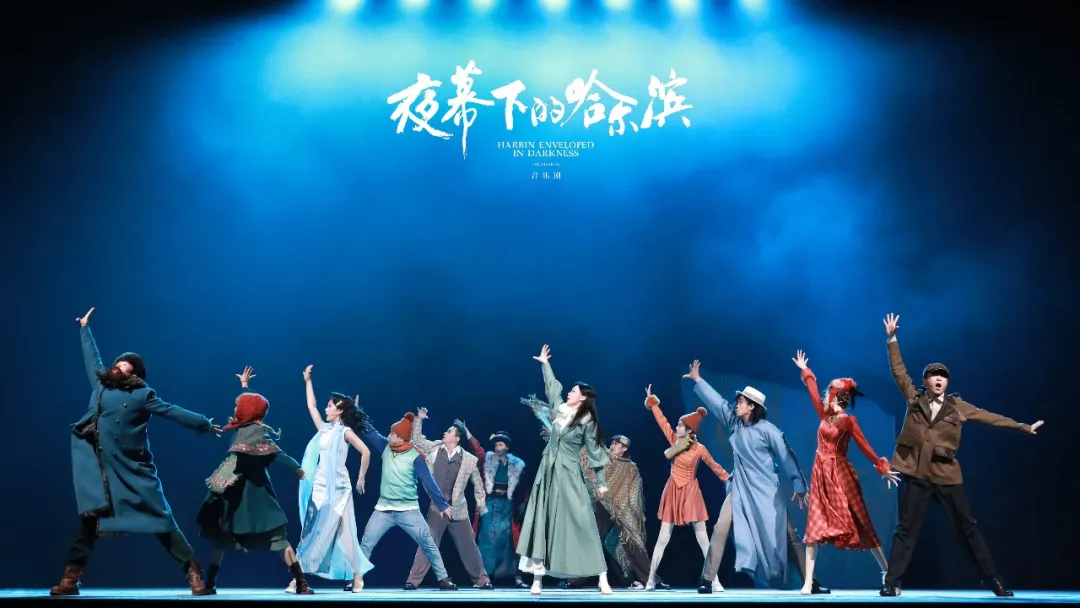
Core Insights - The Chinese musical theater market has seen significant growth, with ticket sales increasing by over 300% from approximately 600 million yuan in 2019 to 1.807 billion yuan in 2025, indicating a robust demand for this art form [3][5]. - The market is now evenly split between original Chinese musicals and imported productions, reflecting a surge in the quality and quantity of domestic creations [6][8]. - The audience demographic is predominantly young, with nearly 80% of attendees being under 35 years old, highlighting a shift in cultural consumption patterns [1][4]. Group 1: Market Growth - The number of performances has increased by 15.04% year-on-year, while box office revenue has grown by 7.55% [1]. - The rise of immersive theater spaces in Shanghai has contributed to the growth of the musical theater sector, with over 90% of resident projects in key areas being musicals [3]. Group 2: Original vs. Imported Musicals - Six years ago, imported musicals dominated the market with a 90% share, but now original Chinese musicals and imported versions each hold about half of the market [6]. - Notable original productions include "Searching for Li Er Gou" and "Under the Nightfall in Harbin," which have received acclaim for their quality and innovative storytelling [6][8]. Group 3: Audience Engagement and Trends - The trend of "chasing casts" and "collecting cards" among audiences reflects a unique aspect of musical theater, where the popularity of specific actors can drive ticket sales [10]. - The industry is still in its early stages, with a need for improved quality in both productions and performers, as well as a focus on deeper artistic and thematic exploration [11]. Group 4: Future Prospects - The overall box office for live performances in China is projected to exceed 60 billion yuan by 2025, with musicals representing a small but growing segment of this market [5]. - Initiatives like the "Tianqiao No. 1" project aim to establish a comprehensive ecosystem for musical theater, including the development of small theaters and artistic districts [11].
一个小剧场集群,也是一座音乐剧乐园
Xin Lang Cai Jing· 2026-01-17 04:24
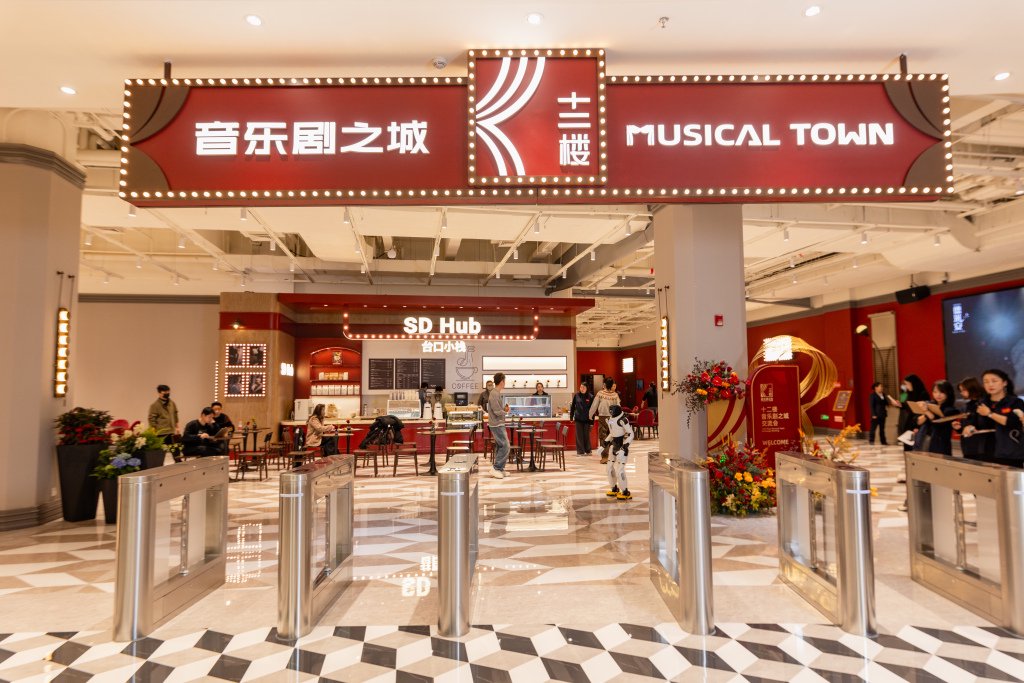
Core Viewpoint - The opening of the first musical theater exploration park in China, "Twelve Floors Musical Theater City," marks a significant cultural transformation in Shanghai's Nanjing Road commercial area, aiming to create a comprehensive cultural tourism ecosystem centered around musical theater [1][4]. Group 1: Venue and Offerings - "Twelve Floors Musical Theater City" features a total area of approximately 7,000 square meters, including 8 immersive theaters with capacities ranging from 118 to 388 seats, alongside facilities such as a recording studio, rehearsal hall, and a merchandise store [4][6]. - The venue plans to host 20-25 productions annually, with a mix of resident performances and collaborations with industry partners, establishing itself as a shared platform for musical theater [4][6]. Group 2: Current Productions - Four resident productions have already commenced, including the globally popular Korean musical "Chef Show," which utilizes physical comedy and vocal techniques to simulate cooking sounds, accommodating 150 audience members for an interactive experience [6][7]. - The "Classic Theater Dining Show" allows audiences to enjoy meals while listening to classic musical numbers from well-known productions, providing a multi-sensory experience [9]. Group 3: Target Audience and Community Engagement - The venue is designed to cater to various demographics, offering a third space for professionals, a social hub for seniors, and an educational base for youth, including partnerships with universities for internship opportunities [10][13]. - It aims to be a social nexus for musical theater enthusiasts, featuring fan spaces and themed cafes to enhance interaction between audiences and performers [10][13]. Group 4: Strategic Location and Future Vision - Located in a prime area near People's Square, the venue is expected to attract both local and international visitors, enhancing the cultural landscape of the region and contributing to the growing trend of theater-going in commercial spaces [15][16]. - The vision is to connect global tourists with local culture, promoting the idea that experiencing a musical can deepen one's understanding of the city [15].
一部部好戏创纪录 一步步升级成标杆
Xin Lang Cai Jing· 2026-01-13 07:26
Core Insights - Shanghai Cultural Square reported a record performance in the large-scale musical theater market, achieving an average ticket sales rate of nearly 90% across over 80% of its co-produced shows, with the Hong Kong Repertory Theatre's musical "The Great King" achieving a 100% attendance rate [5][6] Group 1: Performance Metrics - The venue hosted 280 performances of 45 productions from 10 countries, with musicals and stage plays accounting for 80% of the total shows [6] - The Japanese original stage play "Spirited Away" sold out all 42 performances, attracting over 78,000 attendees, with more than 50% of ticket sales coming from out-of-town visitors [6] - The French production "Molière" achieved a 40% re-purchase rate, while the Broadway musical "Charlie and the Chocolate Factory" made its debut in China, showcasing high-quality production values [6][7] Group 2: Original Productions and Festivals - The "Original Chinese Musical Exhibition Season" has presented 62 original productions, completing 185 performances, with a historical high ticket sales rate of 95% for the four participating shows last year [7] - Upcoming productions include the premiere of "Her Sea" in May and international performances of "Baoyu" and "Kung Fu" in South Korea and Germany, respectively [7] Group 3: Audience Engagement and Community Initiatives - By December 2025, the total membership of Shanghai Cultural Square is expected to reach 770,000, with 86% being female and 56% aged between 16 and 30 [8] - The venue provided 40,000 charity tickets, accounting for 11% of total tickets, and launched initiatives to enhance ticket purchasing experiences for students [8] - Various community engagement activities, including workshops and meet-and-greet events, attracted 37,000 participants offline and over 160,000 online viewers [8]
《悲惨世界》56天狂揽1.1亿,一张票根撬动五倍消费
Di Yi Cai Jing· 2025-12-31 01:37
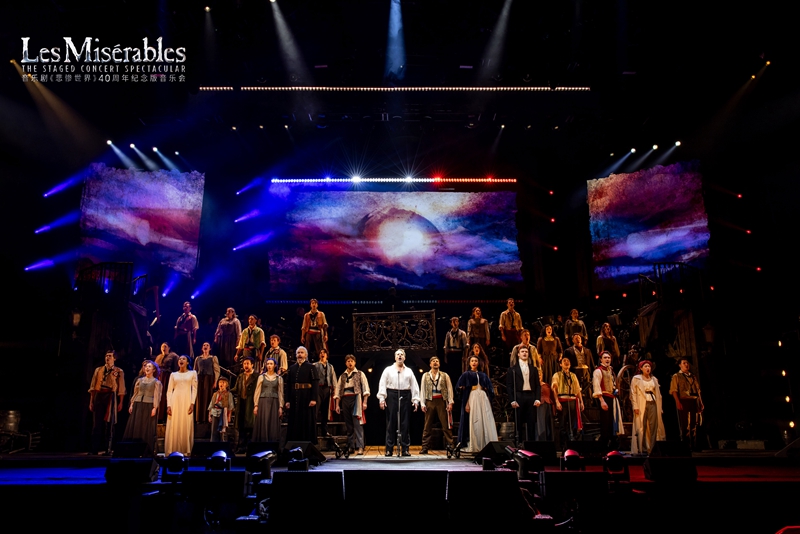
Core Insights - The 40th anniversary concert of "Les Misérables" in Shanghai concluded with significant success, featuring 65 performances over 56 days, attracting over 110,000 attendees and generating revenue exceeding 1.1 billion yuan [1][3] Group 1: Performance and Audience Engagement - The concert achieved an impressive attendance rate of 102%, including additional seating, showcasing the strong demand for high-quality cultural events in Shanghai [1] - The audience's emotional response was profound, with many attendees expressing a desire to revisit the performance multiple times, indicating a deep connection with the material [4][5] - The concert featured a strong cast of experienced actors, enhancing the overall quality and appeal of the performances [5] Group 2: Market Dynamics and Cultural Impact - The return of "Les Misérables" after 23 years reflects the evolution of the musical theater market in China, transitioning from a niche art form to a mainstream entertainment option [3] - Shanghai has established itself as a central hub for musical theater in China, leading in the number of professional theaters, annual performances, and audience size [3] - The concert's success has sparked interest in future productions, including the potential introduction of the full musical version to China, indicating a growing confidence in the local market [8][12] Group 3: Economic Contributions and Tourism - The concert has significantly impacted the local economy, with estimates suggesting a 1:5 return on investment for every yuan earned in ticket sales, driving related industry consumption [10][12] - Merchandise sales during the concert reached nearly 200 million yuan, with customized products appealing to local tastes, demonstrating the concert's influence beyond the stage [10] - Collaborative initiatives, such as hotel packages and themed exhibitions, further enhanced the economic benefits associated with the event [10] Group 4: Industry Development and Talent Growth - The collaboration between local and international talent during the concert has provided valuable experience and growth opportunities for Chinese performers and technical staff [11][12] - The global recruitment initiative for young performers attracted significant interest, highlighting the potential for nurturing new talent within the industry [11] - The concert serves as a catalyst for the broader development of the musical theater industry in China, emphasizing the importance of high-quality content and artistic expression [12]
音乐剧缘何火爆京城
Xin Lang Cai Jing· 2025-12-29 20:21
Core Insights - The popularity of musical theater in Beijing is on the rise, with projections indicating that by 2025, there will be 19,700 performances and ticket revenues exceeding 1.8 billion yuan [3][4] - Beijing contributes approximately 10% of the national musical theater market in terms of performance count and around 18% in ticket revenue [3] - The city has become a significant premiere location for international productions, attracting audiences willing to pay for high-quality performances [3] Group 1: Growth of Musical Theater - The original musical "Wind Sound," produced by Beijing Performing Arts Group, has seen overwhelming success with full houses for all 50 performances since its debut in September [4] - Beijing's cultural policies focus on creating high-quality artistic works, leading to the emergence of several notable musical productions [4][7] - The establishment of the "Musical Theater College Alliance" aims to bridge the gap between educational institutions and market demands, fostering original works and professional talent [7] Group 2: Diverse Performance Venues - The Beijing Tianqiao Art Center has become a key venue for international musical theater, hosting 185 productions and 1,318 performances since its opening in 2015, attracting 1.33 million audience members and generating 654 million yuan in ticket sales [5] - A variety of performance spaces, including traditional venues and new spaces like Huguang Guild Hall, are contributing to a diverse musical theater landscape [6] Group 3: Talent Development and Support - Beijing's numerous art colleges, such as the Central Academy of Drama and Beijing Dance Academy, are crucial in nurturing musical theater talent, creating a sustainable talent pipeline for the industry [7] - The Beijing Cultural Arts Fund has supported nearly 30 musical theater projects in the past three years, promoting high-quality development in the performing arts [8] - Policies encouraging innovation and collaboration among performing arts enterprises are effectively stimulating market activity and reducing costs [8]

三北京文北费街基金:北京天桥音乐剧年度盛典
Jiao Tong Yin Hang· 2025-12-26 13:02
Investment Rating - The report indicates a positive investment outlook for the musical theater industry, highlighting significant growth in market size and audience engagement. Core Insights - The national musical theater market is experiencing substantial growth, with performance sessions expected to reach 19,700 in 2025, a year-on-year increase of 15.04%. Box office revenue is projected at 1.807 billion yuan, up 7.55%, with audience numbers reaching 8.186 million, reflecting a 10.41% increase [9][10][11]. - The report emphasizes the importance of key holidays, such as May Day and National Day, which significantly boost box office revenues, accounting for 15.40% of total annual revenue [11]. - The market for imported musicals is evolving, with a focus on "curated content and immersive experiences," leading to a decrease in the share of imported productions but an increase in their box office contribution, which now accounts for 51.4% of total revenue [17]. - The report highlights the rise of original Chinese musicals, with a clear trend towards quality and innovation, showcasing new productions that resonate with contemporary cultural themes [28]. Summary by Sections Part One: Overview of the National Musical Theater Market - The market is projected to grow significantly, with 19,700 performances and a box office of 1.807 billion yuan in 2025, marking increases of 15.04% and 7.55% respectively [9][10]. - Key holidays contribute significantly to revenue, with weekends also showing an increase in box office share from 46.6% to 50.6% [11]. Part Two: Insights into Regional Development - First and second-tier cities dominate the market, accounting for over 95% of performances and more than 80% of box office revenue [40][44]. - The Yangtze River Delta region shows robust growth, contributing over half of the total performances and revenue [44]. Part Three: Insights into Musical Performance Venues - Professional theaters are enhancing audience experience through innovative designs and extended performance schedules, leading to increased box office revenues [58]. - Small theater operations focus on audience engagement and community building, adapting to changing consumer preferences [61]. Part Four: Insights into Musical Creation, Production, and Operation - There is a notable rise in musicals with patriotic themes, reflecting a blend of mainstream values and contemporary aesthetics [66]. - The report identifies a surge in "national style" musicals that integrate traditional cultural elements, receiving positive market feedback [71]. Part Five: Insights into Consumption Characteristics - The audience demographic is predominantly female, with women making up 75.50% of attendees in 2025, although there is a slight increase in male audience participation [76]. - The average ticket price preference has shifted, with a growing inclination towards the 200-800 yuan range, indicating a willingness to spend more on quality productions [80]. - There is a trend of increased frequency in attendance, with over 20% of audiences attending 2-4 performances annually [82].
贷款8万看剧,饭圈正在捧杀音乐剧
创业邦· 2025-12-23 03:12
Core Viewpoint - The musical theater market in China is experiencing significant growth, with a 15.1% year-on-year increase in box office revenue for the first half of 2025, driven by popular productions and a strong fan base [5]. Group 1: Market Trends - The popularity of musical theater is evidenced by successful productions such as "The King's Guard: Sword and Flower" and "The Miserable World," which have achieved both critical acclaim and box office success [5]. - The secondary ticket market has become chaotic, with scalpers profiting significantly, leading to frustrations among genuine fans who struggle to purchase tickets at original prices [8][11]. - The phenomenon of "Stage Door" (SD) interactions has evolved, with fans prioritizing celebrity encounters over the actual performances, leading to disorder and complaints [19][22]. Group 2: Consumer Behavior - Female audiences dominate the musical theater market, accounting for 88.5% of ticket sales in early 2025, reflecting their emotional connection to the art form and willingness to spend on star power [34]. - The "human shield" culture, where fans feel compelled to maintain a presence in the theater scene to be remembered by their favorite actors, has emerged, raising concerns about the sustainability of this behavior [25][36]. - The trend of prioritizing marketing and star power over quality content in musical productions is evident, with many shows relying on established actors rather than focusing on artistic merit [28][33]. Group 3: Industry Challenges - The influx of scalpers and fraudulent ticket sales has created a challenging environment for genuine fans, with reports of sophisticated scams targeting the theater-going community [11][14]. - The industry faces criticism for its reliance on marketing and celebrity culture, which may undermine the long-term development of quality productions and audience engagement [35]. - There is a growing concern that the current trajectory of the musical theater market, characterized by quick profits and superficial engagement, may not be sustainable in the long run [30][33].

贷款8万看剧,饭圈正在捧杀音乐剧
3 6 Ke· 2025-12-22 09:20
Core Insights - The musical theater market in China is experiencing significant growth, with box office revenue increasing by 15.1% year-on-year in the first half of 2025, as reported by the China Performance Industry Association [1] - Popular productions include the new national style musical "Jinyiwei: Knife and Flower," the well-received "The King’s Speech," the French musical "Les Misérables," and others, indicating a strong trend in audience engagement and ticket sales [1] - However, the market faces challenges such as a chaotic secondary ticketing market, which benefits scalpers and frustrates genuine fans, as well as a trend where producers prioritize marketing over quality production, potentially alienating broader audiences [1] Ticketing and Scalping Issues - The influx of scalpers into the booming musical theater market has led to ticketing chaos, with tickets for popular shows like "Les Misérables" selling out quickly and being resold at a premium of 300-500 yuan, with some front-row seats marked up by over 3000 yuan [2] - Fans are resorting to extreme measures, such as hiring individuals to queue for tickets, highlighting the desperation to secure seats for popular performances [2] Fraud and Scams - The rise of ticket scalping has been accompanied by an increase in fraudulent activities, with scammers posing as fans to trick others into transferring money for tickets that do not exist [4][5] - A case involving a fan who was scammed out of money for tickets illustrates the sophisticated tactics used by these fraudsters, including creating a false identity and leveraging the trust within the fan community [7] Stage Door (SD) Culture - The Stage Door (SD) experience, originally intended for post-show interactions between fans and actors, has devolved into a chaotic scene where fans prioritize meeting actors over watching the performances [10][11] - This shift has led to complaints about disorderly conduct and has prompted some theaters to implement stricter access controls to maintain order [11] Audience Dynamics and Market Trends - The audience for musicals is predominantly female, with their spending on musical theater increasing from 77.4% in 2019 to 88.5% projected for the first half of 2025, significantly higher than the industry average [20][21] - The focus on female audiences has influenced the content and marketing strategies of musical productions, often favoring male leads and neglecting other demographic groups [21] Quality and Content Concerns - The quality of musical productions varies, with many relying heavily on star power rather than artistic merit, leading to a perception that the market is more focused on short-term profits than long-term audience development [18][20] - Industry professionals express concerns that the current trend of prioritizing marketing and celebrity over quality content may not sustain the growth of the musical theater market in the long run [21]