麻辣香锅

Search documents
荤素同价、计量迷雾、左位效应……麻辣烫与消费者玩心理战
Sou Hu Cai Jing· 2025-11-25 09:50
Core Insights - The rising prices of ingredients in hot pot restaurants, particularly for vegetables, have sparked significant consumer discussion and concern [1][4][8] - The pricing strategy of weight-based billing, especially for vegetables, has led to confusion and dissatisfaction among consumers, who often feel surprised by the final bill [4][12][18] Pricing Strategies - Many hot pot restaurants have adopted a weight-based pricing model, with some offering a flat rate for both meat and vegetables, which can lead to higher costs for consumers [8][12] - Specific examples include a restaurant charging 39.9 yuan for 500 grams of self-selected ingredients, while individual items like mushrooms and lotus root are priced similarly to meat [2][8] Consumer Experience - Consumers frequently report feeling misled by the weight of ingredients, especially when items are soaked in water to increase their weight, leading to higher charges [10][12] - The use of smaller measurement units, such as 50 grams, can create confusion, as consumers may not realize the equivalent price per kilogram until they receive the bill [15][18] Psychological Pricing Tactics - Restaurants employ psychological pricing strategies, such as emphasizing lower left digits and downplaying the significance of measurement units, to influence consumer perception and spending [13][16] - The "left digit effect" is utilized to make prices appear more attractive, which can lead to consumers underestimating the total cost of their selections [16][18] Market Dynamics - The cost structure of hot pot restaurants shows that ingredient costs are the largest expense, followed by labor and overhead, indicating that pricing strategies are crucial for profitability [18] - The competitive landscape includes a mix of pricing models, with some establishments charging separately for certain items, which can further complicate consumer understanding of costs [6][8]

“月薪万元,不敢吃麻辣烫”?杨国福“28.8元豆芽”上热搜
Mei Ri Jing Ji Xin Wen· 2025-11-04 14:27
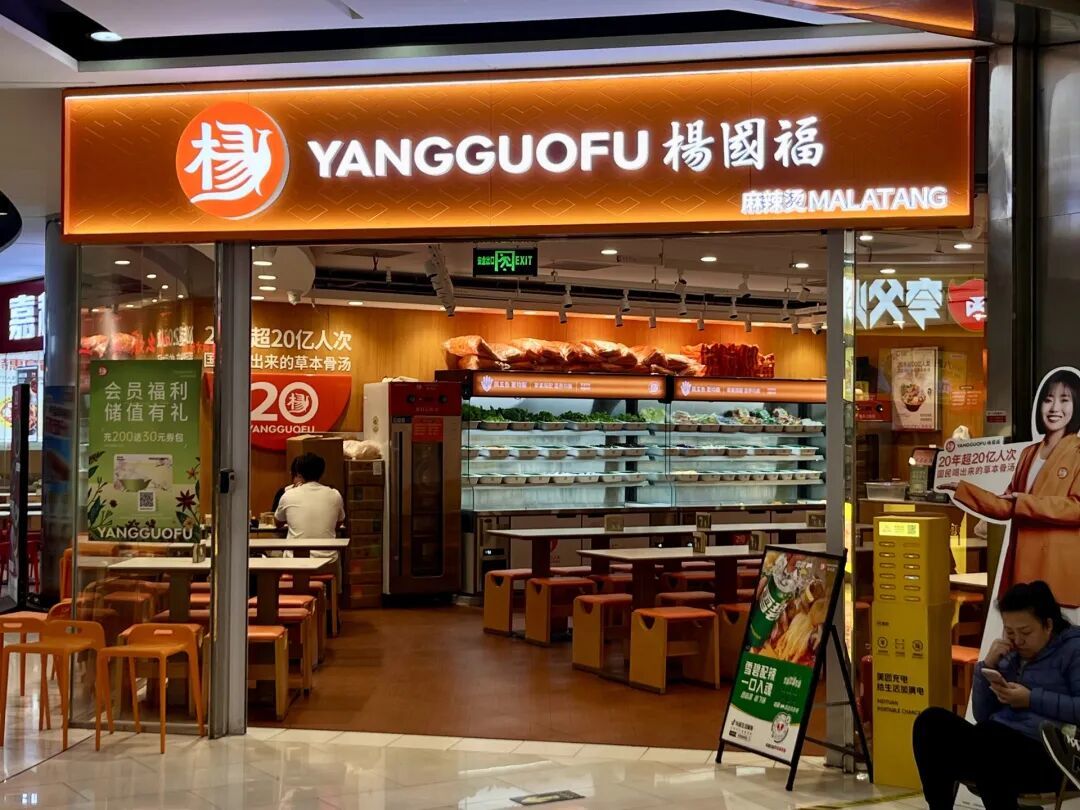
Core Insights - The recent price controversy surrounding Yang Guofu's spicy hotpot has drawn significant public attention, particularly due to the high price of green bean sprouts at 28.8 yuan per kilogram, which is notably higher than competitors like Sam's Club [1][2] - Yang Guofu's business model, which utilizes a weight-based pricing strategy, is facing scrutiny as consumer perceptions shift towards more affordable and value-driven options in the market [1][6] Pricing Strategy - Yang Guofu's pricing for green bean sprouts is set at 2.88 yuan for 50 grams, translating to approximately 28.8 yuan per kilogram, which is significantly higher than the 8.25 yuan per kilogram price at Sam's Club [2] - The company has not established a uniform pricing policy across its outlets, leading to inconsistencies in pricing and potential consumer confusion [2][5] Market Position and Competition - Yang Guofu is one of the leading brands in the spicy hotpot sector, with a reported expansion to nearly 7,000 outlets, including around 200 overseas [9][10] - The brand is facing increasing competition from similar dining options such as hotpot and skewered dishes, which are encroaching on its market share [10][11] Consumer Perception and Brand Image - The brand's strategy of "weight-based pricing" has been criticized for potentially misleading consumers, as it can result in higher perceived costs compared to traditional pricing models [6][7] - Recent food safety issues have further complicated Yang Guofu's brand image, with reports of unsanitary conditions in some locations, prompting the company to enhance its food safety protocols [10] Future Growth Strategies - In response to competitive pressures, Yang Guofu has diversified its offerings by entering the spicy hotpot and small hotpot markets, aiming to leverage its existing supply chain capabilities [11] - The company is focusing on maintaining low costs and ensuring food safety as key factors for success in these new market segments [11]
“月薪万元,不敢吃麻辣烫”?杨国福“28.8元豆芽”上热搜,但外卖绿豆芽35.8元1斤!专家:利润往往出在素菜上
Mei Ri Jing Ji Xin Wen· 2025-11-04 13:40
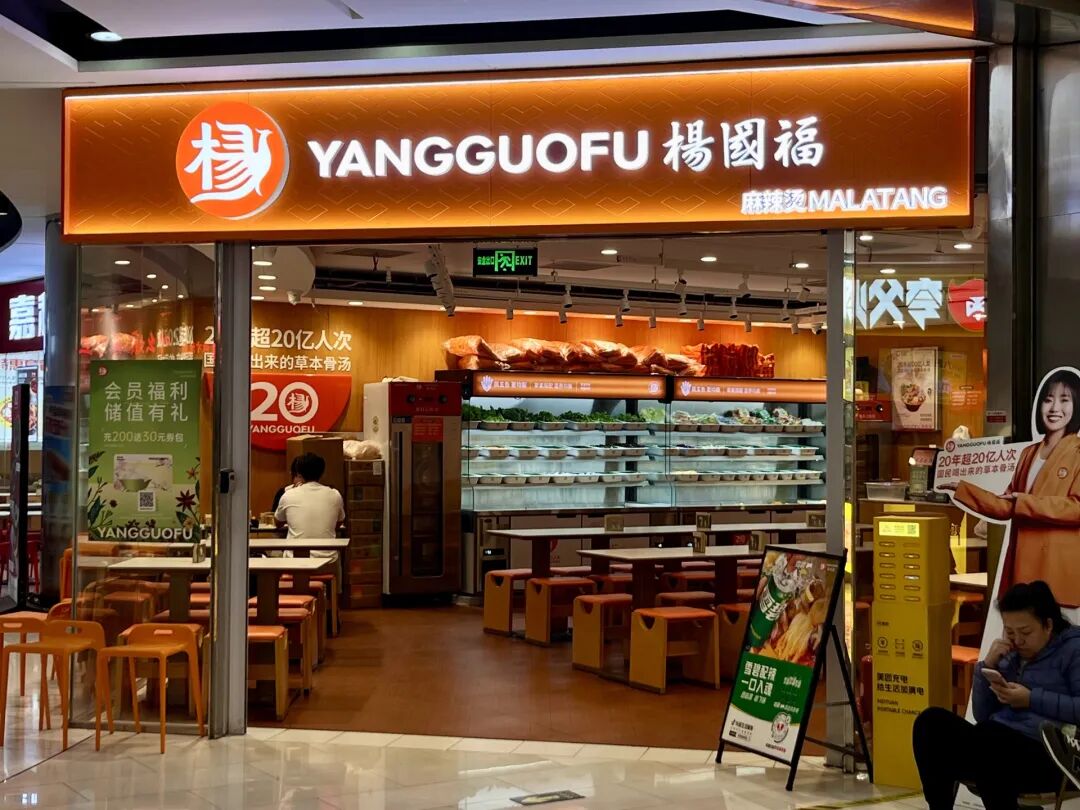
Core Insights - The article discusses the recent price controversy surrounding Yang Guofu's hot pot chain, particularly the high price of ingredients like mung bean sprouts, which has sparked public outrage and scrutiny [1][2] - Yang Guofu is facing dual pressures from public opinion and market competition, as consumer attraction to chain brands is declining compared to more affordable options [7] Company Overview - Yang Guofu, a leading chain in the hot pot industry, submitted a listing application to the Hong Kong Stock Exchange in February 2022, aiming to become the "first hot pot stock" [8] - As of September 30, 2021, Yang Guofu operated 5,783 restaurants, including 21 overseas locations, and has since expanded to nearly 7,000 restaurants, with around 200 overseas [8] Pricing Strategy - The pricing strategy of "weight-based pricing" has been criticized for potentially misleading consumers, as the cost of ingredients can be significantly higher than market prices [6][9] - The average consumer spending at chain hot pot brands is 31.4 yuan, which is 35% higher than the overall average of 23.2 yuan for hot pot [7] Market Competition - The hot pot market is becoming increasingly competitive, with similar pricing models and offerings across brands, leading to pressure from related categories like hot pot and skewered dishes [9] - Yang Guofu has recently ventured into the hot pot and herbal hot pot markets, launching new products to seek growth opportunities, but faces stiff competition from established brands [9] Quality Control and Safety Issues - Yang Guofu has faced multiple food safety issues, including a recent incident involving a rodent at one of its locations, prompting the company to enhance its food safety management and training [8] - The balance between rapid expansion and maintaining service quality remains a significant challenge for the company [8]
杨国福能否靠麻辣香锅、小火锅赛道突围?
Mei Ri Jing Ji Xin Wen· 2025-11-04 13:33
Core Viewpoint - The controversy surrounding the high prices of ingredients at Yang Guofu's hotpot chain, particularly the price of mung bean sprouts at 28.8 yuan per kilogram, has sparked public outrage and raised questions about the company's pricing strategy and consumer perception [1][2]. Pricing Strategy - Yang Guofu's pricing for mung bean sprouts is significantly higher than competitors, with a price of 28.8 yuan per kilogram compared to 8.25 yuan per kilogram at Sam's Club [2]. - The company has not implemented a unified pricing strategy across its locations, attributing price variations to local costs such as rent and labor [2]. - The "weight-based pricing" model, which allows consumers to choose their ingredients, has been successful but may mislead consumers regarding actual costs, leading to negative brand perception [3][5]. Market Position and Competition - According to the "2025 Hotpot Development Report," Yang Guofu remains a leading brand in the hotpot sector, but its appeal is declining compared to more affordable competitors [4]. - The average consumer spending at chain hotpot brands is 31.4 yuan, which is 35% higher than the overall average of 23.2 yuan for hotpot [4]. - The company faces intense competition from similar food categories such as hotpot and skewers, which are encroaching on its market share [7][8]. Expansion and New Ventures - Yang Guofu submitted a listing application to the Hong Kong Stock Exchange in February 2022, aiming to become the first publicly listed hotpot company [6]. - The company has expanded its restaurant network from 5,783 to nearly 7,000 locations, including around 200 overseas [6]. - In response to competitive pressures, Yang Guofu has ventured into new categories such as herbal hotpot and small hotpot, leveraging its existing supply chain capabilities [8]. Quality Control and Consumer Trust - The company has faced criticism for inconsistent service quality and food safety issues, including a recent incident involving a rodent at one of its locations [7]. - Yang Guofu has initiated measures to improve food safety management and training across its outlets [7]. - Analysts suggest that the company should focus on improving product quality and customer experience rather than solely on pricing strategies [5].
标价按50克计,换算成1斤28.8元!“杨国福豆芽”冲上热搜,网友直呼“吃不起”,客服:全国门店售价不统一
Mei Ri Jing Ji Xin Wen· 2025-11-02 11:27
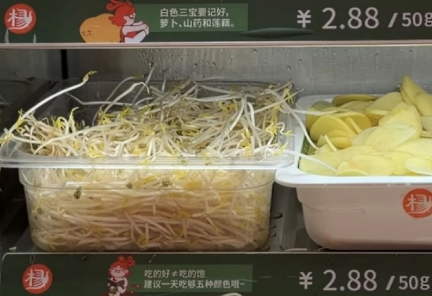
Core Insights - The pricing controversy surrounding Yang Guofu's mung bean sprouts, priced at 28.8 yuan per kilogram, has sparked widespread discussion online, with comparisons to Sam's Club's organic mung bean sprouts priced at 8.25 yuan per kilogram [3][6] - The pricing strategy of various hot pot and noodle brands, including Yang Guofu, employs a weight-based pricing model that can mislead consumers, often leading to higher-than-expected bills [6][8] - Despite criticisms regarding pricing, the popularity of hot pot remains strong, particularly among younger consumers, with significant engagement on social media platforms [8] Pricing Controversy - Yang Guofu's mung bean sprouts are priced at 2.88 yuan for 50 grams, equating to 28.8 yuan per kilogram, which is significantly higher than competitors [3][6] - The pricing has led to public outcry, with many consumers expressing that the prices are exorbitant and labeling the brand as "luxury fast food" [6] - The company has stated that pricing varies by location due to differing operational costs, such as rent and labor [6] Industry Trends - The hot pot industry has seen rapid growth, with over 30,000 establishments projected by the end of 2024, particularly in second and third-tier cities [8] - The average consumer spending in hot pot restaurants ranges from 20 to 60 yuan, with a significant portion of establishments falling within the 20-40 yuan range [8] - Despite the increase in the number of outlets, the industry lacks a dominant player, with over half of the brands operating five or fewer locations [8] Market Dynamics - The growth rate of the hot pot industry has slowed, with a projected net growth rate of approximately 7% for 2024, down from over 20% in previous years [8] - The opening rate for new establishments is expected to rebound to 38% in 2025, while the closure rate remains high at around 16% [8]
杨国福1斤豆芽28元贵过山姆,年轻人为何对麻辣香锅越骂越上头
21世纪经济报道· 2025-11-01 08:00
Core Viewpoint - The article discusses the rising prices and consumer dissatisfaction associated with the spicy hot pot (麻辣香锅) industry, despite its continued popularity among young consumers. It highlights the pricing strategies, consumer experiences, and the overall market dynamics of this food segment. Pricing and Consumer Sentiment - The price of ingredients for spicy hot pot has surged, with green bean sprouts priced at 28.8 yuan per jin, significantly higher than competitors like Sam's Club [1] - Consumers express frustration over the high prices and inadequate portion sizes, with many reporting that spending 60 yuan does not guarantee a satisfying meal [3][5] - The pricing strategies often involve deceptive weight measurements, leading to higher costs than initially perceived [5] Hygiene and Quality Concerns - There are notable hygiene issues in spicy hot pot establishments, with reports of unsanitary conditions and spoiled ingredients, contributing to negative consumer experiences [6] - Complaints about food safety, including instances of foodborne illness, are prevalent on social media, affecting the overall reputation of the industry [6] Market Growth and Consumer Engagement - Despite complaints, the spicy hot pot sector continues to attract young consumers, driven by its fresh cooking style and social dining experience [8] - The industry has seen significant engagement on social media platforms, with related topics garnering billions of views, indicating a strong cultural presence [8] Industry Landscape - As of the end of 2024, the number of spicy hot pot establishments in China is projected to exceed 30,000, with a concentration in second and third-tier cities, particularly in Chongqing [10][12] - The average consumer spending in this sector ranges from 20 to 60 yuan, with a majority of establishments falling within the 20-40 yuan price range [10] Competitive Dynamics - The spicy hot pot market lacks a dominant player, with over 54% of brands operating five or fewer locations, indicating a fragmented market with many small operators [12] - The industry's growth rate has slowed, with projections showing a decrease from over 20% in previous years to around 7% in 2024, alongside a high closure rate of approximately 16% [13] Future Outlook - The article suggests that the industry must return to its core values by ensuring transparent pricing, standardized quality, and a better alignment of price with the quality of ingredients and dining experience [14]