“半岛1号”海上游

Search documents
山东以“五个放心”激活群众“敢消费”信心
Da Zhong Ri Bao· 2026-02-06 01:06
Core Viewpoint - Shandong province is enhancing consumer confidence through the "Five Assurances" initiative, which focuses on quality, safety, pricing, service, and rights protection in consumption [2][5]. Group 1: Quality Assurance - The province aims to improve consumer quality by establishing new standards, with plans to revise 112 national standards and 73 local standards by 2025, enhancing product quality and expanding consumption [2] - Shandong has certified 130 companies under the "Taishan Quality" certification, with 589 green product certifications and 767 organic product certifications, promoting the "Good Products Shandong" brand [2] Group 2: Service Consumption - Service consumption is a key driver of economic growth, with cultural and tourism consumption emerging as a significant force in stimulating domestic demand [3] - Innovative tourism products like the "Qilu No. 1" train and "Peninsula No. 1" sea tours have been launched, transporting 750,000 passengers and generating nearly 600 million yuan in comprehensive consumption [3] - By 2025, per capita service consumption expenditure in Shandong is projected to grow by 5.1%, outpacing goods consumption growth by 2.4 percentage points [3] Group 3: Price Assurance - In Qingdao, consumer complaints in the market regulation sector are expected to decrease by 20.6% in 2025, following a 17.8% reduction in 2024 [4] - Specific areas such as measurement tools, farmers' markets, and small restaurants have seen significant drops in complaint volumes, with reductions of 33.85%, 43.52%, 31.73%, and 31.36% respectively [4] Group 4: Rights Protection - Shandong has established the first provincial-level standard for diversified resolution of consumer disputes, enhancing the efficiency of consumer rights protection [5] - The province has 32,000 offline stores committed to unconditional returns, with ongoing updates to this list, promoting consumer confidence [5]
服务消费渐挑大梁,山东这样激活“敢花钱”的信心
Sou Hu Cai Jing· 2026-02-05 11:34
Core Insights - The service consumption sector in Shandong Province is becoming a significant driver of economic growth, with a notable shift in spending patterns towards services rather than goods [1] - By 2025, Shandong aims to host over 500 events for the "Qilu Service Consumption Season" and cultivate 66 new service consumption brands, with a target of 11 billion yuan in central government funding support [1] Group 1: Service Consumption Growth - In 2025, per capita service consumption expenditure in Shandong is projected to grow by 5.1%, outpacing goods consumption growth by 2.4 percentage points [1] - The province is focusing on enhancing service quality and expanding service consumption through various initiatives, including the introduction of new tourism products and promotional campaigns [2][4] Group 2: Cultural and Tourism Development - The cultural and tourism sector is identified as a key area for driving service consumption, with plans to add 2 national-level leisure tourism districts and 15 4A-level scenic spots by 2025 [2] - Initiatives such as the "Qilu No. 1" tourism train and "Peninsula No. 1" sea tours are expected to transport 750,000 passengers and generate nearly 600 million yuan in comprehensive consumption [2] Group 3: Policy and Strategic Initiatives - In 2026, Shandong's Commerce Department plans to implement a comprehensive strategy involving policies, activities, funding, and measures to further promote service consumption [4] - The focus will be on sectors like housekeeping and travel services, with a goal to foster emotional consumption and support local culinary brands through various promotional events [5]

新增15家4A景区、拉动消费277亿!山东文旅多点发力激活消费新动能
Qi Lu Wan Bao· 2026-02-05 07:09
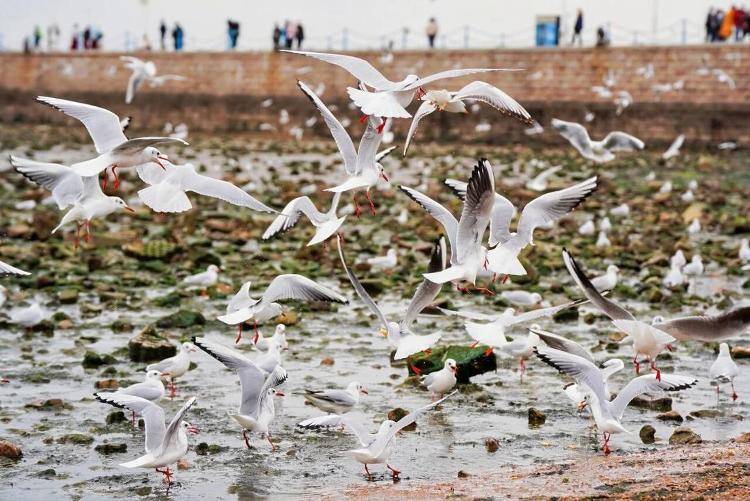
Core Viewpoint - Shandong Province is actively enhancing its cultural and tourism consumption environment through various initiatives aimed at improving supply, service quality, and regulatory measures, ultimately driving high-quality development in the sector [1][4]. Group 1: Enhancing Supply and New Consumption Scenarios - Since 2025, Shandong has added 2 national-level tourism leisure districts, 15 4A-level scenic spots, 17 provincial-level leisure districts, 36 star-rated hotels, and 33 star-rated homestays, while supporting 35 projects to upgrade tourism experiences from "sightseeing" to "immersive experiences" [1][2]. - The introduction of unique tourism products such as the "Qilu No. 1" tourist train and "Peninsula No. 1" sea tours has led to the transportation of 750,000 passengers and generated nearly 600 million yuan in comprehensive consumption [1]. Group 2: Promoting Industry Integration and New Growth Drivers - Shandong has collaborated with the provincial sports bureau to integrate sports events into scenic areas, successfully hosting various events like the Qilu Football Super League [2]. - The province has launched ten marine research tourism routes and included 60 units in a national quality improvement pilot for research bases, enhancing the educational tourism supply [2]. - Initiatives such as the "Culinary Competition" attracted over 2,500 restaurants and engaged 125 million participants, effectively converting culinary interest into tourism engagement [2]. Group 3: Improving Service Quality and Consumer Experience - A special exhibition featuring 136 valuable exhibits from 11 cultural institutions across six provinces was held to enhance cultural experiences for the public [3]. - The development of smart cultural tourism scenarios, including digital art spaces in museums, aims to make cultural experiences more engaging and convenient [3]. - Various holiday consumption promotion activities have been organized, totaling 38,000 events and directly driving 27.7 billion yuan in consumption [3]. Group 4: Regulating Market Order and Ensuring Safe Consumption - Shandong is focusing on a dual approach of regulation and service to maintain a healthy tourism market, addressing issues like tour guide practices and unreasonable low-price tours [3]. - New regulatory models have been established for emerging industries, ensuring comprehensive oversight across various sectors [3]. - Strengthening the credit system and service quality is a priority to protect tourists' rights, ensuring a safe and enjoyable experience in Shandong [3][4]. Group 5: Future Directions - The Shandong cultural and tourism system aims to continue enhancing supply, optimizing services, promoting integration, and enforcing regulations to provide richer, higher-quality, and safer tourism experiences for consumers [4].
山东两会热议票根经济 代表建言拓展链式消费新场景
Zhong Guo Xin Wen Wang· 2026-01-30 09:09
Group 1 - The core focus of the Shandong Provincial People's Congress is on expanding the cultural consumption chain through new business models and scenarios, with "ticket root economy" being a key topic [1] - The Shandong government plans to implement the "Shandong Transportation and Tourism No. 1 Project" by 2026, aiming to build an ecosystem around the ticket root economy and organize various events to enhance cultural consumption [1] - The ticket root economy, which has emerged as a new economic model in 2025, transforms traditional tickets into "passports" for city exploration, converting transient traffic into sustained consumer power [1] Group 2 - The district of Taishan, as the main urban area of Tai'an, will focus on cultural and tourism street updates as part of its urban renewal actions in 2026, aiming to attract 8 million visitors to the region [2] - There are concerns regarding the digitalization of cultural tourism resources in Shandong, with suggestions to leverage AI technology for immersive cultural experiences to engage younger audiences [2] - The Shandong government plans to implement the "Technology Strengthens Culture" initiative by 2026, promoting the integration of artificial intelligence with cultural activities and enhancing tourism infrastructure and services [4] Group 3 - The Shandong government anticipates a growth of over 10% in both tourist numbers and tourism revenue, with a significant increase of 46% in inbound tourists [4]