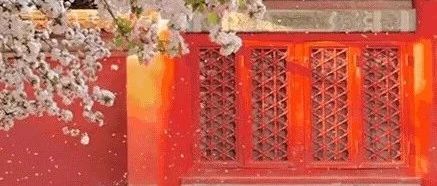
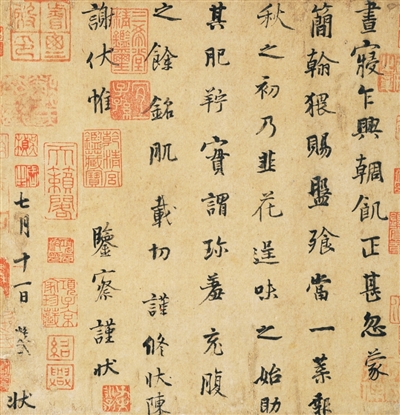
《中秋帖》

Search documents
【视线】十年磨一“殿”!故宫养心殿再度开放
Xin Lang Cai Jing· 2025-12-27 18:42
Core Insights - The Palace Museum's Yangxin Hall has reopened to the public after nearly 10 years of research-based protection and systematic restoration [1][2] Group 1: Historical Significance - Yangxin Hall, located west of Qianqing Palace, was built in 1537 during the Ming Dynasty and served as the emperor's sleeping quarters and the center for daily political activities during the Qing Dynasty [1] - The hall is well-known for key historical terms such as "Sanxi Hall" and "curtain governance," with significant areas like the West Warm Pavilion where emperors met officials and reviewed documents [1] Group 2: Exhibition Highlights - The restoration follows historical accuracy, with the main hall featuring the "Zhongzheng Renhe" plaque by Emperor Yongzheng and the West Warm Pavilion displaying the "Qinzheng Qinxian" plaque with restored couplets [2] - The exhibition includes 1,020 artifacts, with most being original pieces, showcasing a blend of different historical periods within the hall [2] Group 3: Restoration Process - The restoration of Yangxin Hall is the first project under the "research-based protection project" designation by the Palace Museum, emphasizing a foundation of prior research [3] - The restoration adhered to principles of "not altering the original state of cultural relics" and "minimal intervention," employing advanced techniques like carbon fiber for structural reinforcement [3] - Over the past decade, nearly 500 artifacts and 6,617 movable cultural relics have been protected and restored, with a focus on maintaining the hall's original appearance [3]
一问到底丨十年保护修缮后重新开放 故宫养心殿修了啥?
Yang Shi Wang· 2025-12-26 18:38
Core Viewpoint - The Palace Museum has reopened the Yangxin Hall after a comprehensive restoration project that began in 2015, highlighting its historical significance and architectural value [1][5]. Group 1: Restoration Details - The restoration project is the first comprehensive research-based protection and repair project for both movable and immovable cultural relics in China [5]. - The Yangxin Hall underwent a systematic protection and repair process over ten years, addressing structural issues and preserving nearly 500 artifacts, 120 sets of interior decorations, and various other cultural relics [5][6]. - The restoration aimed to improve the preservation environment and visitor experience while developing a methodology for research-based protection and repair [5]. Group 2: Architectural Features - The Yangxin Hall features a core layout of "front hall for governance, back hall for living," with significant areas restored to their original appearance from the Yongzheng Emperor's era [3][4]. - The famous Sanxitang, a small study room of Emperor Qianlong, has been restored to reflect its historical significance, housing rare calligraphy works [4]. - The restoration included the revival of traditional mineral-based pigments for the hall's decorative paintings, preserving the original colors and aesthetics [7]. Group 3: Archaeological Discoveries - Experts discovered various historical markings and artifacts during the restoration, adding an archaeological dimension to the project [8][9]. - The central deity plaque above the hall, which has been in place since the Yongzheng period, was preserved with minimal disturbance to respect its historical context [8]. - The restoration revealed multiple layers of decorative paintings, providing insights into the hall's historical transformations [6][9].
面对面丨百年故宫如何再出圈
Xin Lang Cai Jing· 2025-12-21 19:39
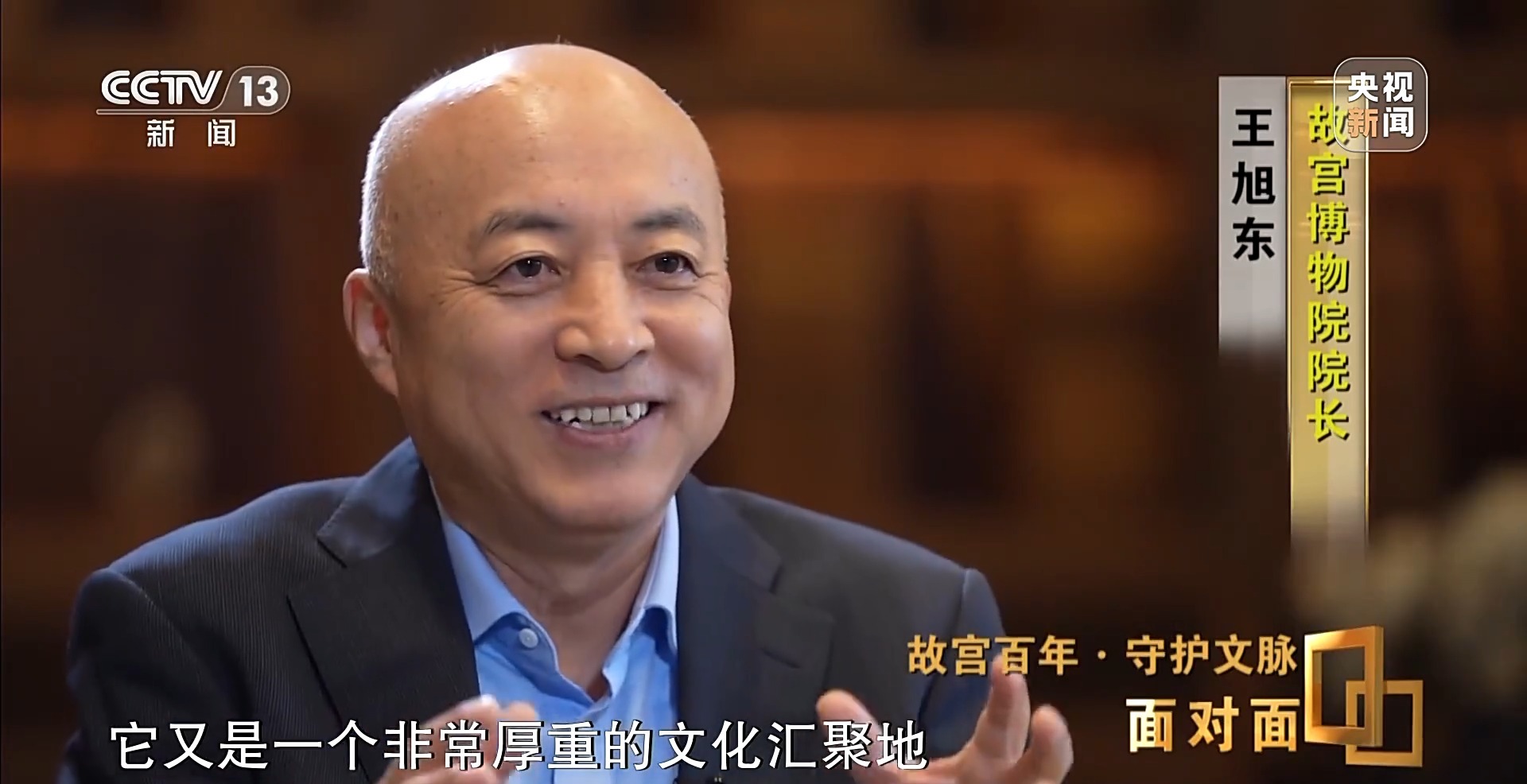
Core Viewpoint - The Palace Museum is celebrating its centenary in 2025, marking its transformation from an imperial palace to a national museum, and emphasizing its role as a global cultural heritage site [1]. Group 1: Historical Significance - The Palace Museum was established on October 10, 1925, and was listed as a UNESCO World Heritage Site in 1987, representing a significant cultural evolution from national memory to a shared human heritage [1]. - The museum has preserved 1.95 million cultural relics, forming an invaluable cultural treasure alongside the ancient architectural complex [75]. Group 2: Future Vision - Wang Xudong, the seventh director of the Palace Museum, emphasizes the importance of looking ahead 10 to 20 years to ensure sustainable development and cultural preservation [41]. - The museum aims to become a key base for patriotic education and a vital window for understanding Chinese civilization [75]. Group 3: Cultural Heritage Protection - The museum is actively involved in establishing an International Standardization Organization for cultural heritage protection, promoting global sharing and respect for human civilization [44]. - The integration of modern detection technology with traditional restoration methods has positioned the Palace Museum at the forefront of global cultural heritage protection [73]. Group 4: Digital Transformation - The "Digital Palace" initiative aims to preserve information and lay a solid foundation for cultural dissemination, with over 1 million cultural relics digitized [51]. - Digital technologies are being utilized to create engaging cultural products, enhancing public interaction with the museum's collections [45][51]. Group 5: Restoration Practices - The restoration approach emphasizes minimal intervention, focusing on preserving historical authenticity while ensuring safety [64]. - The ongoing restoration of the Yangxin Hall involves meticulous work on over 450 cultural relics, highlighting the complexity and dedication required in heritage conservation [69]. Group 6: Public Engagement - The "Hundred Years of Guardianship" exhibition showcases significant cultural relics and aims to deepen public understanding of the museum's history and mission [85]. - The exhibition has attracted numerous visitors, reflecting the strong cultural appeal and commitment of the Palace Museum staff to their roles as guardians of heritage [85].

小品不小
Ren Min Ri Bao· 2025-06-14 22:12
Core Viewpoint - The article discusses the significance and evolution of small-scale calligraphy in China, highlighting its artistic value and the recent developments in the field through exhibitions and individual expressions [3][4]. Group 1: Exhibition and Development - The "Second National Small Calligraphy Exhibition" was held to convey the humanistic spirit and aesthetic values embedded in traditional Chinese culture, marking a significant improvement in the diversity of styles and individual expression among participants [3]. - There is a notable shift from homogenized works to more personalized creations, with some artists using smaller formats to produce concise and meaningful pieces, which is commendable [3]. - Despite progress, some works still resemble reduced versions of larger pieces, lacking the essence of small calligraphy, which traditionally emphasizes brevity and depth [3]. Group 2: Historical Context - The history of Chinese calligraphy is rich with small pieces, such as letters and notes, which have been celebrated for their emotional depth and artistic merit, exemplified by works from renowned calligraphers like Wang Xizhi and Su Dongpo [3]. - Classic small calligraphy works often encapsulate personal sentiments and national concerns, reminding contemporary artists of the importance of conveying significant messages through concise forms [3]. Group 3: Artistic Considerations - The impact of exhibition settings on artistic creation has been a topic of academic discussion, with concerns that the trend towards larger works may detract from the essence of calligraphy [4]. - To achieve a balance between grandeur and precision, artists are encouraged to immerse themselves in traditional practices while innovating and integrating their work into daily life [4].
被特批在故宫拍照,气场全开,网友:中国美绝了
凤凰网财经· 2025-05-23 12:51
Core Viewpoint - The article emphasizes the cultural and historical significance of the Forbidden City, highlighting its architectural beauty and the rich history behind its artifacts, while promoting a special book that encapsulates this heritage. Group 1: Cultural Significance - The colors red, yellow, and blue symbolize the grandeur and history of the Forbidden City, representing 600 years of imperial legacy and timeless craftsmanship [2][4]. - The Forbidden City is not just an architectural marvel but a living history of Chinese civilization, housing 1.86 million artifacts that reflect the aesthetic values and artistic achievements of ancient China [15][18]. Group 2: Historical Narratives - The article recounts poignant historical moments, such as Emperor Shunzhi's grief for his wife and Emperor Yongzheng's dedication to his work, illustrating the human stories behind the palace [6][9][11]. - It critiques the portrayal of the Forbidden City in media, which often focuses on sensationalized narratives, overshadowing the true historical depth and the significance of its collections [14][15]. Group 3: Book Promotion - A special book titled "The Most Beautiful Forbidden City" is introduced, featuring a comprehensive collection of artifacts from four major palaces, aiming to provide an immersive experience of Chinese art and history [27][28]. - The book is presented as a lifelong treasure, designed to enhance understanding of architectural aesthetics and Eastern art, making it suitable for both personal enjoyment and as a gift [30][71]. Group 4: Visual and Artistic Value - The book includes over 400 representative works, showcasing the evolution of Chinese aesthetics from various dynasties, and is described as a visual feast that captures the essence of Chinese culture [115][139]. - It features high-quality reproductions and detailed photography, allowing readers to appreciate the intricate details of the artifacts and artworks [142][146]. Group 5: Accessibility and Pricing - The book is offered at a promotional price of 399 yuan, significantly lower than its original price of 1298 yuan, making it more accessible to a wider audience [63][160]. - Additional gifts are included with the purchase, enhancing the value proposition for potential buyers [67][164].