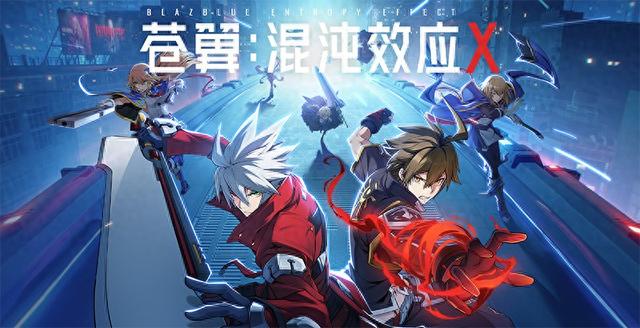
《苍翼:混沌效应》

Search documents
对话《苍翼:混沌效应》制作人:对于中国游戏未来的20年,我充满信心
Guan Cha Zhe Wang· 2026-02-15 07:51
Core Viewpoint - Chengdu Fighting Technology Co., Ltd. (91ACT) has successfully launched the action game "BlazBlue: Chaos Effect" on PC and mobile platforms, achieving over 1 million sales on PC and more than 1.2 million paid users on mobile by March 2025, marking it as a significant success in the domestic gaming industry [1][3]. Game Development and Challenges - "BlazBlue: Chaos Effect" is a derivative work of the 2D fighting game series "BlazBlue" developed by Arc System Works, praised for its quality and ability to attract both original fans and new players [1][3]. - The development team faced significant challenges, including a near-disbandment in February 2024, but through perseverance and player feedback, they managed to revitalize the game and achieve impressive sales [3][4]. - The upcoming release of "BlazBlue: Chaos Effect X" on PlayStation 5, Nintendo Switch, and Xbox Series X|S will include new playable characters, game modes, and a storyline supervised by the original creators [1][3][4]. Future Outlook - The company aims to develop original action game IPs, aspiring to create higher quality and more extreme action games, reflecting confidence in the future of the Chinese gaming industry [4][20]. - The success of "BlazBlue: Chaos Effect" has positioned 91ACT as a model for long-term operation of buyout games, with plans for continuous updates and new content post-launch [3][15]. - The company believes that as Chinese developers mature, they can establish a strong presence in the global buyout game market, similar to the dominance seen in other industrial sectors [20][21].

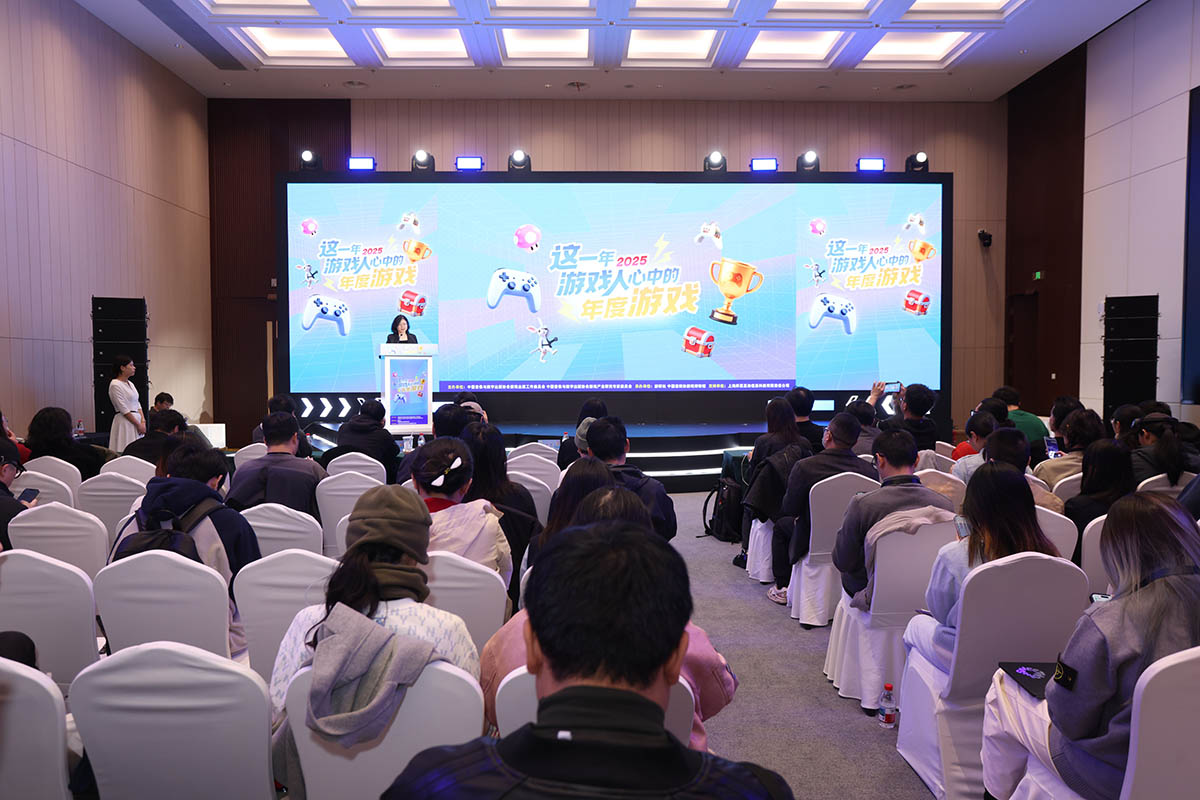
如何创作更高质量的游戏作品?这些中国游戏人这样说
Xin Lang Cai Jing· 2025-12-20 03:36
Core Insights - The gaming industry is recognized as a crucial pillar of the digital economy, serving not only as entertainment but also as a platform for technological innovation and transformation [1] - Chinese game developers are increasingly gaining international recognition, with discussions focusing on the challenges faced by small teams and the differences between AAA and indie game development [2][3] Group 1: Industry Trends - The quality of Chinese games has improved significantly, leading to heightened enthusiasm among domestic players and notable progress in international markets [2] - The independent game sector is experiencing rapid growth, with many new titles being released annually, indicating a doubling trend in the number of indie games [3][5] Group 2: Development Strategies - Small to medium-sized teams are encouraged to leverage existing resources and skills rather than seeking external solutions, emphasizing that completion is more important than perfection [3][6] - Developers are advised to focus on team unity and collective creativity to enhance the chances of success in a highly competitive environment [5][6] Group 3: Long-term Project Insights - Long-term game projects require careful consideration of design choices, with an emphasis on maintaining challenge and depth to enhance player experience [6][8] - Developers should be prepared for the emotional and practical challenges of long-term projects, ensuring that their creative direction aligns with their values and goals [8][9] Group 4: Unique Advantages of Chinese Developers - Chinese developers possess unique advantages in the buyout game market, including a growing base of Chinese-speaking users on platforms like Steam, which is projected to exceed 240 million by 2026 [16][17] - The experience gained from the online gaming era is now being applied to the buyout game sector, with established companies like Tencent and NetEase investing in high-quality projects [17][18] Group 5: Team Dynamics and Innovation - In small teams, members often wear multiple hats, making versatility more critical than specialization, which contrasts with larger studios [10][12] - Continuous innovation and self-iteration are essential for small teams to remain competitive, balancing creativity with resource constraints [15]
HarmonyOS创新赛:用新场景与新体验催生新增长
3 6 Ke· 2025-12-15 14:07
Core Insights - The HarmonyOS Innovation Competition highlights the potential for developers to create and innovate using the HarmonyOS platform, suggesting it is a better choice for future developments [2] - The competition showcases hundreds of innovative results, reflecting the exploration of new application paradigms and growth paths by Chinese developers [2] Group 1: Scene Innovation - The concept of the "fourth space" in smart cockpits is introduced, with HarmonyOS seen as a gateway to the next generation of computing platforms [6] - The CEO of 91Act, Jiang Lei, emphasizes the long-term vision of embracing HarmonyOS as a "career" rather than just a business, highlighting the seamless multi-device experience it offers [8] - Jiang Lei envisions a future where in-car entertainment extends to immersive outdoor interactions, enabled by HarmonyOS's capabilities [9] Group 2: Experience Innovation - BabyBus addresses the challenge of device separation in children's education apps by utilizing HarmonyOS's features to streamline payment processes, significantly improving conversion rates [11] - The integration of HarmonyOS allows for a unified and immersive experience across multiple devices, enhancing the educational journey for children [13] - The development team at BabyBus reports a significant reduction in maintenance costs due to HarmonyOS's distributed capabilities [15] Group 3: Technical Innovation - Migu Video leverages HarmonyOS's edge AI capabilities to offload high-load tasks to user devices, reducing cloud costs and enhancing user privacy [17] - The efficiency of development is dramatically improved, with Migu Video completing in three months what would typically take five years on other platforms [18] Group 4: Efficiency Innovation - The integration of AI in the global minute-level weather service platform, Caiyun Weather, enhances user experience and increases conversion rates through streamlined UI development [20] - The use of HarmonyOS's AI coding assistant improves overall development efficiency by approximately 15% [20] Group 5: Innovation Competition - The 2025 HarmonyOS Innovation Competition signifies the transition of the Harmony ecosystem from its initial phase to a period of value realization, with a focus on creating the next generation of commercial entry points [29] - Developers express confidence in the profitability of using HarmonyOS, citing lower costs and higher gross margins compared to other platforms [24]

HarmonyOS创新赛:用新场景与新体验催生新增长
36氪· 2025-12-15 13:42
Core Viewpoint - The HarmonyOS Innovation Competition highlights the potential for developers to create and innovate using the HarmonyOS platform, suggesting it as a better choice for future growth and opportunities in the tech landscape [3]. Group 1: Scene Innovation - In the era of stock markets, finding new growth often requires opening new physical spaces, with HarmonyOS serving as a gateway to next-generation computing platforms like smart cockpits [5]. - The seamless flow of experiences across multiple devices enabled by HarmonyOS is expected to create a new interactive entertainment experience that traditional operating systems cannot achieve [7]. - Smart cockpits are emerging as a new traffic hub, with the potential for HarmonyOS to become a dominant operating system, crucial for breaking through the ecosystem [8]. Group 2: Experience Innovation - BabyBus addresses a common pain point in children's education apps by utilizing HarmonyOS's multi-device capabilities to streamline payment processes, significantly improving conversion rates [10]. - HarmonyOS's distributed capabilities allow for a seamless experience across various devices, enhancing the educational and entertainment experience for children [12]. - The transition to a "no-app" interaction model through service cards and intent frameworks allows for a more intuitive user experience, particularly for children [14]. Group 3: Technical Innovation - The cost of computing power is a significant concern for video streaming platforms, and HarmonyOS's edge AI capabilities help mitigate these costs by offloading heavy tasks to user devices [18]. - The efficiency of development on HarmonyOS is remarkable, with teams completing in three months what would typically take years on other platforms, thanks to its unified development framework [20]. - The integration of AI tools in development processes has led to a 15% increase in overall efficiency, allowing smaller teams to achieve high-quality results [22]. Group 4: Efficiency Innovation - The integration of AI with weather services has revealed high commercial value among HarmonyOS users, prompting rapid development to capture this market [22]. - The use of HarmonyOS has significantly reduced the code required for UI design, enhancing development speed and efficiency [22]. - The user experience is improved through features like one-click login, which has a higher success rate than average market levels, boosting product engagement [22]. Group 5: Innovation Competition - The 2025 HarmonyOS Innovation Competition showcases the vibrant ecosystem of developers, emphasizing the importance of collaboration and innovation in creating the next generation of commercial entry points [27]. - The competition has demonstrated that developers can achieve significant growth and success by leveraging the capabilities of HarmonyOS, with many expressing confidence in the platform's potential [28]. - The event marks a transition for the HarmonyOS ecosystem from its initial phase to a period of value realization, indicating a robust future for the platform [33].