
全场景覆盖

Search documents
智能家居2026:停止“概念竞赛”,应用场景向户外延伸
2 1 Shi Ji Jing Ji Bao Dao· 2026-01-13 10:22
Core Viewpoint - In 2026, the Chinese smart home industry is transitioning to high-quality development, focusing on pragmatic innovation and ecological collaboration, moving away from mere concept hype to real-world problem-solving and full-scene applications [1][4]. Industry Trends - The global smart home industry has entered a mature development phase characterized by "pragmatic innovation + ecological collaboration," with a shift from product price competition to technology standard authority and local ecological integration [1]. - At CES, over a thousand Chinese companies showcased products that extend beyond traditional core areas like living rooms and kitchens to include outdoor spaces such as courtyards and swimming pools, emphasizing "pragmatic innovation, ecological collaboration, and green low-carbon" features [2]. Full-Scene Innovation - The industry has shifted from a "concept competition" mindset to a focus on real user needs, with Chinese companies prioritizing practical solutions in their product designs [4]. - Innovations in core living room products, such as Hisense's 110-inch Mini LED TV and TCL's 115-inch giant screen TV, address installation challenges and enhance user experience through optimized designs [4]. Globalization and Market Strategy - Chinese smart home companies are moving beyond simple product exports to compete in high-end technology sectors, leveraging core technological breakthroughs to capture market share [6]. - Hisense has solidified its global leadership in the 100-inch and above TV market, showcasing advanced technologies that outperform competitors in brightness and color accuracy [6]. Policy and Compliance - The high-quality development of the smart home industry is supported by domestic policies that stimulate demand and promote technological innovation, while international regulations push for sustainable practices [9]. - Policies such as the equipment update and trade-in programs are crucial for activating domestic demand and driving industry upgrades, with smart home products included in subsidy programs [9]. Standardization and Interoperability - The establishment of a unified standard system is a key focus of policy efforts, facilitating Chinese companies' participation in global competition and enhancing product compatibility [9][10]. - At CES, products from companies like Hisense, TCL, and Ugreen demonstrated support for major protocols like Matter and OLA, improving user experience and reducing development costs [10].


HarmonyOS创新赛:用新场景与新体验催生新增长
36氪· 2025-12-15 13:42
Core Viewpoint - The HarmonyOS Innovation Competition highlights the potential for developers to create and innovate using the HarmonyOS platform, suggesting it as a better choice for future growth and opportunities in the tech landscape [3]. Group 1: Scene Innovation - In the era of stock markets, finding new growth often requires opening new physical spaces, with HarmonyOS serving as a gateway to next-generation computing platforms like smart cockpits [5]. - The seamless flow of experiences across multiple devices enabled by HarmonyOS is expected to create a new interactive entertainment experience that traditional operating systems cannot achieve [7]. - Smart cockpits are emerging as a new traffic hub, with the potential for HarmonyOS to become a dominant operating system, crucial for breaking through the ecosystem [8]. Group 2: Experience Innovation - BabyBus addresses a common pain point in children's education apps by utilizing HarmonyOS's multi-device capabilities to streamline payment processes, significantly improving conversion rates [10]. - HarmonyOS's distributed capabilities allow for a seamless experience across various devices, enhancing the educational and entertainment experience for children [12]. - The transition to a "no-app" interaction model through service cards and intent frameworks allows for a more intuitive user experience, particularly for children [14]. Group 3: Technical Innovation - The cost of computing power is a significant concern for video streaming platforms, and HarmonyOS's edge AI capabilities help mitigate these costs by offloading heavy tasks to user devices [18]. - The efficiency of development on HarmonyOS is remarkable, with teams completing in three months what would typically take years on other platforms, thanks to its unified development framework [20]. - The integration of AI tools in development processes has led to a 15% increase in overall efficiency, allowing smaller teams to achieve high-quality results [22]. Group 4: Efficiency Innovation - The integration of AI with weather services has revealed high commercial value among HarmonyOS users, prompting rapid development to capture this market [22]. - The use of HarmonyOS has significantly reduced the code required for UI design, enhancing development speed and efficiency [22]. - The user experience is improved through features like one-click login, which has a higher success rate than average market levels, boosting product engagement [22]. Group 5: Innovation Competition - The 2025 HarmonyOS Innovation Competition showcases the vibrant ecosystem of developers, emphasizing the importance of collaboration and innovation in creating the next generation of commercial entry points [27]. - The competition has demonstrated that developers can achieve significant growth and success by leveraging the capabilities of HarmonyOS, with many expressing confidence in the platform's potential [28]. - The event marks a transition for the HarmonyOS ecosystem from its initial phase to a period of value realization, indicating a robust future for the platform [33].

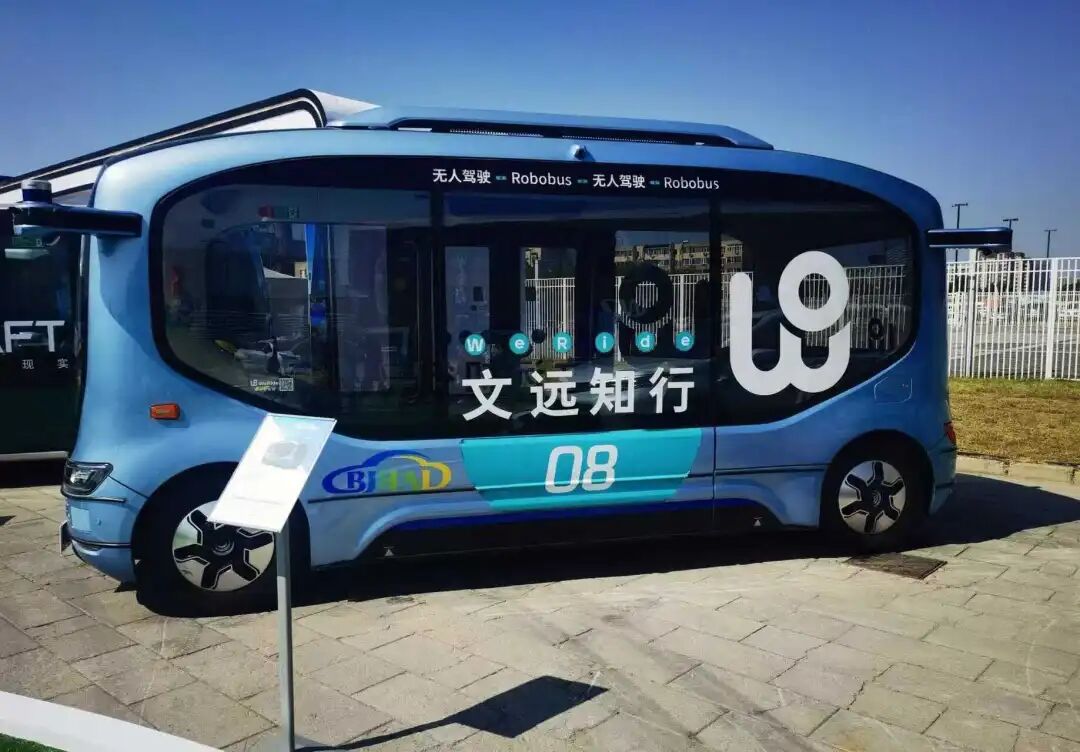
小马智行VS文远知行,Robotaxi对决走向“价值创造”
3 6 Ke· 2025-11-24 03:51
Core Viewpoint - The competition between Pony.ai and WeRide in the Robotaxi sector represents a critical survival and future-oriented battle in the context of a capital bubble and a "burning money for growth" cycle in the autonomous driving industry [1][22]. Group 1: Technical Approaches - Pony.ai, led by Peng Jun, focuses on safety redundancy, employing over 20 safety systems including LiDAR, cameras, and millimeter-wave radar, to ensure reliability in extreme weather conditions [1][2][4]. - WeRide, under Han Xu, aims for full-scene coverage with a unified algorithm that spans various autonomous driving applications, enhancing cost efficiency through data feedback from multiple scenarios [4][6]. - Both companies face the challenge of addressing the "long-tail problem" in autonomous driving, which involves rare but severe scenarios [5][10]. Group 2: Commercialization Strategies - Pony.ai adopts a strategy of "concentration," focusing resources on Robotaxi services in major Chinese cities, aiming for scale to reduce unit costs and enhance user trust [7][9]. - WeRide employs a "diversification" strategy, covering multiple scenarios and markets globally, which helps mitigate risks associated with any single business line [9][10]. - The financial performance of both companies indicates differing paths to profitability, with Pony.ai targeting breakeven for individual vehicles by late 2025 or early 2026, while WeRide seeks to leverage global expansion to offset domestic market risks [10][19]. Group 3: Capital Strategies - Pony.ai's capital strategy involves a dual listing approach, securing funding from both the US and Hong Kong markets to stabilize its financial base and enhance liquidity [13][19]. - WeRide's strategy focuses on leveraging capital investments and partnerships with global players like Uber and Grab to accelerate market entry and resource acquisition [15][16][19]. - The competition between Pony.ai's "safety card" and WeRide's "leverage strategy" reflects broader trends in the autonomous driving sector, where building trust and proving growth potential are crucial [18][20]. Group 4: Industry Implications - The rivalry between Pony.ai and WeRide signifies a pivotal moment for China's autonomous driving industry, transitioning from experimental phases to commercial viability and value creation [21][22]. - The outcome of this competition will not only determine the future of these companies but also shape the landscape of the autonomous driving market in China and beyond [22].
对话妙可蓝多CEO柴琇:“万物皆可酪”,目标是全人群、全场景覆盖
Xin Lang Cai Jing· 2025-09-13 04:41
Core Insights - The Chinese cheese market is entering a rapid growth phase, with a projected market size of 100 billion yuan accelerating towards realization [1][2] - The company, Miaokelando, aims to leverage innovation as a driving force and adopt a dual "to B to C" strategy to cover all demographics and scenarios [1] Industry Development - The shift in consumer focus towards cheese is attributed to consumption upgrades, advancements in domestic breeding technology, competitive milk prices, and increased participation from dairy companies [2] - The company predicts that the cheese market will expand due to the transition from milk powder to liquid milk and yogurt, now moving towards cheese [2] Company Strategy - Miaokelando is focusing on breaking the stereotype of cheese as merely a children's snack by introducing products for various age groups, including functional products for children and innovative combinations for young adults [1] - The company is actively pursuing a dual-channel strategy, with a significant growth rate of over 30% in the food service channel, addressing the needs of major international chains and local dining innovations [1] Competitive Landscape - The company opposes price wars, emphasizing that such strategies harm both businesses and consumers, and advocates for value creation and innovation to address competition [2] - Miaokelando is investing over 50 million yuan annually in R&D to ensure product quality and develop unique flavors [2] Supply Chain and Cost Management - The company is developing two core strategies: extreme quality through significant R&D investment and extreme cost management via centralized procurement and supply chain collaboration [2] - The company maintains a commitment to not exploit suppliers, compromise product quality, or diminish employee benefits [2] International Expansion - The company views international expansion as an inevitable path, currently exporting cheese products to regions like Saudi Arabia and Southeast Asia [2] - There are plans to explore overseas mergers, acquisitions, or technology partnerships to bring foreign technologies to China and promote Chinese products abroad [2]


华为HarmonyOS 5终端设备突破1400万
Jing Ji Guan Cha Wang· 2025-09-04 08:30
Core Insights - Huawei has officially announced that the number of devices equipped with the latest HarmonyOS 5 has surpassed 14 million, marking a significant milestone in the expansion of its self-controlled Harmony ecosystem [1] - Since its commercial launch in June this year, the activation of HarmonyOS 5 devices has shown exponential growth, crossing the 10 million mark within just three months [1] - This achievement not only demonstrates the strong adaptability of the Harmony system across various scenarios such as smartphones, tablets, and smart wearables but also reflects Huawei's strategic foresight in the field of operating systems, focusing on "full scene coverage and cross-device collaboration" [1]