一次性杯子

Search documents
新春走基层|新业点燃希望,共筑乡村新图景
Xin Lang Cai Jing· 2026-02-16 14:06
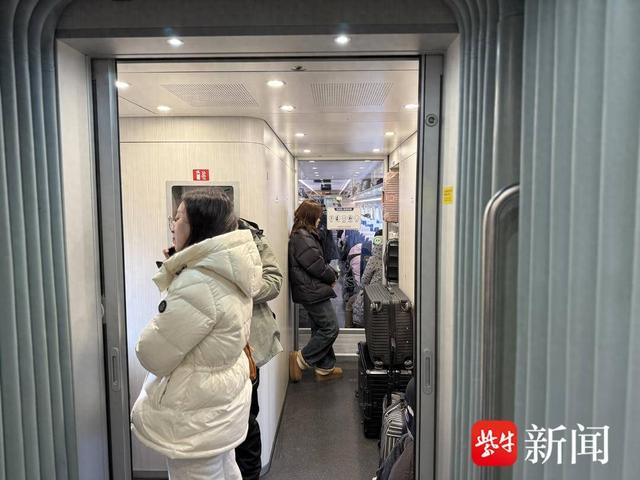
Core Insights - The article highlights the experiences of a person named Jiang Zhengze, who successfully secured a train ticket to return home for the New Year after a two-week wait, showcasing the demand for travel during the holiday season [1]. Group 1: Transportation and Travel - The high-speed train, known as the Fuxing, operates at a speed of 340 km/h, significantly reducing travel time between cities, such as the 1 hour and 14 minutes from Nanjing to Xuzhou, enhancing convenience for travelers [3]. - Jiang Zhengze's journey reflects the increasing efficiency of transportation infrastructure, which facilitates the movement of people during peak travel times, particularly around the New Year [3]. Group 2: Local Economy and Entrepreneurship - Jiang Zhengze's sister has transitioned from working outside to starting her own online store in her hometown, leveraging the local glass bottle industry, indicating a shift towards entrepreneurship in rural areas [3]. - The sister's business, although not generating a high volume of orders, provides a sense of security compared to previous employment, highlighting the growing trend of local entrepreneurship [3]. - The article mentions the presence of local vendors and the vibrant market scene in the village, reflecting a thriving local economy supported by both traditional and modern retail practices [5]. Group 3: E-commerce and Delivery Services - The article illustrates the rise of e-commerce in rural areas, with a local delivery person, Zheng Huan, utilizing platforms like "Duoduo Buy Vegetables" to facilitate grocery deliveries, indicating a growing acceptance of online shopping among villagers [7]. - Zheng Huan's business has seen increased activity during the holiday season, with over 100 orders and a revenue of more than 1,200 yuan in a single day, showcasing the potential for e-commerce growth in rural markets [7]. - The expansion of delivery services and online shopping reflects broader changes in consumer behavior and the adaptation of rural communities to new economic opportunities [7].

某品牌一次性杯子有害物残留量超标3倍
Xin Lang Cai Jing· 2026-02-04 17:28
一次性杯子轻便又卫生,不管是在街边小店来杯冰饮,还是在办公室泡杯热茶,亦或是在聚会上举杯畅 饮,它随时待命,妥妥的"万能小搭子"。同时,为了应对大量使用带来资源和环境压力,一次性杯子也 在悄悄"升级",从早期难降解的塑料杯,到工艺多样的纸质杯,再到如今用植物材料制作、能生物降解 的"环保尖子生",进步肉眼可见。不过当前市面上一次性杯子也存在种类繁多、使用性能参差不齐、打 着环保旗号"浑水摸鱼"等问题。到底哪些杯子可以闭眼入?一起来蹲上海市消保委的评测结果! 本次评测在电商平台及大型商超购买了40款一次性杯子,涵盖了常见的一次性塑料杯、一次性纸杯以及 部分宣称为植物原料的杯子。具体分类见表1。 | 5 | PEI 塑料 外 | 1 | | U.Z3 | | --- | --- | --- | --- | --- | | 4 | PLA 塑料杯 | 5 | | 0.24 - 0.70 | | 5 | PE 淋膜纸杯 | 7 | | 0.10 - 0.37 | | 6 | PLA 淋膜纸 杯 | 5 | | 0.12 - 0.38 | | 7 | 涂层纸杯 | 3 | | 0.21 - 0.48 | | 序号 | ...

关于“垃圾不够烧”的真相
Hu Xiu· 2025-09-02 01:57
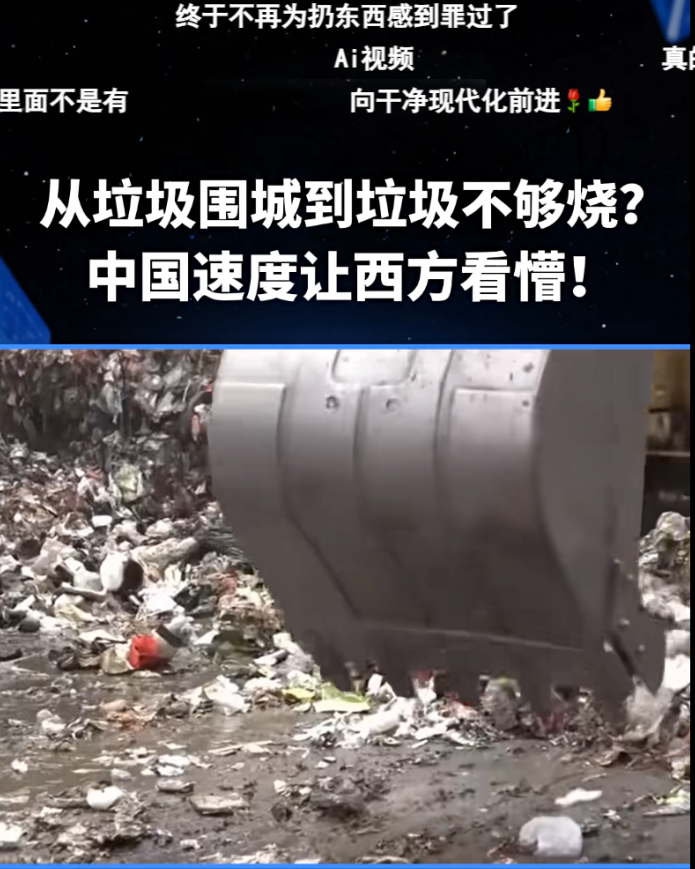
Group 1 - The article discusses the viral video claiming that China has a shortage of garbage for incineration, which has led to public excitement about producing more waste without guilt [1][7][11] - As of 2023, China has built over 1,000 waste incineration power plants, with a total incineration capacity exceeding that of the US, Japan, and Europe combined [20][11] - The public's perception of waste management is influenced by the efficiency and profitability of incineration, leading to misconceptions about the role of waste sorting and recycling [7][8][9] Group 2 - The current waste generation in major cities like Beijing and Shanghai is significantly high, with estimates of over 200 kg and 290 kg per person per year, respectively [11][12] - The overcapacity of incineration plants is a result of insufficient landfill space, prompting the construction of more incineration facilities [14][12] - The article emphasizes that incineration is not a comprehensive solution to waste management, as it generates greenhouse gases and does not address the root causes of waste production [22][47] Group 3 - Concerns about dioxin emissions from incineration are raised, highlighting that while technology has improved, monitoring and regulation are still inadequate [15][16][17] - The article points out that the current monitoring practices for dioxin emissions are not as frequent or effective as necessary, leading to potential environmental and health risks [16][18] - The discussion includes the need for stricter regulations and better management of waste incineration to ensure public health and environmental safety [18][47] Group 4 - The article advocates for a shift from incineration to waste reduction and recycling, emphasizing the importance of source reduction in waste management strategies [55][57] - It highlights the role of individuals and businesses in reducing waste, suggesting practices like reusing materials and minimizing single-use plastics [55][57] - The need for systemic changes in waste management policies and practices is emphasized, including higher costs for waste production to reflect the true social costs [48][54]