零废弃

Search documents
舟山青浜岛试点循环杯 海岛旅游开启一次性塑料替代尝试
Xin Lang Cai Jing· 2026-02-03 03:17
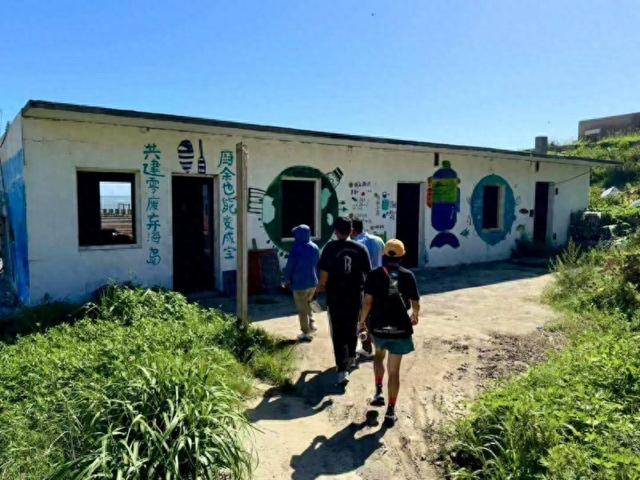
Core Insights - The article discusses the implementation of a reusable cup project on Qinhai Island, aimed at reducing single-use plastic consumption in a tourist-heavy area, highlighting the environmental challenges posed by plastic waste [1][5][9] Group 1: Project Overview - The reusable cup project was initiated in September 2025, targeting the high volume of plastic waste generated by tourists, particularly from beverage cups and packaging [1][5] - Qinhai Island, known for its ecological sensitivity and high visitor numbers, serves as a testing ground for innovative waste reduction strategies [5][9] Group 2: System and Operation - Unlike traditional reusable cups, the project operates on a closed-loop system where cups are owned by the system and borrowed by consumers, promoting a shift from individual ownership [5][9] - The project has been piloted in various locations, including Guangzhou and Hong Kong, focusing on semi-closed environments like events and campuses to establish a recycling and tracking system [5][9] Group 3: Environmental Impact and Cost Efficiency - A 473ml PP reusable cup must be used at least 11 times to achieve lower carbon emissions than a single-use paper cup, demonstrating the environmental benefits of the reusable model [8] - Research indicates that reusable containers can reduce carbon emissions by approximately 70% and lower economic costs by 15% compared to single-use options [8][9] Group 4: Acceptance and Participation - The pilot program achieved a 97% return rate for the reusable cups within the first month, indicating strong acceptance among tourists in the closed island environment [9][12] - The project employs a "borrow in-store, return at multiple points" model, with 27 local accommodations participating in the cup return process, enhancing community involvement [9][12] Group 5: Consumer Feedback and Future Directions - Consumer feedback has been largely positive, with many expressing trust in the sanitation processes, although some challenges remain in communication and awareness [12][13] - To expand the project beyond the pilot phase, diverse policy tools and cross-industry collaboration are necessary to enhance the competitiveness of the reusable model against single-use products [13]

城市废弃物,如何从“负担”变“资源”?
Xin Lang Cai Jing· 2026-01-20 19:55
Core Insights - The article highlights the transformation of waste management in Qingdao, where waste is being repurposed into valuable resources through various innovative methods, contributing to green development and sustainability [1] Group 1: Community Initiatives - The "Zero Waste Community" initiative in Qingdao has gained recognition, with 11 neighborhoods participating in a project that showcases effective waste management practices, contributing to the upcoming COP30 conference [2] - Community engagement is crucial, as residents actively participate in waste sorting and composting, leading to the establishment of a closed-loop system for organic waste [3] Group 2: Smart Recycling - Qingdao has implemented smart recycling machines in 2,276 neighborhoods, significantly improving the collection and recycling of waste materials, thus enhancing community participation [4][5] - The smart recycling model has led to a 10% reduction in household waste in the Liqing District, saving approximately 5.57 million yuan annually in transportation and environmental compensation costs [6] Group 3: Waste-to-Energy Solutions - Qingdao has transitioned to a waste-to-energy model, achieving zero landfill for primary waste since 2020, with seven incineration plants generating 1.32 billion kilowatt-hours of electricity annually, enough to power nearly 600,000 households [7] - The former landfill site has been transformed into an eco-friendly park, demonstrating the potential for repurposing waste management facilities into community resources [8]
会展激活流量:成都上演席卷全城的“价值风暴”
Zhong Guo Jing Ji Wang· 2025-11-13 23:36
Core Insights - Chengdu is experiencing a transformation in its exhibition economy, evolving from traditional models to a more integrated approach that drives industry and consumption [1][2] Group 1: Exhibition Industry Evolution - The concept of "exhibition-industry integration" in Chengdu represents a shift from "physical stacking" to "chemical fusion," focusing on creating an innovative ecosystem through the connection of upstream and downstream resources [2] - By 2025, Chengdu is expected to host over 1,000 exhibitions, covering a total area of approximately 13.5 million square meters, showcasing a comprehensive exhibition matrix across various sectors [2] - The total revenue from Chengdu's exhibition industry is projected to reach 153.61 billion yuan in 2024, with direct income of 15.83 billion yuan and an additional 137.78 billion yuan generated through related activities [2] Group 2: Economic Impact and Consumer Engagement - The 112th National Sugar and Wine Fair achieved a total exhibition area of 750,000 square meters, generating 11.45 billion yuan in revenue for the city's service industry, highlighting the event's role as a catalyst for industrial development [3] - Chengdu's exhibitions are evolving from mere showcases to becoming integral parts of the industrial ecosystem, enhancing consumer engagement and driving local economic growth [3][4] - The integration of various sectors during events, such as the Chengdu International Auto Show, has led to significant increases in consumer activity, with total contracts amounting to 5.753 billion yuan and a boost of 2.12 billion yuan to the city's service sector [5] Group 3: Digital Transformation and Sustainability - Chengdu is undergoing a digital transformation in its service offerings, moving from a standardized support system to an ecosystem that actively empowers industrial innovation [6] - The introduction of digital twin exhibition halls and AI algorithms for precise matching between exhibitors and attendees reflects Chengdu's commitment to creating a sustainable and efficient exhibition environment [6] Group 4: Future Directions and Urban Integration - The future of Chengdu's exhibition industry lies in establishing long-term governance mechanisms that align exhibition goals with industrial positioning, thereby making exhibitions a key interface for urban development [7] - The importance of enhancing international participation in Chengdu's exhibitions is emphasized, aiming to attract more international exhibitors and professional buyers to broaden the city's exhibition landscape [7]
关于“垃圾不够烧”的真相
Hu Xiu· 2025-09-02 01:57
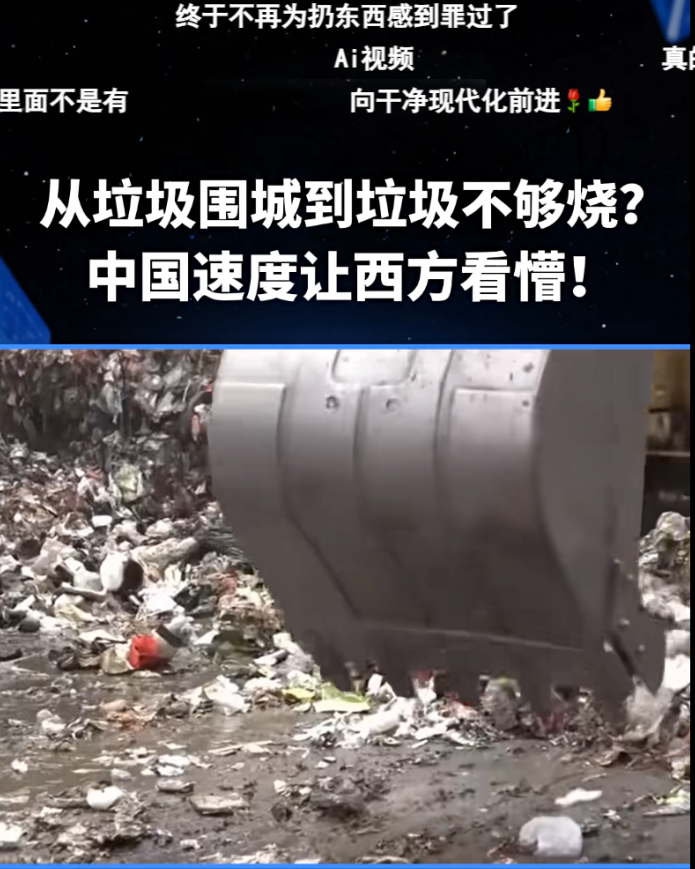
Group 1 - The article discusses the viral video claiming that China has a shortage of garbage for incineration, which has led to public excitement about producing more waste without guilt [1][7][11] - As of 2023, China has built over 1,000 waste incineration power plants, with a total incineration capacity exceeding that of the US, Japan, and Europe combined [20][11] - The public's perception of waste management is influenced by the efficiency and profitability of incineration, leading to misconceptions about the role of waste sorting and recycling [7][8][9] Group 2 - The current waste generation in major cities like Beijing and Shanghai is significantly high, with estimates of over 200 kg and 290 kg per person per year, respectively [11][12] - The overcapacity of incineration plants is a result of insufficient landfill space, prompting the construction of more incineration facilities [14][12] - The article emphasizes that incineration is not a comprehensive solution to waste management, as it generates greenhouse gases and does not address the root causes of waste production [22][47] Group 3 - Concerns about dioxin emissions from incineration are raised, highlighting that while technology has improved, monitoring and regulation are still inadequate [15][16][17] - The article points out that the current monitoring practices for dioxin emissions are not as frequent or effective as necessary, leading to potential environmental and health risks [16][18] - The discussion includes the need for stricter regulations and better management of waste incineration to ensure public health and environmental safety [18][47] Group 4 - The article advocates for a shift from incineration to waste reduction and recycling, emphasizing the importance of source reduction in waste management strategies [55][57] - It highlights the role of individuals and businesses in reducing waste, suggesting practices like reusing materials and minimizing single-use plastics [55][57] - The need for systemic changes in waste management policies and practices is emphasized, including higher costs for waste production to reflect the true social costs [48][54]
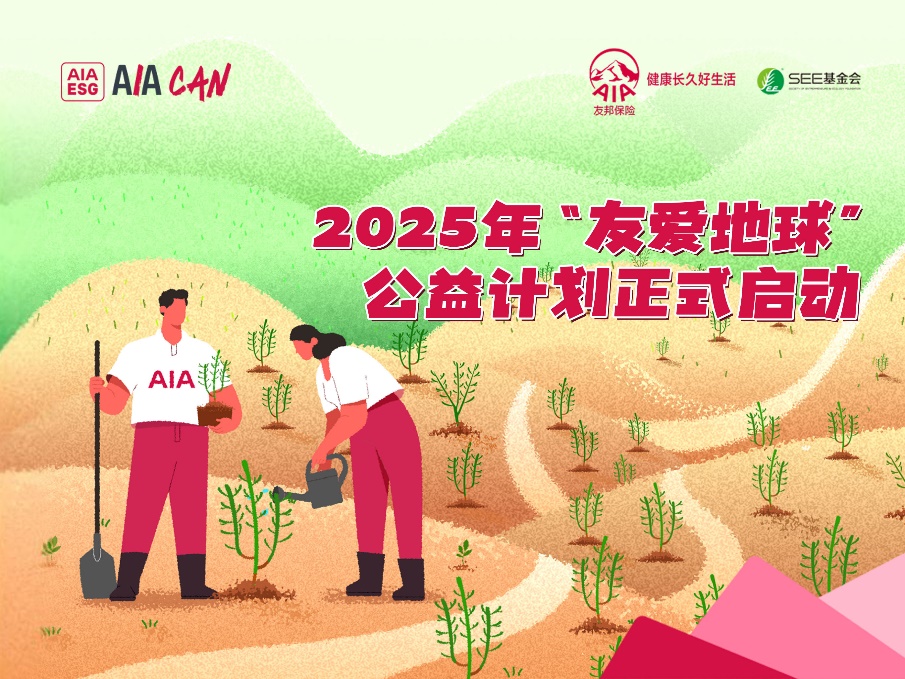
友邦人寿携手SEE基金会启动2025年“友爱地球”公益计划 聚焦“零废弃”,共筑绿色未来
Cai Jing Wang· 2025-06-05 02:47
Core Viewpoint - AIA Life Insurance officially launched the "Love the Earth" public welfare program on World Environment Day, aiming to promote a green lifestyle and contribute to carbon reduction goals in alignment with national green development initiatives [1][3]. Group 1: Program Details - The "Love the Earth" program focuses on the "zero waste" concept and collaborates with the SEE Foundation to conduct various activities, encouraging public participation through both online and offline channels [3]. - Participants can choose electronic communications to reduce paper consumption and engage in zero waste actions such as community garden projects and litter picking [3]. - AIA Life Insurance will donate in the name of participants to the "One Million Tamarisk" project, establishing the "AIA Public Welfare Forest" in Inner Mongolia, where each tamarisk tree can sequester approximately 17,900 grams of carbon [3]. Group 2: Corporate Commitment - The CFO of AIA Life Insurance emphasized the integration of ESG principles into the company's strategic planning and operations, highlighting the ongoing "AIA CAN" environmental project aimed at fostering a unique green culture [3][4]. - The "Love the Earth" program aligns with the national "dual carbon" strategy, contributing to carbon peak and neutrality goals while adhering to green finance guidelines [3][4]. - AIA Life Insurance has made significant strides in green finance, achieving nearly 100% online application rates for new policies and 98% for claims, thereby reducing environmental impact [4]. Group 3: Future Aspirations - AIA Life Insurance plans to continue advancing the "Love the Earth" program with innovative initiatives to encourage public engagement in environmental actions [6]. - The company aims to collaborate with more partners to promote environmental protection and contribute to global sustainable development goals [6].