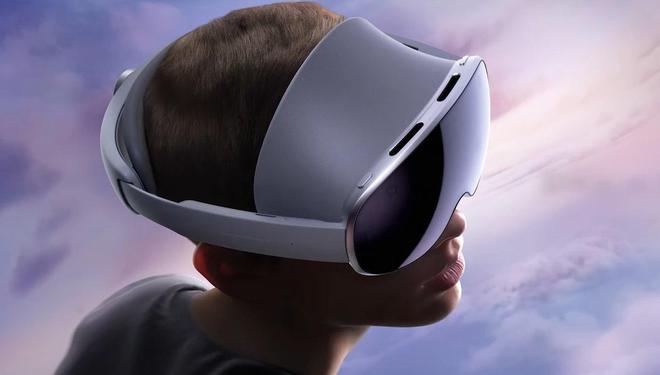
三星Galaxy XR头显

Search documents
2025 年度全球XR行业十大重磅事件
Xin Lang Cai Jing· 2025-12-31 16:03
Core Insights - 2025 is identified as a milestone year for the XR industry, marking significant advancements in technology and product development [1][3][33] - The year is characterized by a chemical reaction between "spatial computing" and "AI glasses," leading to transformative changes in the industry [3][35] Group 1: Major Events in XR Industry - Rokid's AI glasses gained significant media attention in February 2025, with over 1 billion views on Douyin, enhancing brand visibility and attracting investors [6][36][38] - The launch of RayNeo X3 Pro AR glasses in May 2025 showcased advanced Micro-LED technology, achieving a 50% improvement in light efficiency and peak brightness of 6000 nits [7][39][41] - Google re-entered the XR space in 2025, unveiling the Android XR ecosystem and collaborating with Samsung and XREAL on new XR devices [9][42][46] Group 2: Product Launches and Innovations - Xiaomi introduced its first AI shooting glasses in June 2025, featuring a 12MP camera and various color options, marking a significant entry of traditional smartphone manufacturers into the AI glasses market [10][46][48] - Meta invested $3.5 billion in EssilorLuxottica in July 2025, acquiring nearly 3% of the company, and has plans to increase its stake [11][49][50] - Vivo launched its first MR spatial computing device, Vivo Vision, in August 2025, emphasizing its role in the development of robotics and human-computer interaction [12][52] Group 3: Technological Advancements - Meta Ray-Ban Display was released in September 2025, featuring a display optical scheme with a resolution of 600x600 pixels and peak brightness of 5000 nits [13][52][53] - Apple launched the M5 chip version of Apple Vision Pro in October 2025, enhancing processing power by nearly 50% and supporting a 120Hz refresh rate [14][56][58] - ByteDance announced plans for a new high-end MR headset to be released in 2026, focusing on self-developed chips to address latency and distortion issues [15][60] Group 4: New Entrants and Market Dynamics - Alibaba entered the AI glasses market in November 2025 with the launch of Quark AI glasses, integrating various AI functionalities and marking its strategic move into the physical world [16][61][63]





Google眼镜杀回来了!最强AI上头,两大潮牌站台,还有一款中国造
36氪· 2025-12-09 13:35
Core Viewpoint - Google is re-entering the smart glasses market with a new strategy focused on Android XR and AI capabilities, aiming to create a robust ecosystem for XR devices and applications [4][47]. Group 1: Android XR Overview - Android XR is a new system designed for XR devices, compatible with most applications from the Google Play Store, providing a comprehensive platform for developers and manufacturers [12][15]. - The system is expected to attract more third-party manufacturers, expanding the XR ecosystem and increasing the production of applications and content [17][49]. - Google has partnered with various companies, including Samsung and XREAL, to develop Android XR, which is seen as a more open and appealing platform compared to competitors like Meta and Apple [44][47]. Group 2: Product Launches - Google introduced several XR devices, including Project Aura, a wired XR glasses product that offers dual-eye XR effects in a lightweight form, suitable for outdoor use [21][30]. - Two additional wireless glasses were announced, focusing on fashion and everyday wear, with one being an AI glasses model without a display and the other featuring a single AR display for basic notifications [33][40]. - The new products are set to launch in 2024, with Google emphasizing the importance of user experience and privacy features [31][39]. Group 3: Market Position and Future Outlook - Google aims to learn from past experiences with Google Glass, focusing on a more structured approach to product development and market entry [47][51]. - The company is optimistic about the growth potential of the XR market, leveraging its existing app ecosystem and AI capabilities to create unique use cases for smart glasses [49][54]. - Future developments will include a wireless dual-eye XR glasses product, which is expected to be a significant upgrade but will not be available until 2027 [46].

谷歌首款搭载Gemini的AI眼镜将于2026年推出
Zheng Quan Shi Bao Wang· 2025-12-09 00:50
Core Viewpoint - Google is developing two types of AI glasses, one with a display and another focused on audio functionality, with the first model expected to launch in 2026 [1] Group 1: Product Development - The first AI glasses will be co-developed with partners including Samsung Electronics, Warby Parker, and Gentle Monster, although final design proposals have not yet been revealed [1] - Google is collaborating with Chinese AR company Xreal on an independent glasses project called "Project Aura," which will operate on the same Android XR system and will not require a smartphone, but will need an external battery [1] Group 2: Software Upgrades - Google announced several software upgrades for the Samsung Galaxy XR headset, including a "travel mode" that allows the mixed reality device to function properly in mobile environments such as cars or airplanes [1]
3C设备周观点:三星Galaxy XR头显正式发布,阿里夸克AI眼镜开启预售:机械设备强于大市(维持评级)-20251026
Huafu Securities· 2025-10-26 10:38
Investment Rating - The industry rating is "Outperform the Market" [6][14] Core Insights - Samsung has officially launched its first native AI headset, the Galaxy XR, marking its entry into the extended reality (XR) field. This product is the first in the Android XR ecosystem and signifies a long-term collaboration between Samsung, Google, and Qualcomm, aiming to integrate AI technology into immersive computing [1] - Alibaba's Quark AI glasses have begun pre-sales, featuring a sleek black design and integration with various applications such as Amap, Alipay, Taobao, and Fliggy. Future plans include opening API interfaces to attract more developers [2] - Meta's smart glasses, Ray-Ban Display, have seen strong market demand, with nearly all retail locations sold out and trial appointments fully booked before November. Apple is reportedly developing competitive AI glasses, with plans to preview them in 2025 and release them in 2027, accelerating the timeline for a screen-equipped version originally set for 2028 [3] Summary by Sections - **Smart Glasses Market**: The report highlights the active participation of major players like Samsung, Alibaba, Meta, and Apple in the smart glasses market, indicating a growing trend and competition in this sector [1][2][3] - **Investment Opportunities**: The report suggests focusing on companies involved in smart glasses (e.g., Quick Smart, Deep Science, Rongqi Technology, Bozhong Precision), silicon-based OLED screens (e.g., Yirui Technology, Qingyue Technology), panel equipment (e.g., Liande Equipment), automation assembly equipment (e.g., Bozhong Precision), and 3D printing applications (e.g., Huashu High-Tech) [4]
3C设备周观点:三星Galaxy XR头显正式发布,阿里夸克AI眼镜开启预售:机械设备-20251026
Huafu Securities· 2025-10-26 09:50
Investment Rating - The industry rating is "Outperform the Market" [6][14] Core Insights - Samsung has officially launched its first native AI headset, the Galaxy XR, marking its entry into the extended reality (XR) field. This product is part of a long-term collaboration with Google and Qualcomm, aiming to integrate AI technology into immersive computing [1] - Alibaba's Quark AI glasses have begun pre-sales, featuring applications from various platforms and plans to open API interfaces for developers [2] - Meta's smart glasses have seen strong market demand, with nearly all retail locations sold out and trial appointments fully booked [3] - Apple is reportedly prioritizing the development of AI glasses to compete with Meta, with plans to preview the first model in 2025 and release it in 2027 [3] Summary by Sections - **Smart Glasses Market**: The report highlights the active participation of major players like Samsung, Alibaba, Meta, and Apple in the smart glasses market, indicating a growing trend and competition [1][2][3] - **Product Launches**: New products such as Samsung's Galaxy XR and Alibaba's Quark AI glasses are set to enhance the XR ecosystem and attract developer interest [1][2] - **Market Dynamics**: The report notes the competitive landscape, with significant advancements from companies like Meta and Apple, suggesting a robust future for the smart glasses segment [3] - **Investment Opportunities**: The report suggests focusing on companies involved in smart glasses, silicon-based OLED screens, panel equipment, automation assembly, and 3D printing applications [4]
3C设备周观点:三星Galaxy XR头显正式发布,阿里夸克AI眼镜开启预售-20251026
Huafu Securities· 2025-10-26 06:03
Investment Rating - The industry rating is "Outperform the Market" [6][13] Core Insights - Samsung has officially launched its first native AI headset, the Galaxy XR, marking its entry into the extended reality (XR) field. This product is the first in the Android XR ecosystem and signifies a long-term collaboration between Samsung, Google, and Qualcomm, aiming to deeply integrate AI technology into immersive computing [1] - Alibaba's Quark AI glasses have begun pre-sales, featuring a sleek black design and integration with various applications such as Amap, Alipay, Taobao, and Fliggy. Future plans include opening API interfaces to attract more developers [2] - Meta's smart glasses, Ray-Ban Display, have seen strong market demand, with nearly all retail locations sold out and trial appointments fully booked before November [3] - Apple is reportedly prioritizing the development of AI glasses to compete with Meta, with plans to preview the first model in 2025 and release it in 2027, while an originally planned display version has been accelerated [3] Summary by Sections - **Smart Glasses Market**: The report highlights the active participation of major players like Samsung, Alibaba, Meta, and Apple in the smart glasses market, indicating a growing trend and competition in this sector [1][2][3] - **Product Launches**: New products such as Samsung's Galaxy XR and Alibaba's Quark AI glasses are set to enhance the XR ecosystem and attract consumer interest [1][2] - **Market Dynamics**: The report suggests a robust demand for smart glasses, with significant sales and pre-orders indicating a positive market outlook [3] - **Investment Opportunities**: The report recommends focusing on companies involved in smart glasses, silicon-based OLED screens, panel equipment, automation assembly, and 3D printing applications, suggesting potential investment opportunities in these areas [4]
三星、谷歌、高通联手交出安卓XR答卷,但空间计算的未来还得看苹果
Tai Mei Ti A P P· 2025-10-24 01:45
Core Insights - Apple CEO Tim Cook stated that Apple Vision Pro aims to usher in the era of spatial computing, similar to how the iPhone revolutionized mobile computing, but it has not yet achieved the same level of impact as the iPhone [1] - Despite Apple Vision Pro's current status, the spatial computing market is gaining traction with multiple companies, including Samsung and Google, accelerating their investments in this area [1][2] Group 1: Product Comparisons - Samsung and Qualcomm, in collaboration with Google, have launched the Galaxy XR headset, which is the first to feature the Android XR operating system, positioning it as a lighter and more affordable alternative to Apple Vision Pro [2][4] - The Galaxy XR headset weighs 545g compared to Apple Vision Pro's 750-800g, and it features a Snapdragon XR2+ Gen 2 chip, 16GB RAM, and 256GB storage, with a battery life of 2.5 hours [7][14] - The Galaxy XR integrates AI capabilities and Google's Gemini system, allowing users to run all Android applications and utilize AI for enhanced functionality, which Apple Vision Pro currently lacks [8][14] Group 2: Market Dynamics - The launch of Android XR and the Galaxy XR headset marks a significant milestone in the spatial computing era, similar to the introduction of Android smartphones, as it opens the door for more developers to create XR content [15] - Despite the advancements, the XR market remains niche, requiring a larger user base and developer engagement to thrive, as highlighted by a developer's concerns about profitability and user adoption [18][21] - The competition between Apple and the Android XR ecosystem will hinge on the ability to integrate and iterate technology effectively, with Apple currently having an edge in resource mobilization and chip development [20][21]