
中端产品

Search documents
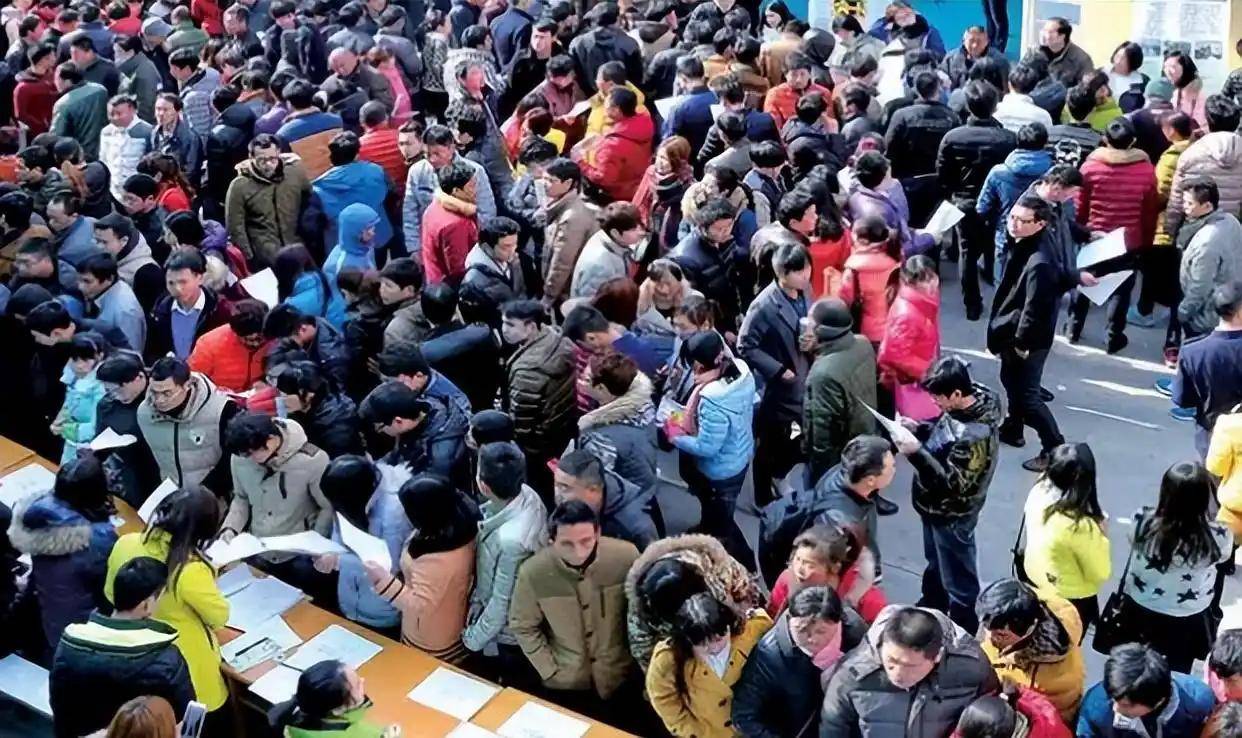
指望内循环救经济?但现实却非常的现实,老百姓可能拉不动内需了?
Sou Hu Cai Jing· 2025-12-05 21:09
Core Viewpoint - The "internal circulation" strategy aims to boost domestic demand to drive economic growth, but current consumer spending is declining, indicating challenges in achieving this goal [3][10]. Group 1: Economic Context - The concept of "internal circulation" is introduced as a response to external pressures in international trade and supply chains, emphasizing the need for a domestic market-driven economy [3]. - In 2023, the total retail sales of consumer goods in China reached approximately 47.12 trillion yuan, but the growth rate is low, with significant disparities across different sectors [4]. - Essential goods like food and daily necessities are still seeing growth, while non-essential and luxury goods are experiencing slow or negative growth [4][6]. Group 2: Consumer Behavior - Consumers are becoming more rational, reducing unnecessary spending and focusing on basic needs, leading to a passive consumption downgrade [4][6]. - Personal savings have increased significantly in 2023, indicating a tendency to save rather than spend due to uncertainty about future income and expenses [4]. - Young consumers are particularly affected by high living costs, leading them to prioritize saving over spending [6]. Group 3: Structural Challenges - The decline in consumer purchasing power is a significant barrier to the "internal circulation" strategy, as income growth is not keeping pace with rising expenses [7][10]. - Companies are facing difficulties, which may lead to price increases that further suppress consumer spending [7]. - The transition to an internal circulation economy requires breaking existing patterns, which may result in job losses and income reductions, further inhibiting consumption [7][10]. Group 4: Recommendations for Improvement - To effectively stimulate internal circulation, it is essential to increase residents' income, reduce major expenditure pressures, and enhance consumer confidence [10]. - Optimizing consumption structure and developing new consumption areas, such as healthcare and education, could create new demand [10][11]. - The transition to an internal circulation economy is a long-term process that requires collective efforts from consumers, businesses, and the government [11][12].


“鹿城寻遗”共创计划第二季启动
Hai Nan Ri Bao· 2025-11-27 02:03
Core Insights - The "Deer City Heritage Exploration" cultural heritage co-creation plan in Sanya has launched its second season, aiming to transition intangible cultural heritage from cultural showcases to consumer markets, transforming traditional skills into trendy symbols and enhancing Sanya's cultural identity [1] Group 1: Project Overview - The second season of the plan is a comprehensive upgrade from the first season, expanding from focusing on "one thing" to building "an ecosystem" around ten major intangible cultural heritage projects in Sanya [1] - The project team collaborates with heritage inheritors to innovate product design, shape brand images, and promote through visual documentation, establishing online sales channels and offline pop-up display platforms [1] Group 2: Selected Heritage Projects - Ten representative intangible cultural heritage projects have been selected for the co-creation plan, including "Li Ethnic Traditional Spinning and Weaving Techniques," "Danjia Songs," "Coconut Carving," and "Li Ethnic Rattan (Bamboo) Weaving Techniques" [1] - The activities will focus on these heritage contents to design and develop a multi-tiered product system, including boutique cultural products, mid-range items, and educational material packages [1]
老恒和酿造发布中期业绩,净亏损2.52亿元,同比扩大1.6%
Zhi Tong Cai Jing· 2025-08-28 13:15
Core Viewpoint - Lao Heng He Brewing (02226) reported a mid-year performance for 2025, showing a slight revenue increase but significant net losses, indicating challenges in the current market environment [1] Financial Performance - Revenue for the first half of 2025 reached 144 million RMB, reflecting a year-on-year growth of 0.1% [1] - The company experienced a net loss of 252 million RMB, which is an increase of 1.6% compared to the previous year [1] - Basic loss per share was reported at 0.43 RMB [1] Profitability Metrics - Gross profit decreased by 10.7% to 42.1 million RMB [1] - Gross margin fell from 32.7% in the first half of 2024 to 29.1% in the first half of 2025 [1] - The decline in gross margin is attributed to intensified market competition, changes in consumer behavior, and a shift towards lower-margin mid-range products [1]