
乌拉尔混合原油

Search documents
美欧制裁与特朗普施压见效,俄油气收入遭遇“滑铁卢”
Jin Shi Shu Ju· 2026-02-10 06:28
Core Insights - The financial support from oil and gas exports for Russia is diminishing as the conflict in Ukraine approaches its fourth anniversary, leading to a significant drop in cash flow to levels not seen in years [1] - New punitive measures from the US and EU, along with pressure on India to reduce Russian oil imports, are contributing to this decline [1][2] - The Russian government is resorting to borrowing and increasing taxes to maintain fiscal stability, which exacerbates the pressures of a wartime economy facing slow growth and stubborn inflation [1][5] Group 1: Economic Impact - In January, tax revenue from the oil and gas sector fell to 393 billion rubles ($5.1 billion), down from 587 billion rubles ($7.6 billion) in December and 1.12 trillion rubles ($14.5 billion) in January 2025, marking the lowest level since the COVID-19 pandemic [1] - Economic growth in Russia has stagnated, with GDP growth of only 0.1% in Q3 last year and forecasts for this year ranging from 0.6% to 0.9%, significantly lower than the over 4% growth expected in 2023 and 2024 [5] - The Kremlin has increased the value-added tax from 20% to 22% and raised taxes on car imports, cigarettes, and alcohol to fill the gap left by declining oil and gas revenues [5] Group 2: Sanctions and Market Dynamics - The US government has imposed sanctions on Russia's largest oil companies, Rosneft and Lukoil, which pose significant risks for any entities purchasing or transporting their oil [2] - The EU has banned the use of Russian crude oil for fuel since January 21, further restricting Russia's ability to refine and export oil to Europe [2] - Buyers are demanding larger discounts on Russian oil to mitigate risks associated with US sanctions, with discounts expanding to approximately $25 per barrel in December [4] Group 3: Geopolitical Developments - The US has pressured India to halt imports of Russian oil, resulting in a decrease in Russian oil shipments to India from 2 million barrels per day in October to 1.3 million barrels per day in December [3] - The number of sanctioned shadow tankers has increased to 640, as allies of Ukraine target individual vessels to prevent the purchase of Russian oil [3] - The Kremlin is closely monitoring India's strategic decisions regarding energy diversification, indicating the importance of maintaining strong ties with New Delhi [3]
打中大动脉!乌军持续打击俄罗斯炼油厂,摧毁航空燃料生产大厂
Sou Hu Cai Jing· 2025-09-22 07:21
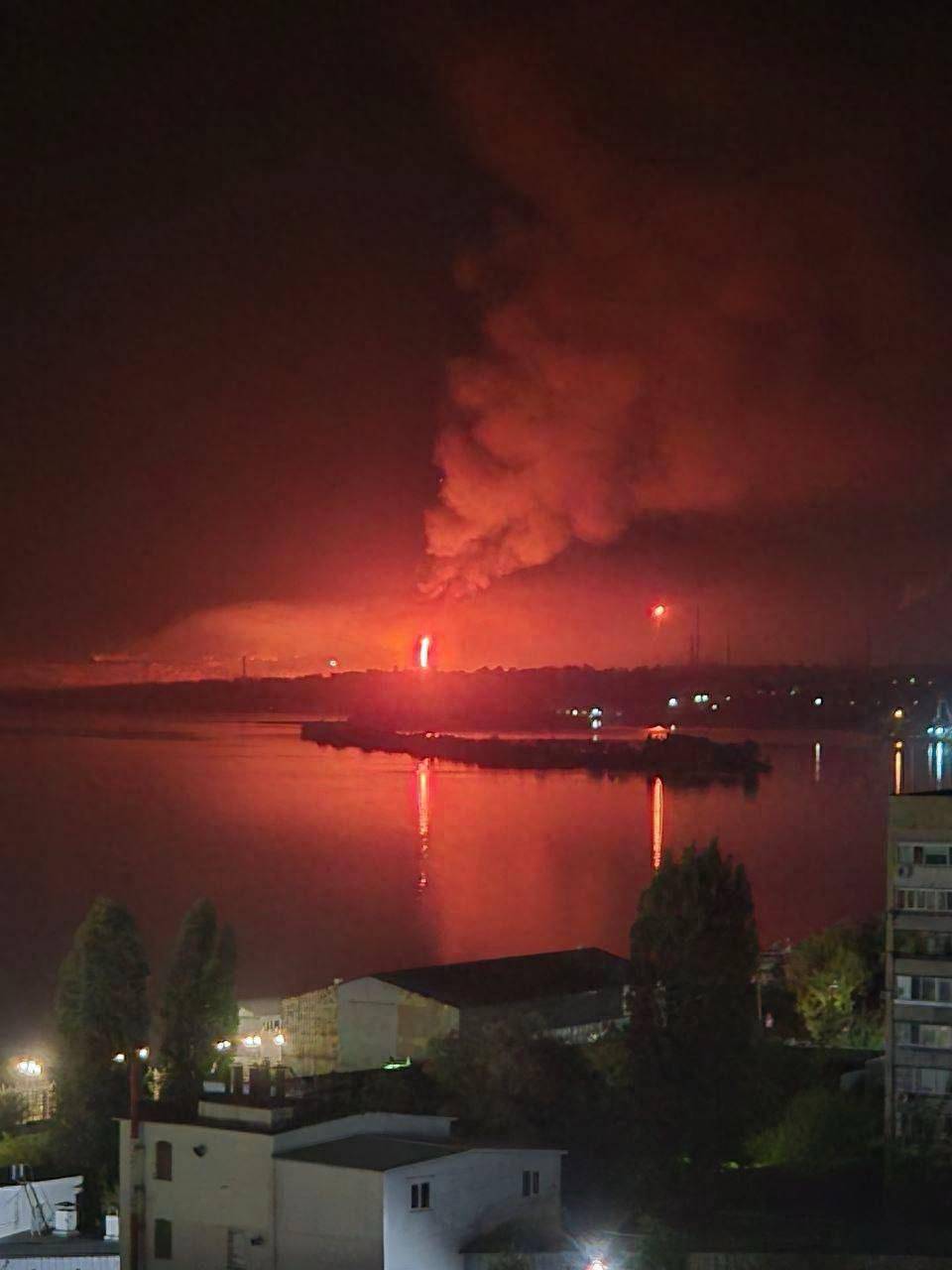
Group 1 - Ukrainian military has launched a new round of precise strikes on Russian energy facilities, significantly impacting the Russian refining industry [1] - The Saratov refinery, processing approximately 20,000 barrels of crude oil daily, was heavily targeted, accounting for over 2.5% of Russia's refining capacity [3] - The New Kuibyshevsk refinery, with an annual processing capacity of nearly 9 million tons, has been hit multiple times this year, serving as a crucial fuel supply for Russian military aircraft [4] Group 2 - The Samara dispatch station, a key oil export hub responsible for distributing millions of barrels of Urals crude oil daily, was also attacked, affecting the stability of Russian oil exports [6] - Ukrainian forces emphasize that all targeted facilities are integral to the Russian military's logistics system, aiming to weaken the opponent's war machine through sustained strikes on energy nodes [6] - Reports indicate that the energy conflict has entered a new phase, with potential for escalated attacks in the future [7]

IEA:8月俄罗斯石油和燃料出口下降
Zhong Guo Hua Gong Bao· 2025-09-16 02:50
Core Insights - In August, Russia's oil and petroleum product sales revenue fell to $13.51 billion, marking a decrease of $920 million from the previous month, reaching the lowest level since the onset of the Ukraine conflict [1] - Russia's oil and fuel export volume was 7.3 million barrels per day in August, a decrease of 70,000 barrels per day month-on-month [1] - The International Energy Agency (IEA) reported that Russia's oil production was 9.3 million barrels per day in August, down by 30,000 barrels per day, aligning with the quotas set by OPEC and OPEC+ [1] - The IEA highlighted that Russia's energy sector is facing challenges from drone attacks on refineries and export pipelines, as well as Western sanctions [1] - The price of Russia's flagship Urals crude oil has dropped to around $56 per barrel, below the Western-imposed cap of $60 per barrel [1] - The IEA stated that Russia's oil export revenue is nearing a five-year low, leading to reduced tax revenues and further exacerbating the slowdown of the Russian economy [1]