乾崑智驾生态开放平台

Search documents
自动驾驶竞争进入下一程,华为乾崑要做“黑土地”
2 1 Shi Ji Jing Ji Bao Dao· 2025-11-13 09:50
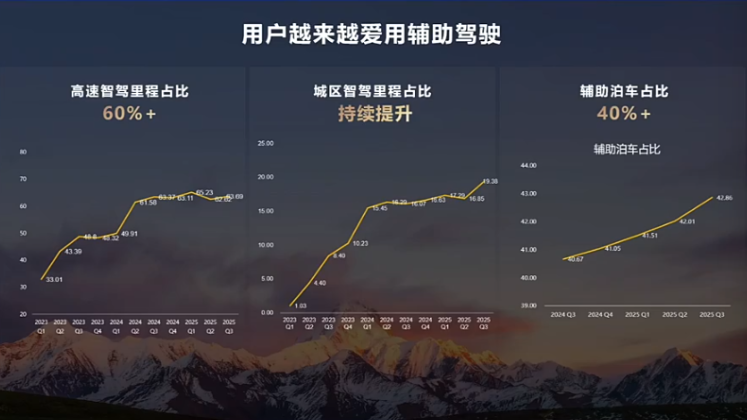
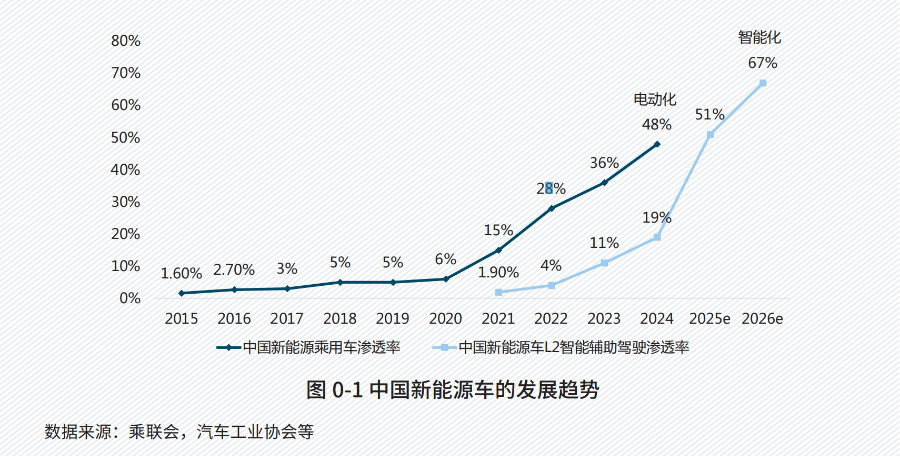
Core Insights - The article discusses the rapid growth and evolution of Huawei's QianKun intelligent driving system, highlighting its increasing user adoption and the need for a comprehensive ecosystem to address various driving-related challenges [2][5][12]. Group 1: Growth of Intelligent Driving - Huawei's QianKun intelligent driving system has surpassed 1 million units in August, a significant increase from 300,000 units in October of the previous year, indicating a strong user reliance on smart driving technology [2]. - The active user ratio for QianKun has reached 95.2%, showcasing a substantial acceptance of intelligent driving features among users [2]. - The penetration rate of intelligent driving in China is projected to exceed 60% by mid-2025, significantly faster than the 10 years it took for electric vehicle penetration to reach 50% [5]. Group 2: Ecosystem Development - Huawei aims to create an open ecosystem for autonomous driving, positioning itself as an "ecosystem solution provider" rather than a dominant player [4][12]. - The QianKun platform consists of four main components: autonomous driving operation platform, transaction platform, intelligent driving function platform, and operation and maintenance platform, designed to unify data and capabilities [13][16]. - The platform allows partners to develop customized services by utilizing standardized "ecosystem kits" for high-frequency scenarios such as charging, parking, and insurance [16]. Group 3: Addressing Systemic Challenges - Despite advancements in intelligent driving, significant gaps remain in the overall user experience, particularly in parking and charging, which are critical for a seamless travel experience [8][9]. - The report indicates that 30% of urban traffic is caused by vehicles searching for parking, highlighting the need for integrated solutions to improve efficiency [8]. - The average utilization rate of public charging stations is only 12.7%, with a combined failure and occupation rate exceeding 35%, indicating ongoing challenges in the charging infrastructure [8]. Group 4: Future Outlook - The automotive industry is shifting its competitive focus from electrification to the overall intelligence of vehicles, with expectations for large-scale commercialization of Level 3 autonomous driving by 2026 and Level 4 trials in urban areas [12]. - Huawei's QianKun has established partnerships with 33 vehicle models, achieving a market share of 27.8% in urban navigation assistance, with new car sales reaching 452,000 units in the first three quarters of 2025 [17]. - The transition from a technology provider to an ecosystem collaborator is crucial for Huawei to ensure sustainable value creation for its partners in the evolving automotive landscape [17].

自动驾驶竞争转向生态共建 8万亿服务市场加速重构
2 1 Shi Ji Jing Ji Bao Dao· 2025-11-11 14:29
Core Viewpoint - The development of autonomous driving in China is transitioning from L2 level assisted driving to L3 level conditional autonomous driving, with expectations for large-scale commercialization by 2026 and L4 level in urban areas by 2027 [1][3]. Group 1: Technological and Policy Developments - The maturity of technology, along with the relaxation of policies and regulations, is paving the way for the implementation of autonomous driving [3]. - In April 2025, the National Development and Reform Commission and other departments officially opened L3 level autonomous vehicles for trial in nine cities, including Shanghai, Beijing, and Shenzhen [3]. - The penetration rate of advanced intelligent assisted driving in passenger vehicles is expected to significantly increase, marking the entry into an era of "universal intelligent driving" [3]. Group 2: Market Opportunities and Ecosystem Development - The automotive service industry is projected to form a market scale exceeding 8 trillion yuan by 2028, becoming the second largest sector in the automotive industry [3]. - The competition in the automotive industry is shifting from single-vehicle intelligence to ecosystem collaboration, with automotive services becoming a key competitive advantage alongside manufacturing and digital/AI technologies [3]. - The rapid development of autonomous driving is transforming vehicles from mere transportation tools to intelligent mobile living spaces, leading to a redistribution of an estimated 8 trillion yuan in value and the emergence of new giants and business models [4]. Group 3: Innovations in Automotive Services - Huawei launched the "Qian Kun Intelligent Driving Ecosystem Open Platform" to provide integrated development solutions for industry partners, covering services such as parking, charging, maintenance, insurance, and delivery [4]. - The charging industry is expected to transition from a "manual search for charging stations" model to an intelligent solution where vehicles autonomously find charging [4]. - The parking sector is undergoing a revolution, shifting from serving people to serving vehicles, resulting in more parking spaces and higher efficiency [4]. - The automotive aftermarket is being activated by technology, with companies like Tuhu exploring "unmanned maintenance" models where vehicles can autonomously make appointments and drive to service locations [4]. Group 4: Challenges in Ecosystem Collaboration - The integration of vehicle-road-cloud systems faces challenges such as insufficient application implementation, lack of participation from car manufacturers, and unclear business models [5].
自动驾驶竞争转向生态共建,8万亿服务市场加速重构
2 1 Shi Ji Jing Ji Bao Dao· 2025-11-11 13:01
Core Insights - The competition in autonomous driving is shifting towards ecosystem collaboration, with a projected service market of over 8 trillion yuan by 2028 [2][3] Group 1: Autonomous Driving Development - By 2026, large-scale commercial use of L3-level autonomous driving on highways is expected, followed by L4-level in urban areas by 2027 [1] - The transition from L2-level assisted driving to L3-level conditional autonomous driving is a critical phase in the development of smart electric vehicles in China [1][2] Group 2: Policy and Market Dynamics - The Chinese government has initiated pilot programs for L3-level autonomous vehicles in nine cities, facilitating the technology's implementation [2] - The penetration rate of advanced intelligent driving features in passenger vehicles is anticipated to increase significantly, marking the onset of a "smart driving" era [2] Group 3: Ecosystem Collaboration - The automotive service industry is emerging as a third major competitive force alongside vehicle manufacturing and digital/AI technologies [2] - The rapid development of autonomous driving is transforming vehicles from mere transportation tools into intelligent mobile living spaces, leading to a redistribution of an estimated 8 trillion yuan in value [3] Group 4: Innovations in Automotive Services - Huawei has launched the "Qian Kun Smart Driving Ecosystem Open Platform" to support industry partners in developing integrated solutions for various vehicle-related services [3] - The charging industry is expected to evolve from a manual "finding a charging station" model to an automated "vehicle finding electricity" solution [3] - Parking facilities are undergoing a transformation to better serve autonomous vehicles, enhancing efficiency and increasing the number of available parking spaces [3] Group 5: Challenges in Ecosystem Development - The integration of vehicle, road, and cloud technologies faces challenges such as insufficient application implementation, limited participation from automakers, and unclear business models [4]
从“技术突破”到“生态共建”,第一届自动驾驶出行生态论坛举办
Zhong Guo Jing Ji Wang· 2025-11-10 02:05
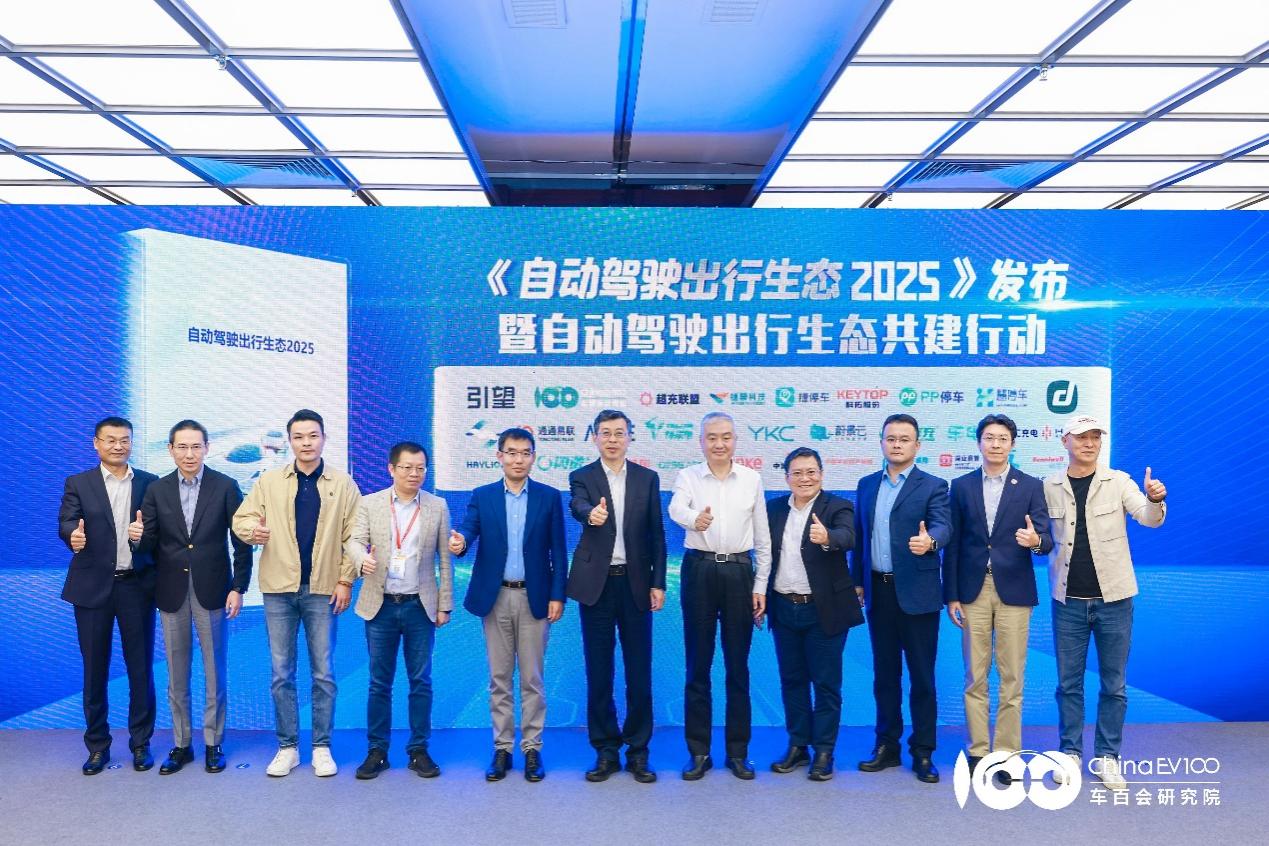
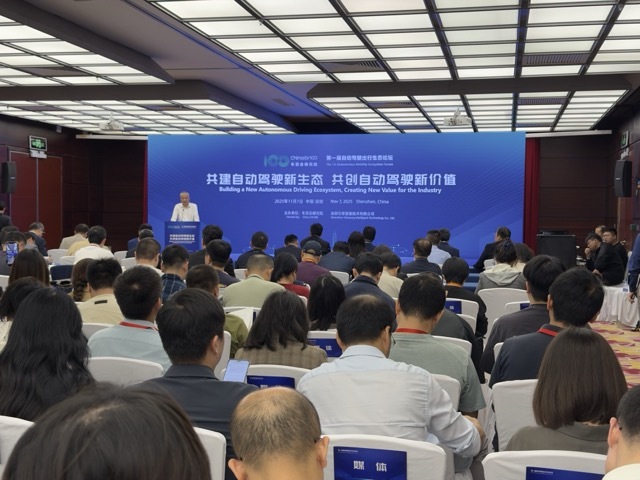
Core Insights - The first Autonomous Driving Mobility Ecosystem Forum was held in Shenzhen, focusing on building an ecosystem for autonomous driving and exploring industry pain points and trends [1] Group 1: Industry Trends and Market Potential - The automotive service sector is emerging as the third major competitive force in the automotive industry, projected to reach a market size of over 8 trillion by 2028, becoming the second automotive industry [2] - Global acceleration towards commercializing autonomous driving is noted, with expectations for L3 commercialization on highways by 2026, L4 in urban areas by 2027, and unmanned logistics by 2028 in China [2][3] Group 2: Insurance Market Dynamics - The new energy vehicle insurance market is experiencing high growth, with a 41.44% year-on-year increase in commercial vehicle insurance premiums in the first half of 2025, while claims grew by 33% [3] - Despite growth, challenges remain, including a general industry loss and perceptions of high premiums among some vehicle owners [3] Group 3: Future Outlook and Innovations - The focus of insurance should shift from driver-centric to a model that includes drivers, manufacturers, and software/hardware suppliers, emphasizing system and human safety [4] - The report "Autonomous Driving Mobility Ecosystem 2025" outlines various applications of autonomous driving, including solving parking issues, achieving automatic charging, and enhancing vehicle maintenance services [4][5]
自动驾驶落地时间表出炉:引望总裁预判2026年L3上高速,2027年L4进城区
Feng Huang Wang· 2025-11-07 13:17
Core Insights - The first Autonomous Driving Mobility Ecosystem Forum was held in Shenzhen, marking a shift in industry focus from "technological breakthroughs" to "ecosystem co-construction" [1] - The automotive service ecosystem is emerging as the "third competitiveness" in the automotive industry, alongside manufacturing and digital/AI technologies [1] - By 2028, the market size of China's automotive service industry is expected to exceed 8 trillion yuan, with smart services being a key development direction [1] Group 1 - Zhang Yongwei, Chairman of the Automotive Hundred Association, predicts that the automotive service ecosystem will become a major competitive factor in the industry [1] - Li Wenguang, President of the Intelligent Driving Product Line at Yingwang, forecasts the commercial rollout of L3 autonomous driving on highways by 2026, L4 in urban areas by 2027, and unmanned logistics by 2028 [1] - Yingwang plans to launch the Qiankun Intelligent Driving Ecosystem Open Platform and establish the Intelligent Driving Ecosystem OpenLab to support ecosystem development [1] Group 2 - The report "Autonomous Driving Mobility Ecosystem 2025" outlines how autonomous driving will reshape various service sectors, including autonomous parking, charging during off-peak hours, and seamless maintenance scheduling [2] - The insurance sector will see a fundamental shift in risk assessment from driver-based evaluations to assessments based on machine driving algorithms and operational environments [2] - Industry representatives agree that building an autonomous driving ecosystem is a systematic project requiring collaboration among policies, standards, enterprises, and users, moving from "technical trials" to "scalable implementation" [2]

从“技术突破”到“生态共建”,这个论坛为打造自动驾驶出行生态指路
Zhong Guo Qi Che Bao Wang· 2025-11-07 12:12
Core Insights - The forum focused on building a new ecosystem for autonomous driving and creating new value in the industry [1][4] - Key industry leaders and experts gathered to discuss trends and challenges in the autonomous driving sector [3][6] Industry Trends - The automotive service sector is projected to reach a market size of over 8 trillion yuan by 2028, becoming the second largest segment of the automotive industry [4] - The integration of digital and AI technologies is essential for the development of intelligent automotive services [4] Autonomous Driving Development - The timeline for commercializing autonomous driving includes L3 level by 2026, L4 level in urban areas by 2027, and fully autonomous logistics by 2028 [5] - The establishment of an open platform for ecological partners is planned to support the development and integration of autonomous driving technologies [5] Application Value - The report "Autonomous Driving Mobility Ecosystem 2025" outlines the application value of autonomous driving in various sectors, including parking, charging, vehicle maintenance, real estate, insurance, and public transport [7][8][9] - In parking, the solution aims to eliminate the challenge of finding parking spaces and improve resource utilization [8] - In charging, autonomous vehicles will be able to choose optimal charging stations based on electricity prices, enhancing operational efficiency [8] - The insurance sector will evolve to utilize lifecycle data from autonomous systems for risk assessment, promoting a healthier development of autonomous driving [9] Collaborative Efforts - The forum served as a platform for cross-industry collaboration, emphasizing the need for policy, standards, and multi-party engagement in building the autonomous driving ecosystem [6][9] - The launch of the "Autonomous Driving Mobility Ecosystem Co-construction Action" signifies a collective effort to advance the industry [7]