华为乾崑智驾系统

Search documents
100万辆“斩杀线”出现,2026年中国智驾进入淘汰赛
3 6 Ke· 2026-01-16 07:30
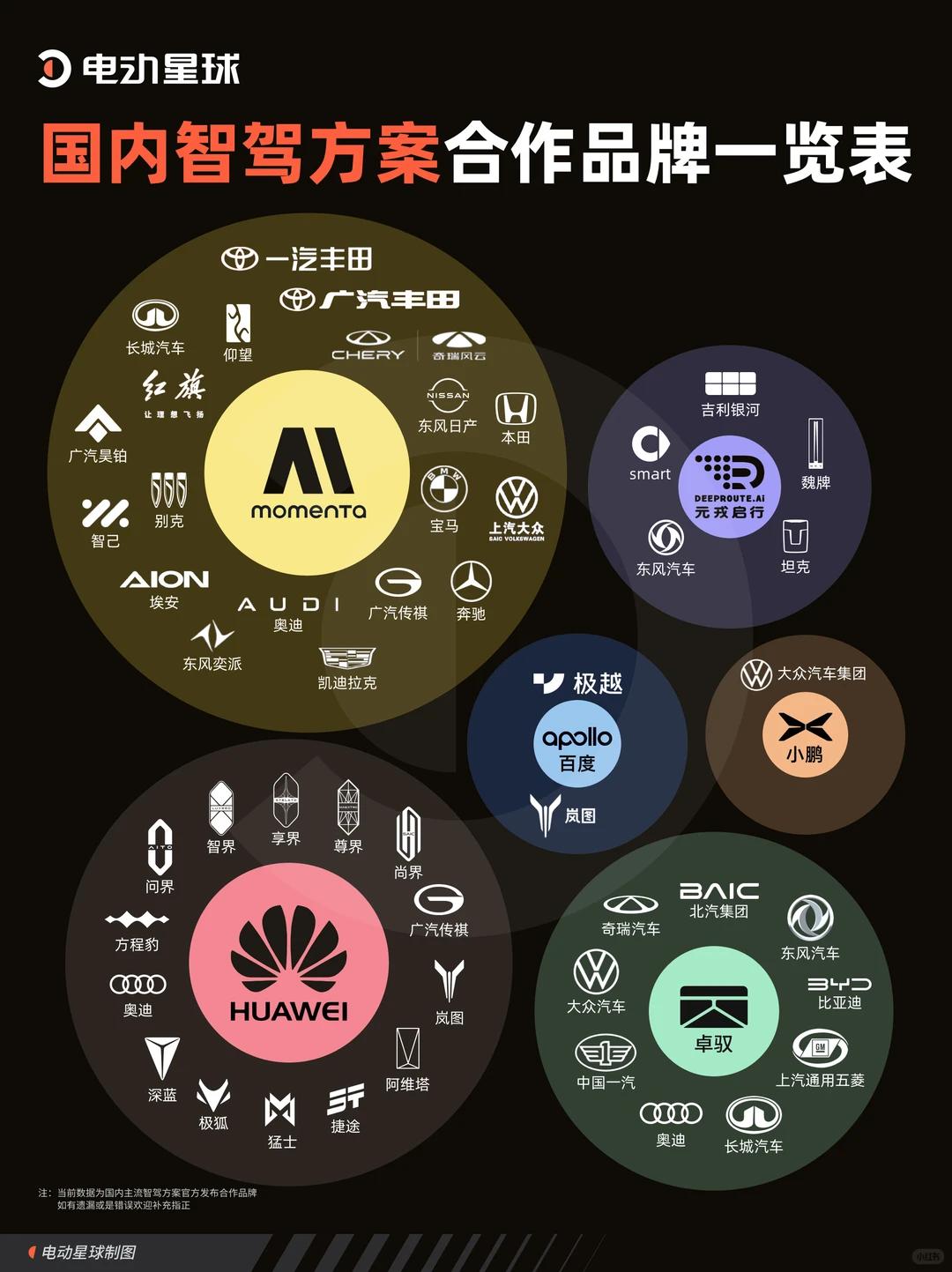
Core Insights - The Chinese smart driving industry has reached a critical turning point in 2025, transitioning from a phase of exploration to one dominated by scale and delivery, leading to the emergence of clear "losers" in the market [1][2] - The threshold of 1 million vehicles equipped with smart driving systems is becoming a significant benchmark, with companies like Yuanrong Qixing indicating that crossing this line will be essential for survival in 2026 [3][34] Competitors - As of January 1, 2026, a comprehensive overview of domestic smart driving solution providers reveals the competitive landscape among third-party suppliers [4] - Horizon Robotics has established partnerships with over 40 automakers, including major brands like SAIC and GAC, indicating its strong market presence [6] - By the end of 2025, Horizon's HSD system saw activation in over 12,000 vehicles shortly after its launch, showcasing its rapid adoption [8] - Companies like NIO, Xpeng, and Li Auto are also significant players in the self-developed smart driving systems space, alongside traditional automakers like BYD and Great Wall [11] - The industry is witnessing a convergence of technology routes, with a consensus on end-to-end architecture and multi-modal large models, leading to a more competitive environment [12] - Huawei has crossed the 1 million vehicle mark with its smart driving system, establishing a unique position in the market [12][15] - The competitive landscape is characterized by a significant number of active smart driving brands, exceeding 15, which poses sustainability challenges for the industry [12] Exiting Players - The failures of companies like Haomo and Dazhuo in 2025 highlight the industry's harsh realities, with common issues including slow technology transitions and concentrated customer bases [29][30] - The inability to deliver products on time has been a critical factor in the downfall of these companies, emphasizing the need for rapid iteration and delivery capabilities [30] - The increasing number of exiting players is attributed to mismatched technology routes and capability shortfalls, with a shift towards data-driven solutions becoming essential for survival [32] "Killing Line" Approaching - The 1 million vehicle mark is emerging as a psychological threshold, with companies below this number at risk of being pushed out of the market [34] - This benchmark represents a cash flow turning point, where companies can begin to cover core investments through revenue generated from vehicle deployments [34] - Achieving this scale also enhances data density, allowing for better coverage and problem-solving capabilities in diverse driving scenarios [35] - The lack of a standardized reporting mechanism for vehicle deployment numbers leads to inflated claims by companies, complicating the competitive landscape [35] - The true survival criteria for smart driving companies will hinge on their ability to establish data-driven development paradigms and integrate them with traditional manufacturing processes [34][39]

比亚迪获全球纯电销冠!2026汽车国家补贴政策发布!特斯拉全球总产量突破900万辆!丨一周大事件
电动车公社· 2026-01-04 16:06
New Car Launches - The new GAC Trumpchi M8 has been launched with a price range of 309,900 to 359,900 yuan, offering three models [2][3] - The M8 features a 7-seat layout, a 140kW 2.0T engine, a 160kW electric motor, and a 44.5kWh lithium battery, providing a pure electric range of 248 km [6][8] Company Developments - FAW Group has officially acquired a 5% stake in Leap Motor for 3.744 billion yuan, marking a significant collaboration between a traditional automaker and a new energy vehicle brand [10][12] - Geely has completed the integration of its Qianli Intelligent Driving core business and technology system, focusing on advanced driving technologies [3][14] - Tesla's global production has surpassed 9 million vehicles, with the Shanghai Gigafactory contributing nearly half of the total deliveries [4][16] Industry News - The 2026 national subsidy policy for automobiles has been released, adjusting subsidies based on vehicle price to avoid excessive support for low-priced models [33][36] - CATL has established 1,325 battery swap stations, enhancing its service capabilities for both passenger and commercial vehicles [9][32] Sales Performance - BYD sold 414,784 passenger vehicles in December, with a total annual sales of 4,545,423 units, maintaining its leadership in the new energy vehicle market [37][40] - Geely's December new energy sales reached 154,264 units, contributing to an annual total of 3,024,567 units [41][42] - Changan Automobile reported total sales of 254,800 units in December, with over 1 million new energy vehicles sold throughout the year [45][50] - Leap Motor delivered 60,423 vehicles in December, achieving a total of 596,555 units for the year [17][62] - NIO delivered 48,135 vehicles in December, with a total of 326,028 units for the year, showing significant growth in the second half of the year [66][69]






今日新闻丨2026年汽车国补政策发布!特斯拉全球产量达900万辆!华为乾崑智驾搭载量超140万辆!卓驭发布VLA多模态世界模型!
电动车公社· 2025-12-31 15:59
Core Viewpoint - Tesla has achieved a significant milestone by surpassing a global production of 9 million electric vehicles, demonstrating its strong manufacturing capabilities and market leadership in the electric vehicle sector [2][4]. Group 1: Tesla's Production Milestone - Tesla's 9 millionth electric vehicle, a Model Y, rolled off the production line at the Shanghai Gigafactory, which has contributed nearly half of Tesla's global delivery volume in just six years [2]. - Despite facing competition from domestic new energy vehicle manufacturers, Tesla maintains its leading position due to its advanced battery technology and brand recognition [4]. - With the current production pace, Tesla is expected to reach 10 million vehicles produced by mid-next year [4]. Group 2: Huawei's Autonomous Driving System - Huawei's QianKun intelligent driving system has reached a cumulative installation of 1.4 million units, with assisted driving mileage nearing 7 billion kilometers [6]. - The system has been adopted by over 15 automotive brands, covering more than 35 vehicle models, with a high active user ratio of 95.2%, indicating strong market acceptance [9]. Group 3: Zhuoyue's Technological Advancements - Zhuoyue Technology has launched the VLA multimodal world model, showcasing its ability to achieve high performance with lower computational requirements compared to industry standards [13]. - The company has secured nine mass production customers for its autonomous driving technology, with over 50 models already in production and more than 30 models set to launch soon [14]. - Zhuoyue aims to expand its technology capabilities beyond passenger vehicles to include heavy-duty trucks [14]. Group 4: National Subsidy Policy for 2026 - The National Development and Reform Commission has announced the 2026 automotive subsidy policy, which will adjust subsidies based on vehicle price, with new energy vehicles receiving a 12% subsidy capped at 20,000 yuan [18]. - The policy aims to prevent excessive subsidies for low-priced models and reduce price dumping and unhealthy competition in the market [23]. Group 5: New Vehicle Launches - The new GAC Trumpchi M8 has been launched with a price range of 309,900 to 359,900 yuan, featuring upgraded comfort and intelligent configurations [24][29]. - The vehicle includes a hybrid system with a 140kW 2.0T engine and a 160kW electric motor, offering a pure electric range of 248 km and a fuel consumption rate of 6.15L/100km [27].

无人驾驶板块强势活跃!L3级自动驾驶正式上路意味着什么?
Jin Rong Shi Bao· 2025-12-19 13:40
Core Viewpoint - The Ministry of Industry and Information Technology of China has officially announced the first batch of L3 autonomous driving vehicle permits, marking a significant step towards the commercialization of L3 autonomous driving in the country [1] Group 1: Industry Developments - The first two models to receive permits are Changan Automobile's Deep Blue SL03 and BAIC's Arcfox Alpha S6, which will conduct pilot tests in designated areas of Beijing and Chongqing [1] - This approval follows the framework established in November 2023, which outlined the pilot program for L3/L4 vehicles, with 29 consortiums participating in the application process [2] - The selection of Changan and BAIC was based on comprehensive assessments of their R&D, testing, and emergency response capabilities, as well as third-party evaluations of safety and network security risks [2] Group 2: Vehicle Specifications - The Deep Blue SL03 utilizes Changan's self-developed "Tianshu Intelligent" technology, while the Arcfox Alpha S6 is equipped with Huawei's Qiankun driving system [3] - Both models have undergone extensive real-world testing and are classified as sedans, which offer better stability and precision in maneuvering compared to SUVs [3] - The permitted models can only operate under specific conditions: the Deep Blue SL03 is limited to a maximum speed of 50 km/h in congested traffic environments, while the Arcfox Alpha S6 can reach up to 80 km/h on highways and urban expressways [3] Group 3: Future Outlook - The approval of these two vehicles is expected to lead to a gradual expansion of L3 vehicle permits, rather than a blanket release, with further approvals anticipated as the regulatory framework develops [3] - Currently, the permitted vehicles are restricted to operation by ride-hailing service companies, indicating a focus on professional operation and strong monitoring rather than immediate consumer access [3]

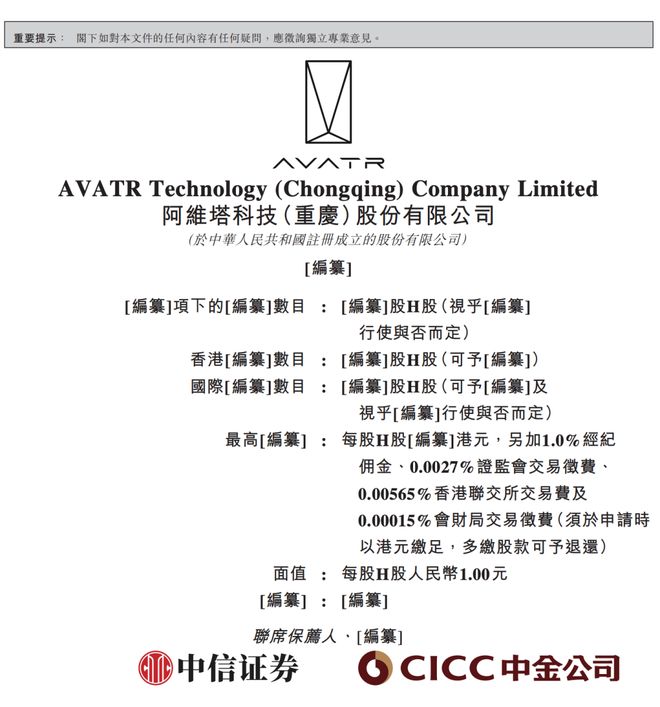
阿维塔递表港交所,三年半亏损超百亿
Sou Hu Cai Jing· 2025-12-01 11:06
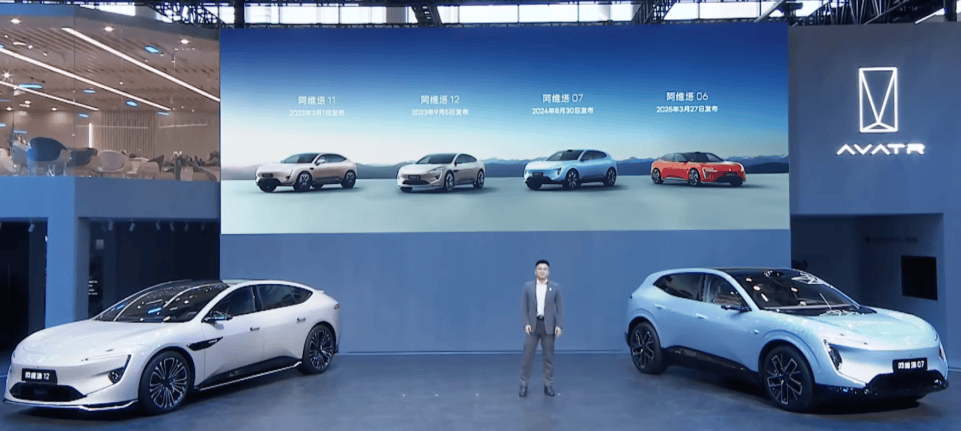
Core Insights - The article discusses the rapid growth and challenges faced by Avita Technology, which plans to go public on the Hong Kong Stock Exchange after just three years since delivering its first vehicle. The company has experienced significant revenue growth but continues to incur substantial losses, raising questions about its long-term profitability and market position [2][3][4]. Group 1: Financial Performance - Avita's revenue has shown a consistent increase over the reporting period, with figures of 0.28 billion, 5.645 billion, 15.195 billion, and 12.208 billion from 2022 to the first half of 2025 [4][5]. - Despite the revenue growth, Avita has reported net losses of 2.016 billion, 3.693 billion, 4.018 billion, and 1.585 billion during the same period, totaling 11.312 billion in losses [5]. - The company's R&D expenditures have also increased significantly, with amounts of 0.544 billion, 0.66 billion, 1.214 billion, and 0.83 billion, reflecting a 167% year-on-year growth in the first half of 2025 [7]. Group 2: Market Position and Strategy - Avita aims to enhance its product lineup and has set ambitious sales targets of 400,000, 800,000, and 1.5 million units for 2027, 2030, and 2035, respectively, with a goal of achieving annual revenue of 100 billion by 2027 [8]. - The company has launched four models, with prices ranging from 200,000 to 700,000, and plans to introduce five upgraded models in collaboration with Huawei starting in 2026 [9][10]. - Avita has begun exporting vehicles, generating overseas revenue of 0.22 billion in 2024 and 0.686 billion in the first half of 2025, with plans to enter over 80 countries by 2030 [11]. Group 3: Financial Health and Valuation - As of 2024, Avita's total assets are approximately 29.154 billion, with total liabilities around 20.564 billion, resulting in a debt ratio of about 70.5% [13]. - The company has completed four rounds of financing totaling over 19 billion, with a significant C round raising over 11 billion in 2024 [14]. - Avita's valuation has fluctuated, with recent estimates around 26 billion, down from previous valuations of approximately 30 billion [15]. Group 4: Safety Concerns and Market Perception - Avita has faced multiple safety incidents, including vehicle fires, which have raised concerns about its safety standards and market credibility [16]. - The company has been criticized for its pricing strategies, including significant price reductions shortly after product launches, leading to dissatisfaction among early adopters [16]. Group 5: Future Outlook - The collaboration with major partners like Changan Automobile, Huawei, and CATL is central to Avita's growth strategy, providing a robust support system for product development and market expansion [17]. - The upcoming IPO is seen as a critical step for Avita to secure additional funding for its expansion plans and to enhance investor confidence [19][20]. - Leadership changes, including the appointment of a new chairman with extensive industry experience, signal a strategic shift towards integrated growth in sales, product definition, and international market presence [21][22].
阿维塔3年亏超百亿,还敢冲击千亿梦想?
阿尔法工场研究院· 2025-12-01 00:06
Core Viewpoint - Avita Technology, backed by Changan, Huawei, and CATL, is leveraging a collaborative model to enhance its resource advantages in technology, funding, and product layout, leading to rapid revenue and scale growth [1][4]. Revenue and Losses - Avita has reported over 10 billion yuan in losses over three and a half years, with a high debt-to-asset ratio, raising significant uncertainty regarding its long-term profitability [2][12]. - Despite rapid revenue growth, Avita's losses have also increased, with net profit losses of 20.16 billion yuan, 36.93 billion yuan, 40.18 billion yuan, and 15.85 billion yuan during the reporting period, totaling 113.12 billion yuan [6][8]. Safety Incidents - Multiple safety incidents have led to increased market skepticism during Avita's IPO preparations, including a fire incident involving the Avita 06 model [3][15]. IPO and Growth Strategy - Avita plans to go public on the Hong Kong Stock Exchange in the second quarter of 2026, having achieved significant revenue growth since delivering its first vehicle in late 2022 [4][7]. - The company aims to achieve sales targets of 400,000 vehicles by 2027, 800,000 by 2030, and 1.5 million by 2035, with a goal of reaching annual revenue of 100 billion yuan by 2027 [9][10]. Research and Development - Avita has significantly increased its R&D spending, with expenditures of 5.44 billion yuan, 6.6 billion yuan, 12.14 billion yuan, and 8.3 billion yuan during the reporting period, reflecting a 167% year-on-year increase in the first half of 2025 [8][9]. Market Position and Valuation - Avita's valuation has fluctuated, with estimates around 300 billion yuan, but recent transactions suggest a valuation closer to 260 billion yuan [14][15]. - The company has completed four rounds of financing totaling over 19 billion yuan, with significant investments from Changan Automobile [13][14]. Strategic Partnerships - The collaboration model involving Changan, Huawei, and CATL is central to Avita's strategy, providing a robust framework for product development and market positioning [18][19]. - Avita's product lineup includes four models, with plans to launch five upgraded models in collaboration with Huawei starting in 2026 [9][10]. International Expansion - Avita has begun exporting vehicles, generating 220 million yuan in overseas revenue in 2024 and 686 million yuan in the first half of 2025, with plans to enter over 80 countries by 2030 [10][11]. Leadership Changes - The recent change in leadership, with Wang Hui taking over as chairman, is expected to drive Avita's second phase of expansion, focusing on integrated product definition and supply chain collaboration [22][23].
估值约260亿!央企新能源品牌赴港上市
Xin Lang Cai Jing· 2025-11-29 05:27
Core Viewpoint - Avita Technology (Chongqing) Co., Ltd. has submitted a listing application to the Hong Kong Stock Exchange, aiming to raise funds primarily for product development, platform and technology development, brand building, sales service network construction, and operational funding to enhance its core competitiveness. The company plans to complete the listing in the second quarter of next year [1]. Company Background - Avita Technology was established in July 2018 as a joint venture between Changan Automobile and NIO, each holding 50% of the shares. The company was initially created to develop a high-end new energy brand but faced challenges, leading to NIO's share dilution from 50% to 4.6% and a change in leadership. In May 2021, the company was renamed Avita Technology [4][6]. - Currently, Changan Automobile holds 41% of Avita Technology, while CATL holds 9%, and other companies collectively hold 50% [4][6]. Product Development and Market Strategy - Avita Technology is a collaboration between Changan Automobile, CATL, and Huawei, with Changan responsible for vehicle development, CATL providing batteries, and Huawei enabling smart energy solutions. The company has launched four models: Avita 11, Avita 12, Avita 07, and Avita 06. Future plans include the introduction of 17 products by 2030, covering various market segments [6][7]. - The company aims to achieve annual global sales of 400,000 units and revenue of 100 billion yuan by 2027, increasing to 800,000 units by 2030, and challenging 1.5 million units by 2035 [6]. Financial Performance - In 2023, Avita Technology reported revenue of 5.645 billion yuan, with projections of 15.195 billion yuan for 2024 and 12.208 billion yuan for the first half of 2025, reflecting a year-on-year growth of 98.5% [8]. - The company is currently operating at a loss, with pre-tax losses of 2.016 billion yuan in 2022, 3.693 billion yuan in 2023, and projected losses of 4.018 billion yuan in 2024 [8]. Market Context - The Hong Kong stock market is recognized for its rich capital resources and diverse investor base. Avita's listing is expected to broaden its financing channels, attract international capital, and support its R&D and market expansion efforts, enhancing its competitive edge in the new energy vehicle sector [8]. - Other automotive companies, such as Chery Automobile and Seres Group, have also successfully listed in Hong Kong this year, indicating a trend of increasing interest in the market [10].
辅助驾驶,安全不能只是口号
3 6 Ke· 2025-11-28 11:24
Core Viewpoint - The automotive industry is shifting back to a development trajectory based on safety and quality, moving away from chaotic marketing practices, particularly in the autonomous driving sector [2][11]. Industry Trends - The introduction of new battery standards and regulations on autonomous driving indicates a regulatory push to ensure safety in the electric vehicle sector [2]. - The phrase "when the tide goes out, you see who is swimming naked" applies to the autonomous driving technology industry, highlighting the need for genuine technological capabilities [3]. Technological Developments - The industry is facing malicious attacks and misleading evaluations that disrupt healthy development, prompting national measures against "internet water armies" and black public relations [4]. - A joint live test by Pacific Automotive and Tongji University showcased the superior performance of vehicles equipped with Huawei's QianKun intelligent driving system, achieving full marks in all nine testing scenarios [5]. - Huawei's QianKun intelligent driving system has demonstrated significant advancements, including a 50% reduction in system latency and improved decision-making speed [6]. Safety and Standards - Safety is emphasized as a core principle, with Huawei's QianKun integrating a multi-sensor approach to enhance safety in various driving conditions [11]. - The CAS 4.0 system provides comprehensive collision avoidance capabilities, significantly enhancing safety features in vehicles [12][14]. Market Position - As of October 2025, Huawei's QianKun has partnered with 15 leading automotive companies, producing 35 models and capturing a 27.8% market share in the autonomous driving sector [9]. - In the luxury vehicle market, Huawei's market share reached 52.75%, indicating strong consumer preference for its technology [9]. Data and Ecosystem - Huawei's QianKun intelligent driving platform benefits from a "snowball effect" driven by data collection from vehicles, enhancing algorithm optimization and user experience [15][16]. - The platform's cloud computing power reached 45 EFLOPS, enabling efficient processing of vast amounts of driving data [16][17]. - By October 2025, the cumulative driving distance for Huawei's QianKun intelligent driving system reached 58.1 billion kilometers, establishing it as a leader in the industry [18]. Competitive Advantage - The combination of data and scale creates a robust competitive moat for Huawei, making it increasingly difficult for smaller competitors to keep pace [20]. - The focus on safety and quality, alongside significant investments in technology and infrastructure, positions Huawei as a leader in the autonomous driving market [20].

辅助驾驶,安全不能只是口号
36氪· 2025-11-28 11:13
Core Viewpoint - The automotive industry is returning to a development trajectory based on safety and quality, moving away from chaotic marketing practices [3][4][27]. Group 1: Industry Trends - The introduction of new battery standards and regulations on assisted driving indicates a shift towards prioritizing safety and quality in the automotive sector [3][4]. - The phrase "when the tide goes out, you see who is swimming naked" applies to the assisted driving technology industry, highlighting the need for genuine capabilities [5]. - The industry is witnessing a crackdown on malicious attacks and misleading evaluations that disrupt healthy development, supported by government actions against "internet water armies" and black public relations [7]. Group 2: Technological Advancements - The Huawei QianKun intelligent driving system has demonstrated superior performance in various tests, achieving full marks in all nine scenarios, particularly excelling in challenging situations [8][9]. - The QianKun system's architecture has improved response times by 50% and reduced braking rates by 70%, enhancing overall driving efficiency and user experience [11][12]. - The system has been upgraded to support cross-city commuting and can autonomously navigate from home to target parking spots, with an increasing number of supported parking facilities [11]. Group 3: Market Position and Performance - Huawei QianKun has established partnerships with 15 leading automotive companies, launching 35 mass-produced models and capturing a 27.8% market share in the assisted driving sector [12][20]. - The QianKun system has sold 452,000 units from January to September 2025, with a market share of 52.75% in the luxury car segment [12][20]. - The cumulative mileage for Huawei QianKun's assisted driving has reached 5.81 billion kilometers, with 35 million parking assists, leading in multiple core metrics [24][27]. Group 4: Safety and Reliability - Safety is embedded in the brand's DNA, with a commitment to prioritize safety at all levels of operation [16][17]. - The QianKun system features a comprehensive collision avoidance system capable of operating in various scenarios, enhancing overall safety [17][19]. - The system has successfully prevented over 3.18 million potential collisions, reinforcing its reputation as a reliable choice for automotive companies [19][29]. Group 5: Competitive Advantage - The QianKun platform benefits from a "snowball effect" driven by data collection from numerous vehicles, enhancing its algorithm and user experience [22][24]. - Huawei's significant investment in the assisted driving sector, exceeding billions annually, strengthens its technological development and product iteration capabilities [24][25]. - The combination of data and scale creates a robust competitive moat, making it challenging for smaller competitors to keep pace [27][29].

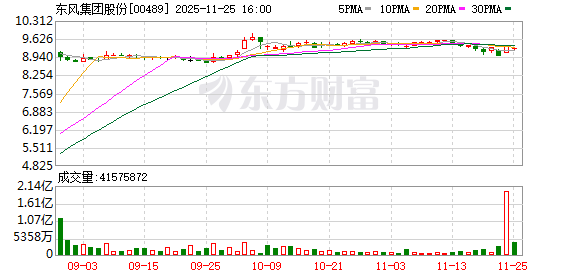
东风联手华为 投百亿造车
2 1 Shi Ji Jing Ji Bao Dao· 2025-11-25 13:40
Core Viewpoint - The collaboration between Dongfeng and Huawei aims to create a new automotive brand, Yijing, with a significant investment of 10 billion yuan, focusing on high-quality products and services for consumers [2][5][6]. Investment and Collaboration - Dongfeng and Huawei are committed to a joint investment of 10 billion yuan, integrating their best resources from research and development to production [5][6]. - The Yijing brand is positioned as a new entrepreneurial venture, with both companies providing comprehensive support [4][5]. Product Development and Market Strategy - The first model under the Yijing brand will be a high-end intelligent full-size SUV, set to debut at the Beijing Auto Show in April 2026, with plans for at least one new model each year thereafter [6][9]. - Yijing aims to leverage Huawei's advanced technologies, including intelligent driving systems and the HarmonyOS cockpit, to enhance its product offerings [9][20]. Organizational Changes - Dongfeng has restructured its passenger vehicle brands, consolidating them under Yipai Technology to streamline operations and improve decision-making efficiency [12][15]. - The leadership of Yipai Technology is focused on creating a strong product lineup, with a target of 20 models by 2028, emphasizing continuous improvement and innovation [16][18]. Market Position and Sales Performance - Yipai has seen a sales increase, with October sales reaching 31,000 units, a year-on-year growth of 34.9% [15]. - The strategy includes targeting the market for vehicles priced below 200,000 yuan, although the brand faces challenges in creating standout models [16][18]. User-Centric Approach - The development process for Yijing will involve user collaboration, allowing potential customers to contribute ideas for product features and design [20]. - This approach aims to enhance customer engagement and ensure that the products meet the preferences of younger consumers [18][20].