五粮液低度酒

Search documents
“哑铃型”结构显现 白酒市场如何淡季不淡
Bei Jing Shang Bao· 2026-02-25 16:13
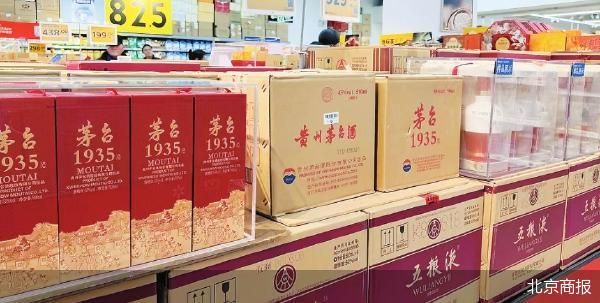
Core Insights - The white liquor market is entering a consumption off-season after the Spring Festival, with a clear "dumbbell" consumption structure emerging, where high-end and mass-market products are seeing increased demand, while mid-range products are struggling [1][3][4] Group 1: Market Trends - High-end liquor brands like Moutai and Wuliangye have shown strong performance during the Spring Festival, with sales volume and prices rising, indicating robust demand [3][4] - The mid-range liquor segment (priced between 300-800 yuan) is facing significant challenges, lacking the financial attributes and gifting demand that high-end products possess, and is also competing with lower-priced products in the market [4][6] - Mass-market products under 300 yuan, such as Luzhou Laojiao and Hai Zhi Lan, have gained popularity, particularly in home consumption scenarios [4][6] Group 2: Consumption Patterns - The recovery of high-end liquor sales is driven by the resurgence of gifting and social occasions during the Spring Festival, with Moutai and Wuliangye being perceived as valuable gifts [6][7] - Home consumption has become a dominant trend, with a significant portion of consumers engaging in solitary drinking or social drinking at home, creating opportunities for products priced between 100-300 yuan [7][8] - The demand for liquor is increasingly tied to family gatherings and social events, with a notable increase in the number of people traveling during the Spring Festival, leading to heightened demand for home consumption [6][7] Group 3: Strategic Recommendations - As the industry enters a traditional off-season, companies are advised to focus on inventory management and explore new consumer demands, particularly in family and high-cost-performance products [8][9] - Companies should leverage successful strategies from the banquet market to enhance sales in lower-demand periods, ensuring they capture the growing demand for liquor in various social settings [9][10] - The banquet market remains a critical area for growth, with opportunities for brands to enhance visibility and sales through targeted marketing and product offerings [9][10]



春节消费成“哑铃型”分化 白酒淡季如何接棒
Bei Jing Shang Bao· 2026-02-24 05:37
Core Viewpoint - The Chinese liquor market is experiencing a "dumbbell" consumption structure, with high-end and mass-market products seeing increased demand, while the mid-range segment (300-800 RMB) is struggling [1][2][3]. Group 1: High-End and Mass Market Performance - High-end liquor brands like Moutai and Wuliangye have shown resilience during the Spring Festival, achieving both volume and price increases [2][3]. - Moutai's sales performance exceeded expectations, with some regions reporting sold-out conditions and a stable price recovery [2]. - Wuliangye's sales also saw significant growth, particularly in banquet settings, with double-digit year-on-year increases in sales volume [2][3]. Group 2: Mid-Range Segment Challenges - The mid-range price segment (300-800 RMB) is facing difficulties, lacking the financial attributes and gifting demand that high-end products enjoy [3]. - Brands like Jiuziyuan have seen some growth in lower-priced products, but core mid-range offerings are underperforming [3]. Group 3: Changing Consumption Scenarios - The recovery of high-end markets is driven by the resurgence of gifting and socializing during the Spring Festival, with strong demand for premium brands [4][5]. - Family consumption scenarios are becoming increasingly dominant, with significant growth in home dining and social gatherings [5][6]. - Data shows that over 50% of consumers engage in both social and solitary drinking, indicating a shift in consumption patterns [6]. Group 4: Strategies for the Off-Season - As the industry enters a traditional off-season, companies must focus on maintaining operational stability and managing inventory effectively [7]. - Companies are advised to leverage digital tools to monitor distribution and maintain pricing structures established during the peak season [7]. - The off-season presents an opportunity for companies to innovate products tailored to family and casual consumption scenarios [8]. Group 5: Banquet Market Opportunities - The banquet market remains a critical area for growth, with weddings and other celebrations driving demand even in the off-season [8][9]. - Companies are encouraged to replicate successful strategies from the Spring Festival to capture banquet market opportunities in lower-tier markets [9].
银河证券:头部酒企定调2026年战略 逆周期调节与长期变革并行
Di Yi Cai Jing· 2025-12-26 00:37
Core Viewpoint - Leading liquor companies are setting their strategic direction for 2026, focusing on both counter-cyclical adjustments and long-term transformations [1] Group 1: Counter-Cyclical Adjustments - Major liquor companies acknowledge that the industry will continue to face objective pressures from a cyclical downturn in the short term [1] - Maintaining price systems and stabilizing channel profit margins are prioritized, with specific measures including the development of high-margin flagship products and increased investment to enhance distributor motivation [1] Group 2: Long-Term Transformations - On the demand side, companies aim to cultivate new customer segments, particularly younger demographics [1] - On the product side, there is a focus on developing products that align with new consumption trends, such as Moutai's provincial formula liquor, Wuliangye's low-alcohol products, and Fenjiu's fruit-flavored liquor [1] - Embracing new channel transformations is essential, including maintaining good relationships with e-commerce platforms and actively collaborating with instant retail channels [1] Group 3: Industry Outlook - The report suggests that by 2026, the industry will be in a bottoming process, characterized by a narrowing decline in terminal demand and continued supply-side adjustments among listed liquor companies [1] - As industry adjustments progress, long-term value is expected to become more apparent, with companies that proactively position themselves for long-term transformations likely to achieve excess returns in the next upward cycle [1]
中国白酒企业召开会议,把握市场变化中的机遇
Huan Qiu Wang· 2025-12-24 07:29
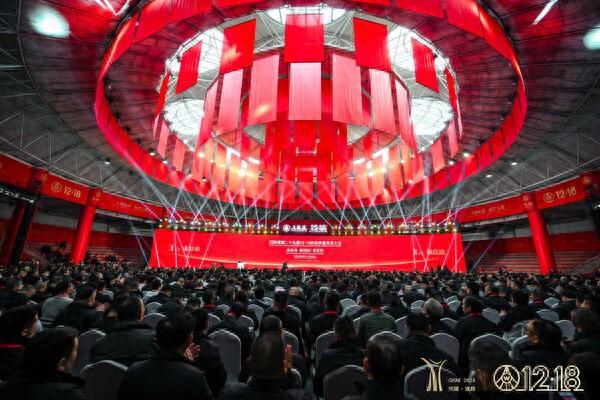
Core Viewpoint - The Chinese liquor industry, particularly the baijiu sector, is undergoing a transformative change in demand and market structure, prompting producers like Wuliangye to strategize for future challenges and opportunities [1][3]. Group 1: Industry Changes - The baijiu industry is experiencing a comprehensive and disruptive transformation in product, market, and consumption structures, necessitating producers to confront these challenges [3]. - The current adjustment in the baijiu sector reflects a restructuring of competitive dynamics, value orientation, and market logic, presenting an opportunity for companies to gain strategic advantages [3]. Group 2: Wuliangye's Strategy and Strengths - Wuliangye's Chairman, Zeng Congqin, emphasized that new demand leads to new supply, which in turn creates new demand, highlighting the ongoing transformation in the baijiu industry [3]. - Wuliangye is well-prepared to navigate the industry reshuffle, backed by its strong development foundation and five key advantages: quality, brand, market presence, team, and financial resources [3]. - The company has established a dedicated grain base of 1.7 million acres for brewing and has developed advanced production facilities to ensure precise quality control [3]. Group 3: Achievements and Market Expansion - Wuliangye has received multiple quality awards, including the prestigious 2025 EFQM Global Award, which signifies its commitment to quality excellence [3]. - In 2025, Wuliangye expanded its retail presence by opening 474 specialty stores, experience centers, and themed restaurants, leading to significant increases in banquet sessions and bottle openings [3]. - A new low-alcohol product aimed at younger consumers achieved sales exceeding 100 million yuan within two months of launch, and the opening of themed restaurants in Singapore and Japan further expanded its overseas market presence [4].