京津冀环线高铁

Search documents
车流穿行,三地生活同城化
Xin Jing Bao· 2026-02-25 11:29
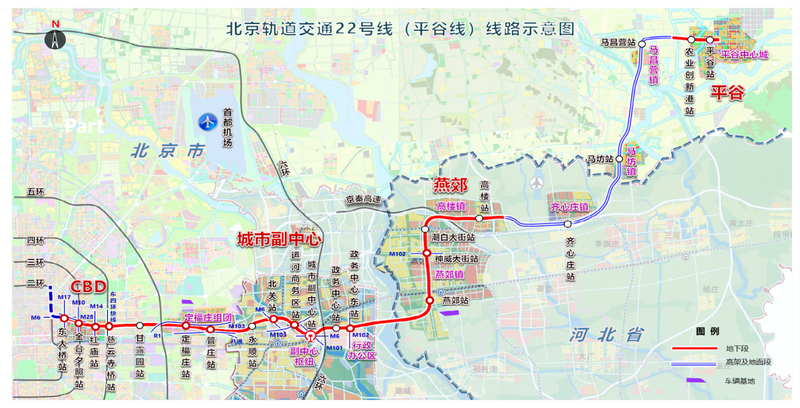
Group 1 - The core viewpoint of the articles highlights the rapid development of transportation integration in the Beijing-Tianjin-Hebei region, transforming it from a geographical area into a closely connected economic zone [1][2][6] - The Beijing Subway Line 22, expected to open by the end of this year, will significantly enhance cross-province commuting, creating a "1-hour traffic circle" between Langfang and Beijing [2][4] - The introduction of the "Dachang Special Line" bus service will provide a new commuting option for approximately 50,000 cross-province commuters, connecting them to the Beijing subway system [5][6] Group 2 - The Beijing-Tianjin intercity railway has reduced travel time between the two cities to just 30 minutes, facilitating a daily average of 225,000 trips by 2025 [6][7] - The launch of the Beijing-Tianjin-Hebei circular high-speed train will further enhance commuting efficiency, connecting key areas such as Beijing, Tianjin, and Xiong'an [8][10] - The "Eight Stations and Two Airports" transportation hub in Beijing is expected to handle over 12 million passengers during the 2026 Spring Festival, reflecting a 10% increase from the previous year [15][17] Group 3 - The integration of various transportation modes, including high-speed rail, subways, and buses, is reshaping commuting patterns and enhancing the overall travel experience for residents in the region [11][12][14] - The ongoing construction of the Xiong'an New Area's R1 line and its connection to Beijing's Daxing Airport is crucial for establishing a one-hour economic circle between the two areas [14][18] - The establishment of a coordinated management system for the "Eight Stations and Two Airports" framework aims to improve operational efficiency and reduce congestion in central Beijing [16][17]

蓝图变通途 三地若比邻
Xin Lang Cai Jing· 2026-02-22 00:26
Core Viewpoint - The development of the railway network in the Beijing-Tianjin-Hebei region during the "14th Five-Year Plan" period has significantly improved transportation convenience, enhancing the integration of the region and supporting the capital's functional construction and collaborative development [1][2][3]. Group 1: Railway Network Development - The railway department has strengthened the connectivity between Beijing, Tianjin, and Hebei by increasing the frequency of intercity trains and launching new routes, forming four high-speed rail corridors between Beijing and Tianjin [1][2]. - The opening of the Beijing-Tianjin intercity and the introduction of new ticketing products have improved the public transport experience, making travel more convenient for residents [1][3]. - The completion of the Beijing-Tianjin ring high-speed rail has created a fast and efficient transportation loop, reshaping commuting and business travel patterns among the three cities [3][4]. Group 2: Impact on Residents - Residents like Yan Fusheng have experienced enhanced travel convenience, allowing for easier commuting between work and home, thus improving work-life balance [2][3]. - The opening of the Beijing-Tianjin intercity railway has increased travel options, enabling residents to return home more frequently and conveniently [2][3]. - The development of the railway network has led to a significant increase in the number of employees commuting from Beijing and Hebei to work in the Tianjin area, with high-speed rail commuting becoming a norm [5][6]. Group 3: Cultural and Economic Integration - The railway network is not only facilitating transportation but also serving as a platform for cultural exchange and tourism, as seen with the launch of special tourist trains like the "Starry Sky·Yanzhao" train [6][7]. - The railway department is promoting cultural activities at stations, enhancing the travel experience and fostering a sense of community among passengers [7]. - The ongoing development of the railway network is expected to further stimulate economic growth and innovation in the region, particularly in high-end manufacturing and future industries [5][7].
蓝图变通途,三地若比邻
Xin Lang Cai Jing· 2026-02-21 23:23
Core Insights - The "14th Five-Year Plan" period has seen the expansion of the "railway network in the Beijing-Tianjin-Hebei region," enhancing connectivity and supporting the development of the "dual-city" model between Beijing and Tianjin [1][19] - The introduction of new high-speed rail lines and commuter trains has significantly improved travel convenience for residents, facilitating better access to key urban centers and promoting regional collaboration [1][9] Group 1: Infrastructure Development - The railway department has increased the frequency of the Beijing-Tianjin intercity trains and launched new lines such as the Beijing-Binhai and Tianjin-Xing, creating four high-speed rail corridors between Beijing and Tianjin [1] - The opening of the Beijing-Tianjin-Hebei circular high-speed rail line on January 26 has connected major nodes like Beijing, Xiong'an, and Tianjin, enhancing commuting options and reshaping travel patterns [7][9] - By the end of the "14th Five-Year Plan," the total operating mileage of the National Railway Beijing Bureau is expected to reach 10,394.9 kilometers, with high-speed rail accounting for 2,795.6 kilometers, marking a significant increase in network scale and quality [19] Group 2: Economic and Social Impact - The improved railway network has transformed the commuting experience for residents, allowing for quicker travel times and more flexible work-life balance, as exemplified by individuals like Yan Fusheng, who can now easily return home to Xiong'an [8][9] - The introduction of the "Starry Sky·Yanzhao" tourism train has promoted cultural tourism in Hebei, enhancing the region's appeal and providing unique travel experiences for visitors [12][13] - The railway network's expansion has also supported local economies by facilitating business travel and attracting investment, as seen in the increased number of train services between key cities [11][19]
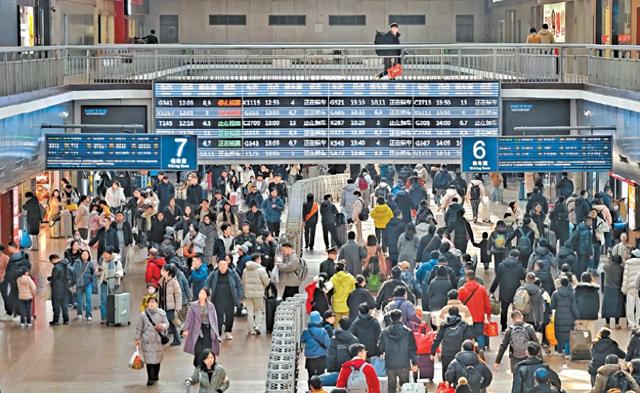
京津冀春节铁路出行体验:蓝图变通途,三地若比邻
Xin Lang Cai Jing· 2026-02-21 05:57
Core Viewpoint - The opening of the Beijing-Tianjin-Hebei circular high-speed railway has significantly improved commuting convenience, reshaping travel patterns and enhancing connectivity among key cities in the region [4][5][10]. Group 1: High-Speed Railway Developments - The new high-speed railway line connects Beijing, Xiong'an, Tianjin, and other important nodes, creating an efficient transportation network that facilitates commuting, business, and family visits [4][6]. - The G8859 train from Beijing West Station to Tianjin West Station marks the first operation of a circular high-speed train in the Beijing-Tianjin-Hebei region, enhancing travel options for residents [3][4]. - The introduction of the Beijing-Tongzhou station and the full operation of the Beijing-Tangshan intercity railway have improved travel times, with the fastest journey from Beijing to Tangshan taking only 55 minutes [6][8]. Group 2: Impact on Residents - Residents like Yan Fusheng have experienced a more convenient travel experience, allowing them to return home to Xiong'an every weekend, thanks to the new high-speed connections [3][5]. - The increased frequency of trains has made it easier for employees in the Beijing-Tianjin-Hebei area to manage work-life balance, with many commuting from nearby cities [7][8]. - The development of the Beijing-Tianjin-Hebei transportation network has led to a significant increase in the number of employees living in Beijing or Hebei, with high-speed commuting becoming a norm [7][8]. Group 3: Cultural and Economic Implications - The railway network improvements are not only enhancing travel convenience but also promoting cultural exchanges and economic development in the region [13][19]. - The introduction of special tourist trains, such as the "Starry Sky Yanzhao" train, aims to boost tourism and cultural experiences during the Spring Festival, showcasing local attractions [10][11]. - The ongoing expansion of the railway network supports the collaborative development of the Beijing-Tianjin-Hebei region, facilitating the growth of various industries and enhancing overall connectivity [13][19].
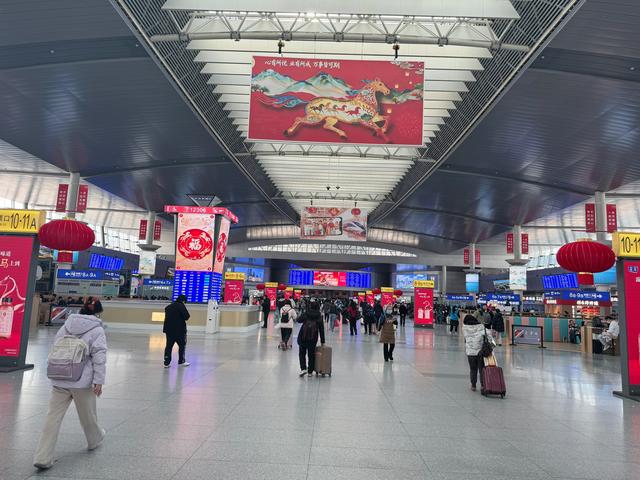
国铁北京局2月11日预计发送旅客123万人次
Bei Jing Shang Bao· 2026-02-10 14:25
Group 1 - On February 10, the China Railway Beijing Bureau Group Company reported a total of 1.1926 million passengers were sent, with 666,000 from Beijing and 387,000 arriving [1] - On February 11, the bureau expects to send 1.23 million passengers, including 711,000 from Beijing and 388,000 arriving [1] - A total of 137 additional passenger trains will be launched towards cities such as Harbin, Changchun, Shenyang, Zhengzhou, Wuhan, Changsha, Taiyuan, and Xi'an [1] Group 2 - The first circular high-speed train in the Beijing-Tianjin-Hebei region has been in operation for half a month, serving over 18,000 passengers since its launch on January 26 [1] - The Beijing passenger segment has equipped commuting passengers with eye masks, earplugs, and heating pads, while providing children's reading materials and parent-child cards for family trips [1] - The train has set up multifunctional convenience boxes stocked with charging cables, sewing kits, raincoats, and other emergency supplies, along with offering hot meal options during peak hours [1]
京津冀环线高铁首次承担春运任务
Xin Lang Cai Jing· 2026-02-05 13:06
Group 1 - The Beijing-Tianjin-Hebei ring high-speed railway has commenced operations, marking its first Spring Festival transportation task [3] - This new high-speed rail line efficiently connects core cities and important nodes in the region, enhancing the convenience of travel [3] - The G8859 train departed punctually from Beijing West Station, showcasing the operational readiness of the new line during the peak travel season [3]
京津冀环线高铁改写“跨城生活”时间表
Xin Lang Cai Jing· 2026-02-01 19:21
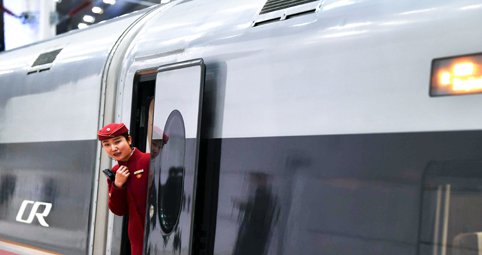
Core Viewpoint - The launch of the "Beijing-Tianjin-Hebei Ring High-Speed Railway" on January 26, 2026, significantly enhances commuting efficiency between Beijing, Tianjin, and Xiong'an New Area, addressing the growing demand for cross-city travel and improving the quality of life for commuters [1][4][10]. Group 1: Commuting Improvements - The new high-speed train G8859 departs from Beijing West Station at 6:48 AM and arrives at Baiyangdian Station at 7:53 AM, effectively catering to the morning peak commuting hours [1][4]. - Commuters like Mr. Hou and Mr. Li express relief as the new train schedule allows them to manage their time better, reducing the stress of late arrivals at work [2][5]. - The train's operation is expected to alleviate the previous challenges faced by commuters, such as long travel times and multiple transfers [6][7]. Group 2: Economic and Social Impact - The Xiong'an New Area is becoming a hub for over 140 central enterprises and 4,000 businesses from Beijing, indicating a significant economic shift and urban development [6][7]. - The high-speed railway is part of a broader strategy to enhance connectivity and support the high-quality development of Xiong'an New Area, facilitating the relocation of non-capital functions from Beijing [7][10]. - The integration of transportation networks is expected to foster a "same-city effect," making cross-city living more feasible and enhancing regional collaboration [10][11]. Group 3: Operational Enhancements - The Baiyangdian Station has seen a substantial increase in train services, from 23 trains in 2016 to 63 trains currently, reflecting the growing demand for travel in the region [7]. - The new train service is part of a larger adjustment in the railway operation schedule, which includes 193 pairs of passenger trains from Beijing West Station, enhancing overall transport capacity [11][12]. - The introduction of the high-speed railway is a strategic move to optimize the regional rail network, improving travel efficiency and supporting economic growth [7][10].
京津冀首开环线高铁
Bei Jing Shang Bao· 2026-01-26 12:30
Group 1 - The G8859 train marks the first circular high-speed train service in the Beijing-Tianjin-Hebei region, connecting key stations including Beijing, Xiong'an, and Tianjin [2] - The operation of this circular high-speed train is a significant milestone in the collaborative development of the Beijing-Tianjin-Hebei area, enhancing commuter travel and business connectivity [2] - The new service creates a "railway life circle," facilitating cross-city living and the realization of the "same city effect" among the three regions [2] Group 2 - As of January 26, a new train operation schedule has been implemented, with Beijing West Station managing 199 pairs of passenger trains, including 138 pairs of high-speed trains [3] - The introduction of the G357 high-speed train significantly reduces travel time from Beijing to Yan'an to 5 hours and 44 minutes, enhancing transportation efficiency [3] - This new direct train service to Yan'an is expected to boost local tourism, particularly in the red tourism sector, and strengthen economic and cultural exchanges between Yan'an and Beijing [3]