
京唐城际铁路

Search documents
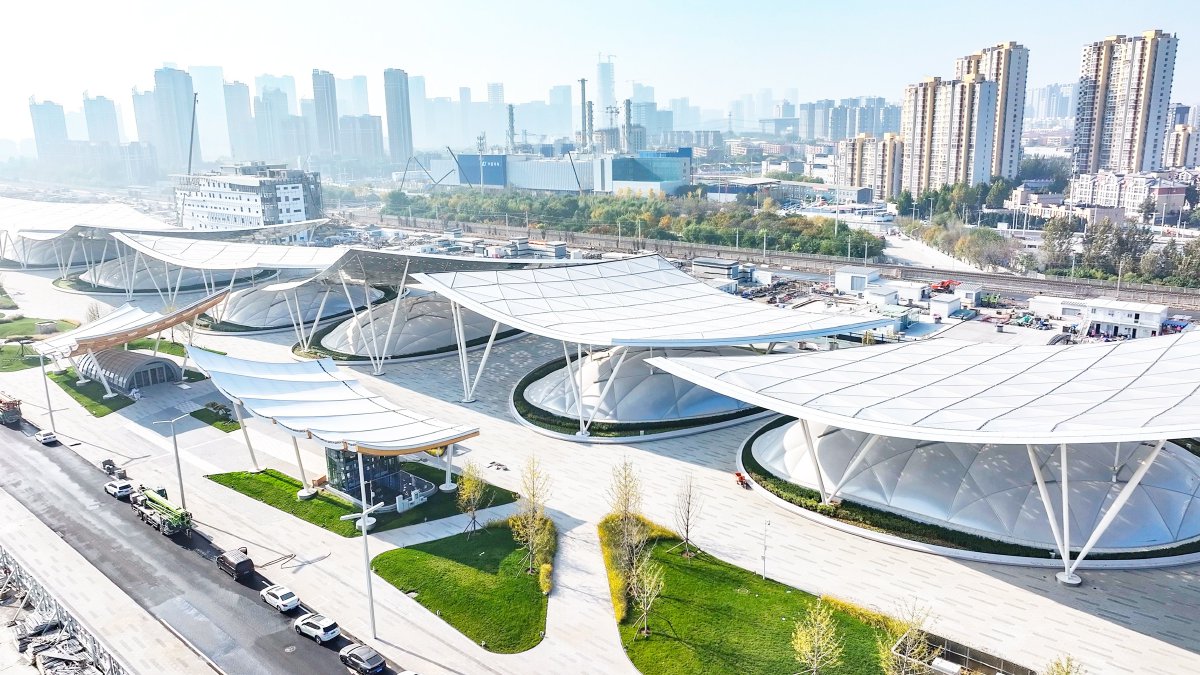
首迎春运大考 北京通州站身影忙碌
Xin Lang Cai Jing· 2026-02-27 22:33
Core Viewpoint - The Beijing Tongzhou Station is undergoing its first major test during the Spring Festival travel rush, with a focus on managing passenger flow efficiently and ensuring a smooth travel experience for commuters [1][4]. Group 1: Passenger Flow Management - The station has implemented strategies to manage peak passenger flow, such as opening a rapid entrance when expected inflow exceeds 3,000 passengers [5]. - Staff members, including duty officer Shao Chenfei, guide passengers to the most efficient exits based on their familiarity with the station layout [5][6]. - The station experiences concentrated passenger flow during morning and evening peak hours, particularly with travelers heading to Tangshan and Qinhuangdao [4][10]. Group 2: Infrastructure and Operations - The Beijing Tongzhou Station, which opened on December 30, 2025, connects two intercity railways, enhancing travel convenience for residents in the Beijing-Tianjin-Hebei region [4][6]. - The communication system at the station is crucial for operational efficiency, ensuring that all commands and data are transmitted accurately [7][9]. - The station's underground location presents unique challenges, such as maintaining a clean electromagnetic environment to avoid communication interference [8][9]. Group 3: Staff Contributions and Innovations - Staff members, including train driver Li Yongqiang, have undergone extensive training and testing to ensure smooth operations, particularly in challenging conditions like steep descents [13][14]. - Innovations in operational procedures, such as the "three looks, two controls, and one confirmation" method developed by Li Yongqiang, have improved the accuracy of train stopping at the station [14][15]. - The dedication of staff members, who often work through the holiday period, reflects their commitment to passenger safety and service quality [9][10].

蓝图变通途 三地若比邻
Xin Lang Cai Jing· 2026-02-22 00:26
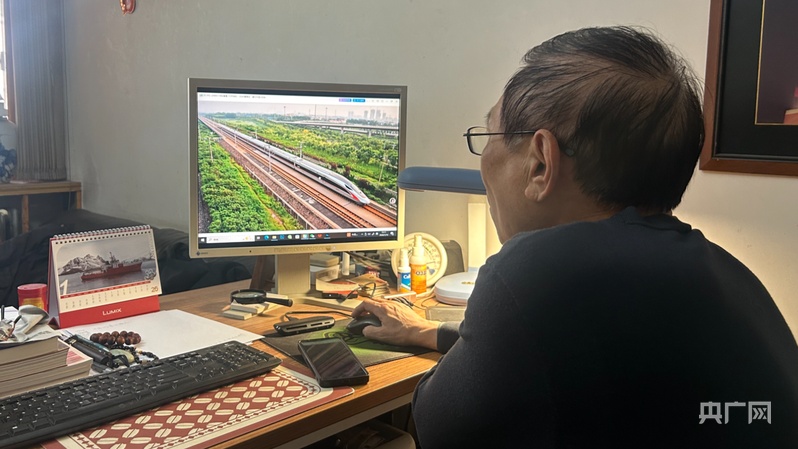
Core Viewpoint - The development of the railway network in the Beijing-Tianjin-Hebei region during the "14th Five-Year Plan" period has significantly improved transportation convenience, enhancing the integration of the region and supporting the capital's functional construction and collaborative development [1][2][3]. Group 1: Railway Network Development - The railway department has strengthened the connectivity between Beijing, Tianjin, and Hebei by increasing the frequency of intercity trains and launching new routes, forming four high-speed rail corridors between Beijing and Tianjin [1][2]. - The opening of the Beijing-Tianjin intercity and the introduction of new ticketing products have improved the public transport experience, making travel more convenient for residents [1][3]. - The completion of the Beijing-Tianjin ring high-speed rail has created a fast and efficient transportation loop, reshaping commuting and business travel patterns among the three cities [3][4]. Group 2: Impact on Residents - Residents like Yan Fusheng have experienced enhanced travel convenience, allowing for easier commuting between work and home, thus improving work-life balance [2][3]. - The opening of the Beijing-Tianjin intercity railway has increased travel options, enabling residents to return home more frequently and conveniently [2][3]. - The development of the railway network has led to a significant increase in the number of employees commuting from Beijing and Hebei to work in the Tianjin area, with high-speed rail commuting becoming a norm [5][6]. Group 3: Cultural and Economic Integration - The railway network is not only facilitating transportation but also serving as a platform for cultural exchange and tourism, as seen with the launch of special tourist trains like the "Starry Sky·Yanzhao" train [6][7]. - The railway department is promoting cultural activities at stations, enhancing the travel experience and fostering a sense of community among passengers [7]. - The ongoing development of the railway network is expected to further stimulate economic growth and innovation in the region, particularly in high-end manufacturing and future industries [5][7].
蓝图变通途,三地若比邻
Xin Lang Cai Jing· 2026-02-21 23:23
Core Insights - The "14th Five-Year Plan" period has seen the expansion of the "railway network in the Beijing-Tianjin-Hebei region," enhancing connectivity and supporting the development of the "dual-city" model between Beijing and Tianjin [1][19] - The introduction of new high-speed rail lines and commuter trains has significantly improved travel convenience for residents, facilitating better access to key urban centers and promoting regional collaboration [1][9] Group 1: Infrastructure Development - The railway department has increased the frequency of the Beijing-Tianjin intercity trains and launched new lines such as the Beijing-Binhai and Tianjin-Xing, creating four high-speed rail corridors between Beijing and Tianjin [1] - The opening of the Beijing-Tianjin-Hebei circular high-speed rail line on January 26 has connected major nodes like Beijing, Xiong'an, and Tianjin, enhancing commuting options and reshaping travel patterns [7][9] - By the end of the "14th Five-Year Plan," the total operating mileage of the National Railway Beijing Bureau is expected to reach 10,394.9 kilometers, with high-speed rail accounting for 2,795.6 kilometers, marking a significant increase in network scale and quality [19] Group 2: Economic and Social Impact - The improved railway network has transformed the commuting experience for residents, allowing for quicker travel times and more flexible work-life balance, as exemplified by individuals like Yan Fusheng, who can now easily return home to Xiong'an [8][9] - The introduction of the "Starry Sky·Yanzhao" tourism train has promoted cultural tourism in Hebei, enhancing the region's appeal and providing unique travel experiences for visitors [12][13] - The railway network's expansion has also supported local economies by facilitating business travel and attracting investment, as seen in the increased number of train services between key cities [11][19]
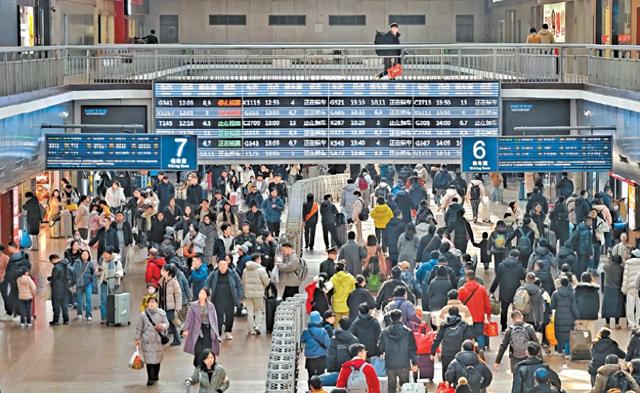
京津冀春节铁路出行体验:蓝图变通途,三地若比邻
Xin Lang Cai Jing· 2026-02-21 05:57
Core Viewpoint - The opening of the Beijing-Tianjin-Hebei circular high-speed railway has significantly improved commuting convenience, reshaping travel patterns and enhancing connectivity among key cities in the region [4][5][10]. Group 1: High-Speed Railway Developments - The new high-speed railway line connects Beijing, Xiong'an, Tianjin, and other important nodes, creating an efficient transportation network that facilitates commuting, business, and family visits [4][6]. - The G8859 train from Beijing West Station to Tianjin West Station marks the first operation of a circular high-speed train in the Beijing-Tianjin-Hebei region, enhancing travel options for residents [3][4]. - The introduction of the Beijing-Tongzhou station and the full operation of the Beijing-Tangshan intercity railway have improved travel times, with the fastest journey from Beijing to Tangshan taking only 55 minutes [6][8]. Group 2: Impact on Residents - Residents like Yan Fusheng have experienced a more convenient travel experience, allowing them to return home to Xiong'an every weekend, thanks to the new high-speed connections [3][5]. - The increased frequency of trains has made it easier for employees in the Beijing-Tianjin-Hebei area to manage work-life balance, with many commuting from nearby cities [7][8]. - The development of the Beijing-Tianjin-Hebei transportation network has led to a significant increase in the number of employees living in Beijing or Hebei, with high-speed commuting becoming a norm [7][8]. Group 3: Cultural and Economic Implications - The railway network improvements are not only enhancing travel convenience but also promoting cultural exchanges and economic development in the region [13][19]. - The introduction of special tourist trains, such as the "Starry Sky Yanzhao" train, aims to boost tourism and cultural experiences during the Spring Festival, showcasing local attractions [10][11]. - The ongoing expansion of the railway network supports the collaborative development of the Beijing-Tianjin-Hebei region, facilitating the growth of various industries and enhancing overall connectivity [13][19].
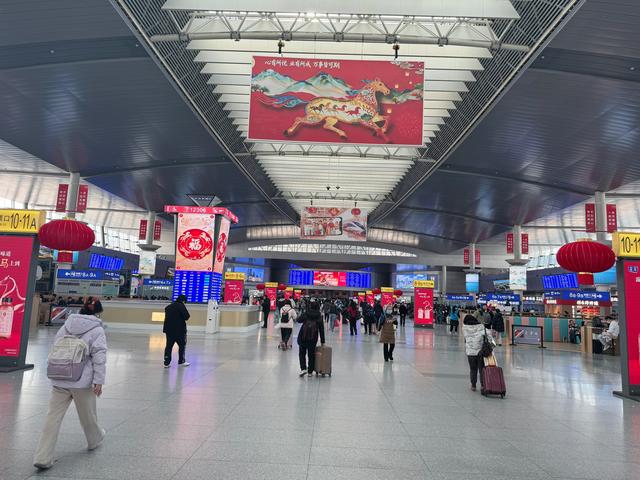
奔赴新春的美好
Xin Lang Cai Jing· 2026-02-16 01:30
Core Insights - The opening of the Beijing-Tangshan intercity railway has significantly improved travel convenience for residents, allowing for a one-hour direct connection between the two cities, enhancing the overall experience of returning home for the New Year [1][2] Group 1: Transportation Development - The Beijing-Tangshan intercity railway officially opened on December 30, 2022, providing a travel time of 55 minutes between the two cities, which has made the journey much more convenient for travelers [1] - The railway has transformed the commuting experience, enabling residents to easily travel between Beijing and Tangshan for work and family visits, thus facilitating the integration of the Beijing-Tianjin-Hebei region [2] Group 2: Economic Impact - Business owners have expressed increased confidence in their operations due to the railway, as it allows for same-day round trips for business meetings, which was previously time-consuming [2] - The railway's opening is seen as a catalyst for economic growth and collaboration within the Beijing-Tianjin-Hebei area, reflecting the benefits of regional development initiatives [2]
大战略牵引新开局|一体化版图持续上新 京津冀交通网绘就共赢圈
Yang Guang Wang· 2026-02-06 00:38
Core Viewpoint - The article highlights the transformation of the Beijing-Tianjin-Hebei region through the development of integrated transportation networks, emphasizing the importance of railways in enhancing connectivity and improving the quality of life for residents [2][3][4]. Group 1: Transportation Development - The implementation of the Beijing-Tianjin-Hebei coordinated development strategy has led to significant advancements in transportation integration over the past twelve years, reshaping the flow of people and goods in the region [3][9]. - The total operational mileage of high-speed rail in the Beijing-Tianjin-Hebei region is projected to reach 2,795.6 kilometers by the end of 2025, facilitating a half-hour commuting circle between Beijing and Tianjin [8]. - The introduction of seamless air-rail connections, such as the integration of the Tianjin West Station with Beijing Daxing International Airport, enhances travel convenience for passengers [6][8]. Group 2: Economic and Social Impact - The development of transportation networks has not only improved travel efficiency but also contributed to the economic integration of the region, allowing for better access to services and goods [10][16]. - The establishment of a comprehensive transportation network in Tianjin, including highways and public transport, supports the collaborative development of the Beijing-Tianjin-Hebei region, with a focus on enhancing public service accessibility [10][9]. - The efficient logistics facilitated by the transportation network, such as the rapid delivery of fresh produce from Tianjin Port, exemplifies the benefits of improved connectivity for local economies [16]. Group 3: Future Outlook - The year 2026 is identified as a critical milestone for the Tianjin city development plan, with a focus on furthering regional integration and enhancing the quality of life through improved transportation systems [2][10]. - The ongoing efforts to achieve "four network integration" aim to unify mainline railways, intercity railways, urban railways, and public transport systems, promoting a more cohesive living experience in the Beijing-Tianjin-Hebei area [16].
跨省通勤更便捷:从“走得了”到“走得好”
Xin Lang Cai Jing· 2026-01-17 21:49
Core Insights - The integration of transportation networks in the Beijing-Tianjin-Hebei region is enhancing cross-province commuting, making it more efficient and comfortable for residents [1][2][3] Transportation Developments - The opening of the Beijing-Tanggu Intercity Railway has significantly reduced travel time for commuters from Yanjiao to Tongzhou, now taking only 12 minutes compared to previous bus journeys that could take up to two hours [2][3] - Customized express buses in the Jing-Tai region are set to launch in May 2024, providing door-to-door service and improving accessibility for commuters [4] Impact on Commuters - Commuters are experiencing a transformation in their daily travel routines, with many now able to manage their time more effectively due to reduced travel times [2][4] - The new transportation options are not only facilitating work commutes but also enhancing personal travel for family visits and tourism, as seen with residents carrying personal items for visits [3] Regional Connectivity - The completion of key roads, such as the Anshi Road connecting Xianghe County to Beijing, is improving regional connectivity and reducing travel times by at least 20 minutes [5] - Enhanced transportation infrastructure is fostering economic development and resource sharing between regions, benefiting local industries and public services [5]

城际铁路开通、定制快巴扩容……跨省通勤更便捷:从“走得了”到“走得好”
Xin Lang Cai Jing· 2026-01-17 21:49
Core Viewpoint - The integration of transportation networks in the Beijing-Tianjin-Hebei region is significantly enhancing the efficiency and convenience of cross-provincial commuting, transforming the experience from merely feasible to comfortable and efficient [1][2][3]. Group 1: High-Speed Rail Commute - The opening of the Beijing-Tangshan Intercity Railway has drastically reduced travel time for commuters from Yanjiao to Beijing, with a direct high-speed train taking only 12 minutes compared to previous bus commutes that could take up to two hours [2][3]. - Commuters are now able to manage their time better, with one individual noting that the new high-speed rail allows for an extra hour of sleep due to reduced travel time [2]. Group 2: Customized Bus Services - The introduction of customized buses in the Jing-Tang region is set to enhance commuting convenience, operating on a "door-to-door" service model that allows passengers to board near their homes and travel directly to key destinations in Beijing [4]. - The customized bus service has launched 12 main lines and over 50 branch lines, covering key areas such as Yanjiao, Zhuozhou, and Xiong'an New Area, thereby strengthening the transportation network for cross-provincial travel [4]. Group 3: Infrastructure Development - The completion of the Anshi Road, which connects Xianghe County directly to Beijing's urban sub-center, has reduced travel time by at least 20 minutes, facilitating easier access for residents commuting to the city [6]. - Improved infrastructure not only enhances transportation efficiency but also promotes economic development and resource sharing between regions, benefiting local industries and public services [6].
从走得了到走得好,跨省通勤族收获协同发展新福利
Xin Lang Cai Jing· 2026-01-17 09:29
Core Insights - The integration of transportation networks in the Beijing-Tianjin-Hebei region is enhancing cross-province commuting, making it more efficient and comfortable for residents [1][4]. Transportation Developments - The Beijing-Tangshan Intercity Railway has been fully opened, allowing direct travel from Yanjiao to Tongzhou in just 12 minutes, significantly reducing commuting time compared to previous bus routes [2][3]. - Customized express buses have been introduced, providing door-to-door service for commuters in the region, with a focus on convenience and speed [4]. Commuter Experience - Commuters like Ms. Zhang have shifted from traditional bus routes to high-speed rail, allowing for better time management and a more pleasant commuting experience, including the ability to sleep longer in the morning [2][3]. - The new transportation options are not only beneficial for daily commuters but also facilitate family visits and tourism, enhancing overall connectivity between the two regions [3]. Regional Connectivity - The opening of the Anshi Road connecting Xianghe County and Beijing's Tongzhou District has improved travel times by at least 20 minutes, promoting economic and social interactions between the areas [9][11]. - The enhanced transportation infrastructure is expected to drive regional development, allowing for better access to markets and services, thus benefiting local industries and public services [9].
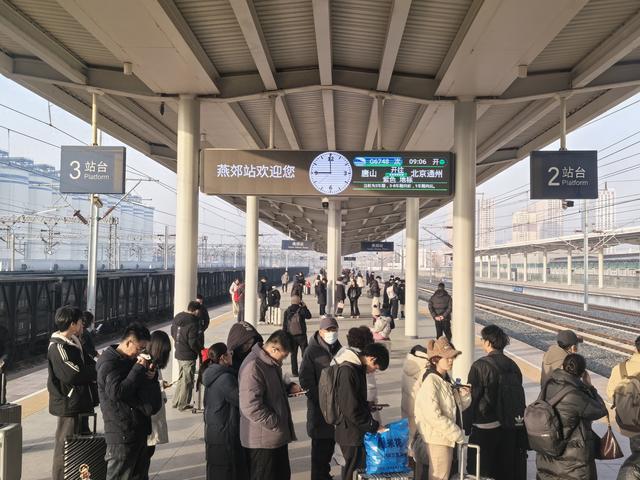
京唐城际铁路全线贯通 唐山融入北京一小时交通圈
Zhong Guo Jing Ji Wang· 2025-12-31 15:32
Core Viewpoint - The opening of the Beijing Tongzhou Station marks the full operation of the Beijing-Tangshan Intercity Railway, significantly reducing travel time between Tangshan and Beijing to 55 minutes, thereby integrating Tangshan into the Beijing one-hour traffic, living, and logistics circle [1] Group 1: Transportation Infrastructure - The Beijing-Tangshan Intercity Railway connects multiple regions in the Beijing-Tianjin-Hebei area, enhancing travel options for residents and promoting the construction of a "railway-based Beijing-Tianjin-Hebei" [1] - The railway features eight stations, including Beijing Tongzhou, Yanjiao, Dachang, Xianghe, Baodi, Yutian South, Tangshan West, and Tangshan, facilitating easier commutes for residents [1] Group 2: Impact on Residents - The new railway significantly improves the quality of life for residents, as exemplified by an elderly resident who can now visit family in Beijing in under an hour, compared to nearly two hours previously [2] - The railway also enhances medical access for residents, allowing for same-day travel to Beijing for medical treatment, thus saving time and energy [2] Group 3: Educational Opportunities - The railway's opening benefits students, allowing for easier access to academic resources and events in Beijing, thus enhancing their educational experience [3] - The presence of 1,500 new master's students at Beijing Jiaotong University in Tangshan is expected to facilitate the flow and sharing of quality educational resources in the region [3] Group 4: Economic and Talent Development - The improved transportation conditions foster talent mobility and regional innovation, breaking down barriers to communication and collaboration between high-level talents in Tangshan and Beijing [4] - The railway is expected to attract population, capital, technology, and information to Tangshan, promoting industrial upgrades and the development of modern service industries along the railway [4]