
人工智能辅助诊断

Search documents
视频丨民生暖、实干兴!亚太携手、共赴繁荣
Yang Shi Xin Wen Ke Hu Duan· 2026-02-11 02:01
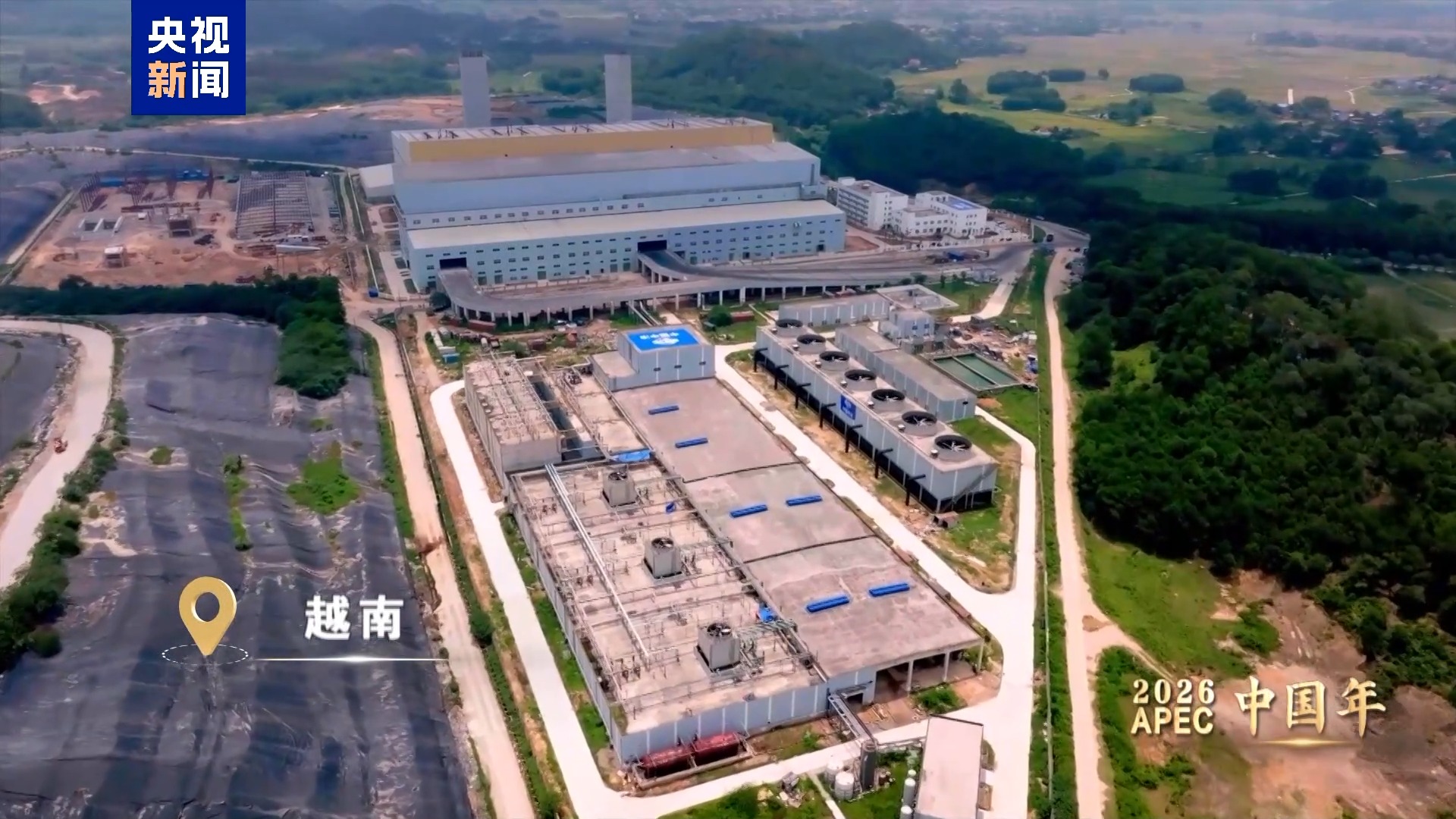
Core Insights - China's strategic layout is characterized by both "deep and broad" initiatives and "small and beautiful" approaches that focus on improving people's livelihoods in the Asia-Pacific region [2] - The opening of the Jakarta-Bandung High-Speed Railway in 2023 has facilitated over 12 million passenger trips [2] - A waste-to-energy plant in Hanoi, built with Chinese participation, processes 5,000 tons of waste daily, providing clean energy to approximately 180,000 households [2] - In Papua New Guinea, Chinese experts have trained around 3,000 individuals in low-cost agricultural technologies, benefiting thousands of locals [4] - Digital technologies from China are aiding hospitals in Bangkok, Thailand, in achieving smart transformation through 5G ambulances and AI-assisted diagnostics [6] - China is positioning itself as a leader in APEC cooperation, emphasizing trade facilitation, infrastructure projects, and shared experiences for mutual benefit [7] - The upcoming APEC summit in Shenzhen in 2026 is expected to focus on cooperation and innovation, showcasing the city's transformation from a fishing village to an innovation hub [8] - China's commitment to deepening reforms and expanding openness aims to foster a favorable external environment for high-quality development in the Asia-Pacific community [10] - The APEC "China Year" in 2026 will emphasize building a community for common prosperity and collaborative efforts among Asia-Pacific nations [12]

民生暖、实干兴!亚太携手、共赴繁荣
Yang Shi Xin Wen Ke Hu Duan· 2026-02-11 01:43
Group 1 - The core viewpoint emphasizes China's strategic layout and practical actions in infrastructure development, enhancing connectivity in the Asia-Pacific region and benefiting ordinary citizens [1][6] - The Jakarta-Bandung High-Speed Railway, constructed by China, is set to open in 2023, having already transported over 12 million passengers [1] - A waste-to-energy plant in Hanoi, built with Chinese involvement, efficiently processes 5,000 tons of waste daily, generating clean energy for approximately 180,000 households [1] Group 2 - In Papua New Guinea, Chinese experts have promoted low-cost agricultural technologies, training around 3,000 individuals, significantly benefiting local communities [3] - The technology, referred to as a "gift of survival from China," has enabled beneficiaries to improve their living standards, including education and housing [5] - In Bangkok, China is aiding hospitals in achieving digital transformation through 5G ambulances and AI-assisted diagnostics [5] Group 3 - China is positioning itself as a leader in APEC cooperation, focusing on trade facilitation, infrastructure projects, and shared experiences for mutual growth [6] - The upcoming APEC summit in Shenzhen in 2026 is anticipated to be a significant event for discussing cooperation and future development [7] - China's commitment to deepening reforms and expanding openness aims to foster a favorable external environment for high-quality development [9]
2025WAIC“AI+医疗健康产业图谱首发”:十大洞见解码人工智能医疗的"中国方案"
Di Yi Cai Jing· 2026-02-03 12:47
Group 1 - The core viewpoint is that AI in healthcare is integrated into national strategic planning, leading to an accelerated phase of industry development through a comprehensive policy framework [1][6] Group 2 - Infrastructure support focuses on standardization to enhance data interoperability and smart hospital construction, laying the groundwork for AI applications in healthcare [2] - Regulatory governance has established a tiered framework to balance innovation and safety, providing clear guidelines for AI medical software classification and lifecycle regulation [3] - Payment mechanism reforms are crucial for the commercialization of AI healthcare products, with policies supporting AI-assisted diagnosis and innovative payment models [4] Group 3 - Application scenarios are being expanded, with the government identifying key areas for AI in healthcare, creating a positive cycle of policy guidance and innovation [5] - The integration of AI with pharmaceutical manufacturing and healthcare services is encouraged, fostering a diversified innovation ecosystem [6] Group 4 - Shanghai is leading the way in medical AI development with the first provincial-level plan, aiming to create a nationally replicable model for AI in healthcare [7] - The plan emphasizes enhancing innovation sources, building support platforms, and creating comprehensive application scenarios in clinical and public health [8][9][10] Group 5 - Companies are focusing on three critical elements: application scenarios, data, and computing power, which are essential for breakthroughs in the AI healthcare industry [11][12] - There is a pressing need for high-value application scenarios, as many AI technologies face challenges in adapting to clinical and industry needs [13][14] - Data sharing and quality are significant concerns, with companies advocating for unified data-sharing mechanisms to overcome barriers [16][17] - The demand for computing power is high, and companies are calling for centralized computing resources to reduce costs and improve efficiency [17] Group 6 - The trend of companies expanding internationally is becoming essential, with different paths for AI in drug development and medical devices [18] - AI in drug development is characterized by a dual approach of licensing out and independent international expansion, focusing on regions with established clinical trial systems [19][20] - AI in medical devices is pursuing multiple strategies to adapt to global market needs, including remote surgery and tailored solutions [20] Group 7 - A comparison of capabilities between Chinese and American companies in various AI healthcare fields shows differences in market maturity and regulatory environments [30] Group 8 - Specialized medical models are gaining traction, with hospitals leading the deployment of AI models tailored to specific diseases [34] - Evidence-based medicine is being utilized to address challenges in AI reliability and accuracy [37][38] Group 9 - The emergence of embodied intelligence is expected to bridge the gap between digital healthcare and physical health services, focusing on autonomous medical interventions and human-robot collaboration [45][49][51] Group 10 - AI technology is fundamentally reshaping the healthcare industry by enhancing operational efficiency and expanding access to quality medical resources [54] - The shift from hospital-centered systems to personal health information systems marks a significant transformation in healthcare delivery, emphasizing proactive health management [56][60]

AI辅助诊断将在北京西城区社区卫生服务中心全覆盖
Xin Lang Cai Jing· 2026-01-06 17:29
Core Viewpoint - The launch of the public hospital reform and high-quality development demonstration project in Xicheng District, Beijing aims to enhance healthcare services through the integration of artificial intelligence and digital technologies in medical practices [1][2] Group 1: Project Overview - The demonstration project will be implemented over three years, focusing on collaborative governance in healthcare, hierarchical diagnosis and treatment, comprehensive reform of public hospitals, and the empowerment of digital technology [1] - The project aims to create replicable and promotable "Xicheng experience" to improve regional healthcare service levels [1] Group 2: Key Tasks and Measures - The implementation plan includes four major tasks and 13 reform measures, emphasizing the sharing of medical resources and the establishment of four centers: medical imaging, testing, pathology, and telemedicine [1] - A "one bed for the entire district" sharing mechanism will be explored, along with pilot programs for unified procurement of drugs, consumables, and equipment to achieve cost reduction and efficiency [1] Group 3: Hospital Development - The project will clarify the functional positioning of district hospitals through "one hospital, one policy" and promote key renovation projects like the revitalization of hospitals and standardized construction of community health service centers [1] - There will be a focus on strengthening specialties in traditional Chinese medicine, rehabilitation, and addressing shortages in geriatrics, pediatrics, psychiatry, and infectious diseases [1] Group 4: Digital Integration - The initiative will deepen the integration of digital technologies, establishing a unified platform for district hospitals, community health, public health, and health information to eliminate information barriers [2] - The project will provide smart health monitoring devices for the elderly and key chronic disease populations, facilitating proactive and continuous health management [2]
瞿晓琳:推动人工智能发展与民生紧密融合
Jing Ji Ri Bao· 2025-12-30 00:32
Core Viewpoint - The integration of artificial intelligence (AI) with the improvement of people's livelihoods is emphasized, aiming to enhance daily work, learning, and living through AI applications, particularly in healthcare, education, and elderly care [1][2]. Group 1: AI and Social Needs - The development of AI should respond to real social needs, transitioning from laboratory innovations to practical applications in areas like education, healthcare, and elderly care [2]. - AI can enhance social governance and public service efficiency by utilizing comprehensive data, intelligent algorithms, and powerful computing capabilities, shifting service models from passive to proactive [2]. - A people-centered approach is essential to ensure AI development aligns with human welfare, preventing issues like algorithm bias and privacy violations [2]. Group 2: Current Challenges - Despite advancements, AI faces challenges in technical adaptability, group suitability, and institutional compatibility, with issues such as digital divides and inadequate ethical safeguards [3]. - There is a need to focus on key areas and demographics to balance the technological enthusiasm of AI with its service temperature, ensuring stable and beneficial applications in improving livelihoods [3]. Group 3: Targeted Solutions - In education, AI can facilitate personalized learning and resource sharing to promote equity and innovation [3]. - In healthcare, AI can assist in diagnostics and enhance health management throughout the patient lifecycle [3]. - In elderly care, AI can improve service systems through technology adaptation and resource integration [3]. Group 4: Inclusivity and Long-term Development - AI should aim for inclusivity by addressing the digital divide and providing tailored solutions for various demographics, such as the elderly and disabled [4]. - Long-term development requires a robust institutional framework, including top-level design, incentive mechanisms, and collaborative governance to ensure AI benefits reach all citizens [4].
国金证券:医药健康行业站在新周期起点 关注板块整体修复机会
智通财经网· 2025-12-26 01:47
Core Viewpoint - The report from Guojin Securities indicates that certain sectors, such as ophthalmology and dentistry, are expected to see improved conditions by 2025, with a potential reversal in the healthcare services sector by 2026 as pricing wars and procurement risks diminish, suggesting an opportunity for valuation recovery across the sector [1] Group 1: Industry Development - The industry has entered a mature development phase characterized by intrinsic growth and structural optimization [2] - National policies, such as the "Opinions on Promoting High-Quality Development of Service Consumption," provide a solid foundation for long-term industry growth [2] - The rebalancing of supply and demand is a key theme, with weaker small medical institutions exiting the market, leading to increased industry concentration and opportunities for leading companies to gain market share [2] Group 2: Market Dynamics - The growth of leading companies in 2025 will primarily stem from improved operational efficiency and market share consolidation [2] - The report maintains a positive outlook on the growth potential and development logic of the chain medical industry, particularly for companies with strong asset attributes, excellent organic growth, and clear expansion strategies [2] Group 3: Sector Opportunities - There is a long-term penetration rate improvement logic in core sectors, with significant growth potential in ophthalmology and dentistry [3] - For instance, the cataract surgery rate in China was approximately 2,794 cases per million in 2022, significantly lower than the over 10,000 cases per million in Western countries, indicating substantial room for growth [3] - Companies like Aier Eye Hospital and Tongce Medical are leveraging strategic initiatives to enhance their market positions and operational efficiencies [3] Group 4: AI Integration - The integration of AI in healthcare is expected to enhance service quality while managing operational costs, particularly in imaging diagnostics and clinical decision-making [4] - AI applications are reducing reliance on repetitive tasks for doctors and improving diagnostic standardization [4] Group 5: Commercialization of AI - The commercialization of AI in healthcare is entering an accelerated phase, with policies in major cities like Beijing and Shanghai beginning to include AI-assisted diagnostics in insurance coverage [5] - Companies with strong technological barriers and clear commercialization paths are expected to achieve rapid growth and improved profitability as they navigate the transition from technology to market maturity [5]

国泰海通|医药:人工智能辅助诊断明确收费路径
国泰海通证券研究· 2025-12-25 12:53
Core Viewpoint - The issuance of the "Guidelines for the Project Establishment of Pathological Medical Service Pricing (Trial)" by the National Healthcare Security Administration is expected to standardize the artificial intelligence-assisted diagnosis market, leading to an upgrade in the medical device industry rating to "overweight" [2]. Group 1: Policy Overview - On December 19, 2025, the National Healthcare Security Administration published the guidelines, consolidating existing pricing projects into 28 items, with 3 additional charges and 2 expansion items [2]. - The guidelines specify that the first two items, pathology diagnosis fees and remote pathology diagnosis fees, include an expansion item for "artificial intelligence-assisted diagnosis," which covers the costs of human resources and basic material resources required for the entire diagnostic process [2]. Group 2: Implementation Details - Medical institutions are required to upload complete pathology diagnosis reports; failure to do so will result in a deduction of 5 yuan from the government-guided price for the corresponding project [3]. - For pathology sample staining checks, in situ hybridization, and slice replication, institutions must provide compliant "digital pathology slice images," with similar deductions applicable for non-compliance [3]. Group 3: Market Implications - The policy's provision for charging for artificial intelligence-assisted diagnosis as an expansion item is expected to regulate the market and stimulate further research and promotion in the industry [4]. - The requirement for uploading pathology diagnosis reports and digital slice images is anticipated to guide hospitals towards digital technology upgrades and facilitate the future nationwide sharing of diagnostic results [5].

病理类医疗服务定价规范整合:人工智能辅助诊断明确收费路径
GUOTAI HAITONG SECURITIES· 2025-12-25 12:09
Investment Rating - The report assigns an "Accumulate" rating to the medical device industry, indicating a positive outlook for investment opportunities [4]. Core Insights - The National Healthcare Security Administration (NHSA) issued the "Guidelines for the Project Establishment of Pathology Medical Service Pricing (Trial)," which is expected to standardize the artificial intelligence-assisted diagnosis market [2][4]. - The guidelines consolidate existing pricing projects into 28 items, with 3 additional charges and 2 expansion items, aiming to create a unified pricing standard across provinces [4]. - The inclusion of "AI-assisted diagnosis" as an expansion item in the pricing guidelines is anticipated to regulate the market and stimulate research and development in the industry [4]. Summary by Sections - **Policy Implementation**: The NHSA's guidelines are part of a broader initiative to reform medical service pricing, promoting a structured approach to pricing in pathology services [4]. - **Pricing Structure**: The guidelines specify that the pricing for pathology diagnosis includes costs associated with sample reception, interpretation, diagnosis, AI assistance, and report generation [4]. - **Digital Transformation**: The requirement for medical institutions to upload pathology reports and digital images is expected to drive the adoption of digital technologies and facilitate nationwide sharing of diagnostic results [4].
AI辅助诊断“有价可循”
Xin Lang Cai Jing· 2025-12-19 16:22
Core Insights - The National Healthcare Security Administration (NHSA) has released a guideline that includes "AI-assisted diagnosis" as an extension of pathology diagnosis, integrating it into the pricing structure for pathology services [1][2] - The guideline consolidates existing pricing projects into 28 items, with 3 additional charges and 2 expansion items, focusing on various stages such as biopsy sampling, sample processing, and pathological diagnosis [1] - The NHSA aims to promote the application of AI in pathology by guiding local pricing based on the resource investment costs associated with AI-assisted diagnosis, allowing medical institutions to choose whether to adopt this technology and negotiate revenue sharing with companies [1] Industry Implications - Pathology is recognized as the "gold standard" in medical diagnosis, utilizing platforms like cellular pathology and molecular pathology to provide critical insights for clinical treatment plans [1] - The NHSA will guide provincial healthcare security bureaus to establish a unified pricing benchmark across provinces, allowing for adjustments based on local conditions [2]
病理类医疗服务价格立项指南发布 AI辅助诊断“有价可循”
Xin Hua She· 2025-12-19 08:55
Core Viewpoint - The National Healthcare Security Administration of China has released a guideline that includes "artificial intelligence-assisted diagnosis" as an expanded item in pathology diagnosis, integrating it into the pricing structure of pathology diagnostic services [1] Group 1 - The guideline is titled "Guidelines for the Project Establishment of Pathological Medical Service Pricing (Trial)" [1] - Artificial intelligence-assisted diagnosis is now officially recognized as part of the pathology diagnostic pricing project [1]