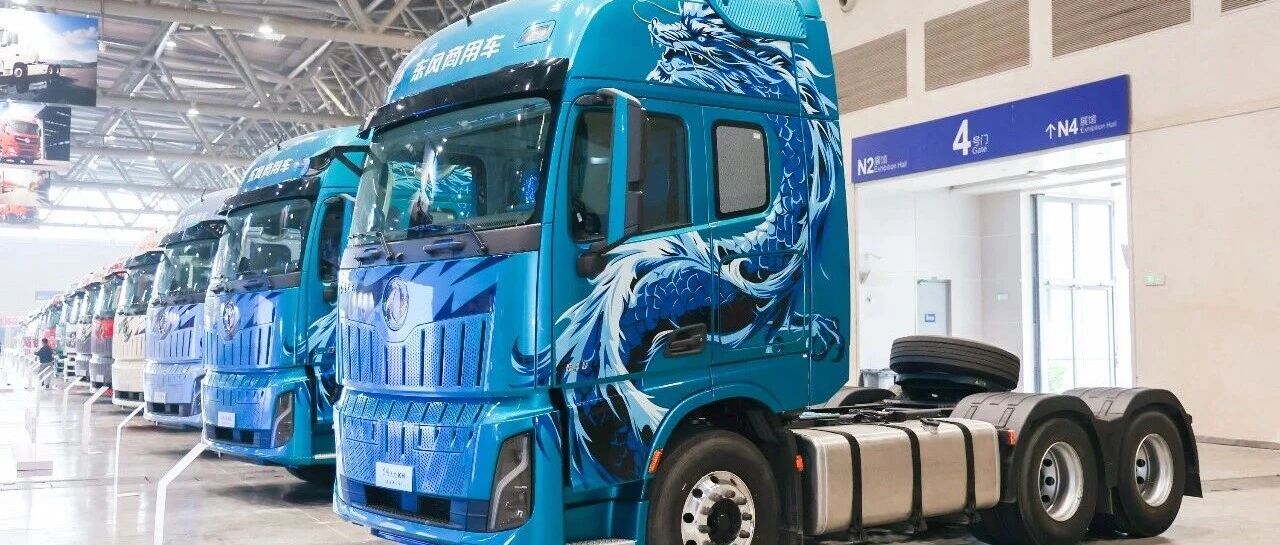
传统能源商用车

Search documents
“技术升级+生态构建”赋能中国重汽传统能源业务高质量发展
Zhong Guo Zheng Quan Bao· 2025-12-22 11:13
Core Viewpoint - The traditional energy commercial vehicle sector still holds about 70% of the domestic market share, indicating its strong foundation despite the acceleration of the energy transition and deep industry adjustments [1] Group 1: Technological Upgrades and Ecosystem Construction - China National Heavy Duty Truck Group is leveraging its national-level technology center and nearly a century of vehicle manufacturing experience to promote high-efficiency and low-carbon upgrades in traditional energy products [2] - The new generation of heavy-duty truck platform has achieved 307 patents, reducing the drag coefficient to 0.45 and lowering fuel consumption by 12% [2] - The company is integrating new technologies with traditional energy products, with L2-level intelligent driving assistance systems widely adopted, and expects to sell 1,500 units of advanced intelligent driving systems by 2025, capturing over 40% of the domestic market [2] - To maintain its technological leadership, the company plans to establish a top-tier R&D team of over 8,000 people in the next five years to enhance core technology capabilities [2] - The company is transitioning from a single product supplier to a comprehensive solution provider, offering a full lifecycle service system to enhance customer loyalty and market competitiveness [2] Group 2: Market Expansion and Overseas Growth - Traditional energy commercial vehicles remain irreplaceable in long-haul and complex working conditions, ensuring their long-term core market position [3] - The company has developed a product matrix covering light, medium, and heavy traditional energy vehicles for specific scenarios like engineering construction and long-distance logistics, expanding its market advantage [3] - The overseas market is a key growth engine for traditional energy business, with the company exporting to over 150 countries and regions, achieving a record monthly export of 15,000 heavy trucks in September 2025 [3] - The company anticipates that total heavy truck exports will exceed 150,000 units in 2025, representing an 11% year-on-year growth [3] - The practices of the company demonstrate that the traditional energy sector is not a sunset industry, as technological iterations and ecosystem upgrades can still create significant growth opportunities [3]

“技术升级+生态共建”赋能中国重汽传统能源业务高质量发展,传统能源市场仍有增长空间
Da Zhong Ri Bao· 2025-12-22 10:03
Core Insights - The traditional energy commercial vehicle sector still holds approximately 70% of the domestic market share, indicating that its foundation remains strong despite the acceleration of the new energy transition and deep industry restructuring [1] - China National Heavy Duty Truck Group (CNHTC) is not passively shrinking its traditional energy business but is strategically adjusting to achieve high-quality development through technological upgrades and ecosystem building [1][8] Technological Advancements - CNHTC is leveraging its national-level technology center and nearly a century of automotive experience to upgrade traditional energy products towards high efficiency and low carbon emissions [2] - The new generation of heavy-duty truck platforms features 307 patents, reducing drag coefficient to 0.45 and fuel consumption by 12%, ensuring the products remain at the forefront of industry efficiency and reliability [2] - The company is actively integrating new technologies with traditional energy products, with L2-level intelligent driving systems widely adopted in the sector, and aims for sales of high-level intelligent driving systems to reach 1,500 units by 2025, capturing over 40% of the domestic market [2] Ecosystem Development - In response to increasing market concentration, CNHTC is transitioning from a single product supplier to a comprehensive solution provider, offering a full lifecycle service system that enhances customer loyalty and market competitiveness [5] - The company is focusing on providing optimal Total Cost of Ownership (TCO) solutions through services covering purchase, usage, maintenance, and replacement [5] Market Expansion - Traditional energy commercial vehicles are not merely competing for existing market share; they remain irreplaceable in long-haul and complex operational scenarios, ensuring their core market position [6] - CNHTC has developed a comprehensive product matrix for traditional energy vehicles targeting specific scenarios like engineering construction and long-distance logistics, further solidifying its market leadership [6] - The overseas market is identified as a key growth engine for traditional energy business, with CNHTC exporting to over 150 countries and regions, achieving a record monthly export of 15,000 heavy-duty trucks by September 2025, and projecting an annual export of over 150,000 units, a year-on-year increase of 11% [6][8]

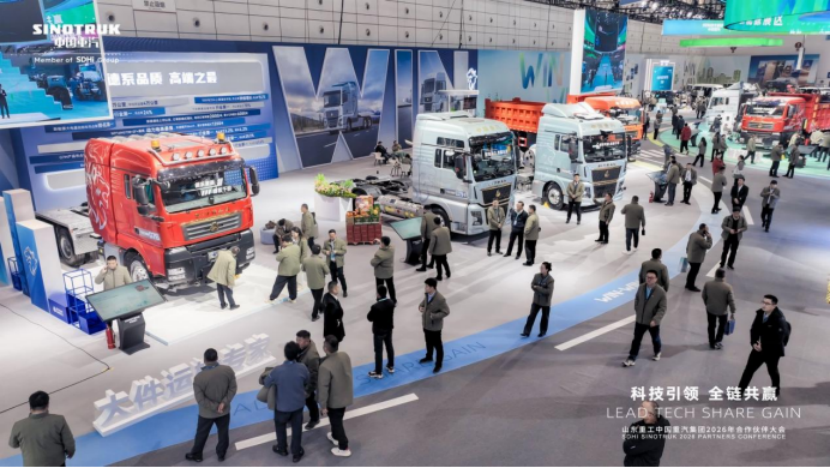
国四淘汰潮来袭!中国重汽预测:52万辆国四重卡待“消化”!多家商用车企对明年预期乐观
Mei Ri Jing Ji Xin Wen· 2025-12-20 08:29
Core Viewpoint - The upgrade of emission standards and safety regulations in China is raising the technical barriers in the commercial vehicle industry, leading to the accelerated elimination of outdated production capacity [1] Group 1: Market Trends and Regulations - The Ministry of Transport reported that 260,000 "National III" and "National IV" diesel trucks have been eliminated in the transportation sector as of the first half of this year [1] - The commercial vehicle market is experiencing structural growth driven by the old vehicle scrapping policy and the transition to new energy vehicles, with sales reaching 3.87 million units in the first 11 months of this year, a year-on-year increase of 10.4% [1] - The Central Economic Work Conference emphasized the need to optimize the implementation of policies for large-scale equipment updates and consumer goods replacement [1] Group 2: Company Projections and Sales Goals - China National Heavy Duty Truck Group aims for domestic sales of 340,000 units in 2026, with heavy truck sales projected at 170,000 units and light truck sales at 150,000 units [2] - The company forecasts a total sales volume of 450,000 units for 2025, representing a year-on-year growth of 25% [2] - Heavy truck sales are expected to grow by 33% to 150,000 units, while light truck sales are projected to increase by 29% to 120,000 units [2] Group 3: Export and Product Diversification - China National Heavy Duty Truck Group is expanding its export product range, with light truck exports expected to grow by 161% in 2025 and aftermarket parts sales projected to increase by 53% [3] - The company is enhancing its overseas marketing strategy for a full range of products, including mining trucks, pickups, and specialized vehicles [5] Group 4: Production Capacity and Challenges - The company has increased its monthly production capacity by 25% through adaptive modifications to production lines, achieving a daily production capacity of 1,300 units [6] - The company is facing delivery challenges due to rising domestic and export orders, necessitating a proactive sales forecasting approach [5] Group 5: New Energy Vehicle Strategy - The penetration rate of new energy vehicles in the heavy truck market is expected to reach 35% next year, driven by policy and market demands [7] - The company is committed to maintaining its presence in the traditional energy market while also advancing technology upgrades and ecological collaboration [8] Group 6: Future Goals and Financial Projections - By 2030, the company aims to achieve total revenue exceeding 400 billion yuan and vehicle sales surpassing 800,000 units, effectively doubling its performance compared to projected figures for 2025 [10]
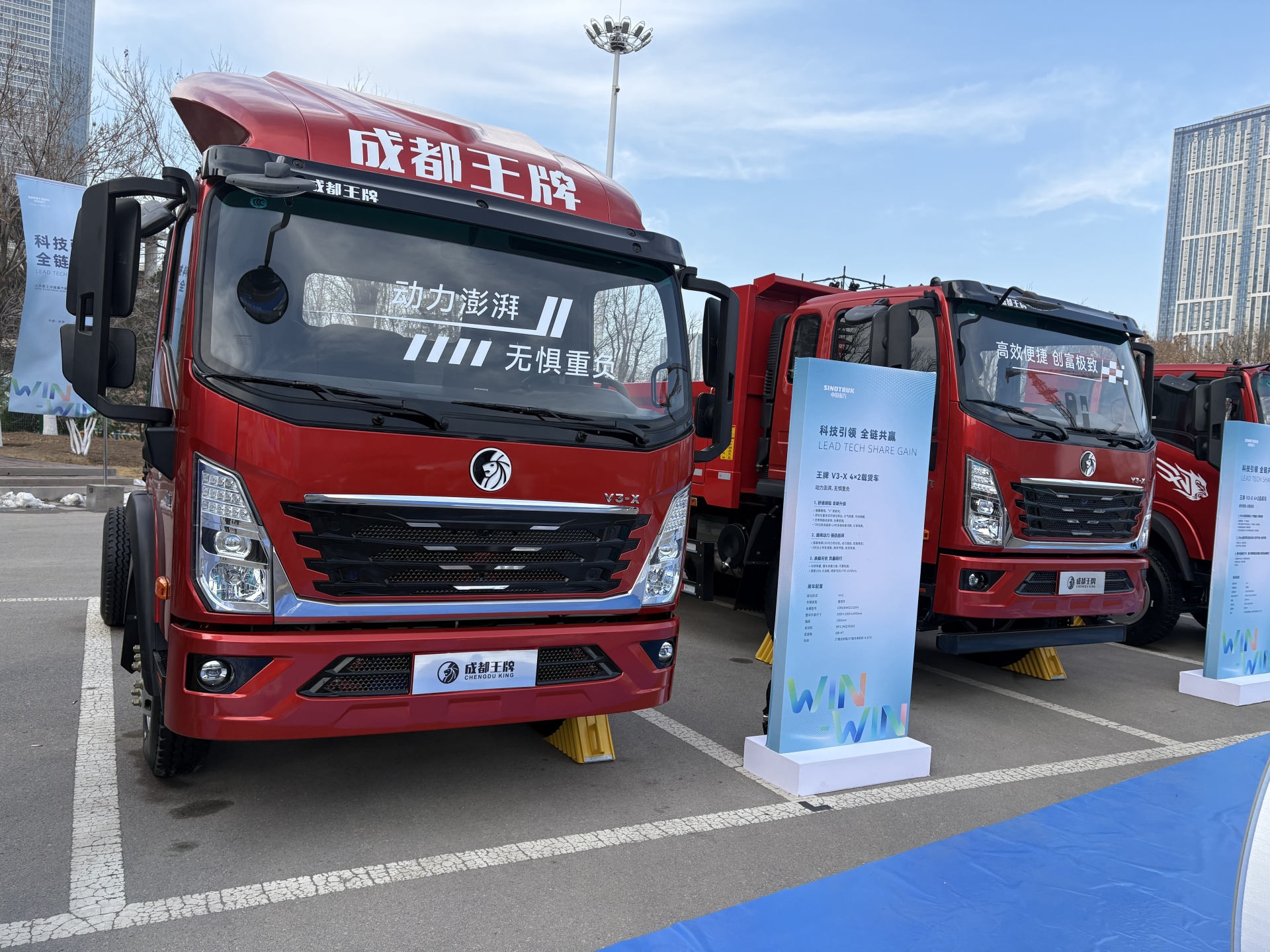
17.6万辆目标背后,东风商用车从新能源破万到全球化突围,怎么走?| 头条
第一商用车网· 2025-12-16 02:18
Core Viewpoint - The Chinese commercial vehicle industry is undergoing a transformation driven by an energy revolution, technological iteration, and market restructuring, with Dongfeng Commercial Vehicle setting ambitious sales targets for 2026 amidst these changes [1][3]. Group 1: Market Context and Performance - The heavy-duty truck market is expected to see a recovery in 2025, followed by a decline to 1.1 million units in 2026, with domestic demand around 700,000 units, presenting both opportunities and challenges [1]. - In 2025, Dongfeng Commercial Vehicle is projected to achieve wholesale sales of 131,000 units, a 24% year-on-year increase, with new energy vehicle sales exceeding 10,000 units, marking a significant 98% growth [6][8]. Group 2: Strategic Insights - Dongfeng's growth is attributed to precise market insights and proactive product strategies, launching over 70 models in the new energy sector and optimizing product performance [8]. - The company has implemented a customer-centric marketing approach (DFSW2.0) to stabilize its traditional energy market and achieve breakthroughs in niche markets [9]. - Dongfeng is fostering an open ecosystem by collaborating with industry leaders like Huawei and CATL to create a comprehensive value chain in the commercial vehicle sector [9][11]. Group 3: Future Strategic Directions - Dongfeng plans to focus on three core areas: new energy products, global expansion, and traditional energy value engineering [12][15]. - The "New Energy Products" initiative aims to revolutionize business models while maintaining a diverse product line across electric, hydrogen fuel, and hybrid technologies [15]. - The "Global Expansion" strategy targets a 30% share of overseas sales, emphasizing localized operations in key global markets [17]. - The "Traditional Energy Value Engineering" approach seeks to enhance brand value through high-end product development and efficient power solutions [19]. Group 4: Collaborative Ecosystem - The company emphasizes building a new type of partnership that fosters shared value and risk among stakeholders, aiming for a collaborative approach to achieve its sales target of 176,000 units [21]. - Dongfeng's strategic vision reflects a commitment to transforming challenges into long-term competitive advantages through ecosystem restructuring [25].