生态合作

Search documents
万咖壹联20260326
2026-03-26 13:20
Summary of Conference Call Notes Company Overview - The company discussed is 万咖壹联 (Wanka Yilian), focusing on its financial performance and strategic initiatives for 2025 and beyond. Key Financial Performance - Adjusted net profit for 2025 is projected at 65 million RMB, a year-on-year increase of 93.4% [2][3] - Gross margin improved from 8.95% to 10.04%, primarily due to cost reductions from AI and an increase in high-margin overseas business [2][3] - Mobile advertising revenue grew by 66.8% year-on-year, reaching 4.299 billion RMB [3] - Significant growth in overseas business, with revenue increasing from 39 million RMB in 2024 to over 200 million RMB in 2025, a growth of 518.2% [2][6] Strategic Initiatives - The company secured a platinum agency for Huawei's HarmonyOS and Apple ADS certification, ranking first among major manufacturers including Apple, Huawei, and Xiaomi [2][6] - R&D investment increased to 164 million RMB, a 77% increase, focusing on AI programmatic advertising and AI data services [2][4] - The company aims for revenue exceeding 6 billion RMB in 2026, with a growth rate of 40%-50% expected [2][9] AI Technology and Business Growth - AI technology is a core driver of business growth, enhancing advertising efficiency and return on investment (ROI) for clients [4][10] - The company has developed an AI programmatic advertising platform that significantly improves ad targeting and client retention [4][5] - Collaboration with Alibaba Cloud to enhance AI marketing technology and reduce R&D costs [5] Industry Trends - The gaming industry is experiencing positive trends, with a 25% increase in game licenses issued in 2025 [6] - The company is positioned well within the industry, leveraging AI to enhance ROI for advertisers and expand overseas revenue [6][9] Future Outlook - The company anticipates continued growth in overseas revenue, targeting a doubling of income each year, with expectations of reaching 4 billion RMB in 2026 and 8 billion RMB in 2027 [13] - The management is committed to long-term growth, with a stock incentive plan linked to market capitalization targets [8][14] Investment and Financing - The company completed a strategic placement of 350 million HKD, with 60% allocated for potential investments and acquisitions, particularly in AI and overseas expansion [8][11] - The management emphasizes the importance of maintaining a strong financial structure while investing in growth opportunities [11][12] Conclusion - The company is well-positioned for future growth, driven by its strategic focus on AI technology, overseas expansion, and strong partnerships with major tech firms. The management's commitment to long-term value creation is evident through their investment strategies and incentive plans.
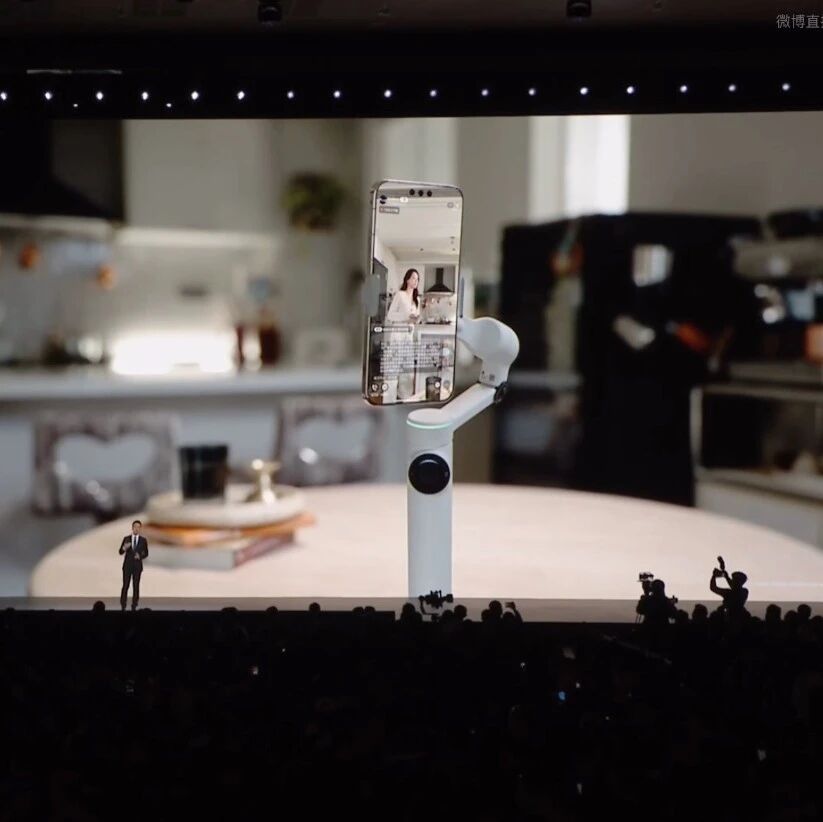
影石Flow 2 Pro 接入鸿蒙智能追焦功能,支持华为手机原生追踪
硬AI· 2026-03-25 15:18
Core Viewpoint - Huawei's Flow 2 Pro smartphone gimbal, now compatible with HarmonyOS 6 and above, enhances user experience in live streaming and video creation by providing intelligent tracking features without the need for external devices [2][3]. Group 1: Product Features - The Flow 2 Pro gimbal supports intelligent tracking for Huawei's native camera and third-party apps like WeChat and Douyin, allowing users to maintain a centered frame during various activities [2]. - Users can quickly connect the gimbal to their Huawei phones via NFC, enabling immediate access to shooting modes [3]. - The gimbal can be remotely controlled using HUAWEI WATCH Ultimate 2 or HUAWEI WATCH 5 series, allowing for angle adjustments, real-time previews, and focus control [3]. Group 2: Market Position and Strategy - Insta360, the company behind Flow 2 Pro, holds a 66% market share in the global panoramic camera market, maintaining its leading position [3]. - In the thumb camera market and the broader action camera market, Insta360 ranks first and second with market shares of 57% and 37%, respectively [3]. - The company is increasing its R&D investments to accelerate performance amid growing industry competition, with plans to launch new products including a wireless microphone and a handheld gimbal camera with telephoto capabilities [3].

核心伙伴收入年增长超100%,百度智能云做对了什么?
雷峰网· 2026-02-06 06:50
Core Viewpoint - The article discusses the transformation of the cloud computing ecosystem in the AI era, emphasizing the need for cloud vendors to redefine their relationships with partners to foster trust and create new value networks [2][4][21]. Group 1: Challenges in Traditional Cloud Ecosystem - The previous cloud ecosystem relied on a clear division of roles, where partners acted primarily as sales channels and integrators, leading to a "growth anxiety" due to reliance on narrow revenue streams [2][3]. - Partners expressed concerns about being easily replaced by competitors with similar capabilities, leading to a trust crisis within the ecosystem [3][4]. - The ongoing price wars in cloud computing have further compressed profit margins, challenging the sustainability of traditional revenue models [2][3]. Group 2: New Opportunities with AI - The rapid development of AI technologies and the emergence of large models present an opportunity to rewrite the rules of the ecosystem, moving towards a model that emphasizes deep understanding, scenario innovation, and operational services [3][4]. - Cloud vendors are encouraged to shift from traditional metrics to a focus on providing powerful AI tools and validated solution prototypes, allowing partners to leverage their industry expertise [6][21]. Group 3: Case Studies of Transformation - The case of Taiyue Satellite illustrates a proactive approach to transformation, where the company invested in a pilot project with Baidu Smart Cloud, leading to significant improvements in traffic management and establishing a new market role [9][10][12]. - The partnership allowed Taiyue Satellite to transition from a project executor to a core delivery partner, enhancing their market position and reducing project timelines from six months to three [13][14]. - Similarly, Rui Lian Kang Da's collaboration with Baidu Smart Cloud in the elderly care sector highlights the potential for co-creating new service paradigms, transforming traditional service delivery into a more efficient and user-friendly model [15][18]. Group 4: Strategic Insights and Future Directions - Baidu Smart Cloud's comprehensive AI infrastructure enables partners to integrate their unique strengths into a scalable business model, fostering a collaborative ecosystem [21][22]. - The article emphasizes the importance of readiness and adaptability for both partners and cloud vendors to seize emerging opportunities in the AI-driven market [24][25]. - The success of the new collaborative models is evidenced by significant growth in partner revenues and project participation, indicating a shift from resource aggregation to capability fusion [23][24].


从中国到印度,再回到欧洲,雷诺新全球布局的启示
Guan Cha Zhe Wang· 2026-02-03 03:32
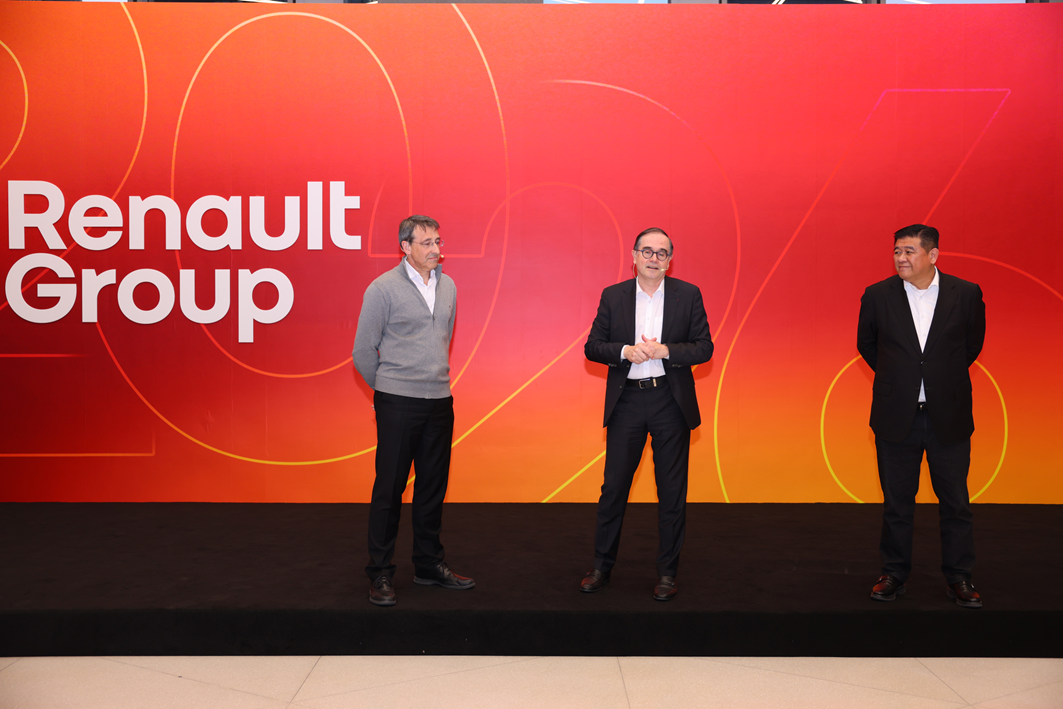
Core Insights - Renault is restructuring its global strategy by focusing on regional markets, particularly China and India, while maintaining its stronghold in Europe [4][15][16] Group 1: China Market Strategy - Renault emphasizes "ecological cooperation" and "collaborative innovation" in China, moving away from short-term sales goals to a long-term restructuring approach [4] - The establishment of the Advanced China Development Center (ACDC) in 2024 is central to Renault's strategy, aiming to enhance product strategy, operational excellence, partnerships, and talent [4][6] - ACDC has already demonstrated efficiency, with the Twingo E-Tech electric vehicle project taking only 21 months from inception to production, setting a benchmark within Renault [6] Group 2: India Market Strategy - Renault is re-entering the Indian market by reviving the Duster SUV, with plans to launch a new generation model on Republic Day [7][11] - The Indian market has evolved, with SUVs now comprising over 50% of the passenger car market, compared to about 10% when Duster was first introduced [9] - Renault has fully acquired its manufacturing plant in southern India, with an annual capacity of approximately 500,000 vehicles, and will continue to supply parts for other markets, particularly South America [11] Group 3: European Market Strategy - Europe remains Renault's most significant market, contributing about 70% of the group's sales, with France and Western Europe being the most stable regions [12] - Renault continues to update its product lineup in Europe, with models like Clio and Captur being regularly refreshed to maintain market presence [12][14] - New products in Europe, such as the upcoming electric Twingo, are positioned to reinforce brand identity rather than solely focus on profit maximization [14] Group 4: Global Strategy and Market Dynamics - Renault's new global strategy reflects a shift towards a multi-polar and fragmented world, where different regions play distinct roles in the company's operations [15][16] - China is viewed as the "brain" for technological innovation, India as the "head" for stable manufacturing, and Europe as the "heart" for core sales and brand value [15] - This approach allows Renault to adapt to the complexities of the global automotive market, seeking a more resilient and realistic survival strategy amid geopolitical and trade uncertainties [16]
锐捷网络(301165.SZ):公司与AMD存在业务合作
Ge Long Hui· 2026-01-13 01:24
Core Viewpoint - Ruijie Networks (301165.SZ) has announced a strategic partnership with AMD, enhancing their collaboration in the EPYC ecosystem, particularly in cloud desktop solutions [1] Group 1: Partnership and Collaboration - The company has upgraded its status to a strategic EPYC ecosystem partner with AMD as of June 2025 [1] - Ruijie Networks has developed the RG-CS7015 cloud desktop server based on AMD EPYC™ processors, which is widely used in educational and medical interactive scenarios [1] - The company plans to continue investing and collaborating closely with AMD to provide leading joint solutions for a broader range of industry scenarios [1]
不锈钢水管发展趋势分析:乐观基调背后的真相
Sou Hu Cai Jing· 2025-12-29 08:41
Market Drivers - The global market for stainless steel pipes is growing at an annual rate of 12%, expected to exceed $4.5 billion by 2025, driven by the dual forces of global water resource crises and health-conscious consumer upgrades [1] - Health concerns are leading to a rigid replacement of traditional pipes, as 80% of diseases are linked to drinking water pollution. Stainless steel pipes, with zero chemical leaching and over 99% antibacterial rate, are becoming the preferred choice in high-end residential, hospitals, and schools [2] - Policy mandates in China are promoting the widespread adoption of corrosion-resistant pipes, with significant subsidies for old pipe replacements. The market potential for replacing outdated pipes exceeds trillions of yuan [3] Technological Breakthroughs - Innovations in material technology are enabling stainless steel pipes to adapt to extreme environments, such as anti-freeze pipes for cold regions and corrosion-resistant pipes for coastal areas, enhancing their lifespan and efficiency [5] - The integration of IoT and big data is transforming stainless steel pipes from mere water transport tools to smart water management systems, significantly reducing leakage rates and maintenance costs [6] Policy Benefits - China's urban water supply network renovation is projected to create a market space worth trillions, with mandatory use of stainless steel pipes in new constructions and significant subsidies for retrofitting old systems [8] - Internationally, legislation in the U.S. and Germany is mandating the use of stainless steel for drinking water systems, further driving market growth [9] Potential Risks - The initial procurement cost of stainless steel pipes remains 2-3 times higher than that of traditional materials, posing challenges in price-sensitive markets [10] - The lack of standardized construction practices and compatibility issues among different brands complicate installation and maintenance, affecting market efficiency [11] - The industry is characterized by low concentration, with high-end products still reliant on imports, reflecting a technological gap in domestic production [12] Future Outlook - The long-term prosperity of the stainless steel pipe industry will depend on technological innovation, green transformation, and ecological collaboration to meet the evolving demands of various sectors [14]

阿维塔赴港冲刺IPO:“国家队”新能源稀缺标的,115亿押注华为背后
Di Yi Cai Jing Zi Xun· 2025-12-23 14:37
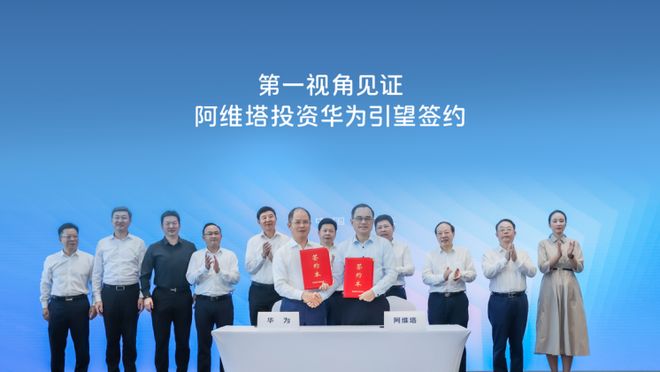
Core Viewpoint - The Chinese electric vehicle (EV) industry is facing challenges as market saturation approaches and profitability pressures increase, particularly for new entrants. Avita Technology's IPO represents a strategic move to navigate these challenges and serves as a case study for high-end smart EV survival logic in China [1][18]. Group 1: Industry Context - By 2025, the penetration rate of China's new energy vehicles is expected to approach 60%, leading to a saturated incremental market and increased competition [1]. - UBS predicts a potential 2% year-on-year decline in domestic passenger car sales in 2026, highlighting the industry's transition from "wild growth" to "refined cultivation" [1][2]. Group 2: Avita's Competitive Advantages - Avita's unique advantage lies in its "central enterprise background + industrial giant" collaborative ecosystem, which includes partnerships with Changan Automobile, Huawei, and CATL [2]. - The company has secured over 19 billion yuan in financing and has achieved a gross margin of 10.1% as of mid-2025, indicating strong financial performance [1][4]. Group 3: Business Model and Financial Performance - Avita adopts a light-asset model, focusing on product definition and brand building while outsourcing manufacturing and energy solutions to partners, enhancing operational efficiency [5][6]. - The company reported a revenue of 151.95 billion yuan in 2024, a 169% increase year-on-year, and 122.08 billion yuan in the first half of 2025, a 98.5% increase [6][9]. Group 4: Product Strategy and Market Response - Avita has developed a clear product matrix covering price ranges from 200,000 to 700,000 yuan, ensuring a solid sales foundation while exploring brand elevation [7][9]. - The company achieved a record sales figure of 14,057 vehicles in November 2025, with total sales surpassing 220,000 units [9]. Group 5: Global Expansion Strategy - Avita has initiated an aggressive global expansion strategy, entering 38 countries and regions since September 2024, with a goal of achieving 10% overseas sales by 2026 [10][13]. - The company plans to implement local assembly and production to reduce costs and improve market responsiveness in the long term [13]. Group 6: Capital Market and IPO Insights - Avita's IPO is not merely a financial necessity but aligns with its strategic goals, aiming to enhance corporate governance and attract talent [14][15]. - The capital market's valuation logic is shifting towards ecological rarity, technological control, and profitability certainty, areas where Avita excels [14]. Group 7: Strategic Partnerships and Ecosystem Development - Avita is expanding its ecosystem through partnerships, including a comprehensive collaboration with JD Retail to enhance marketing, after-sales service, and supply chain optimization [17]. - The company is actively building an open collaborative ecosystem to create a competitive advantage in a saturated market [17][18].
车企在激烈厮杀中告别2025,未来竞争更残酷
3 6 Ke· 2025-12-22 00:13
Core Insights - The competitive landscape of the Chinese automotive market is rapidly changing, with new players emerging and established leaders facing challenges [1][2] - The shift from a price war to a "value war" is evident, as companies seek to differentiate themselves amid increasing competition [1][5] - The upcoming reduction in purchase tax for new energy vehicles (NEVs) is expected to intensify competition between fuel and electric vehicles [8][9] Group 1: Market Dynamics - The title of "top car manufacturer" in China is becoming less stable, with BYD narrowly maintaining its lead over SAIC Group in revenue [1] - BYD's sales have been declining in 2025, with monthly sales from July to November showing significant year-on-year decreases [2] - Leap Motor has emerged as the new leader among new car manufacturers, surpassing Li Auto in delivery volumes [3] Group 2: Competitive Strategies - The automotive industry is transitioning from a focus on price competition to a focus on product value and differentiation [5][7] - Companies are increasingly recognizing the need for ecosystem collaboration to meet market demands and enhance competitiveness [7] - The "反内卷" (anti-involution) movement emphasizes the importance of healthy competition and sustainable business practices [6][7] Group 3: Future Outlook - The reduction of NEV purchase tax starting January 1, 2026, is anticipated to shift the market dynamics, potentially leading to a resurgence of fuel vehicle sales [8][10] - Industry leaders predict a "survival of the fittest" phase in the automotive sector, with a clearer competitive landscape emerging over the next five to ten years [10][11] - The competition is expected to become more intense, with a potential widening gap between leading and lagging companies as the market evolves [10]




年终报道∣车企在激烈厮杀中告别2025,未来竞争更残酷
Zhong Guo Ji Jin Bao· 2025-12-21 10:00
Core Insights - The competitive landscape of the Chinese automotive market is rapidly changing, with new leaders emerging and traditional giants facing challenges [2][3] - The shift from a price war to a "value war" is evident, as companies seek to differentiate themselves beyond just pricing strategies [2][5] - The reduction of subsidies for new energy vehicles (NEVs) is expected to intensify competition between fuel and electric vehicles [2][8] Group 1: Market Dynamics - In the first half of 2025, BYD narrowly maintained its position as the leading domestic automaker, with automotive revenue only exceeding SAIC Group by 8.17 billion [3] - BYD's sales have been declining since July 2025, with monthly sales dropping by 15.63%, 14.29%, 15.89%, 24.11%, and 26.81% year-on-year [3] - Leap Motor has emerged as the new leader among new car manufacturers, leading in delivery volumes for nine consecutive months [3][4] Group 2: Competitive Strategies - The automotive industry is transitioning towards a "反内卷" (anti-involution) approach, focusing on sustainable competition rather than price wars [5][6] - Major automakers have committed to reducing payment terms to suppliers to no more than 60 days, contrasting with some companies that had terms exceeding 120 days [6] - Companies are increasingly recognizing the importance of ecosystem collaboration, with GAC Group emphasizing deep co-creation with partners like Huawei [6] Group 3: Future Outlook - The introduction of a reduced purchase tax for NEVs starting January 1, 2026, is expected to shift the market dynamics from policy-driven growth to market-driven growth [8] - The penetration rate of NEVs in China reached 47% in the first 11 months of the year, with expectations of further growth [8] - Industry leaders predict a "survival of the fittest" phase in 2026, where only companies with stable strategies and strong foundations will thrive [9]

年终报道∣车企在激烈厮杀中告别2025,未来竞争更残酷
中国基金报· 2025-12-21 09:52
Core Viewpoint - The competition among automotive companies in China is intensifying, with significant shifts in market leadership and strategies as they transition from price wars to value-based competition [2][6]. Group 1: Market Dynamics - In 2025, the leading position among domestic automotive companies is unstable, with BYD narrowly maintaining its top spot over SAIC Group by only 81.70 billion yuan in revenue [3]. - BYD's sales have been declining, with monthly sales from July to November 2025 showing year-on-year decreases of 15.63%, 14.29%, 15.89%, 24.11%, and 26.81% respectively [3]. - The new leader among new car manufacturers is Leap Motor, which has led in delivery volumes for nine consecutive months [4]. Group 2: Industry Trends - The automotive industry is undergoing a critical transition towards electrification and smart technology, with product lifecycles shortening to "half-year updates and annual redesigns" [5]. - The concept of "fast-moving consumer products" is becoming prevalent in the automotive sector, making it difficult for companies to maintain long-term advantages with just a few successful models [5]. Group 3: Competitive Strategies - The price war that characterized the first half of 2025 has shifted to a "反内卷" (anti-involution) approach, focusing on sustainable competition and value creation [7][10]. - Companies are now emphasizing ecological cooperation and deep collaboration with technology partners to enhance their competitive edge [10]. Group 4: Future Outlook - The reduction of the new energy vehicle purchase tax starting January 1, 2026, is expected to shift the market dynamics from policy-driven growth to market-driven growth [12]. - The penetration rate of new energy vehicles reached 47% in the first eleven months of the year, with projections indicating a steady increase in market share by 5% to 10% in 2026 [12][15]. - The automotive industry is anticipated to enter a "finals" phase, where only companies with stable strategies and strong foundational capabilities will survive [15][16].