低度果酒

Search documents
福建“尾牙”市场调查:数量缩减、规格降低,有宴会低度酒唱主角
Sou Hu Cai Jing· 2026-01-28 10:51
Group 1 - The number of year-end banquets (尾牙宴) in Fujian is significantly decreasing, with many hotels reporting no bookings at all [2][5] - The scale and standards of these banquets are shrinking, with many companies opting not to hold them or reducing their scale and specifications [4][5] - The impact of the "limit on alcohol" policy has exacerbated the situation, leading to a reported 50% reduction in corporate year-end events [2][5] Group 2 - There is a notable shift in the types of alcoholic beverages being purchased for these events, with a preference for lower-cost options and an increase in the popularity of craft beers and low-alcohol beverages [6][8] - Companies are increasingly focusing on cost-effectiveness, with many opting for cheaper wines and spirits, and a significant drop in the procurement of mid to high-end products [6][9] - The changing preferences reflect a broader trend where companies prioritize practicality over extravagance, favoring a more relaxed dining experience [9]

多地婚宴爆发增长超30%,但宴席用酒为何不增反降?
Xin Lang Cai Jing· 2025-12-16 13:13
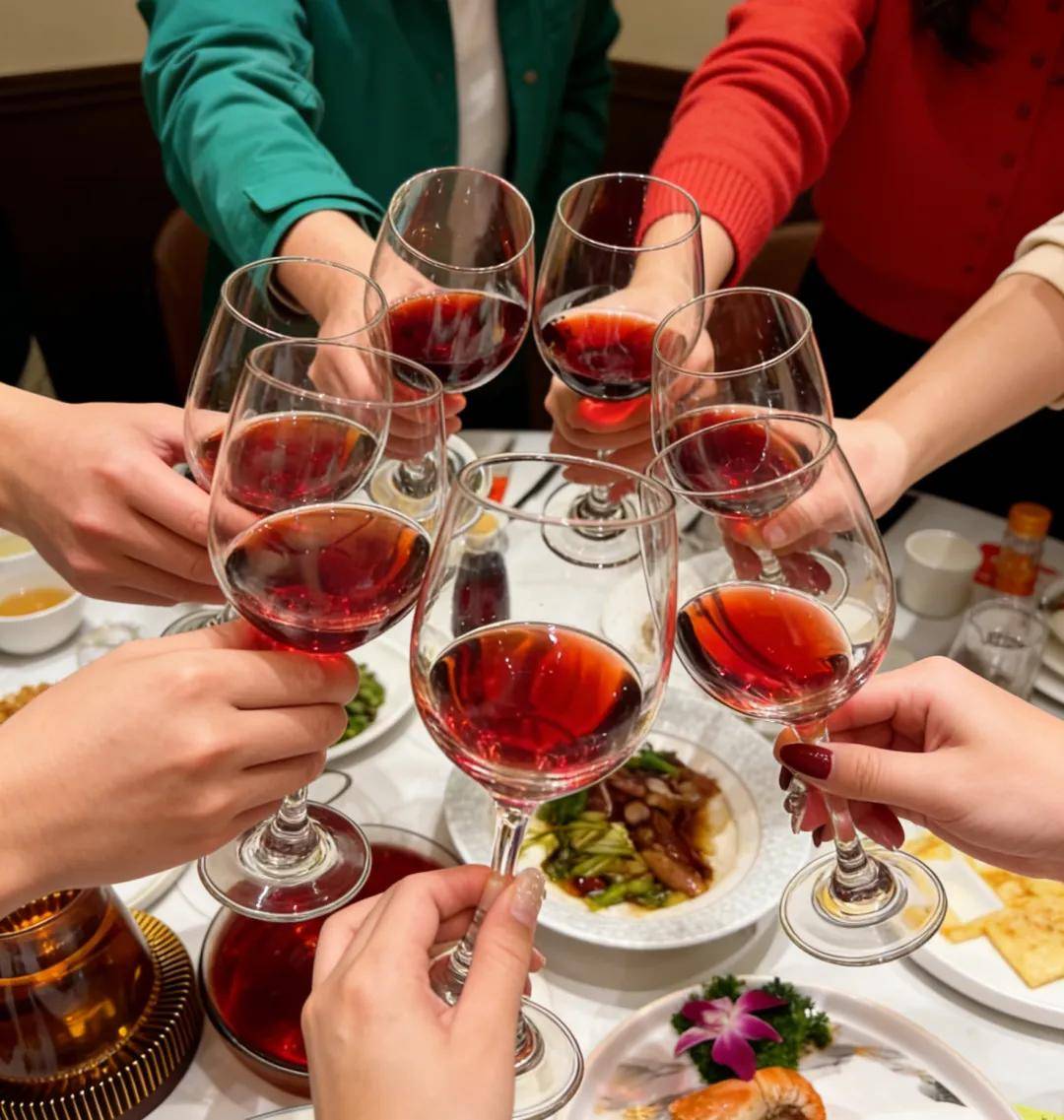
Core Insights - The wedding banquet market is experiencing a notable recovery in 2025, particularly in regions like Guangdong and Jiangsu, with wedding banquet sessions increasing by over 30% [4][15] - Despite the increase in wedding banquets, overall banquet sessions are declining, and the impact on alcohol sales is not significant, indicating a trend of reduced consumption and lower price points for wedding beverages [6][18] Group 1: Market Trends - Guangdong is leading the surge in wedding banquets, with a reported increase of at least 30% compared to last year, attributed to favorable timing in the lunar calendar [4][14] - The total number of marriage registrations in China for the first three quarters of 2025 reached 5.152 million, an increase of 40.5% from the previous year, which is driving the wedding banquet market upward [5][15] - Other regions such as Shandong, Jiangsu, and Zhejiang are also seeing increases in wedding banquet sessions, with some areas reporting growth rates between 30% and 50% [5][15] Group 2: Pricing and Consumption Patterns - The average price for wedding banquet beverages in first-tier cities ranges from 200 to 600 yuan, while in economically developed cities in Jiangsu and Zhejiang, prices can reach between 300 and 1000 yuan [6][18] - In non-first-tier cities, prices are generally lower, often between 100 and 300 yuan, with some county-level markets seeing prices drop below 100 yuan [6][18] - There is a noticeable trend of reduced consumption volume, with the amount of alcohol served per table decreasing from 2 kg to 1 kg in Guangdong, influenced by economic conditions and changing consumer attitudes towards health [7][17] Group 3: Changing Beverage Preferences - The traditional pairing of white and red wine at banquets is shifting, with a rise in the popularity of low-alcohol fruit wines and low-alcohol white spirits, indicating a trend towards lower alcohol content and practicality [8][19] - In regions like Fujian, traditional brandy is being replaced by whiskey, with both categories now nearly equal in market share [8][19] - The emergence of younger consumers (those born in the 1990s and 2000s) is expected to further diversify and personalize the trends in wedding banquet beverage choices [9][19]



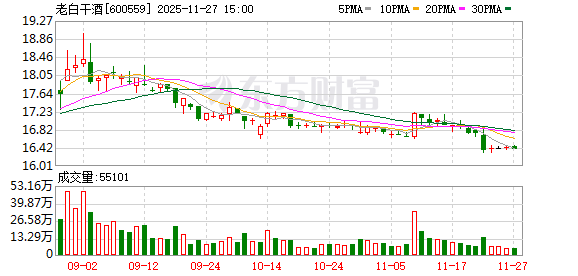
老白干酒开发低度果味及健康型酒品,低度能否解业绩之渴?
Nan Fang Du Shi Bao· 2025-11-27 10:05
Core Viewpoint - The company reported significant declines in revenue and net profit for the third quarter of 2025, prompting a strategic shift towards low-alcohol, fruit-flavored products targeting younger consumers [2][5][6] Financial Performance - In the first three quarters of 2025, the company achieved revenue of 3.33 billion yuan, a year-on-year decrease of 18.53% [2] - The net profit attributable to shareholders was 400 million yuan, down 28.04% year-on-year [2] - The third quarter alone saw revenue drop to 849 million yuan, a decline of 47.55%, and net profit fell to approximately 79.39 million yuan, down 68.48%, marking the largest drop in recent years [2] Product Structure - Revenue from products priced above 100 yuan was 1.738 billion yuan, down 14.96% year-on-year, while products priced below 100 yuan generated 1.574 billion yuan, down 22.06% [3] - The company is focusing on product innovation, developing low-alcohol and fruit-flavored products for younger consumers, as well as health-oriented products for older demographics [4][6] Market Strategy - The company plans to enhance its marketing efforts through social media and new media platforms, including Douyin and WeChat [3] - Initiatives include a short video creation contest for employees to promote brand awareness and collaborations with other industries to engage high-net-worth clients [3][4] - The company is also expanding its online sales presence through major e-commerce platforms and embracing instant retail channels to integrate online and offline resources [4] Industry Context - The shift towards low-alcohol products is part of a broader trend in the liquor industry, with major competitors also entering the low-alcohol market [5][6] - The low-alcohol and fruit-flavored beverage segment has become increasingly competitive, with established brands already having strong market recognition [6]