元来是茶

Search documents
百年工艺承文脉 三代情牵年味长
Xin Lang Cai Jing· 2026-01-29 22:57
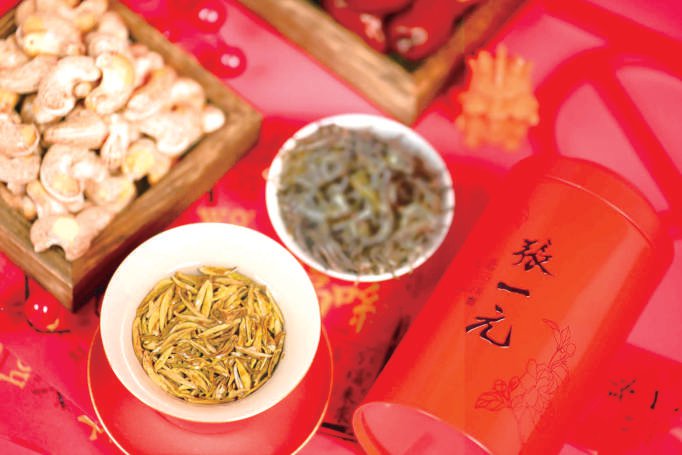
Core Viewpoint - The article highlights the enduring legacy and emotional connection associated with Zhang Yiyuan tea, particularly its jasmine tea, as it continues to bridge generations in Beijing during the festive season [6][12]. Group 1: Brand Heritage and Consumer Connection - Zhang Yiyuan tea has been a staple in Beijing for over a century, symbolizing familial bonds and cultural heritage, especially during the Spring Festival [6][12]. - The brand's jasmine tea is not just a beverage but a nostalgic reminder of past hardships and cherished memories for older generations, as illustrated by the experiences of long-time customers like Mr. Fu [6][7]. - The transition from traditional tea consumption methods to modern packaging and product offerings reflects the brand's commitment to innovation while maintaining its core values [8][12]. Group 2: Product Evolution and Market Adaptation - The introduction of new products like "Longhao" tea and modern tea drinks caters to changing consumer preferences, particularly among younger generations [7][10]. - Zhang Yiyuan has expanded its product line to include various tea types and innovative packaging, such as sealed cans, to enhance freshness and convenience for consumers [8][10]. - The brand's marketing strategies have evolved to engage younger audiences through social media and interactive campaigns, ensuring the traditional tea culture remains relevant [10][12]. Group 3: Generational Consumption Patterns - The article illustrates how different generations enjoy Zhang Yiyuan tea in distinct ways, from traditional brewing methods to modern tea drinks, yet all share a common appreciation for the brand [9][11]. - Younger consumers, like Song Xiaoyu, are embracing new tea formats while still valuing the cultural significance of the brand, showcasing a blend of tradition and modernity [9][10]. - The familial aspect of tea consumption is emphasized, with multiple generations participating in the ritual of purchasing and enjoying Zhang Yiyuan tea together during the festive season [11][12].

服贸会化身老字号创新坐标系向X、向Z,更向Y
Zhong Guo Jing Ji Wang· 2025-12-23 00:24
Core Insights - The article discusses the innovative practices of traditional Chinese restaurant brands at the China International Service Trade Fair, highlighting their strategies to attract different generations of consumers through diversification and cultural integration [1] Group 1: X-axis Expansion - Traditional brands are breaking traditional business boundaries through scene reconstruction, business integration, and cross-industry collaboration, achieving diversified development [2] - Huaten Group's "IP + immersive experience" strategy exemplifies this expansion, creating a "Journey to the West" themed market that transforms traditional dining into an interactive cultural experience [2] - Quanjude's integration of dining, culture, and scene through 3D immersive restaurants and themed spaces reflects a broad approach to X-axis development, turning dining venues into cultural experience spaces [3] Group 2: Z-axis Deepening - Traditional brands focus on understanding the unique psychological and behavioral traits of Generation Z, establishing deep brand connections through emotional engagement and social empowerment [4] - Quanjude's "emotional value" product philosophy meets the needs of Generation Z for stress relief and social sharing, as evidenced by the popularity of their "Good Duck" cultural series [5] - Zhang Yiyuan's new tea brand emphasizes health and quality, aligning with Generation Z's preferences for healthy consumption, offering personalized options like "DIY sweetness" and "0-calorie sugar" [5] Group 3: Y-axis Embrace - Traditional brands adopt an open approach to embrace youth trends through product innovation, communication reform, and experience upgrades, revitalizing brand vitality [6] - Quanjude's integration of national aesthetics and digital exploration showcases the potential for traditional brands to merge with youth culture, including the launch of trendy gift boxes [6] - Zhang Yiyuan's internationalized young expression targets global youth, introducing innovative tea drinks and bilingual menus to cater to diverse consumer preferences [7] - Huaten's systematic young transformation aims to elevate the brand's strategic capabilities, creating a comprehensive innovation system that continuously attracts consumers [7]


情绪价值、新茶饮、跨界IP合作……当老字号“潮”前走
Zhong Guo Jing Ji Wang· 2025-12-17 09:21
Group 1 - The "Good Duck" cultural products from Quanjude have gained popularity among young consumers at the service trade fair, showcasing a blend of traditional culture and modern design [1] - Quanjude has launched the "Good Duck" products in 26 stores in Beijing, aiming to connect with younger consumers through interactive and playful designs that convey emotional value [1] - A museum has been established at Quanjude's Pingmen flagship store, allowing consumers to experience the brand's history and craftsmanship after enjoying Peking duck [1] Group 2 - Zhang Yiyuan is focusing on establishing itself as a leading brand in jasmine tea, with the launch of its new tea drink brand "Yuan Lai Shi Cha" set for the 2025 service trade fair [2] - The "Wuhua Tianbao·Journey to the West Feast" anime market created by Huaten Group aims to revitalize traditional brands and attract younger customers through innovative cross-industry collaborations [2] - The strategy involves systematizing and sustaining the experience initiated at the service trade fair, with themed packages and games integrated into the daily operations of various traditional brand stores [2]
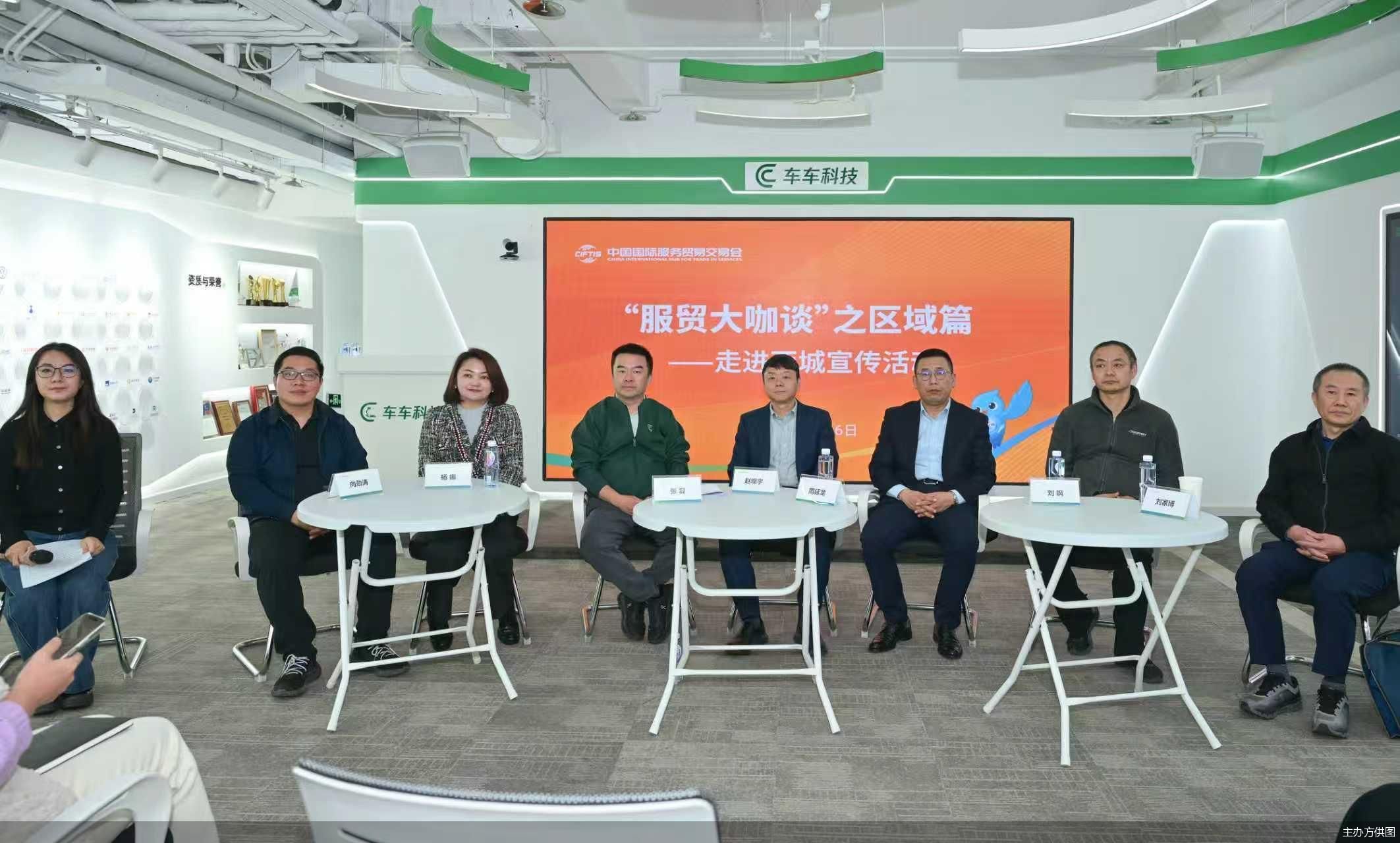
西城商界畅谈服贸会影响力,多维赋能区域经济高质量发展
Bei Jing Shang Bao· 2025-12-17 07:10
Core Insights - The China International Fair for Trade in Services (CIFTIS) serves as a multi-functional platform for regional economic development, showcasing opportunities for investment and international cooperation [3][4]. Group 1: Economic Development and Investment - The CIFTIS has been pivotal for the Xicheng District, acting as a "showcase window," "cooperation bridge," and "growth engine," with pre-scheduled investment amounts exceeding $16.5 billion, marking a 71.5% increase from the previous year [3]. - The district launched the "Central-Local Cooperation: Going Global Navigation Plan" during the fair, facilitating partnerships between Chinese enterprises and foreign companies, particularly in the Middle East [3]. Group 2: Support for Traditional Brands - Xicheng District is enhancing its commercial districts and supporting traditional brands through targeted upgrades and innovative actions, including the "Old Brand Renewal" initiative [4]. - The fair has allowed traditional brands like Quanjude to connect with younger consumers through innovative products, showcasing the blend of heritage and modern consumer preferences [7]. Group 3: Digital and Financial Technology - Cheche Technology aims to expand its digital insurance services internationally, leveraging the overseas sales networks of Chinese electric vehicle brands [5]. - LianDong YouShi, a fintech company, is focusing on providing localized solutions for developing countries, aligning with the Belt and Road Initiative [6]. Group 4: Innovation in Food and Beverage - Zhang Yiyuan is launching a new tea brand, "Yuan Lai Shi Cha," at the fair, emphasizing innovation while maintaining traditional values, particularly in jasmine tea [8]. - Huatiandish's participation in the fair has allowed it to test innovative business models and integrate technology into its offerings, enhancing customer engagement [9]. Group 5: Brand Image and Cultural Value - Caibai has utilized its five-year participation in the fair to enhance its brand image and cultural value, positioning itself as a platform for cross-border cooperation [10]. - The fair serves as a significant venue for Chinese brands to narrate their stories and promote Eastern aesthetics on a global stage [10].