冚车落橡筋压双线一次过工具套件

Search documents
赋能服装业焕新出海,“SHEIN链”插上数智翅膀
2 1 Shi Ji Jing Ji Bao Dao· 2026-01-14 04:20
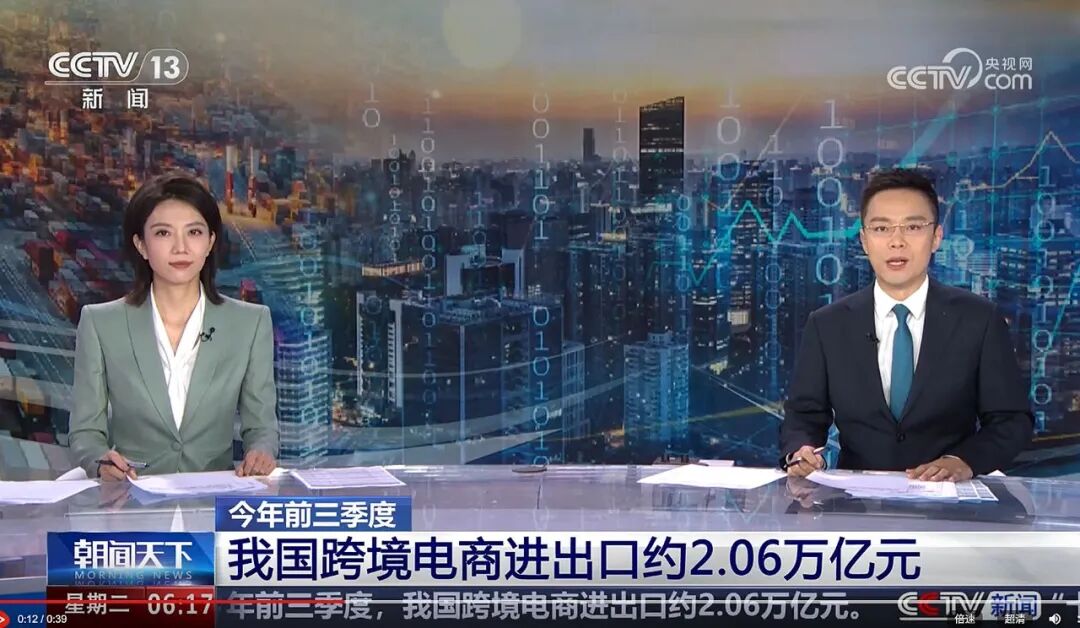
Core Viewpoint - SHEIN is reshaping the apparel industry landscape through significant investments in smart supply chain infrastructure and innovative manufacturing practices, aligning with national strategies for industrial transformation and sustainability [1][4][22]. Group 1: Industry Transformation - By 2025, China's cross-border e-commerce imports and exports are projected to reach approximately 2.06 trillion yuan, marking a 6.4% growth and positioning it as a vital force in trade development and industrial upgrading [2]. - SHEIN has become the third-largest fashion retailer globally, investing over 10 billion yuan in the Guangdong-Hong Kong-Macao Greater Bay Area to enhance its smart supply chain [4]. - The company has implemented a "small batch quick response" flexible supply chain model, allowing for market testing with initial orders of 100-200 pieces, which is driven by real-time sales data [9][10]. Group 2: Supplier Empowerment - SHEIN has developed over 180 innovative tools for suppliers, delivering 7,500 items that improve process efficiency by an average of 35%, addressing challenges in traditional sewing processes [11][12]. - The company has conducted nearly 600 training sessions for suppliers in 2025 alone, covering operational management, practical business skills, and technical enhancements, reaching approximately 37,000 suppliers [19]. - Following training, defect rates among suppliers decreased by 50% within a month, demonstrating the effectiveness of SHEIN's educational initiatives [18]. Group 3: Sustainability Initiatives - SHEIN's green transformation extends throughout its supply chain, with over 65% of its products utilizing digital heat transfer technology, saving 1.13 million tons of water [24]. - The company has implemented over 650 energy-saving measures in recent years, significantly reducing water, electricity, and gas consumption in supplier factories, equivalent to the annual water needs of 150 garment factories [24][25]. - SHEIN collaborates with various partners to explore new technologies and processes, including a joint laboratory for innovative materials and logistics solutions [24]. Group 4: Long-term Vision - SHEIN aims to create a self-evolving, symbiotic industrial ecosystem, emphasizing the importance of talent in industrial upgrading and addressing production challenges through targeted training [17][26]. - The company's long-term commitment to empowering its supply chain and fostering sustainable practices positions it to transition from a focus on scale advantages to value advantages in the textile and apparel industry [27].

“链主”企业牵头搞大事,SHEIN的产业赋能密码藏不住了
Guan Cha Zhe Wang· 2026-01-09 07:52
Core Viewpoint - SHEIN has emerged as a leading player in the global fashion retail market, leveraging innovative digital supply chain solutions to address traditional industry challenges such as high inventory risks and production inefficiencies [2][12]. Group 1: Industry Transformation - The improvement in China's traditional manufacturing industry is attributed to continuous training of frontline workers, innovative tools, and the digitalization of the entire production and distribution chain [1]. - SHEIN's flexible supply chain model has allowed it to surpass competitors like ZARA, H&M, and Uniqlo, becoming the third-largest fashion retailer globally, following Nike and Adidas [2]. - The company has developed over 180 innovative tools by 2025, enhancing production efficiency by an average of 35% for suppliers [5]. Group 2: Technological Innovation - SHEIN's manufacturing innovation research center has played a crucial role in developing tools that streamline production processes, such as combining multiple sewing steps into one, which can increase efficiency by up to 40% [3][5]. - The introduction of digital heat transfer printing technology has significantly reduced the time from design to production, compressing the cycle from 4-6 weeks to just 7-15 days, while also minimizing water usage [9][10]. Group 3: Supplier Empowerment - SHEIN has conducted nearly 600 training sessions for suppliers in 2025, covering approximately 37,000 instances, to enhance skills and management capabilities within the industry [6]. - The company has established a robust digital management system that provides suppliers with stable orders and clear timelines, improving their operational efficiency [13]. Group 4: Environmental Impact - SHEIN's transition to using new energy vehicles for logistics has contributed to reducing carbon emissions, showcasing the company's commitment to sustainable practices [10]. - The digital heat transfer printing technology employed by SHEIN is verified to consume zero water resources, representing a significant advancement in eco-friendly production methods [9]. Group 5: Market Expansion - The cross-border e-commerce sector, represented by SHEIN, has shown steady growth, with exports reaching approximately 1.63 trillion yuan in the first three quarters of 2025, marking a 6.6% increase year-on-year [12]. - SHEIN's "500 Cities Industrial Belt Going Abroad Plan" has expanded its reach to nearly 400 cities, fostering brand development and international market access for local businesses [14].
SHEIN以技术创新,驱动传统制造数智化蝶变
Zhong Guo Zheng Quan Bao· 2026-01-08 08:45
Core Insights - SHEIN is driving the digital transformation of traditional garment manufacturing through innovative tools and flexible production capabilities, enhancing efficiency and sustainability in the industry [1][2][3] Group 1: Technological Innovation and Efficiency - By the end of 2025, SHEIN has developed over 180 innovative tools and delivered 7,500 units to suppliers, resulting in an average efficiency improvement of 35% in related processes [1][3] - In the first half of 2023, SHEIN announced a $500 million investment over five years focused on technological innovation, training support, factory expansion, and community services to empower suppliers [2] - SHEIN's new tools have significantly reduced production steps, such as combining three processes into one for women's belts, achieving a 60% efficiency increase [3] Group 2: Sustainability and Low-Carbon Initiatives - SHEIN is committed to low-carbon transformation across the entire supply chain, focusing on product lifecycle management and technological innovation to achieve cost reduction and environmental sustainability [4] - The company has partnered with leading universities and industry players to develop advanced recycling technologies and establish a joint laboratory for high-end fabric upgrades [4] - SHEIN has launched a systematic carbon reduction plan for suppliers, tailoring strategies to different stages of production to enhance economic benefits while minimizing environmental impact [4] Group 3: Training and Human Capital Development - SHEIN has invested over 60 million yuan to assist more than 200 factories in upgrading over 520,000 square meters of facilities, benefiting over 33,000 individuals [5] - The company has conducted nearly 600 training sessions covering various aspects of supplier empowerment, reaching approximately 37,000 suppliers [6] - SHEIN has established a "shared training base" to provide skill training for various job roles, including sewing and pattern making, and has developed a four-part mechanism for talent cultivation [7] Group 4: Community Support and Employee Welfare - SHEIN's "Star Light" project has supported 815 families, alleviating temporary financial pressures for 1,716 students, while the "Children's Home" project has provided free after-school care for over 100,000 children [7] - The company is focused on creating a family-friendly work environment for suppliers' employees, enhancing their sense of belonging and stability [7]
600场赋能培训,覆盖供应商3.7万次!SHEIN赋能传统产业数智化跃迁
中国基金报· 2026-01-08 02:14
Core Viewpoint - SHEIN is driving the digital transformation of traditional garment manufacturing through technology innovation, flexible production capabilities, and a series of smart tools, while also investing in supplier training and community support initiatives [2][3]. Group 1: Technology and Innovation - In the first half of 2023, SHEIN announced a five-year investment of 500 million yuan focused on technology innovation, training support, factory expansion, and community services to empower suppliers [3]. - SHEIN established its first garment manufacturing innovation research center to continuously output flexible supply chain standards and has developed over 180 innovative tools, delivering a total of 7,500 units to suppliers by the end of 2025 [3][4]. - The introduction of lean tools has improved process efficiency by an average of 35%, addressing traditional sewing challenges and further supporting the flexible on-demand supply chain model [4]. Group 2: Environmental Sustainability - SHEIN has set science-based carbon targets for net-zero emissions by 2050, focusing on low-carbon transformation across the entire industry chain [6]. - The company collaborates with leading universities and industry partners to develop innovative materials and technologies, including a joint laboratory for high-end fabric upgrades [6][7]. - SHEIN has invested over 60 million yuan to assist more than 200 factories in upgrading their facilities, benefiting over 33,000 individuals [7]. Group 3: Training and Human Capital Development - SHEIN has conducted nearly 600 training sessions covering approximately 37,000 suppliers in 2025, focusing on operational management, practical skills, and technical improvements [9][11]. - The company has implemented innovative training formats such as "door-to-door teaching" and "industry-education evaluation" to enhance skill development among suppliers [8][12]. - SHEIN's community support initiatives, such as the "Star Light" project, have provided assistance to 815 families, while the "Children's Home" project has served over 100,000 children, fostering a family-friendly work environment [12].