
冷柜

Search documents
海信家电(00921) - 海外监管公告 海信家电集团股份有限公司2025年年度报告、海信家电集团...
2026-03-30 14:08
香港交易及結算所有限公司及香港聯合交易所有限公司對本公告的內容概不負責,對其準確 性或完整性亦不發表任何聲明,並明確表示,概不對因本公告全部或任何部份內容而產生或 因倚賴該等內容而引致的任何損失承擔任何責任。 HISENSE HOME APPLIANCES GROUP CO., LTD. 海信家電集團股份有限公司 (在中華人民共和國註冊成立的股份有限公司) (股份代號:00921) 海外市場監管公告 本公告乃根據香港聯合交易所有限公司證券上市規則第 13.10B 條而作出。 《海信家電集團股份有限公司 2025 年年度報告》、《海信家電集團股份有限公司 2025 年年度報告摘要》、《海信家電集團股份有限公司 2025 年年度審計報告》已刊載於深圳 證券交易所指定之信息披露網站:http://www.cninfo.com.cn,以供參閱。 承董事會命 海信家電集團股份有限公司 董事長 高玉玲 中國廣東省佛山市,2026 年 3 月 30 日 於本公告日期,本公司的執行董事為高玉玲女士、賈少謙先生、于芝濤先生、方雪玉女 士及代慧忠先生;本公司的獨立非執行董事為李志剛先生、蔡榮星先生及徐國君先生; 及本公司的職工代 ...
TCL智家(002668) - 2026年3月27日投资者关系活动记录表
2026-03-27 10:46
Group 1: Sales Performance - In 2025, the company's overseas revenue is projected to grow by 6.7% to reach 14.4 billion CNY, accounting for 77.7% of total revenue, an increase of 4.2 percentage points compared to 2024 [2] - The domestic gross margin for 2025 is expected to be 17.8%, up by 2.5 percentage points year-on-year, while the overseas gross margin is projected to be 27.4%, an increase of 1.5 percentage points [2] Group 2: Profitability and Dividends - From 2021 to 2025, the company's revenue is expected to grow from 10.12 billion CNY to 18.53 billion CNY, with net profit increasing from a loss of 0.08 billion CNY to a profit of 1.12 billion CNY [3] - The proposed dividend distribution for 2025 is set at 0.22 billion CNY, which would represent 50% of the company's undistributed profits at the end of the year [3] Group 3: Investment and Expansion - The company plans to invest no more than 6.8 billion CNY in its Thailand production base to increase annual capacity for coolers and refrigerators [3] - The first phase of the Thailand production base has been completed, with a capacity of 8,720 units for coolers, and the company is moving forward with the second phase of construction [3] Group 4: Market Conditions - The tense situation in the Middle East may impact the prices of raw materials like plastics, but currently, it has not significantly affected the company's operations [3] - The company maintains good relationships with major raw material suppliers and is monitoring market dynamics to mitigate potential impacts from rising raw material prices [3]

华东制造业终端调研报告:需求相对平稳,预期差不大
Dong Zheng Qi Huo· 2026-03-27 09:54
1. Report Industry Investment Rating - The investment rating for rebar and hot-rolled coil is "oscillation" [4] 2. Core Viewpoints of the Report - Terminal manufacturing demand can maintain resilience and a certain degree of growth, but most industries are likely to see a slowdown in growth, especially in domestic demand. Short - term exports to the Middle East may be affected, but the overall pattern of good external demand remains unchanged, which will support future demand growth. Given the current situation of steel products, the probability of a large - scale negative feedback market is not high, and steel prices are expected to fluctuate within a relatively narrow range in the first half of the year [20] - Steel prices are affected by energy and iron ore price fluctuations, and the change in the Middle East situation in April is an important variable. In the second half of the second quarter, the sustainability of the destocking speed needs to be observed, and price correction risks should be watched out for after steel prices enter a high - valuation range [21] 3. Summaries According to Relevant Catalogs 3.1 Research Background - Since 2025, the contradiction between steel supply and demand has significantly decreased. Although the terminal demand for real estate and infrastructure has not improved, the growth and resilience of manufacturing demand have supported steel demand, especially for plates, and led to a continuous shift in the steel product structure. The market's demand expectation for 2026 is relatively vague. With the easing of the decline pressure on building material demand, the situation of manufacturing and external demand has become a more important variable. The domestic demand for automobiles and home appliances has declined to varying degrees, while exports remain strong. The research aims to understand whether manufacturing demand can continue to support the resilience of steel demand and whether there are any expected differences [7] 3.2 Main Findings in the East China Manufacturing Industry Research - Terminal demand is generally neutral, in line with the market's expectation of the manufacturing industry being neither good nor bad. Except for an appliance manufacturing enterprise and a shipbuilding enterprise, most terminal industries reported no significant growth in production and sales in 2026. Shipbuilding orders are basically booked until Q4 2029 - 2030. The demand growth of automobile and home appliance manufacturers mainly comes from overseas, while domestic demand is expected to be stable or slightly decline. The demand of machinery enterprises has slightly increased, mainly through automation substitution and overseas market expansion [1][19] - After the Spring Festival, steel orders and processing volumes were slightly better than expected. Orders were more stable this year compared to last year. Some enterprises reported a shortage of steel resources in the market, which is related to the shift of steel mills to producing special - grade steel and the competition for export quotas in Europe and the United States in the first quarter. However, demand will face pressure in the second half of the second quarter [1][19] - The space for the return of manufacturing to China is limited. Although there is some discussion about it due to geopolitical conflicts, countries like the United States and India still have strict trade policies towards Chinese products, such as the 301 Act affecting Chinese ships and trade barriers on Chinese - made photovoltaic components. Chinese manufacturing enterprises are still exploring overseas建厂 opportunities [2][19] - Terminal manufacturing still faces significant cost - profit pressure, especially for domestic sales. Most manufacturing enterprises are sensitive to cost changes. Since 2025, steel price fluctuations have been low, and downstream terminals are more concerned about the price changes of non - ferrous metals and energy - chemical bulk raw materials. Most enterprises purchase steel as needed and rarely engage in speculative inventory [2][19] - The sign of steel substituting for aluminum based on cost advantages is not obvious. Due to the "involution" in the market, enterprises still have high requirements for product lightweight and aesthetics. Although some industries have tried steel - for - aluminum substitution, there is no clear industry standard yet [2][19] 3.3 Summary and Outlook - Terminal manufacturing demand can maintain resilience and a certain degree of growth, but most industries are likely to experience a slowdown in growth. Domestic demand for automobiles and home appliances is not optimistic. In the short term, exports to the Middle East will be affected, but the overall pattern of good external demand remains unchanged and will support future demand growth [20] - There is no obvious trend - driving contradiction in the steel product fundamentals. The demand resilience and order continuity after the Spring Festival this year slightly exceeded expectations, and the destocking speed of coils after reaching the peak was normal. The probability of a large - scale negative feedback market is not high. However, limited domestic demand restricts the upward space of steel prices. Steel prices are expected to fluctuate within a relatively narrow range in the first half of the year [20] - Steel prices are affected by energy and iron ore price fluctuations, and the Middle East situation in April is an important variable. The market supply of coils is currently tight due to steel mills competing for export quotas. The sustainability of the destocking speed in the second half of the second quarter needs to be observed, and price correction risks should be watched out for after steel prices enter a high - valuation range [21] 3.4 Research Minutes 3.4.1 An elevator and home appliance steel distribution enterprise - The enterprise processes and distributes hot - rolled, cold - rolled, and galvanized sheets for the elevator and home appliance industries. The steel consumption for elevators has not increased. Home appliances mainly rely on exports for growth. This year's orders and processing volumes are better than expected. The enterprise purchases steel from steel mills and processes it for direct supply to terminals. The processing cost of cold - rolled products is about 30 yuan per ton. The enterprise is currently unable to break even in processing. The raw material procurement cycle is about one month, and the downstream payment cycle is about 45 days. Recently, terminal funds have been tight, and some customers have requested to extend the payment cycle [26][27][29] 3.4.2 A forklift enterprise - The enterprise is a leading forklift manufacturer with an annual output of 300,000 - 400,000 units. In the first quarter, steel procurement increased slightly, and the current operating rate is about 70%. The enterprise purchases about 140,000 - 150,000 tons of steel plates annually, with equal proportions of coils and medium - thick plates. The cost of raw material procurement is difficult to transfer to the finished product. The enterprise has been developing intelligent logistics and unmanned forklift projects since 2018, and sales have increased significantly in recent years [30][31][33] 3.4.3 An agricultural machinery enterprise - The enterprise produces tractors, rice transplanters, and harvesters. The annual steel consumption is about 15,000 - 16,000 tons, mainly hot - rolled and cold - rolled sheets. The demand for agricultural machinery in the first quarter is similar to that of last year, and the profit is not high. The export proportion is about 10% and is decreasing. The enterprise is currently in the production peak season, and demand will decline from May [34][35] 3.4.4 An automobile production enterprise - The enterprise has an annual production capacity of 220,000 vehicles, with an actual output of less than 100,000. The sales volume in the first quarter did not increase and decreased significantly compared to the fourth quarter of last year. The annual steel consumption is about 60,000 - 70,000 tons, mainly galvanized sheets. The enterprise purchases steel futures from steel mills and adjusts the purchase volume according to orders. In addition to steel, the enterprise also purchases non - ferrous metals, and there is also a small amount of imported steel [36][37] 3.4.5 A home appliance production enterprise - The enterprise produces refrigerators, washing machines, and freezers. The production volume in April - June is expected to increase by 20% - 30% year - on - year. The domestic demand is expected to be flat or slightly decline, and the growth mainly comes from exports. The enterprise mainly purchases pre - coated plates (PCM plates) and stainless steel. The steel cost of a refrigerator accounts for about 10% - 15%. The enterprise reserves electronic materials about three months in advance and steel about 45 days in advance [38][39] 3.4.6 An automobile parts enterprise - The enterprise mainly produces traditional automobile parts, with overseas markets accounting for 80% - 90%. The auto parts business is expected to be stable in 2026. The steel procurement accounts for about 80% of the total procurement, mainly medium - carbon carbon - structural round steel. The enterprise stocks steel for about two months and may use futures hedging or spot inventory. The price adjustment of bar steel lags behind the threaded steel on the futures market [40][42] 3.4.7 A shipbuilding enterprise - The enterprise has ten shipyards and expects to deliver 20 ships this year. The shipbuilding orders are booked until Q4 2029. The demand for special - grade steel in chemical ships is high. The enterprise purchases about 20,000 tons of stainless steel and 100,000 tons of carbon steel annually. The profit of shipyards is relatively good, with cost advantages in labor and raw materials compared to Japan and South Korea [43][44] 3.4.8 A photovoltaic enterprise - The enterprise focuses on overseas markets, mainly in Thailand and the United States. The domestic photovoltaic market is saturated, and most domestic production lines have been shut down. The overseas market has better profits, but is affected by policies such as tariffs and anti - dumping. The enterprise is concerned about raw material prices and costs, and is trying to reduce costs through technological innovation. It is expected that the domestic photovoltaic installation in 2026 may decline compared to 2025 [45][46][48]
又被追问!惠康科技与供应商绕不过去的那些事儿
IPO日报· 2026-03-20 04:03
Core Viewpoint - The article discusses the IPO journey of Ningbo Huikang Industrial Technology Co., Ltd. (Huikang Technology), highlighting the challenges faced during the approval process and the scrutiny regarding its supplier relationships. Group 1: IPO Process and Challenges - As of March, the pace of IPO reviews in the A-share market has accelerated, with Huikang Technology passing the Shenzhen Stock Exchange's listing committee review, moving closer to its IPO [1] - Before the IPO, the company must submit registration and obtain approval from the China Securities Regulatory Commission (CSRC), which may involve multiple rounds of inquiries [2][3] - The company has faced repeated inquiries regarding its relationships with suppliers, raising concerns about the sustainability of its performance and potential conflicts of interest [7][12] Group 2: Supplier Relationships - The company has been questioned about its supplier relationships during both rounds of review, particularly regarding the background of suppliers and any potential conflicts of interest [8][13] - Huikang Technology's main suppliers include Ruiyi Electronics and Jiecheng Electronics, with significant procurement amounts, raising questions about the nature of these relationships [16][18] - The company has a complex supplier network, with multiple entities linked to the same controlling family, which has raised concerns about regulatory compliance and potential inflated costs [17][22] Group 3: Financial Performance - Huikang Technology's revenue has shown growth in previous years, with reported revenues of approximately 19.3 billion, 24.93 billion, 32.03 billion, and 13.89 billion for the years 2022, 2023, 2024, and the first half of 2025, respectively [35] - However, the company has experienced a decline in performance in 2025, with a 10.35% decrease in revenue compared to 2024, and a 14.88% drop in net profit [39][40] - The average selling price of its main product, ice machines, has been on a downward trend, which may further pressure the company's profitability [38][36] Group 4: IPO Funding and Future Plans - The company plans to raise 17.97 billion through its IPO, with funds allocated for the construction of intelligent manufacturing bases and R&D centers [40] - As of mid-2025, Huikang Technology reported cash reserves of 12.19 billion, indicating a strong liquidity position despite recent performance challenges [41]


花四年打个翻身仗!TCL智家:从亏损到年赚11亿
市值风云· 2026-03-18 10:16
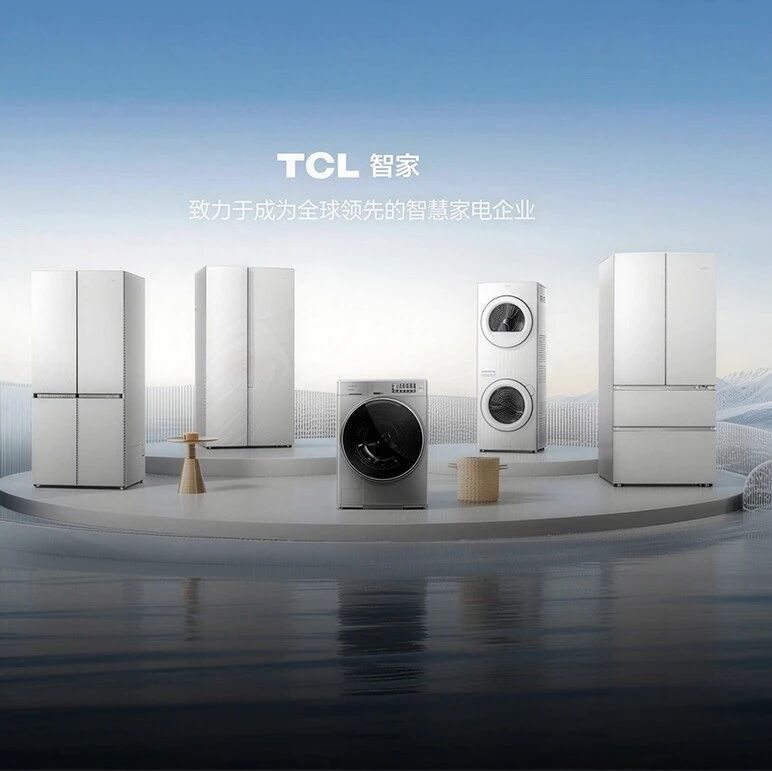
Core Viewpoint - The global home appliance industry is facing challenges such as high tariffs and a stable overall market size by 2025, while TCL's overseas business is thriving, contrasting with its domestic struggles [4][14]. Group 1: Company Performance - In 2025, TCL achieved a revenue of 18.53 billion yuan, a year-on-year increase of 0.93%, and a net profit of 1.12 billion yuan, up 10.22% [9]. - The company’s operating cash flow was 2.55 billion yuan, with free cash flow reaching 1.76 billion yuan [9]. - The business structure includes "ODM+OBM," with a focus on both original design manufacturing and brand management [5]. Group 2: Regional Performance - Overseas business is a significant highlight, with self-owned brand overseas revenue growing by 115%, and total overseas revenue reaching 14.4 billion yuan, a 6.74% increase [11]. - Domestic revenue faced a decline of 15.2%, totaling 4.13 billion yuan, attributed to weak domestic demand and increased competition from major players [14]. Group 3: Market Dynamics - The domestic market for refrigerators and washing machines showed minimal growth, with refrigerator sales increasing by only 1.5% and washing machine sales by 7.1% [14]. - In contrast, TCL's exports to Africa and South America saw significant growth, with refrigerator exports to Africa increasing by 36.1% and to South America by 16% [13]. Group 4: Product and Technology Development - Refrigerators and freezers remain the core products, with TCL maintaining a leading position in exports, particularly in Europe [16]. - The company is focusing on high-end products, with an increase in the proportion of mid-to-high-end large capacity and air-cooled products, contributing to a gross margin increase to 25.23% [17]. Group 5: Future Outlook - TCL is expanding its production capacity with new manufacturing projects in Thailand and ongoing development in local production networks across Southeast Asia and Africa [19]. - The company aims to stabilize its basic operations through ODM while enhancing its brand presence in overseas markets [19].
山西证券研究早观点-20260317
Shanxi Securities· 2026-03-17 00:59
Market Overview - The domestic market indices showed mixed performance, with the Shanghai Composite Index closing at 4,084.79, down 0.26%, while the ChiNext Index rose by 1.41% to 3,357.02 [4] Industry Insights - The computer industry is experiencing a significant breakthrough in domestic computing power, with expectations of an explosion in AI applications. The computer sector saw a notable increase in revenue and net profit in 2025, driven by AI trends and a resurgence in investment enthusiasm [6][8] - The demand for AI computing power remains high, with major internet companies expected to continue increasing capital expenditures in 2026. Domestic chip manufacturers are rapidly improving their performance and ecosystem to compete with Nvidia [6][7] - The C-end AI applications are dominated by major internet companies, while B-end applications are anticipated to experience significant growth, particularly in sectors like industrial manufacturing and healthcare [6][7] Company Analysis: TCL Smart Home - TCL Smart Home is expected to achieve stable revenue growth in FY2026, despite external challenges. The brand's down jacket business is projected to grow in the mid-single digits, showcasing operational resilience [13][14] - The company reported a revenue of 185.31 billion yuan for 2025, with a year-on-year increase of 0.93%, and a net profit of 11.23 billion yuan, up 10.22% year-on-year [15][17] - The company is focusing on enhancing its brand image and ESG strategy, with notable initiatives such as the launch of a high-end product line in Paris [14][15] Investment Recommendations - The report maintains a positive outlook on the AI industry chain for 2026, recommending investments in domestic AI computing chip manufacturers and application developers. Key companies to watch include Haiguang Information and Kingsoft Office [6][7][8] - For TCL Smart Home, the forecasted net profits for 2026-2028 are 11.65 billion, 12.91 billion, and 14.1 billion yuan, respectively, with a recommendation to "increase holdings" based on the company's stable performance and attractive valuation [15][17]
轻工纺服行业周报(20260309-20260315):惠康科技招股书梳理:一器清冰,四时纳凉
Huachuang Securities· 2026-03-16 07:35
Investment Rating - The industry investment rating is "Recommended," indicating an expected increase in the industry index by more than 5% over the next 3-6 months compared to the benchmark index [82]. Core Insights - The global refrigeration equipment market is projected to grow from USD 92.46 billion in 2019 to USD 137.31 billion by 2027, with a compound annual growth rate (CAGR) of approximately 4.5% [12]. - The domestic ice maker market is characterized by a high concentration, with the top five companies holding a 71.2% market share, indicating significant competitive dynamics in the mid-to-low-end market [22]. - Huikang Technology has established itself as a leading player in the ice maker sector, achieving the highest market share in both domestic and global markets, particularly in the consumer segment [25]. Industry Overview Industry Scale - The global refrigeration equipment market is expected to grow steadily, with the Chinese market reaching a peak of over RMB 230 billion in 2021, despite a slight decline in 2022 [12][16]. - The demand for ice makers is on the rise, with the market expected to reach RMB 43.8 billion in China and USD 97.9 billion globally by 2028, reflecting a CAGR of 10.1% and 7.1% respectively from 2019 to 2028 [16] Industry Structure - The e-commerce channel in the domestic ice maker market shows a significant concentration, with the top five companies holding a 71.2% market share, while traditional appliance brands have a low presence [22]. - The current market is dominated by high cost-performance products, with the top three models priced around RMB 300, indicating potential for high-end market development [22]. Company Profile: Huikang Technology - Huikang Technology has over 20 years of experience in the refrigeration sector, producing a range of products including ice makers, refrigerators, and wine cabinets, and is recognized as a national high-tech enterprise [25]. - The company has become a core supplier for international brands such as Electrolux and Walmart, with sales covering over 80 countries [25]. - Huikang's revenue is projected to grow at a CAGR of 18.4% from 2022 to 2024, with a reported revenue of RMB 1.39 billion in the first half of 2025 [30]. Market Performance - The Shanghai Composite Index decreased by 0.70%, while the Shenzhen Component Index increased by 0.76% during the week, with the light industry manufacturing sector showing a slight decline [44]. - The textile and apparel sectors experienced varied performance, with the apparel home textile sector increasing by 0.36% while textile manufacturing decreased by 0.45% [44]. Key Data Tracking Real Estate Data - The transaction area of commercial housing in 30 major cities was 1.489 million square meters, down 13% year-on-year, but up 32% from the previous week [64]. Raw Material Data - The report includes tracking of raw material prices, which are crucial for the manufacturing costs in the light industry [53].
TCL 智家:外销稳定,产业链协同效率提升-20260316
Shanxi Securities· 2026-03-16 07:25
Investment Rating - The report assigns an "Accumulate-A" rating for the company, indicating a positive outlook for its stock performance in the near term [5]. Core Views - The company achieved a revenue of 18.531 billion yuan in 2025, reflecting a year-on-year growth of 0.93%, and a net profit of 1.123 billion yuan, which is a 10.22% increase year-on-year [1]. - The company's external sales remained stable, with external revenue reaching 14.405 billion yuan, accounting for 77.73% of total revenue, and growing by 6.74% year-on-year, outperforming the overall market decline in home appliance exports [2]. - Internal sales, however, faced a decline, with revenue of 4.126 billion yuan, representing 22.27% of total revenue, and a year-on-year decrease of 15.20% [2]. - The company has improved its gross margin to 25.23%, an increase of 2.2 percentage points year-on-year, attributed to enhanced efficiency in the supply chain and a focus on product competitiveness [3]. Financial Performance - The company reported a net asset return rate of 43.97% and a gross margin of 25.23% for 2025, with specific product categories like refrigerators and washing machines showing positive growth [3]. - Forecasts for net profit from 2026 to 2028 are projected at 1.165 billion, 1.291 billion, and 1.410 billion yuan, respectively, indicating a stable growth trajectory [5]. - The price-to-earnings ratio (P/E) for the years 2026 to 2028 is estimated to be 8.9, 8.1, and 7.4 times, suggesting that the company's stock is undervalued relative to its earnings potential [5].
TCL智家(002668):外销稳定,产业链协同效率提升
Shanxi Securities· 2026-03-16 06:45
Investment Rating - The report assigns an "Accumulate-A" rating to the company for the first time [1][6]. Core Views - The company reported a revenue of 18.531 billion yuan for 2025, reflecting a year-on-year increase of 0.93%, and a net profit attributable to shareholders of 1.123 billion yuan, up 10.22% year-on-year [3][4]. - The company's external sales showed stable growth, with external revenue reaching 14.405 billion yuan, accounting for 77.73% of total revenue, and increasing by 6.74% year-on-year, outperforming the overall market decline in home appliance exports [4]. - The gross profit margin improved to 25.23%, an increase of 2.2 percentage points year-on-year, attributed to enhanced efficiency in the supply chain and a focus on product competitiveness [5]. Financial Performance - For 2025, the company achieved a gross profit margin of 25.23%, with a breakdown showing that refrigerators and freezers had a gross margin of 27.28%, while washing machines had a gross margin of 13.68% [5]. - The company expects net profits for 2026, 2027, and 2028 to be 1.165 billion, 1.291 billion, and 1.410 billion yuan, respectively, indicating growth rates of 3.7%, 10.8%, and 9.3% [6][9]. - The projected price-to-earnings ratios for 2026, 2027, and 2028 are 8.9, 8.1, and 7.4 times, respectively, suggesting that the company's future performance is stable and its valuation is relatively low [6][9]. Market Performance - The company's stock closed at 9.60 yuan per share, with a yearly high of 12.08 yuan and a low of 8.63 yuan [2]. - The total market capitalization of the company is 10.407 billion yuan [2].
轻工纺服行业周报(20260309-20260315):惠康科技招股书梳理:一器清冰,四时纳凉-20260316
Huachuang Securities· 2026-03-16 04:11
Investment Rating - The industry investment rating is "Recommended," indicating an expected increase in the industry index by more than 5% over the next 3-6 months compared to the benchmark index [83]. Core Insights - The global refrigeration equipment market is projected to grow from USD 92.46 billion in 2019 to USD 137.31 billion by 2027, with a compound annual growth rate (CAGR) of approximately 4.5% [12]. - The domestic refrigeration equipment market in China reached a peak of over RMB 230 billion in 2021, driven by the "14th Five-Year Plan" for cold chain logistics, and is expected to continue its upward trend despite a slight decline in 2022 [12]. - The ice maker market in China is experiencing significant growth, with a market size of RMB 21.29 billion, and is projected to reach RMB 43.8 billion by 2028, reflecting a CAGR of 10.1% from 2019 to 2028 [16]. Industry Overview - The refrigeration equipment market is characterized by a high concentration in the e-commerce sector, with the top five companies holding a market share of 71.2% as of January to July 2025, indicating fierce competition in the mid-to-low-end market [22]. - The current market is dominated by high cost-performance products, with the top three models priced around RMB 300, while the high-end market remains underdeveloped, presenting opportunities for brands to differentiate and move upmarket [22]. Company Insights - The company, Huikang Technology, has been deeply involved in the refrigeration sector for over 20 years, focusing on the development, production, and sales of ice makers, refrigerators, and other refrigeration equipment [25]. - As of the first half of 2025, Huikang Technology has become a core supplier for international brands such as Electrolux and MC Appliance, with products sold in over 80 countries, including the US and Canada [25]. - The company maintains a strong online retail presence, consistently ranking first in its segment, and is expanding its own brands, "HICON" and "WATOOR," through e-commerce platforms [25]. Market Performance - The overall market performance for the week saw the Shanghai Composite Index decrease by 0.70%, while the Shenzhen Component Index and the ChiNext Index increased by 0.76% and 2.51%, respectively [44]. - The textile and apparel sectors experienced declines, with the textile and apparel index down by 0.57% and 0.14%, respectively, underperforming compared to the broader market [44].