动物表演

Search documents
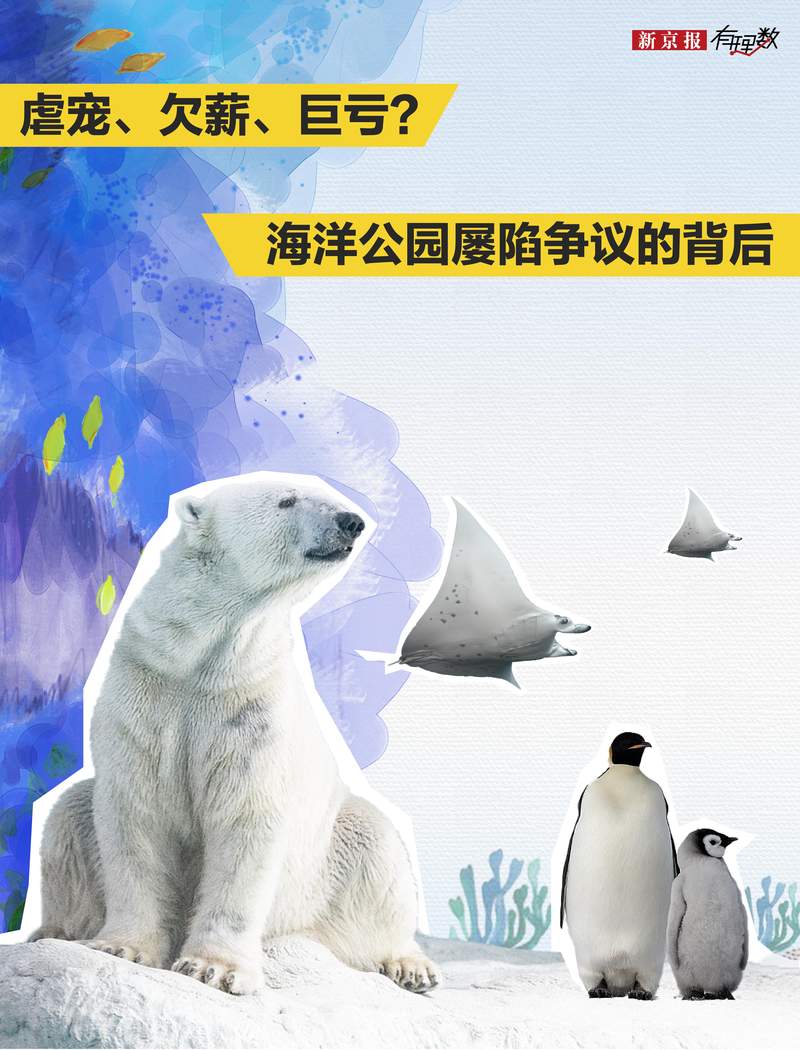
虐宠、欠薪、巨亏?海昌海洋公园怎么了?
Xin Lang Cai Jing· 2025-12-15 13:49
Group 1 - The incident involving a black bear attacking a trainer at Hangzhou Wildlife World led to the suspension of the bear performances and the reassignment of the involved trainer [2][18] - There has been increasing scrutiny on animal performances in theme parks, with allegations of animal mistreatment surfacing, such as the use of tranquilizers on dolphins and expired medications for seals at Zhengzhou Haichang Ocean Park [3][19] - The service practices at theme parks have also faced criticism, exemplified by the "bag check" controversy at Shanghai Haichang Ocean Park, where staff searched visitors' bags and confiscated snacks, raising concerns about visitor rights [3][20] Group 2 - Financial data indicates a decline in visitor numbers and revenue for domestic theme parks, with a 1.76% drop in visitors and a 3.74% decrease in revenue in 2024, a trend expected to continue into 2025 [6][23] - Haichang Ocean Park reported revenue of 1.818 billion yuan in 2024, remaining stable compared to 2023, but faced a net loss of 740 million yuan, a 275% increase in losses year-over-year [8][25] - The park's revenue heavily relies on park operations, with 92.7% of its income coming from this source, making it vulnerable during industry downturns [10][27] - Financial pressures have affected employees, with Haichang Investment Group being listed for labor violations due to unpaid wages totaling 2.66 million yuan, highlighting the operational challenges faced by the company [12][29] - The challenges faced by Haichang reflect broader issues within the marine park industry, where traditional animal performance models are increasingly criticized for failing to meet animal welfare standards and enhance visitor experiences [13][30]

囚鲸之死:一名女驯鲸师的觉醒
36氪· 2025-09-27 10:08
Core Viewpoint - The article discusses the transformation of a former whale trainer, Shao Ran, into an advocate for marine animal rights, highlighting the ethical concerns surrounding the captivity and performance of marine mammals [5][8][32]. Group 1: Background and Personal Experience - Shao Ran became a whale trainer at the age of 25, initially believing it to be a fulfilling career, but later experienced traumatic events that led her to question the ethics of animal performances [11][12]. - During her time as a trainer, she witnessed distressing behaviors in the animals, including aggression and even suicide, which prompted her to reconsider her role and the treatment of these creatures [6][21][22]. Group 2: Ethical Concerns and Advocacy - The article emphasizes the psychological and physical toll on marine animals in captivity, noting that they are often subjected to harsh training methods and perform under extreme stress [20][39]. - Shao Ran's advocacy work includes raising awareness about the natural behaviors of marine animals and the need for legislative changes to protect them from captivity and performance exploitation [29][32]. Group 3: Impact of Personal Transformation - Following the death of a whale named Sophie, Shao Ran reflects on her past actions and the broader implications of animal captivity, leading her to adopt a more aggressive stance in her advocacy [36][37]. - The article highlights the importance of empathy and compassion in understanding the value of life, both for animals and humans, as Shao Ran transitions to a vegan lifestyle and promotes animal welfare [40][41].
卖企鹅,出租海豚,海洋馆没“鲸”费了
Zhong Guo Qing Nian Bao· 2025-09-25 01:13
Core Insights - The marine park industry is facing significant challenges, including declining visitor numbers and increasing operational costs, leading to closures and financial distress among facilities [1][6][15] - The shift in consumer preferences towards animal welfare and the impending ban on marine mammal performances in France has accelerated the crisis [1][4][6] - The industry has seen a trend of diversifying revenue streams, with some facilities offering alternative entertainment options and events to attract visitors [10][12][19] Industry Overview - The closure of the "Marine World" in France highlights the broader crisis in the marine park sector, with visitor numbers dropping from 1.2 million to 425,000 over the past decade [1][31] - In China, major marine parks like Dalian Shengya and Haichang Ocean Park have also faced financial difficulties, leading to low-cost ownership transfers [1][14] - The operational costs of maintaining marine mammals, such as white whales, are substantial, with expenses for water treatment and feeding being significant contributors to financial strain [8][9][10] Financial Dynamics - The financial model of many marine parks is under pressure, with reports indicating that some facilities are unable to cover basic animal care costs due to high operational expenses [34][36] - The trend of leasing marine mammals has increased, reflecting a shift in how facilities manage their animal populations amid financial constraints [32][34] - The industry has seen a rise in "three-no" aquariums, which lack proper technology, funding, and design, leading to high mortality rates among marine life [28][34] Consumer Behavior - Visitor demographics are changing, with many attendees seeking educational experiences rather than traditional animal performances, indicating a shift in consumer expectations [19][22] - The introduction of interactive exhibits and educational programs is becoming essential for attracting visitors and enhancing the educational value of marine parks [36][41] - The reliance on animal performances for revenue is being challenged, as public sentiment increasingly favors animal welfare and ethical treatment [23][31] Future Outlook - The marine park industry may need to transition towards a model focused on conservation and education, similar to successful international examples [36][39] - There is potential for marine parks to evolve into unique, specialized attractions that emphasize local marine biodiversity and conservation efforts [38][39] - The industry faces a critical juncture where leadership and operational strategies must adapt to changing market conditions and consumer expectations to ensure sustainability [41]

海洋馆,没“鲸”费了
Zhong Guo Qing Nian Bao· 2025-09-23 23:32
Core Insights - The marine park industry is facing significant challenges, including declining visitor numbers and increasing operational costs, leading to closures and financial distress among facilities [2][11][12] - The shift in consumer preferences and regulatory changes, such as the ban on marine mammal performances in France, are exacerbating the crisis [2][3] - The industry is experiencing a transformation, with some facilities pivoting to alternative revenue streams, such as hosting events and offering interactive experiences [8][27] Industry Overview - The closure of "Marine World" in France highlights the broader crisis in the marine park sector, with visitor numbers dropping from 1.2 million to 425,000 over the past decade [28] - In China, major marine parks like Dalian Shengya and Haichang Ocean Park have also faced ownership changes and financial difficulties [2][11] - The operational costs of maintaining marine mammals, such as electricity and food, are substantial, with some facilities reporting annual expenses exceeding 40 million yuan [6][11] Financial Dynamics - The financial model of many marine parks is under strain, with high operational costs and declining revenues leading to unsustainable practices [33][34] - Some facilities have resorted to selling animals to cover costs, as seen with Dalian Shengya selling 52 penguins to meet revenue needs [10][33] - The reliance on animal performances for revenue is being questioned, as facilities explore alternative attractions to draw visitors [22][39] Regulatory and Ethical Considerations - The industry is grappling with ethical concerns regarding animal welfare, particularly in light of increasing public scrutiny and regulatory changes [3][22] - The transition towards non-profit models and educational initiatives is being discussed as a potential path forward for the industry [28][41] - The need for improved animal care and management practices is emphasized, with many facilities lacking the necessary expertise and resources [25][41] Future Outlook - The marine park industry may evolve into a model focused on conservation and education, similar to trends observed in Western countries [28][39] - There is potential for differentiation in the market, with facilities developing unique themes and local attractions to attract visitors [40][41] - The ongoing transformation of the industry will require a shift in management perspectives and a commitment to long-term sustainability [41]
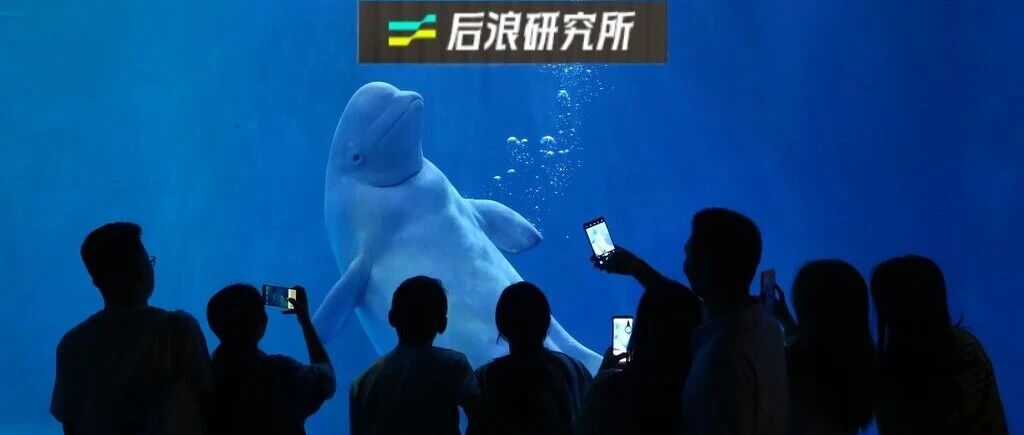
囚鲸之死:一名女驯鲸师的觉醒
后浪研究所· 2025-09-19 10:36
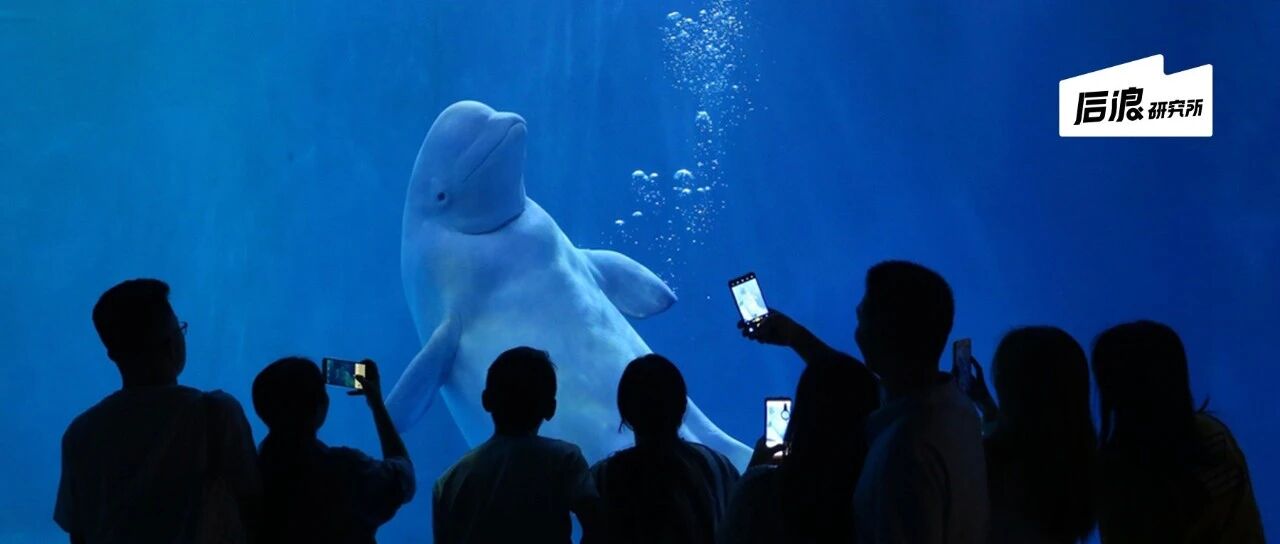
Core Viewpoint - The article discusses the transformation of a former whale trainer, Shao Ran, into an advocate for marine animal rights, highlighting the ethical implications of animal captivity and performance in marine parks [4][5][8][30]. Group 1: Background and Transformation - Shao Ran's career as a whale trainer began at the age of 25, where she initially found joy in her work, believing it to be a fulfilling profession [9][10]. - A near-death experience with a beluga whale named Sophie prompted Shao Ran to reevaluate her role and the treatment of marine animals in captivity [4][21]. - The death of a dolphin she trained, named Huahua, who committed suicide after being neglected, further deepened her awareness of the emotional and psychological suffering of these animals [20][30]. Group 2: Ethical Concerns and Advocacy - Shao Ran's awakening led her to establish the "Ran Ai Tong Sheng" nature protection community in 2016, advocating against animal performances and promoting awareness of animal rights [8][27]. - She emphasizes the cruel conditions under which marine animals are kept, including the physical and psychological toll of constant performances and training [19][30]. - The article highlights the legislative changes in various regions that have begun to prohibit the captivity and performance of marine mammals, indicating a shift in societal attitudes towards animal rights [24][30]. Group 3: Personal Reflections and Future Actions - Following Sophie's death, Shao Ran reflects on her past actions and the impact of her work, feeling a sense of despair for not being able to save the animals she cared for [30][35]. - She has transitioned to a more direct and passionate approach in her advocacy, aiming to awaken empathy and compassion in others regarding animal welfare [31][35]. - Shao Ran's journey has also led her to adopt a vegan lifestyle, advocating for animal welfare in all aspects of life, including food choices [35].
有多少海洋公园被鱼吃垮了?
远川研究所· 2025-07-15 12:39
Core Viewpoint - The article discusses the financial struggles of marine parks, particularly focusing on Haichang Ocean Park, which has faced continuous losses and high operational costs due to the nature of its business model and the rising costs associated with animal care [4][6][13]. Group 1: Company Overview - Xiangyuan Holdings acquired Haichang Ocean Park for HKD 2.3 billion, indicating a shift in ownership amidst financial difficulties [4]. - Haichang Ocean Park has experienced annual losses over the past five years, with a cumulative loss of CNY 3.785 billion from 2020 to 2024 [8][13]. - The park's revenue growth for 2024 is projected at only 0.08%, while losses are expected to widen [8]. Group 2: Operational Challenges - The operational costs of marine parks are significantly high, with examples such as the Zhengzhou Ocean Park costing nearly CNY 4.2 billion to establish, including CNY 2.05 billion for land [17]. - The daily feeding costs for marine animals are substantial, with a single beluga whale costing approximately CNY 12,000 per day for care [20]. - The reliance on animal performances for revenue generation is increasingly problematic due to changing public sentiment towards animal welfare [30][57]. Group 3: Industry Trends - The article highlights a global trend where marine parks are struggling financially, with examples from other regions, such as the closure of Kunming Huadu Ocean World and the financial difficulties faced by Hong Kong Ocean Park [22][30]. - The shift in consumer preferences towards animal welfare has led to a decline in traditional revenue streams for marine parks, necessitating diversification into other entertainment options [30][58]. - Successful tourism projects often focus on reducing fixed costs and increasing secondary revenue streams, a strategy that marine parks have struggled to implement effectively [61][63].