勺子

Search documents
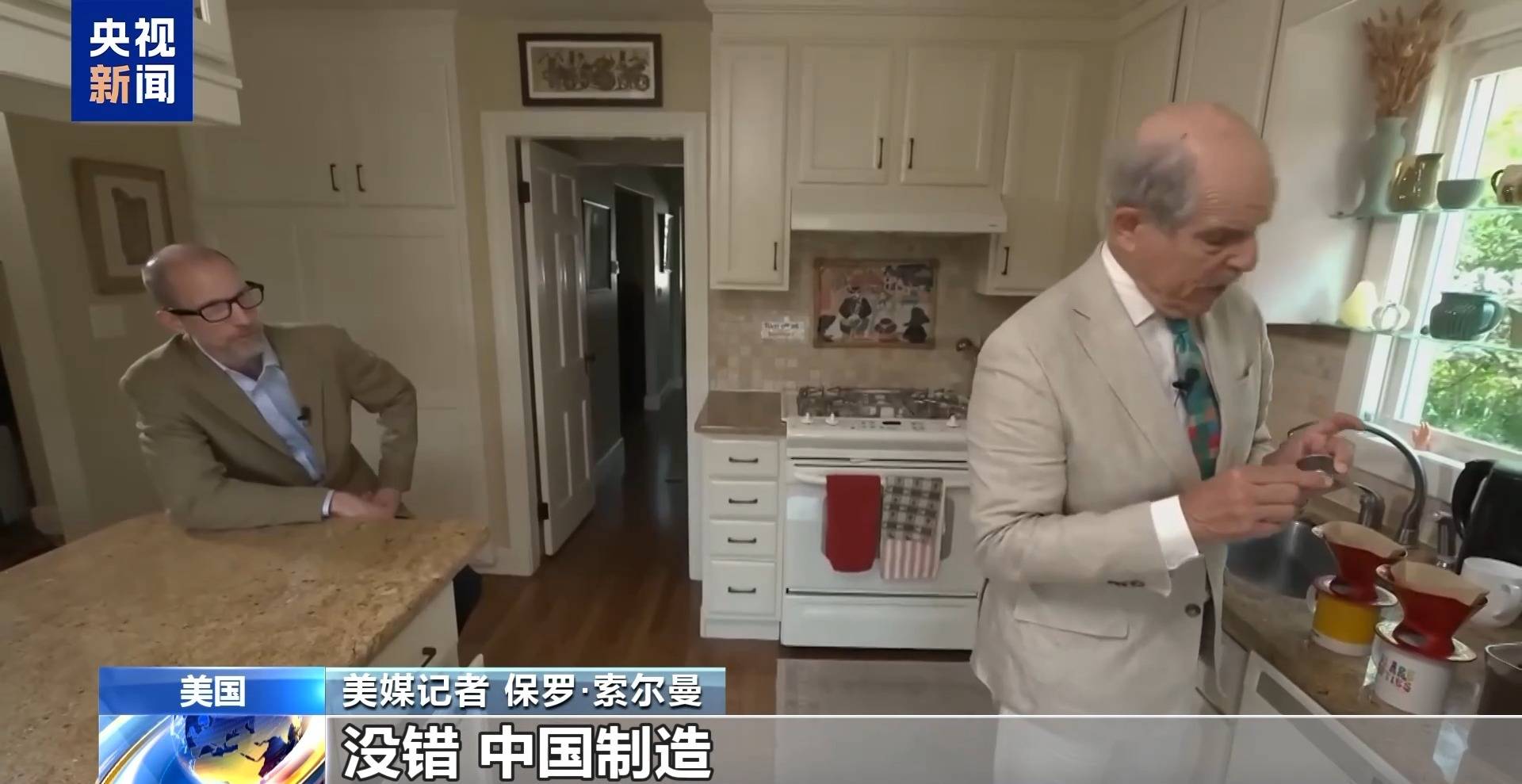
上海市长宁区市场监督管理局2025年12月食品安全监督抽检情况通报
Zhong Guo Zhi Liang Xin Wen Wang· 2026-02-03 05:50
Summary of Key Points Core Viewpoint The Shanghai Longjing Market Supervision Administration conducted food safety supervision and sampling inspections from August to December 2025, revealing a total of 124 food samples tested, with 118 passing and 6 failing the safety standards. Group 1: Inspection Results - A total of 124 food samples were inspected, with 118 passing and 6 failing [3]. - The specific categories of food inspected included edible agricultural products, catering food, and pre-packaged food [3]. Group 2: Non-compliance Details - The non-compliant samples included various food items, with specific issues such as the presence of anionic synthetic detergents and antibiotic residues exceeding permissible limits [3]. - For instance, one sample from Shanghai Shuwei Restaurant showed a detection of 0.016 mg/100 cm² of anionic synthetic detergent, which is not allowed [3]. - Another sample from a local restaurant had a residue of 1.58×10³ µg/kg of enrofloxacin, exceeding the limit of 10 µg/kg [3]. Group 3: Compliance Details - The report also included a list of compliant food products, indicating that a significant majority of the samples met safety standards [5]. - Compliant products included various types of food such as fresh fish, chicken eggs, and vegetables, all of which passed the safety inspections [5]. Group 4: Regulatory Framework - The inspections were conducted in accordance with the Food Safety Law of the People's Republic of China and the Shanghai Food Safety Regulations [3]. - The results are part of ongoing efforts to ensure food safety and compliance within the Shanghai region [3].

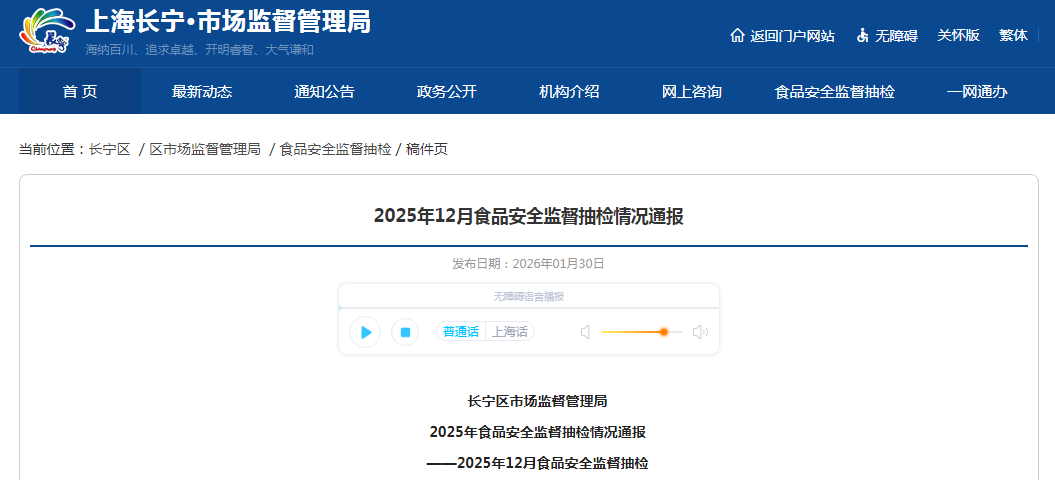
陕西省西咸新区市场监督管理局关于2025年食品安全抽检12批次食品不合格的通告(2025年第059号)
Zhong Guo Zhi Liang Xin Wen Wang· 2026-01-13 07:53
Summary of Key Points Core Viewpoint - The Shaanxi Province Xixian New Area Market Supervision Administration conducted a food safety inspection in 2025, revealing that out of 421 samples tested, 409 were compliant, while 12 samples were found to be non-compliant, prompting further investigation and action against the responsible entities [2][3]. Group 1: Overall Inspection Results - A total of 421 samples across 25 categories were tested, with 409 passing and 12 failing the safety standards [3]. - Categories with non-compliant samples included catering food (11 out of 264), pastries (1 out of 13), and various other food products such as health foods, snacks, and beverages [3]. Group 2: Details of Non-Compliant Products - Specific non-compliant products included: - Rice bowls from a restaurant with a detected value of 0.0445 mg/100 cm² for anionic synthetic detergent, exceeding the standard of not detectable [4]. - Chopsticks and spoons from another restaurant with values of 0.2000 mg/100 cm² and 0.0420 mg/100 cm² respectively, both exceeding the standard [4]. - Fried peanuts with a detected aflatoxin B₁ level of 83.8 µg/kg, surpassing the allowable limit of 20 µg/kg [4]. Group 3: Actions Taken on Non-Compliant Products - The Market Supervision Administration has mandated immediate action to investigate and address the non-compliant products and their suppliers, including product recalls and legal actions against violations [8]. - Consumers are encouraged to report any findings of the non-compliant products through a designated complaint hotline [8].
重庆忠县竹制品走俏马来西亚
Ren Min Ri Bao· 2025-08-11 22:01
Core Insights - Chongqing's Zhongxian County has significantly increased exports of bamboo fiber eco-friendly tableware to Malaysia, capturing 15% of the local biodegradable tableware market [1] - The county has developed over 100,000 acres of bamboo material bases and processes 300 million sets of bamboo fiber products annually, with over 60% of these products exported [1] Group 1 - Zhongxian County's bamboo fiber eco-friendly tableware includes various products such as plates, forks, chopsticks, spoons, and cups [1] - The products have successfully entered 23 local chain supermarkets in major Malaysian cities like Kuala Lumpur and Johor Bahru [1] - The county is recognized as an important production area for global bamboo fiber eco-friendly products [1] Group 2 - The development strategy focuses on replacing plastic with bamboo, promoting high-quality industrial growth [1] - The bamboo industry in Zhongxian has seen significant advancements in resource cultivation, deep processing, and product design and manufacturing [1] - The county's bamboo fiber product exports contribute to its status as a key player in the eco-friendly product market [1]
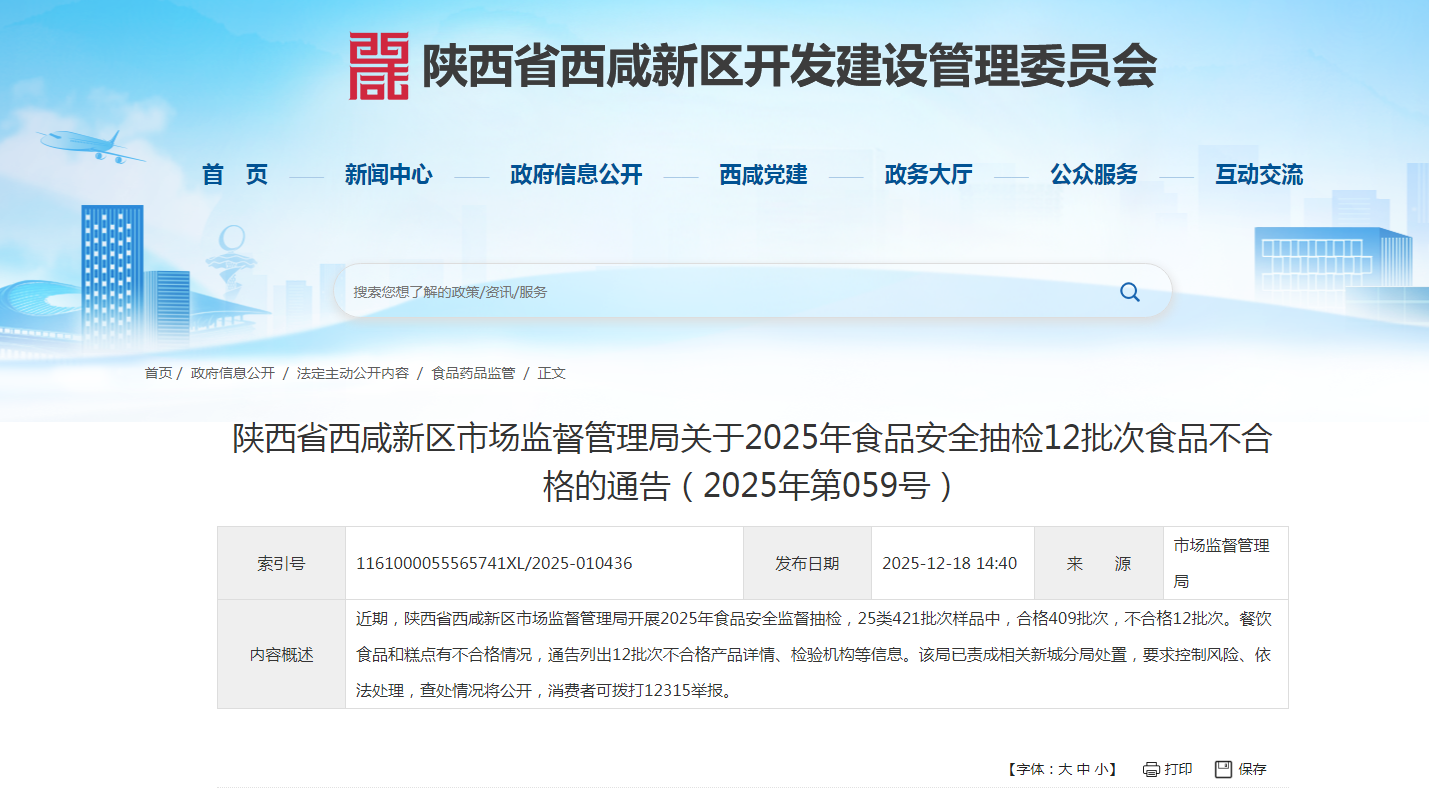
河南省新乡市市场监督管理局关于13批次食品不合格情况的通告 (2025年3号)
Zhong Guo Zhi Liang Xin Wen Wang· 2025-07-15 09:09
Core Viewpoint - The recent food safety inspection in Xinxiang City revealed that out of 259 food samples tested, 246 were compliant while 13 were found to be non-compliant, highlighting ongoing concerns regarding food safety standards in the region [1][4]. Non-compliant Products - A total of 13 batches of food products were identified as non-compliant, including: - One batch of spoons from Yanbo Restaurant in Yanhui Town, which tested positive for coliform bacteria and anionic synthetic detergent at 0.26 mg/100 cm², where the standard requires none [1][2]. - One batch of ginger from Xinxiang Yucai High School, with pesticide residues of thiamethoxam at 1.5 mg/kg (standard ≤0.2 mg/kg) and imidacloprid at 2.4 mg/kg (standard ≤0.3 mg/kg) [1][3]. - Other non-compliant items included bowls and plates from various restaurants, also showing contamination with coliform bacteria and synthetic detergents [2][3]. Regulatory Actions - The Xinxiang Market Supervision Administration has mandated that the responsible parties for the non-compliant products conduct thorough investigations, identify the batches and quantities involved, and take corrective actions such as product recalls [4][5]. - Consumers are urged to remain vigilant about food safety and report any issues to the authorities [4]. Compliant Products - The inspection covered a wide range of food categories, including biscuits, tea, nuts, dairy, and more, with 246 out of 259 samples passing the safety standards [1][6].
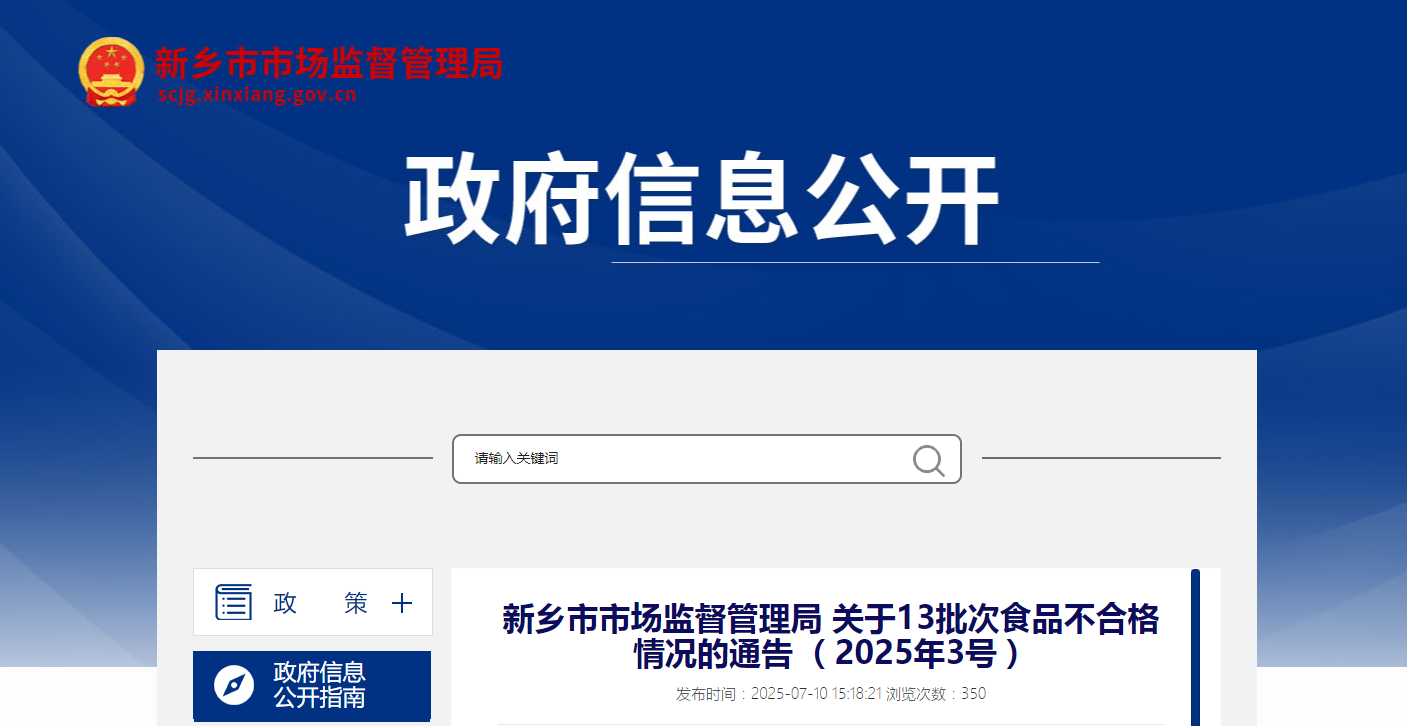
马克杯、勺子、烤箱…… 美国依赖“中国制造”的不只是厨房
Sou Hu Cai Jing· 2025-05-20 18:11
Core Viewpoint - The U.S. government's tariff policy is significantly impacting various aspects of American society, particularly affecting consumer prices and the availability of essential goods [1][9]. Group 1: Impact on Consumers - Many household products, including utensils and appliances, are manufactured in China, leading to potential price increases for consumers due to tariffs [1][3][5]. - The imposition of tariffs may result in shortages of essential items, making it difficult for consumers to find alternatives produced domestically [9]. Group 2: Investment Climate - The uncertainty surrounding trade policies is causing hesitation among investors, as they are wary of making long-term commitments in the face of unpredictable regulatory changes [11]. - The need for significant capital investment, such as $100 million for a factory, is compounded by the fear of sudden policy shifts, discouraging new manufacturing ventures in the U.S. [11]. - Importers are rushing to stockpile Chinese goods before a temporary suspension of tariffs, indicating a reactive rather than proactive investment strategy [11].