
北汽极狐阿尔法T5 Robotaxi

Search documents
共建车队模式扩张Robotaxi规模化 小马智行加速推进全球布局
Di Yi Cai Jing· 2026-03-27 03:35
Core Viewpoint - The autonomous driving industry is transitioning from technology validation to large-scale commercialization, facing challenges such as heavy asset investment, cross-market adaptation, and long profit cycles, which need to be addressed by all players in the sector [1]. Group 1: Strategic Collaboration - Pony.ai, Verne, and Uber have announced a strategic partnership to launch commercial Robotaxi services in Zagreb, Croatia, marking the first paid Robotaxi operation in Europe [1][3]. - This collaboration showcases Pony.ai's efficient international expansion strategy and its commitment to advancing the autonomous driving sector [3][8]. Group 2: Business Model Innovation - Pony.ai has developed a "co-built fleet" model that redefines industry chain roles, allowing for scalable expansion and addressing high capital expenditures and long profit cycles [4]. - The model involves a triad collaboration of technology providers, asset operators, and platform partners, creating a complete commercial loop that enhances operational efficiency [5][12]. Group 3: Operational Efficiency - The co-built fleet model allows Pony.ai to focus on its core technology while leveraging local partners for fleet management and operations, thus facilitating the local deployment of autonomous driving services [11][12]. - The company has achieved significant cost reductions, with the seventh-generation autonomous driving suite's costs decreasing by 70% compared to the previous generation, enabling cross-model adaptability and lowering lifecycle costs [7]. Group 4: Market Expansion and Performance - Pony.ai's Robotaxi fleet has surpassed 1,000 vehicles, achieving full unmanned paid operations in major Chinese cities, with the seventh-generation Robotaxi reaching operational breakeven in Guangzhou and Shenzhen [7]. - The partnership with Verne and Uber in Croatia is expected to replicate the successful business model from China, providing a framework for international expansion and market penetration [8][13]. Group 5: Globalization and Competitive Position - The co-built fleet model is a key component of Pony.ai's global strategy, allowing the company to adapt to various market conditions and regulatory environments while establishing a comprehensive autonomous driving service network [12][13]. - By integrating successful Chinese market experiences with local resources and platform advantages globally, Pony.ai is positioned favorably in the competitive landscape of the autonomous driving industry [13].

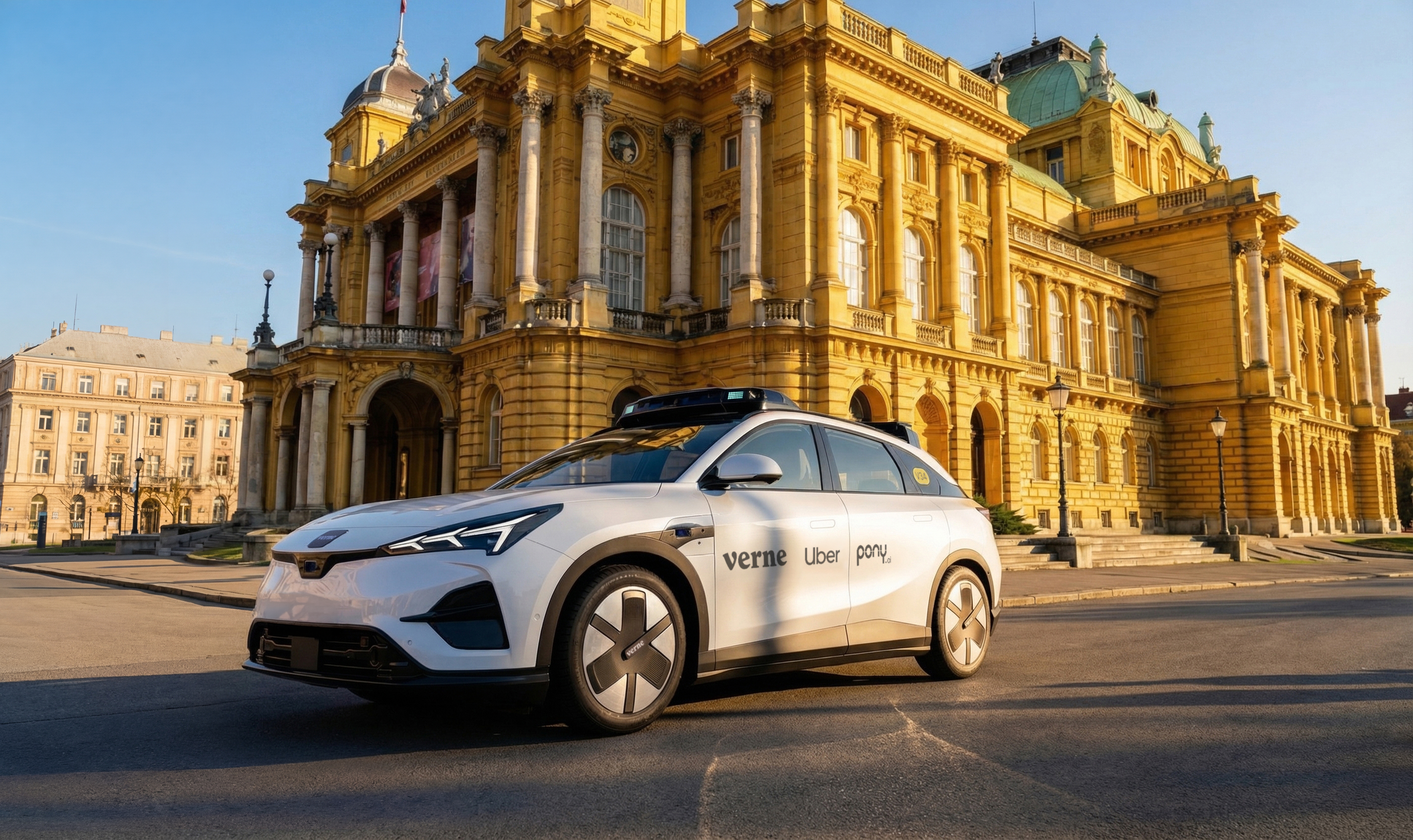
小马智行共建车队破局出海 中国智驾“样板间”改写全球格局
Huan Qiu Wang Zi Xun· 2026-03-27 01:45
Group 1 - The core viewpoint of the news is the strategic collaboration between Pony.ai, Verne, and Uber to establish a commercial Robotaxi fleet in Zagreb, Croatia, marking a significant step for China's autonomous driving industry in global expansion [1] - This project is the first in Europe expected to achieve paid operations for Robotaxi services, showcasing the maturity of Pony.ai's co-built fleet model and its replicable experience in the global market [1][2] - The collaboration involves a comprehensive framework of "full-stack technology output + local operational implementation + global platform traffic," which is essential for replicating the Chinese "model room" in different markets [1] Group 2 - Pony.ai's seventh-generation autonomous driving solution is being tested in Zagreb, demonstrating its adaptability to complex urban environments, which reinforces the technical foundation for the overseas fleet [2] - The co-built fleet model is characterized by a "light asset, multi-win" approach, creating a clear and robust multi-revenue system that allows for rapid scaling and reduces financial pressure on Pony.ai [2] - The successful implementation of this model in China, evidenced by partnerships with local taxi and ride-hailing companies, has validated its feasibility and scalability [3] Group 3 - Pony.ai's global strategy focuses on regions with open policies and well-developed infrastructure, having already established a presence in markets like the Middle East, Singapore, and South Korea, replicating the domestic co-built fleet model [3] - The launch of the Zagreb project represents a critical breakthrough in the overseas replication of this model, confirming the global applicability of Chinese autonomous driving solutions [3] - Pony.ai's international expansion signifies a shift from being a technology follower to a leader in the autonomous driving industry, contributing to the global discourse on smart mobility and establishing a competitive edge for Chinese innovation [3]
小马智行:一线城市全布局 深度合作整车厂商助力实现盈亏平衡
Zheng Quan Shi Bao Wang· 2025-08-27 14:55
Core Insights - Pony.ai has launched a 24/7 autonomous driving service in Shenzhen, aiming to expand its fleet to over 1,000 vehicles by the end of 2025, accelerating the commercialization of autonomous driving [2][3] - The company has established a comprehensive autonomous driving service network across major Chinese cities, covering over 2,000 square kilometers, with plans for further expansion [4] - Pony.ai's technology includes a "world model" for virtual simulations and a remote assistance system, enhancing safety and operational efficiency [5][6] Domestic Expansion - Pony.ai operates in four major cities (Beijing, Shanghai, Guangzhou, and Shenzhen) with a focus on gradual commercialization and regulatory collaboration [4] - The company has received support from Shenzhen's local government, which has established regulations for autonomous driving, facilitating industry growth [3] Technology Development - The "world model" allows for extensive virtual training, achieving a safety level ten times higher than that of human drivers [6] - The remote assistance system enables real-time support for vehicles in complex situations, allowing for efficient management of multiple vehicles by a single operator [6] Product and International Expansion - The seventh generation of autonomous vehicles has been developed in collaboration with major automotive manufacturers, with over 200 units produced and plans for deployment in major cities by 2025 [7] - Pony.ai is expanding internationally, conducting road tests in Dubai, Seoul, and Luxembourg, while sharing regulatory experiences with foreign authorities [7] Future Outlook - The company is pursuing deep collaborations with automotive manufacturers to reduce costs and achieve profitability [8] - Industry experts believe that safety must remain a priority in the pursuit of scaling autonomous driving services, especially in light of recent developments in the U.S. market [9]
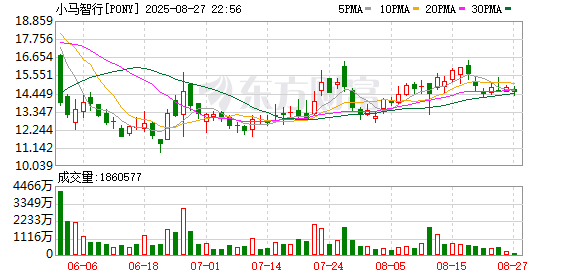
智能网约车概念活跃 锦江在线、富临运业双双涨停
news flash· 2025-07-23 02:00
Core Viewpoint - The smart ride-hailing concept is gaining traction, with companies like Jinjiang Online and Fulinhyunye experiencing significant stock price increases due to advancements in autonomous driving technology [1] Group 1: Market Activity - Jinjiang Online and Fulinhyunye both hit the daily limit up in stock price [1] - Other companies such as Shikong Technology, Dazhong Transportation, and Jiaoyun Shares also saw their stock prices rise in response to the news [1] Group 2: Technological Developments - Xiaoma Zhixing announced the road testing of its seventh-generation autonomous driving system, the Baic Arcfox Alpha T5 Robotaxi, in Shenzhen [1] - This marks the entry of two models equipped with Xiaoma Zhixing's seventh-generation Robotaxi into mass production and public road testing [1]


第七代自动驾驶的士,广深开启路测!小马智行:年底前超千辆
Nan Fang Du Shi Bao· 2025-07-15 09:19
Core Insights - The introduction of the latest member of the Pony.ai Robotaxi family, the BAIC Arcfox Alpha T5, marks a significant step towards the company's goal of expanding its fleet to 1,000 vehicles by the end of 2025 [2] - Pony.ai's CEO, Peng Jun, emphasizes that 2025 will be the year of mass production for Robotaxis, with plans to build a fleet of over 1,000 vehicles by the end of the year [2] - The seventh-generation autonomous driving system has achieved three major breakthroughs: the use of 100% automotive-grade components, a 70% reduction in total system costs compared to previous generations, and a platform design that allows for quick adaptation to various vehicle models [3] Technological Advancements - The new system includes over 20 safety redundancies, more than 1,000 detection designs, and multiple degradation strategies, ensuring robust safety for driving [3] - The autonomous driving system, based on the PonyWorld world model technology, surpasses human safety levels and continuously iterates to enhance its ability to handle complex scenarios, aiming for full-scene, all-weather autonomous driving [3] Market Considerations - The capital market is particularly interested in when the autonomous driving industry will cross the break-even point and overcome safety barriers [3] - Achieving sustainable operation for Robotaxis requires a monthly driving distance of over 9,000 kilometers, which exceeds the average distance of traditional taxis in the Guangzhou-Shenzhen area by 30% [4] Operational Challenges - The operational efficiency of the vehicles must be high, especially during peak traffic hours, to bridge the gap between the current capabilities and the goal of fully autonomous, cost-effective operation [4] - The collaboration between Pony.ai and major manufacturers like GAC and BAIC appears to be a win-win for technology empowerment and capacity release, but it also conceals a power struggle within the industry chain [4][5]
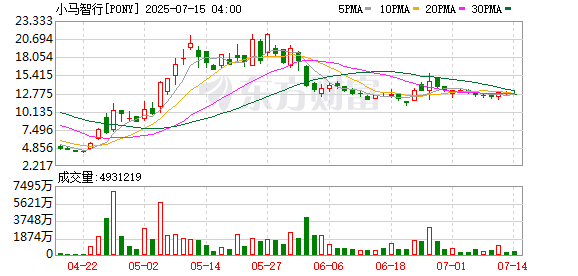
小马智行第七代自动驾驶Robotaxi启动量产及路测,为规模化部署奠定基础
IPO早知道· 2025-07-14 12:23
Core Viewpoint - The article highlights the significant progress made by Xiaoma Zhixing in the development and deployment of its seventh-generation autonomous driving system, marking a crucial step towards achieving a fleet size of 1,000 vehicles by the end of 2025 [2][8]. Group 1: Development and Testing - Xiaoma Zhixing has commenced road testing of its seventh-generation Robotaxi, the Beiqi Extreme Fox Alpha T5, in Shenzhen, following the successful launch of the GAC Aion Dinosaur Robotaxi in Guangzhou and Shenzhen [2]. - The seventh-generation autonomous driving system has transitioned from laboratory and closed environment testing to real traffic applications, demonstrating its capabilities in various complex conditions [4]. Group 2: Technological Advancements - The seventh-generation system has achieved three core breakthroughs: it is the first globally to use 100% automotive-grade components, has reduced total system costs by 70% compared to previous generations, and features a platform design that allows for rapid adaptation to various vehicle models [6]. - The system includes over 20 safety redundancies, more than 1,000 detection designs, and multiple degradation strategies, ensuring robust safety for driving [6]. Group 3: Future Outlook - Xiaoma Zhixing's CEO, Peng Jun, stated that 2025 will be the year of mass production for Robotaxi, with plans to build a fleet of over 1,000 vehicles by the end of the year [8]. - The advancements in cost-effectiveness and technology are expected to drive growth for Xiaoma Zhixing's business and contribute to the transformation of transportation methods, fostering a new ecosystem for safe, efficient, and convenient future mobility [8].
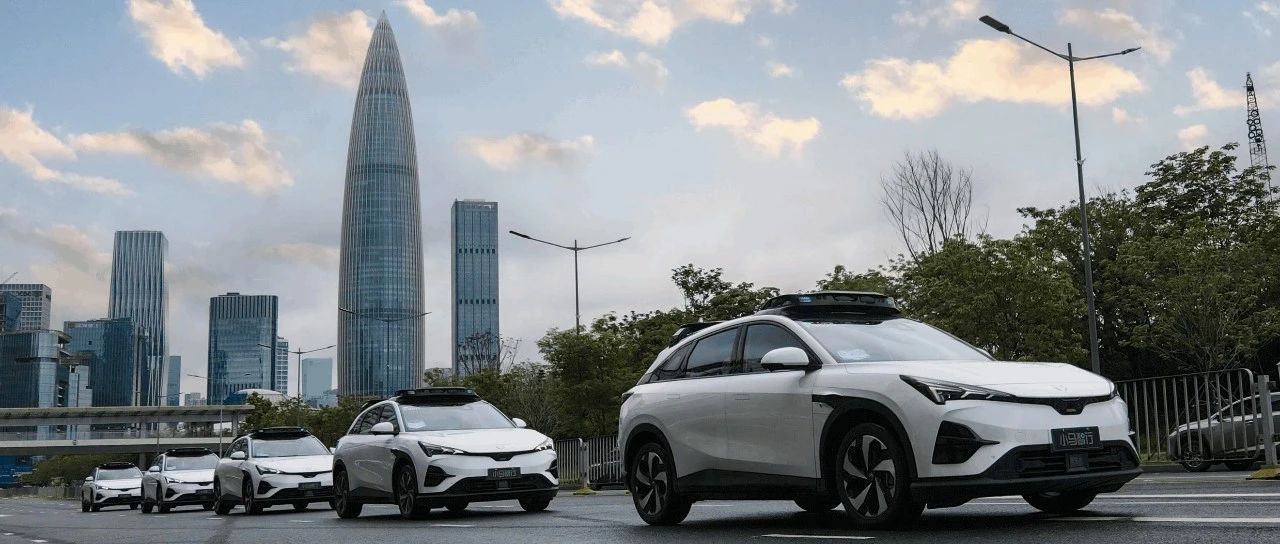
小马智行第七代自动驾驶Robotaxi启动量产及路测
news flash· 2025-07-14 10:55
Core Viewpoint - Pony.ai has announced the road testing of its seventh-generation autonomous driving system, the BAIC Arcfox Alpha T5 Robotaxi, in Shenzhen, marking a significant step towards its goal of expanding its fleet to 1,000 vehicles by the end of 2025 [1] Group 1 - The BAIC Arcfox Alpha T5 Robotaxi is now undergoing public road testing [1] - Pony.ai's seventh-generation Robotaxi has multiple models entering mass production [1] - This event follows the Guangzhou and Shenzhen road testing licenses obtained by GAC Aion's Bawanglong Robotaxi [1]