华为DriveONE

Search documents
明年开始,你的刹车会迎来一波史诗级更新
3 6 Ke· 2025-12-01 00:25
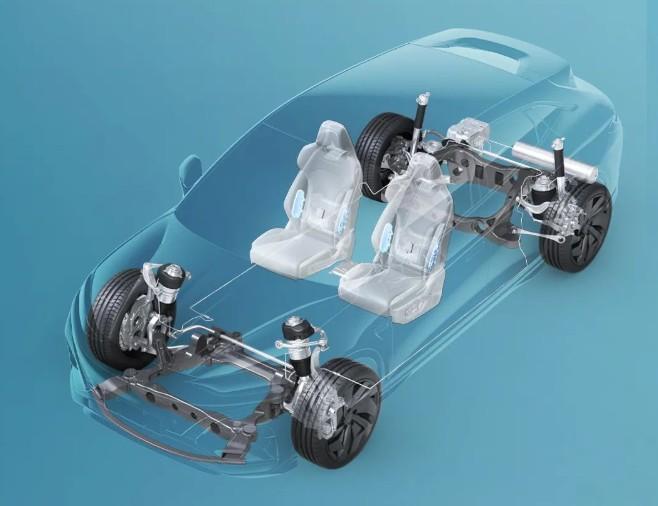
Core Viewpoint - The article discusses the upcoming significant advancements in brake technology, particularly focusing on the transition from traditional hydraulic systems to electronic mechanical braking (EMB) systems, which are expected to enhance vehicle safety and performance. Group 1: Technology Overview - The new "line control braking" technology has received approval from national standards, paving the way for its implementation in vehicles [2][17] - Current braking systems like EHB (Electronic Hydraulic Brake) still rely on hydraulic components, limiting their full potential [4][6] - EMB eliminates the hydraulic system entirely, using electric motors at each wheel for precise control, resulting in faster response times and improved braking efficiency [6][11] Group 2: Performance Benefits - EMB can reduce braking response time to under 100 milliseconds, significantly decreasing stopping distances compared to traditional systems [7][8] - The accuracy of EMB allows for precise control of braking force at each wheel, enhancing vehicle stability and safety, especially in adverse conditions [9][11] - The elimination of hydraulic components not only reduces weight but also improves energy efficiency and maintenance costs [11][13] Group 3: Market Readiness and Challenges - Despite the advantages, EMB technology is not yet widely adopted, with only a few models currently utilizing it, such as the Audi R8 e-tron and the Dongfeng Fengxing Star Sea V9 [13][19] - Safety concerns and the need for redundant systems have delayed broader implementation, as manufacturers await clearer regulations [15][18] - The introduction of national standards (GB 21670-2025) is expected to facilitate the adoption of EMB, although it may increase production costs by 30%-50% due to the need for backup systems [18][21] Group 4: Industry Competition - Major suppliers like Bosch and Continental are preparing to launch EMB products, indicating a competitive landscape in both domestic and international markets [19][21] - The article highlights the importance of EMB technology for the automotive industry's advancement, particularly in the context of meeting European regulations [21][22]


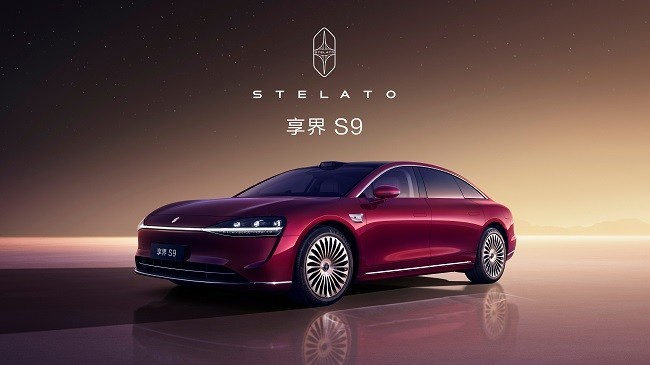
搭载华为DriveONE 鸿蒙智行全新享界S9上市
Huan Qiu Wang· 2025-11-25 05:32
Core Insights - The launch of the new luxury flagship sedan, the Enjoy S9, by Huawei's HarmonyOS Intelligent Driving, is priced between 309,800 to 369,800 yuan, marking a significant addition to the product lineup for 2025 [1] - The Enjoy S9 features advanced technologies aimed at enhancing safety, comfort, and efficiency for consumers [1] Group 1: Vehicle Specifications - The Enjoy S9 is equipped with Huawei's DriveONE high-voltage silicon carbide power platform for the pure electric version and a six-in-one motor for the range-extended version [1][5] - The vehicle utilizes DriveONE's dynamic adaptive torque control technology, significantly improving torque feedback speed and optimizing driving conditions in various scenarios [3] - The pure electric version boasts an 800V high-voltage architecture, achieving a charging time of 15 minutes for a range of 400 km, with a total range exceeding 800 km for the S9 pure electric MAX version [5] Group 2: Performance and Efficiency - The DriveONE intelligent oil cooling technology effectively reduces motor operating temperatures under extreme conditions, ensuring consistent power delivery during rapid acceleration and overtaking [5] - The range-extended version of the Enjoy S9 achieves a maximum efficiency of 98% for its motor, allowing for a total range exceeding 1,300 km, addressing long-distance travel concerns for users [5] Group 3: Market Impact and Collaborations - Huawei's DriveONE has established deep collaborations with numerous brands, providing power domain solutions for over 50 vehicle models in both pure electric and range-extended scenarios [7] - As of September 2025, Huawei DriveONE has shipped over 3.5 million units, with more than 2 million vehicles delivered, collectively covering over 30 billion kilometers [7]
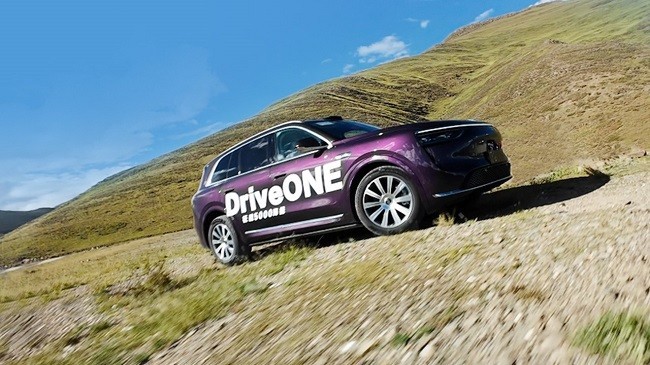
华为DriveONE护航新能源车队挑战超高海拔
Huan Qiu Wang· 2025-10-10 09:18
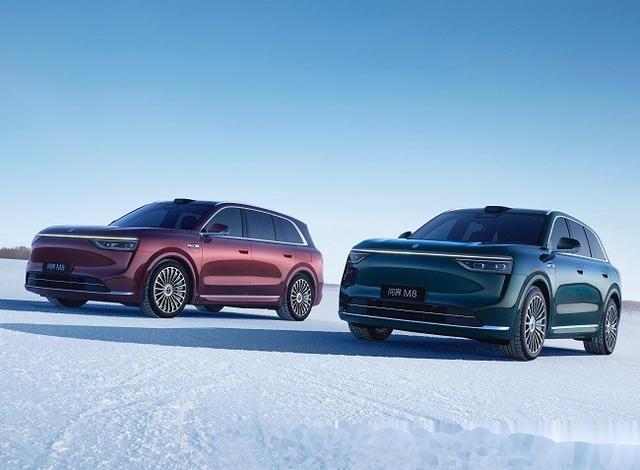
Core Insights - Huawei's DriveONE technology showcases its performance and reliability in extreme high-altitude conditions through a live challenge event [1][4] - The DriveONE system is a key component of Huawei's digital energy business, emphasizing technological innovation in electric power and thermal management [1] - Safety is a primary focus in the development of DriveONE, integrating multiple safety barriers to ensure stable operation and support for L3 autonomous driving [2] Group 1: Product Performance - The newly launched AITO M8 pure electric version and M9 range-extended version both utilize the DriveONE motor, demonstrating strong performance in high-altitude environments [1] - The AITO M8 pure electric version features a high-pressure seven-in-one motor, enhancing space utilization for passengers and storage [1] - The AITO M9 range-extended version achieves a fuel consumption of 6.9L per 100 kilometers, balancing fuel economy with electric vehicle performance [1] Group 2: Safety Features - DriveONE incorporates a triple safety barrier system, including power supply, power, and motion safety [2] - The power supply safety features include dual-path redundancy and real-time monitoring to ensure stable operation [2] - Motion safety is enhanced through a collaborative architecture that improves vehicle control precision, particularly in challenging driving conditions [2] Group 3: Quality Assurance - Huawei adheres to a "quality first" philosophy, conducting extensive testing with nearly a thousand test vehicles across various complex driving conditions [4] - Long-term commitment to quality has led to continuous optimization in safety, reliability, and overall efficiency of the DriveONE system [4] - The live demonstration highlighted the stable performance of high-quality electric drives in complex high-altitude environments, reinforcing consumer confidence in electric vehicles [4]
问界M8纯电版上市在即,首发华为DriveONE自研高压七合一电机
Huan Qiu Wang Zi Xun· 2025-08-20 04:54
Group 1 - The core viewpoint is that the AITO M8 series, including the extended-range version and the upcoming pure electric version, is gaining significant market traction due to its performance and technological features [1][2][4] - The AITO M8 extended-range version has maintained an average monthly delivery of over 20,000 units since its launch in April, ranking among the top in the market for vehicles priced above 400,000 yuan in China [1] - The AITO M8 pure electric version has received over 15,000 pre-orders within 72 hours of its announcement, indicating strong consumer interest prior to its official market launch [1] Group 2 - The AITO M8 extended-range version is designed to meet family vehicle needs, balancing performance, energy consumption, and comfort, featuring the Huawei DriveONE range-extending power system with a comprehensive range of 1,526 kilometers and a 0-100 km/h acceleration time of 5.2 seconds [2] - The vehicle employs a four-wheel drive architecture with asynchronous front and synchronous rear motors, optimizing gear and active lubrication technologies to reduce electromagnetic losses and improve energy efficiency [2] - Safety and comfort features include the Huawei DriveONE dynamic adaptive torque system, which adjusts torque based on real-time road conditions, enhancing vehicle stability and improving ride comfort by 90% in braking smoothness [2] Group 3 - The AITO M8 pure electric version will be the first to feature the Huawei DriveONE high-voltage seven-in-one motor, which boasts advanced integration, energy efficiency, and NVH performance [4] - Huawei DriveONE has been continuously developing electric drive systems since 2020, achieving a 92% efficiency for its silicon carbide electric drive assembly in 2023, and aims for a "10 kilometers per kilowatt-hour" energy consumption performance in 2024 [6] - By the first half of 2025, Huawei DriveONE is projected to rank second in the industry for electric drive product installations, leading among independent suppliers [8]