卡片大师

Search documents
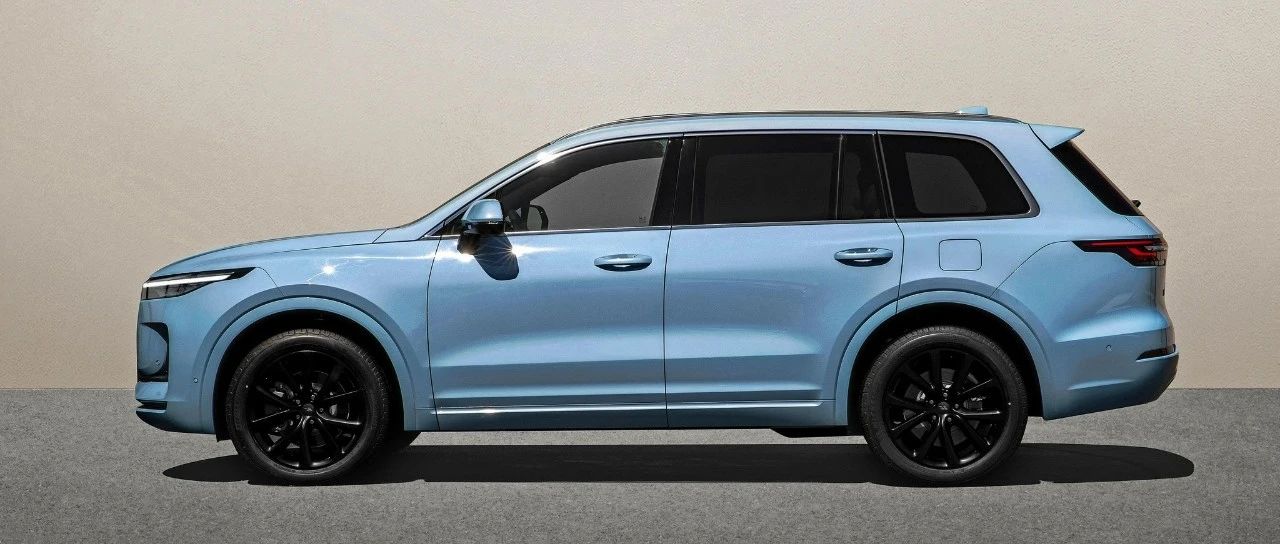
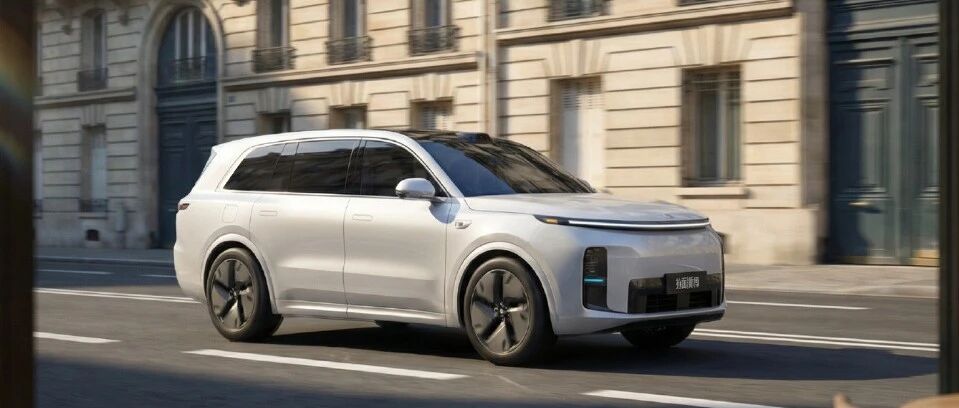
2026款理想L9最值得观察的三条主线是销量/自动驾驶/具身智能
理想TOP2· 2026-02-05 07:47
Sales - The sales performance of the 2026 L9 model will significantly impact the revenue, net profit, and free cash flow limits for the company in 2026 and 2027, while the sales of the i6/L6 models will greatly influence the lower limits [1] - Observing delivery volumes, order messages, and consumer feedback one month, three months, and six months after the release of the 2026 L9 will provide better insights into consumer acceptance and the model's market performance [1] Autonomous Driving - The focus should be on the actual user value enhancement of autonomous driving by the company compared to competitors, rather than merely comparing which is superior [2][4] - The company has optimized the response time of its vehicles to approximately 350 milliseconds, which is a significant improvement over the current average of 550 milliseconds, potentially reducing accident rates by 50% [2] User Value and Interaction - The improvement in real user value is a fundamental anchor for sales, while the competition ranking is merely a marketing gimmick [4] - The company is expected to explore new interaction methods for its cockpit, potentially inspired by the "Doubao" smartphone, which emphasizes user-friendly interfaces and efficient operation paths [6][7][8] Embodied Intelligence - The company anticipates that 2026 will mark the beginning of a new era in embodied intelligence within the automotive sector, with products that differ significantly from past offerings [10] - The usability and delivery timeline of the embodied intelligence features in the 2026 L9 model are critical observation points, as initial public sentiment may suggest competitors could easily replicate these innovations [11] Battery and Charging Infrastructure - The 2026 L9 is expected to feature a 70 kWh battery with a CLTC range exceeding 400 kilometers, along with a commitment to a robust charging infrastructure [12] - The company's strategy to integrate charging as a product operation will likely resonate well with a significant portion of pure electric vehicle users, especially given the anticipated lack of comparable competition in 2026 [12]


如果存在理想第一代AI眼镜, 先降低预期可能是上策
理想TOP2· 2025-11-24 11:54
Core Insights - The exploration of physical AI terminals, such as glasses, involves necessary trial and error, and lowering expectations may be a prudent approach [1] - By April 2025, the characteristics of AI terminals identified by Li Xiang include: 1) 360-degree perception of the physical world 2) Cognitive decision-making ability 3) Action capability 4) Self-reflection and feedback [1] - The development of robots requires research and analysis based on industry progress, and certain capabilities must be addressed internally [1] Group 1 - The current state of glasses technology presents a "impossible triangle" regarding display capability, wearability, and battery life, with Vision Pro scoring 9 in display, 6-7 in battery life, and nearly 0 in wearability, while Rokid glasses score 7-8 in wearability and battery life but only 3 in display [2] - Achieving simultaneous scores of 7-8 in display, wearability, and battery life will require advancements across various technologies, including batteries, materials, semiconductors, optics, and communications [2] - The overall performance of the company in various departments, including sales management and supply chain, has been average, indicating challenges in meeting high-frequency user demands [2] Group 2 - Current AI glasses are unlikely to be particularly impressive in their first generation, as significant issues remain to be resolved [2] - The direction for AI glasses appears clear, but achieving the desired performance metrics will require overcoming numerous technical challenges [2]

用三组关键词囊括所有看好理想人士近期对理想的观点
理想TOP2· 2025-08-22 13:29
Core Viewpoint - The article discusses the differing perspectives of VC (Venture Capital) and PE (Private Equity) mindsets towards the company 理想 (Li Auto), highlighting how these mindsets influence the evaluation of the company's potential and performance. VC Mindset - The VC mindset focuses on long-term potential, often looking at a 3-5 year horizon and analyzing the core value or potential of 理想 in the context of being a leading physical AI company [2] - VCs are more tolerant of mistakes and failures during the long-term goal achievement process, believing in the transformative potential of AI technology [2][5] - The VC perspective emphasizes the low marginal cost of software and the significant future value creation potential, regardless of immediate financial metrics [9] PE Mindset - The PE mindset is more short-term oriented, typically evaluating the company on a timeline of less than a year, focusing on concrete financial metrics such as sales volume, revenue, and profit margins [3] - PEs require solid evidence of value and are less forgiving of short-term misjudgments, leading to a more critical view of 理想's recent performance [4][19] - The PE perspective is influenced by recent financial data, which has been disappointing, leading to a low evaluation based on specific performance metrics [15][16] Physical AI - 理想's approach to physical AI combines AI software with hardware, representing a significant advancement over traditional software-hardware integration [6][7] - The article emphasizes the unique capabilities of 理想 in achieving a high level of integration between AI software and hardware, which may be underestimated by those focused solely on hardware or traditional software [7] Recent Performance and Criticism - Recent performance metrics have led to criticism from the PE perspective, particularly regarding delivery targets and product expectations [15][16] - Specific issues highlighted include unmet delivery guidance, product delays, and customer dissatisfaction, which have contributed to a negative perception among PE investors [16] - The article notes that while the VC mindset may overlook these issues due to a focus on long-term potential, the PE mindset is less tolerant of such discrepancies [18][19]