Rokid眼镜

Search documents
OpenClaw爆火之后,AI硬件终于能来点“真AI”吗?
虎嗅APP· 2026-03-13 10:18
Core Viewpoint - The article discusses the rapid growth of AI hardware ecosystems driven by OpenClaw, highlighting the transition from AI merely "speaking" to "acting" in the physical world, and the potential for significant innovations in AI products like glasses and robots [5][10]. Group 1: OpenClaw's Impact - OpenClaw addresses the limitations of previous smart hardware, enabling AI to move from "generating content" to "operating in the physical world," which could lead to breakthroughs in product interaction and user experience [10]. - Current products like Rokid glasses, Vbot robotic dogs, and the MimiClaw open-source project are examples of how OpenClaw is expanding the possibilities for AI applications [10]. Group 2: Industry Opportunities - The article questions whether the development of AI hardware has reached a turning point following the explosion of AI software, and whether OpenClaw can help create widely recognized benchmark products in the AI hardware space [10]. - It discusses the potential for investment focus to shift towards platform companies versus product companies, and the implications for both large enterprises and smaller teams or makers in the AI hardware landscape [10]. Group 3: Event Information - An exclusive closed-door meeting is scheduled for March 18, 2026, aimed at discussing the real opportunities presented by OpenClaw and the future of AI hardware [16]. - The event invites entrepreneurs, investors, and industry observers to engage in meaningful discussions about the challenges and opportunities in the AI hardware sector [13][14].


年终观察:“数字之城”杭州如何驶入文旅发展新赛道?
Zhong Guo Xin Wen Wang· 2025-12-18 12:23
Core Insights - The report titled "AI Emergence - 2025 Hangzhou Digital Cultural Tourism Industry Development Annual Report" highlights a 10.6% year-on-year revenue growth for digital cultural tourism backbone enterprises in Hangzhou for the first three quarters of 2025, emphasizing the integration of culture and technology [1] Group 1: Industry Trends - The five key trends identified for the year include "prosperity of immersive formats," "widespread adoption of cultural tourism intelligence," "rise of smart terminals," "explosion of the audiovisual industry," and "acceleration of cultural tourism going global" [1] - The shift from "viewing" to "experiencing" is transforming tourism consumption, with successful examples like the TV series "My Alashan" boosting local tourism revenue by 78% within 20 days [1] Group 2: Technological Innovations - Digital technology is providing new ways to engage with historical culture, as seen in projects like the "AR Water Tour" in Hangzhou, where visitors interact with historical narratives through augmented reality [2] - The evolution of terminal devices is crucial, with AR glasses being utilized in over 200 cultural venues nationwide, serving more than 3 million visitors, and offering features like voice recognition and real-time translation [3] Group 3: Urban Development - The transformation of traditional districts, such as the Wensan Digital Life Street, showcases a 46.9% increase in visitor numbers and a 92.6% rise in merchant revenue, highlighting the impact of digitalization on urban spaces [4] Group 4: Global Expansion - Hangzhou's digital cultural tourism is expanding globally, with projects like the immersive night tour in Almaty, Kazakhstan, expected to attract over 30,000 visitors daily [6] - The evolution from product export to cultural and standard export is evident, with companies like Zhejiang Dafeng Industrial Co., Ltd. expanding their business to over 100 countries and reporting a 52.16% revenue growth in the first half of 2025 [6] Group 5: Future Outlook - The core value of AI in cultural tourism lies in creating unique experiences that enhance emotional value and extend the consumption chain, which can amplify the overall tourism consumption multiplier effect [7] - The window of opportunity for "AI + cultural tourism" is estimated to be three to five years, with early adopters likely to define industry standards [9]

杭州数字技术开拓文旅新场景
Zhong Guo Xin Wen Wang· 2025-12-18 05:18
Group 1 - The core concept of redefining the cultural tourism industry through digital technologies, particularly AI and AR, is emphasized at the 2025 Hangzhou Digital Cultural Tourism Industry Development Conference [1] - The model of "one drama igniting a city" is effectively driving cultural tourism consumption growth, with notable examples such as the surge in tourism searches in Jiangmen due to the drama "Crazy" and a 78% year-on-year increase in tourism revenue in Altay after the release of "My Altay" [1] - The shift from passive viewers to active participants in storytelling is highlighted, with projects like iQIYI's theme park aiming to create immersive experiences that influence narrative outcomes [1] Group 2 - The advancement of AR glasses, such as those from Rokid, is revolutionizing visitor experiences in over 200 cultural venues in China, serving more than 3 million people [2] - AR glasses are evolving to include features like voiceprint recognition for secure payments, real-time navigation, and multilingual instant translation, positioning them as comprehensive personal assistants [2] - The tourism industry is identified as an ideal field for AI applications due to its high interaction frequency and complexity, with a call for the establishment of "tourism AI infrastructure cities" to enhance visitor experiences and operational efficiency [2]
AI重塑文旅新生态 杭州“大莲花”将迎来沉浸式影视乐园
Mei Ri Shang Bao· 2025-12-15 23:47
Core Insights - Hangzhou is set to launch an AI-themed entertainment park, "iQIYI Paradise," which will offer immersive experiences similar to those seen in the TV series "Westworld" [1][2] - The 2025 Hangzhou Digital Cultural Tourism Industry Development Conference marked the beginning of a new era in digital cultural tourism, with significant projects being signed [1] Group 1: iQIYI Paradise - The iQIYI Paradise will be located in the "Great Lotus" cultural center, covering approximately 15,000 square meters and featuring seven entertainment modules, including immersive theaters and MR games [2] - The park is expected to open to the public in 2027 and will integrate multimedia art experiences with interactive storytelling [2] Group 2: Cultural Two Centers - The "Cultural Two Centers" project in Hangzhou aims to modernize public cultural spaces, with a total area of about 60,300 square meters, focusing on digital tourism and international cultural exchange [3] - The project will showcase various intangible cultural heritage items, including 8 UNESCO-listed, 48 national, and over 400 local heritage items, emphasizing Hangzhou's cultural richness [3] Group 3: Community Engagement and Modernization - The iQIYI Paradise will include a public experience area for interactive installations, aiming to modernize and engage younger audiences with traditional culture [4] - The integration of the Cultural Two Centers with iQIYI Paradise and surrounding commercial areas is designed to enhance visitor accessibility and experience, promoting a seamless blend of cultural tourism and urban consumption [4]

如果存在理想第一代AI眼镜, 先降低预期可能是上策
理想TOP2· 2025-11-24 11:54
Core Insights - The exploration of physical AI terminals, such as glasses, involves necessary trial and error, and lowering expectations may be a prudent approach [1] - By April 2025, the characteristics of AI terminals identified by Li Xiang include: 1) 360-degree perception of the physical world 2) Cognitive decision-making ability 3) Action capability 4) Self-reflection and feedback [1] - The development of robots requires research and analysis based on industry progress, and certain capabilities must be addressed internally [1] Group 1 - The current state of glasses technology presents a "impossible triangle" regarding display capability, wearability, and battery life, with Vision Pro scoring 9 in display, 6-7 in battery life, and nearly 0 in wearability, while Rokid glasses score 7-8 in wearability and battery life but only 3 in display [2] - Achieving simultaneous scores of 7-8 in display, wearability, and battery life will require advancements across various technologies, including batteries, materials, semiconductors, optics, and communications [2] - The overall performance of the company in various departments, including sales management and supply chain, has been average, indicating challenges in meeting high-frequency user demands [2] Group 2 - Current AI glasses are unlikely to be particularly impressive in their first generation, as significant issues remain to be resolved [2] - The direction for AI glasses appears clear, but achieving the desired performance metrics will require overcoming numerous technical challenges [2]


爆款AI眼镜背后,“长沙智造”C位出道
Chang Sha Wan Bao· 2025-11-15 11:54
Core Insights - Rokid and BOLON have launched the new BOLON AI smart glasses, achieving sales of 40,000 units within the first five days across all channels, topping sales charts on platforms like Tmall, JD, and Douyin [1] - Blue Glass Technology, as the exclusive supplier for Rokid, provides comprehensive production services from precision components to complete assembly, leveraging its expertise in lightweight composite materials [1][2] - The Rokid glasses weigh only 49 grams, overcoming traditional AR glasses' challenges of being heavy, having short battery life, and unclear displays, thanks to Blue Glass Technology's advancements in precision manufacturing [1] Company and Industry Summary - Rokid is focused on human-computer interaction technology and aims to develop AR glasses and related software and hardware products, utilizing the YodaOS operating system for ecosystem development [1] - Blue Glass Technology has established vertical integration capabilities covering "materials—process—manufacturing," enabling efficient and stable production while promoting significant breakthroughs in domestic supply chains [1][2] - The integration capabilities of Blue Glass Technology translate into competitive advantages for products, facilitating the transition of AI hardware from "lab samples" to "mass production," with a target of 1 million units for Rokid in the coming year [2] - The demand for AI edge hardware is expected to continue growing, with Blue Glass Technology positioned as a crucial player in the AI hardware industry chain due to its technological accumulation and production capabilities [2]

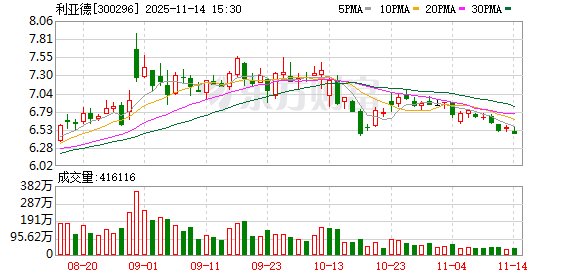
利亚德:与Rokid眼镜的合作主要在于文旅场景创新体验方式的探索
Mei Ri Jing Ji Xin Wen· 2025-11-14 13:08
Group 1 - The core viewpoint of the article is that Liard (300296.SZ) is collaborating with Rokid to explore innovative experiences in cultural tourism scenarios using AR technology [2] - Rokid is recognized as a pioneer in the AI/AR glasses field, having developed mature AR products with applications in cultural tourism [2] - Liard has extensive experience in the cultural tourism and exhibition markets, having built a strong customer base over the years, which will help meet the growing demand for immersive interactive experiences [2]

Rokid乐奇推出“风林火山”国潮系列,定价从4599元起
Feng Huang Wang· 2025-11-13 15:18
Core Viewpoint - Rokid and BOLON jointly launched new smart glasses, integrating traditional craftsmanship with modern technology, targeting both consumer and business markets [1] Group 1: Product Launch - Rokid introduced a national trend series of smart glasses themed "Wind, Forest, Fire, Mountain," priced between 4599 yuan and 9688 yuan, incorporating traditional crafts like Hangzhou embroidery and wood carving [1] - BOLON launched AI smart glasses featuring Qualcomm AR1 processor and a 12-megapixel Sony camera, priced at 2199 yuan, emphasizing stylish design and advanced functionalities such as AI object recognition, navigation, and translation [1] Group 2: Ecosystem and Partnerships - Rokid is expanding its ecosystem by collaborating with platforms like Amap, Alipay, QQ Music, JD Technology, and Flight Manager, covering various life scenarios including navigation, payment, music, shopping, and travel [1] Group 3: Business Applications - Rokid's smart glasses have been applied in sectors such as transportation, real estate, vehicle control, and healthcare, enhancing industry efficiency [1] - To boost user confidence, Rokid introduced the "Rokid Care" service, offering screen breakage and water damage coverage starting at an annual fee of 199 yuan [1]
“科技新特产”成杭州消费新趋势
Hang Zhou Ri Bao· 2025-09-29 02:31
Core Insights - The emergence of a "Technology Life Experience Hall" in Hangzhou showcases various innovative products, reflecting a growing consumer interest in smart and high-quality living solutions [1][2] - The sales of technology products have surged in the Wulin business district and Wen San Digital Life Street, indicating a strong demand for health and fitness-related technology as the holiday season approaches [1][3] Group 1: Technology Products - The "Technology Life Experience Hall" features over 30 local tech companies, highlighting products aimed at diverse scenarios such as sports, health, and elderly care [1] - Notable products include the AI health assessment device by Qiaolangzhong, which provides personalized health recommendations in 30 seconds, and the TOVIGOR AI fitness device that creates a compact home gym [2] - The smart exoskeleton developed by Cheng Tian Technology and Zhiyuan Research Institute is designed to assist users in walking and outdoor activities, showcasing advancements in wearable technology [2] Group 2: Market Trends - The demand for tech products is evident, with items like the AI smart glasses selling out quickly, indicating a trend towards integrating technology into daily life [2][3] - The Wen San Digital Life Street has also seen significant sales, with the Rokid flagship store reporting sold-out status for its new eyewear, reflecting the popularity of innovative tech solutions [3] - The "Technology New Specialty" initiative in Hangzhou aims to merge technology with cultural consumption, contributing to the city's goal of becoming an international consumption center [1]
直击2025外滩大会:AI成果与机器人齐飞,技术将重塑人类未来
Sou Hu Cai Jing· 2025-09-11 16:24
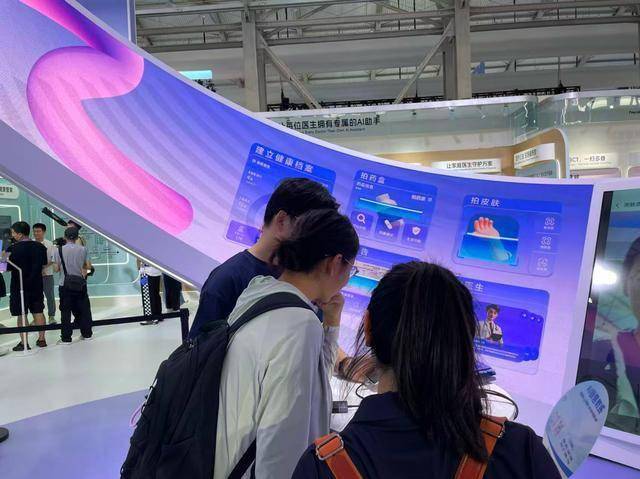
Group 1: Conference Overview - The 2025 Inclusion Bund Conference was held in Shanghai from September 10 to 13, focusing on the theme "Reshaping Innovation Growth" [1] - The conference featured a main forum, over 40 open insight forums, global theme days, innovation stages, a technology exhibition, and a technology talent recruitment fair, providing a platform for exchange and collaboration [1] - Notable speakers included Yuval Noah Harari, Wang Jian from Alibaba Cloud, and Wang Xingxing from Yushutech, highlighting the event's significance in the tech industry [1] Group 2: AI Applications - Ant Group showcased its AI health application AQ, which allows users to diagnose health issues through skin analysis and provides health management features [2][4] - The AQ app has expanded its health record functionality to cover hospitals across Zhejiang Province and is negotiating partnerships with hospitals nationwide [2] - Ant Group's CEO emphasized the importance of combining AI with human expertise in healthcare, aiming to enhance the capabilities of specialists and support grassroots doctors [4] Group 3: Innovative Products - The Leion Hey2 smart glasses by Liangliang Vision can perform real-time translation in over 100 languages and will be launched in mainland China and Korea in October [5] - Alipay's "Tap to Pay" feature has expanded to over 1,000 scenarios, with a user base exceeding 200 million, allowing for seamless transactions and new marketing opportunities [8] Group 4: Robotics and AI Integration - The conference featured 40 renowned embodied intelligence companies, showcasing robots that engage with attendees and demonstrate advanced capabilities [10] - The GR-3 robot by Fourier is designed for interactive companionship and is currently in the pre-sale stage, targeting applications in guided interaction and academic research [12] - Assistive robots like ArmMotus™ EMU and ExoMotus™ M4 are being utilized in community health centers to aid patients with functional disabilities [14][16]