哈啰电动车

Search documents
多线扩张业务面临信任危机 哈啰“电动车智能化”叙事受考验
Mei Ri Jing Ji Xin Wen· 2025-12-17 13:55
Core Insights - The article highlights the challenges faced by Hello's electric vehicle (EV) business, particularly due to the discontinuation of 2G network services, which has rendered many smart features in their EVs non-functional [1][5][6] - Hello's expansion strategy, which includes various services like ride-hailing and autonomous driving, is under scrutiny as it faces a trust crisis among users [2][7] Group 1: User Experience and Feedback - Users have reported significant issues with Hello's electric vehicles, including the loss of smart functionalities and difficulties in contacting customer service [1][4] - Many customers feel abandoned by Hello, as the company has not effectively communicated service changes or provided adequate support [4][6] - The introduction of a paid upgrade for 4G capabilities has not been well received by users, who are frustrated with the sudden loss of features they initially paid for [4][5] Group 2: Business Strategy and Market Position - Hello's electric vehicle business has not expanded as anticipated, with reports indicating a shift towards a rental model and the closure of physical stores [3][6] - The company is attempting to pivot towards new growth areas, such as Robotaxi technology, in collaboration with partners like Ant Group and CATL, indicating a need for innovation and diversification [7][8] - Analysts suggest that Hello must focus on solidifying its core services and ensuring safety in its operations, rather than solely emphasizing smart technology [8] Group 3: Regulatory and Industry Context - The discontinuation of 2G services has raised questions about the responsibility of manufacturers in informing consumers about potential risks associated with network changes [5][6] - Other companies in the electric vehicle sector, such as Niu, are also facing similar challenges, indicating a broader industry issue regarding the transition from older network technologies [5][6] - Legal experts suggest that Hello may need to proactively address potential liabilities related to the loss of smart features due to the 2G network shutdown [5][6]
多线扩张的代价?Robotaxi风波未平,2G退网又逼停电动车业务,哈啰“智能化”叙事受拷问
Mei Ri Jing Ji Xin Wen· 2025-12-16 15:41
Core Viewpoint - The article highlights the challenges faced by Hello Bike in its electric vehicle (EV) business, particularly due to the discontinuation of 2G network services, which has rendered many smart features in their electric bikes non-functional, leading to customer dissatisfaction and trust issues [1][12]. Group 1: Customer Experience and Feedback - Customers have reported that the smart features of Hello's electric bikes have stopped working since the 2G network was phased out, with many expressing disappointment over the lack of prior notification regarding service changes [1][11]. - Users like Wang Bei and Xiao Hua, who purchased Hello electric bikes for their smart features, feel abandoned as the company has not communicated effectively about the service changes and has closed many physical stores [2][4]. - The company has offered a paid upgrade to a 4G smart box to restore functionality, but many users are dissatisfied with this solution and have sought alternatives [11][12]. Group 2: Business Strategy and Challenges - Hello Bike has expanded its business from bike-sharing to include ride-hailing, electric bikes, and autonomous driving, but this multi-line expansion strategy is now facing significant challenges and a crisis of trust [2][15]. - The company is reportedly shifting its focus from selling electric bikes to a rental model, closing many of its physical stores, which has raised concerns among users about the future of the brand [3][4]. - The recent accident involving a Hello autonomous vehicle has further damaged the company's reputation and raised questions about its operational capabilities in the autonomous driving sector [15][16]. Group 3: Industry Context and Regulatory Issues - The discontinuation of 2G services has affected multiple companies in the electric vehicle sector, indicating a systemic issue within the industry regarding the transition to newer technologies [12][13]. - Legal experts suggest that companies may face liability issues due to the failure to inform customers about the risks associated with using 2G technology, which could lead to potential recalls and legal challenges [12][14]. - The article emphasizes the need for companies like Hello to reassess their expansion strategies and focus on solidifying their core services to regain customer trust and ensure long-term viability [16].

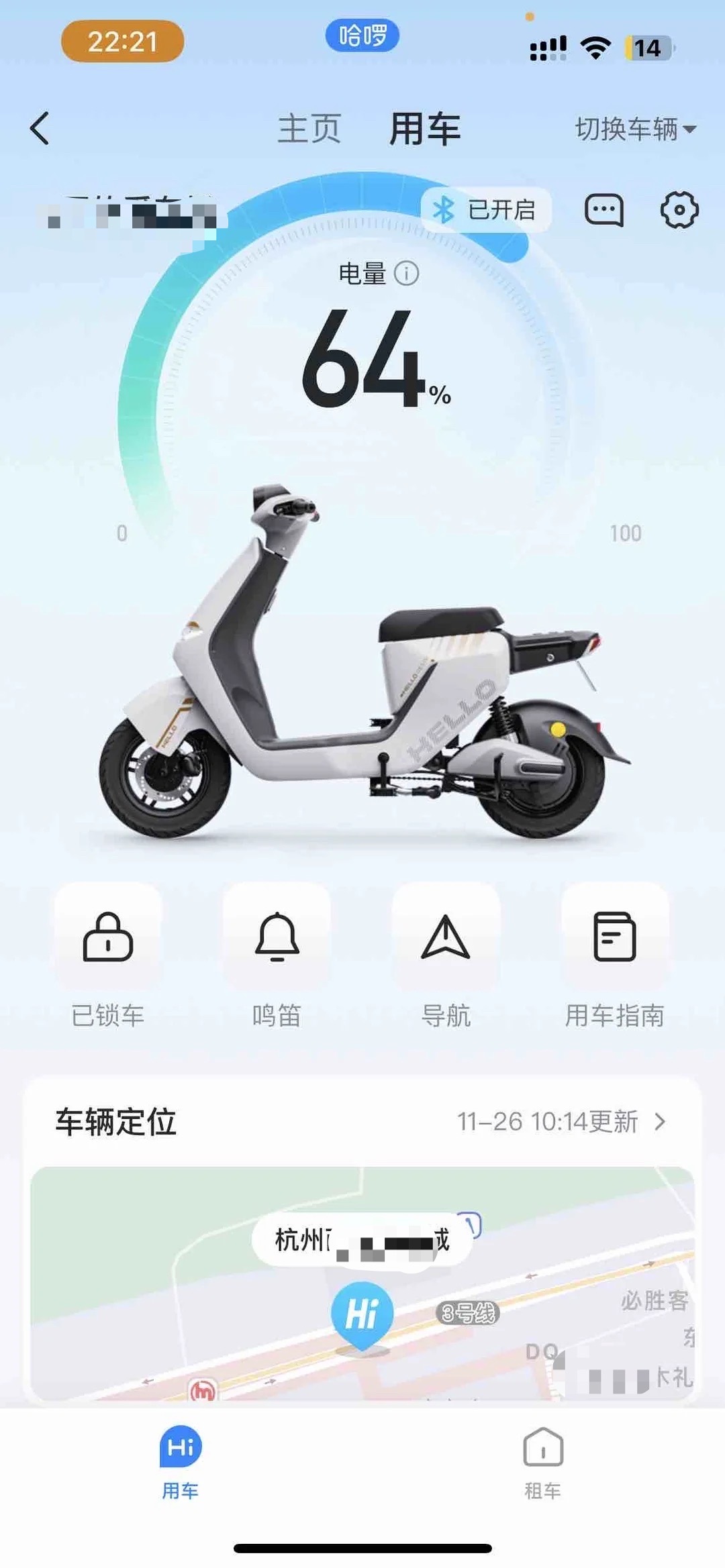
哈啰双线翻车:电动车大规模断服 Robotaxi当街撞人
Xin Lang Ke Ji· 2025-12-15 15:34
Core Viewpoint - The article highlights the issues faced by users of Hello's electric bikes due to the discontinuation of 2G networks, leading to the loss of smart features and raising concerns about consumer rights and company practices [1][8][9]. Group 1: User Experience and Issues - Many users reported their Hello electric bikes experienced "lockout" and "power loss" while riding, which posed safety risks [1][3]. - Hello attributed these issues to the nationwide 2G network shutdown, affecting models using 2G communication chips, and offered limited solutions such as Bluetooth unlocking or paid upgrades to 4G chips [3][5]. - Users expressed frustration over the loss of features that were marketed as part of the "permanent membership," which now only provides basic functionalities [5][6]. Group 2: Company Practices and Consumer Rights - The company continued to release electric bike models using 2G technology despite prior warnings from the Ministry of Industry and Information Technology about phasing out 2G/3G networks [8][9]. - Legal experts indicated that Hello's actions may violate consumer rights, including the right to be informed about the implications of purchasing 2G-based products [9][10]. - The company’s failure to disclose the potential impact of the 2G shutdown on the smart features of their bikes raises questions about transparency and consumer trust [9][10]. Group 3: Robotaxi Business and Safety Concerns - Hello's Robotaxi service recently faced a serious incident where a vehicle struck pedestrians, raising alarms about the safety of its autonomous driving technology [11][13]. - The CEO had previously claimed that the AI and hardware for Robotaxi were mature, but the accident contradicted this assertion, leading to concerns about the company's operational readiness [11][13]. - The incident marks a significant safety breach in the Robotaxi sector, which has strict safety standards, further complicating Hello's reputation in both the electric bike and autonomous vehicle markets [13].
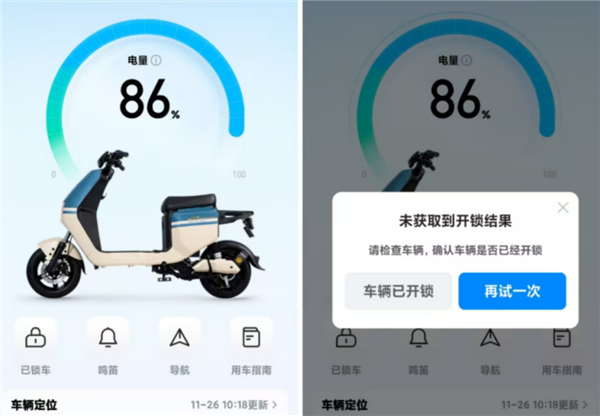
哈啰电动车因“2G网络退网”出现断服 报道称建议用户自费换芯升级
Xi Niu Cai Jing· 2025-12-15 09:33
Core Viewpoint - Users of Hello's electric bikes have reported the loss of features such as remote location tracking and battery monitoring, with incidents of sudden power loss while riding, raising safety concerns [2] Group 1: User Feedback and Issues - A significant number of Hello electric bike users have experienced the disappearance of "permanent member" features, including remote location and battery status [2] - Users have reported incidents of the bikes suddenly "locking up" during rides, which nearly led to accidents [2] - Affected users were not informed at the time of purchase that the bikes operated on 2G communication, and now face the need to pay for upgrades after owning the bikes for over a year [2] Group 2: Company Response and Solutions - Hello attributes the service disruption to the shutdown of 2G networks, affecting models with EB11 and EB20 smart chips, which may lead to issues with locking and unlocking the bikes [2] - The company has proposed two solutions: using Bluetooth to start the lock or purchasing a "4G smart chip" at their own expense [2] - Hello has only committed to refunding the portion of membership fees that does not include the permanent membership for affected users [2] Group 3: Regulatory Context - In August 2020, the Ministry of Industry and Information Technology issued a notice aimed at promoting the migration of 2G/3G IoT services, indicating a shift away from 2G technology [2] - Despite this regulatory push, Hello, which began its electric bike business in July 2020, still has models that rely on 2G networks [2]

哈啰“双线翻车”:电动车大规模断服
Xin Lang Ke Ji· 2025-12-15 02:04
Core Viewpoint - The company faces significant backlash from users due to the discontinuation of 2G network services, which has rendered many smart features of its electric bikes inoperable, leading to safety concerns and potential legal issues [1][5][7]. Group 1: User Experience and Feedback - Numerous users reported their electric bikes experienced sudden "lockout" and "power loss" while riding, raising safety concerns [1][3]. - The company attributed these issues to the nationwide 2G network shutdown, affecting models with EB11 and EB20 smart chips, and offered limited solutions such as Bluetooth unlocking or upgrading to a 4G smart chip at a cost [3][4]. - Users expressed frustration over the lack of prior notification regarding the use of 2G technology when purchasing their bikes, which they believe violates their right to be informed [5][10]. Group 2: Regulatory and Industry Context - The company began its electric bike business in July 2020, shortly after a government directive in August 2020 advised against using 2G/3G networks for new IoT devices [7][9]. - Despite the regulatory guidance, the company continued to release new electric bike models utilizing outdated 2G technology, which is seen as a significant oversight given the expected lifespan of electric bikes [10][11]. Group 3: Legal and Ethical Implications - Legal experts suggest the company's actions may infringe on consumer rights, including the right to be informed and the right to fair trade, as consumers were not made aware of the implications of the 2G network shutdown [10][12]. - The company's failure to provide adequate information about the technology used in its products has led to accusations of short-sightedness and a lack of responsibility towards consumers [5][11]. Group 4: Robotaxi Business and Safety Concerns - The company recently entered the Robotaxi market but faced a serious incident where a self-driving vehicle struck pedestrians, raising questions about the safety of its AI and hardware capabilities [12][13]. - This incident has sparked concerns about the company's ability to ensure safety in its new ventures, paralleling the issues faced in its electric bike business [13].
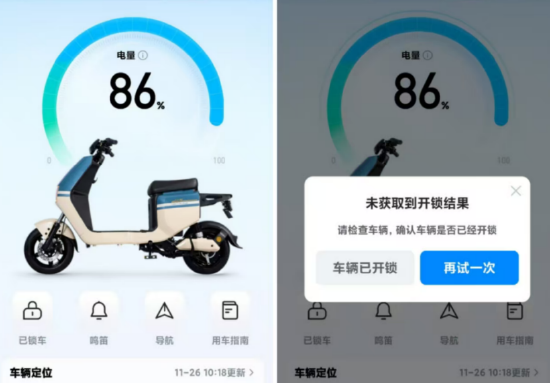
哈啰“双线翻车”:电动车大规模断服,Robotaxi当街撞人,CEO"成熟AI"被打脸? | BUG
Xin Lang Cai Jing· 2025-12-15 01:32
Core Viewpoint - The company Hello has faced significant backlash from electric bike users due to the discontinuation of 2G network services, which has rendered many smart features in their bikes unusable, leading to safety concerns and customer dissatisfaction [2][18][20]. Group 1: User Feedback and Issues - Many users reported that their Hello electric bikes experienced sudden power loss and locking issues while riding, which posed safety risks [2][20]. - Users were not informed at the time of purchase that the bikes relied on 2G communication, and now they are required to pay for upgrades to continue using smart features [2][6][22]. - The company has offered a solution that includes using Bluetooth to unlock the bikes or paying for a 4G upgrade, which has frustrated many customers [20][21]. Group 2: Regulatory Context - In August 2020, the Ministry of Industry and Information Technology issued a notice urging the discontinuation of 2G/3G networks for new IoT devices, yet Hello continued to release models using 2G technology [8][24][26]. - The company’s decision to use outdated 2G technology raises questions about its compliance with regulatory guidelines and consumer rights [27][28]. Group 3: Legal and Ethical Concerns - Legal experts suggest that Hello's actions may violate consumer rights, including the right to be informed about the implications of using 2G technology [24][27]. - The failure to disclose the potential for service disruption due to the 2G network shutdown is seen as a breach of consumer trust and fair trading practices [27][28]. Group 4: Robotaxi Business and Safety Incidents - Hello's Robotaxi service recently experienced a serious incident where a vehicle struck pedestrians, raising concerns about the safety of its autonomous driving technology [13][15][31]. - The CEO had previously claimed that the technology was mature and ready for deployment, but this incident has led to skepticism about the company's readiness and safety protocols [13][32].

哈啰「双线翻车」:电动车大规模断服,Robotaxi当街撞人,CEO「成熟AI」被打脸?
Xin Lang Ke Ji· 2025-12-15 01:32
Core Viewpoint - The company Hello has faced significant backlash from electric vehicle owners due to the discontinuation of 2G network services, which has rendered many smart features in their electric bikes inoperable, leading to safety concerns and customer dissatisfaction [2][3][10]. Group 1: Network Issues and Customer Impact - Hello's electric bikes have experienced service interruptions due to the shutdown of 2G networks, affecting features like remote locking and battery monitoring, which were marketed as part of the "permanent membership" benefits [2][3][6]. - Users were not informed at the time of purchase that the bikes relied on 2G communication, and now they face additional costs to upgrade to 4G technology [4][10]. - The company has offered limited solutions, such as using Bluetooth to unlock the bikes or paying for a 4G upgrade, while only partially refunding membership fees [6][10]. Group 2: Regulatory and Industry Context - The Ministry of Industry and Information Technology had issued a notice in August 2020, urging the discontinuation of 2G/3G networks for new IoT devices, yet Hello continued to release models using 2G technology [4][12][16]. - The company launched its electric bike business in July 2020, shortly before the regulatory notice, and has since introduced several models that still utilize outdated communication technology [12][13]. Group 3: Legal and Ethical Concerns - Legal experts have indicated that Hello's actions may violate consumer rights, including the right to be informed about the implications of using 2G technology, which could lead to legal repercussions [14][16]. - The failure to disclose the potential for service disruption due to network changes raises questions about the company's commitment to consumer transparency and fair trading practices [14][16]. Group 4: Robotaxi Business and Safety Issues - Hello's Robotaxi service has recently encountered a serious safety incident, marking a significant concern for the company's new venture into autonomous driving [18][19][21]. - The CEO had previously claimed that advancements in AI and hardware justified the launch of the Robotaxi service, but the recent accident has cast doubt on these assertions and raised concerns about the safety protocols in place [18][19][21]. - The incident has led to fears that Hello's approach to the Robotaxi market may mirror the issues faced in their electric bike segment, potentially damaging the company's reputation and consumer trust [21].