
哈啰Robotaxi

Search documents
哈啰出行,扩张更难了?
36氪· 2026-03-17 13:35
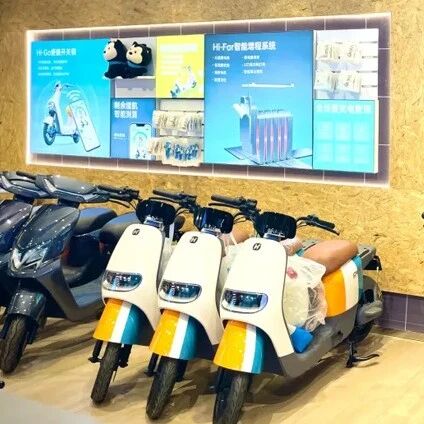
Core Viewpoint - The article highlights the issues surrounding Hello's electric bike rental business, particularly the violation of national standards regarding vehicle speed and safety, which has led to increased scrutiny from regulatory authorities and potential impacts on the company's market position and future IPO prospects [4][6][30]. Group 1: Regulatory Issues - Hello was named in the CCTV 3.15 Gala for its electric bike rental service, where some vehicles exceeded the legal speed limit of 25 km/h, reaching speeds of up to 75 km/h [4][11]. - The investigation has expanded beyond the rental service to include issues related to licensing, recruitment, and vehicle deployment [5][6]. - Regulatory bodies, including the Shanghai Market Supervision Administration, have initiated on-site inspections and investigations into the company’s practices [5][19]. Group 2: Business Model and Expansion - Hello, founded in 2016, has evolved from a bike-sharing company to a comprehensive mobility platform, expanding into various services including electric bike rentals and Robotaxi [5][30]. - The company has faced challenges in its IPO journey, having withdrawn its application in 2021 and now exploring potential backdoor listings through acquiring a public company [5][34]. - The rapid expansion of Hello's services has raised concerns about its management and compliance capabilities, particularly in light of recent regulatory scrutiny [30][37]. Group 3: Market Perception and Future Outlook - The 3.15 incident has prompted a reevaluation of Hello's business fundamentals, governance, and market prospects, with potential implications for its valuation [6][35]. - The company’s response to the regulatory issues emphasizes its role as a platform provider, shifting responsibility to merchants while acknowledging management oversights [17][19]. - The combination of regulatory challenges and operational issues, such as the Robotaxi accident and the 2G network shutdown affecting its electric bikes, has compounded the difficulties Hello faces in maintaining user trust and compliance [22][30][36].

30岁已成“职场高龄”?哈啰的招聘红线,刺痛了谁
凤凰网财经· 2026-02-28 13:08
Core Viewpoint - The article discusses the recent controversy surrounding Hello's recruitment practices, particularly the age discrimination allegations, and examines the company's financial performance and strategic positioning in the competitive mobility service market [1][2][10]. Group 1: Recruitment Controversy - Hello's job posting for an "Operations Management" position included a strict age requirement, stating candidates should be born in 1998 or later, which sparked public outrage and accusations of age discrimination [2][5]. - The company's response indicated that recruitment practices are a matter of corporate discretion, and the local labor department stated that such practices could be reported if deemed discriminatory [2][9]. Group 2: Company Background and Market Position - Founded in September 2016, Hello started with bike-sharing and has expanded into various mobility services, including ride-hailing and Robotaxi, with over 800 million registered users [8]. - The company has strategically focused on lower-tier cities to avoid intense competition and has managed to survive in a challenging market where many competitors have failed [12][14]. Group 3: Financial Performance and Challenges - Hello has faced significant financial challenges, with cumulative losses exceeding 4.8 billion yuan from 2018 to 2020, and a failed IPO attempt in 2021 [15]. - The company is heavily reliant on its ride-sharing segment, which has been profitable since its inception, contributing significantly to overall revenue [17]. Group 4: Future Prospects and Innovations - Hello's ride-sharing service has shown strong growth, with a projected industry scale of over 600 billion yuan, aiming for over 50% market share in the future [18]. - The company is also exploring financial services to enhance profitability, although it has faced criticism regarding its lending practices and user privacy issues [18].

常州启测!哈啰Robotaxi(无人驾驶)正式开跑常州
Yang Zi Wan Bao Wang· 2026-02-06 08:52
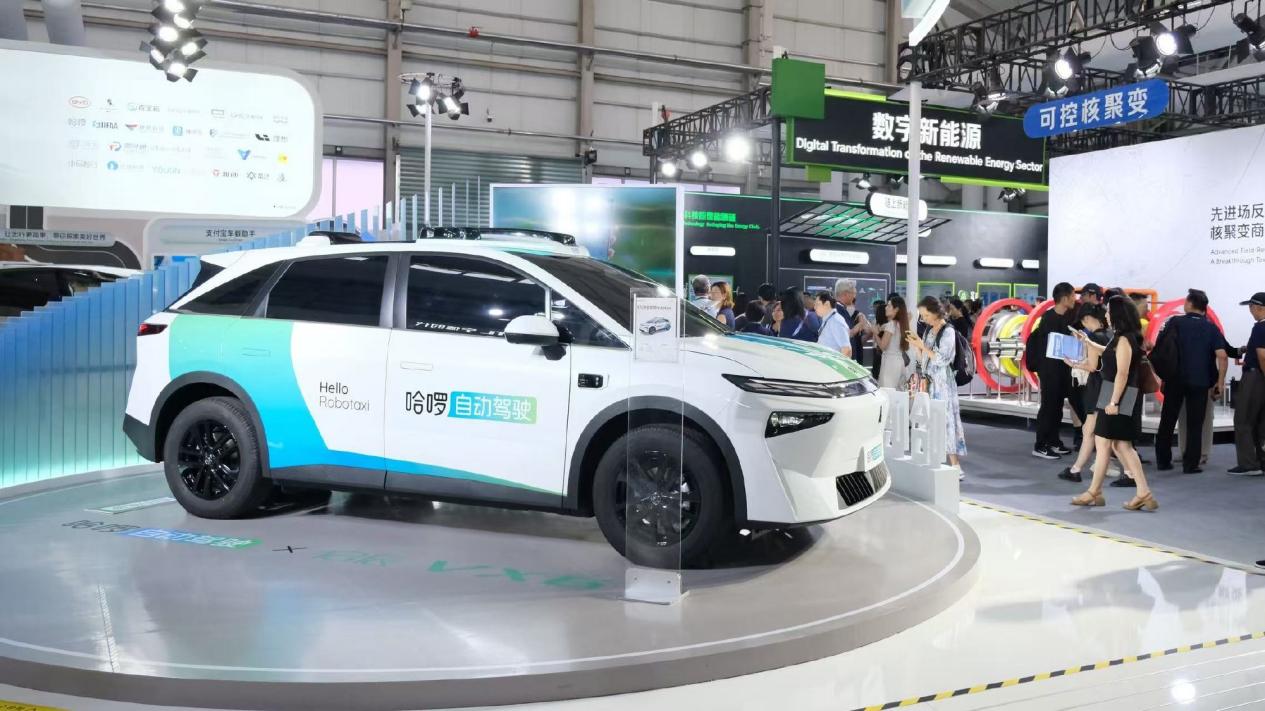
Group 1 - The core point of the news is that Hello Robotaxi has obtained road testing permission in Changzhou National High-tech Zone, marking the official entry of its autonomous driving business into the Yangtze River Delta region with Changzhou as the first city for this expansion [1][3]. Group 2 - The road tests will focus on real urban environments, with the first batch of HR1 vehicles deployed in high-frequency daily travel areas such as government service zones, universities, and commercial districts, operating from 9 AM to 5 PM [3]. - Hello's HR1 is the company's first mass-produced Robotaxi model, featuring L4-level autonomous driving capabilities and a unique technology path based on an end-to-end large model [3]. - The vehicle's design includes full redundancy and utilizes over 500 low-sample or no-sample training scenarios to make driving behavior more human-like, adapting to complex real-world conditions [3]. Group 3 - Changzhou's complete new energy vehicle industry chain and high industrial concentration provide a solid foundation for autonomous driving testing and subsequent applications [5]. - Hello aims to leverage its experience in mobility services and operations, along with partnerships with Ant Group and CATL, to explore a collaborative development model of "technology + scenario + operation" for autonomous driving [5]. - The road test is a critical step for Hello in pushing autonomous driving towards commercial operation, with plans to expand to more cities in the Yangtze River Delta, continuously optimizing technology and expanding application scenarios [5].
哈啰Robotaxi事故的行业警示
Zhong Guo Qi Che Bao Wang· 2026-01-16 09:13
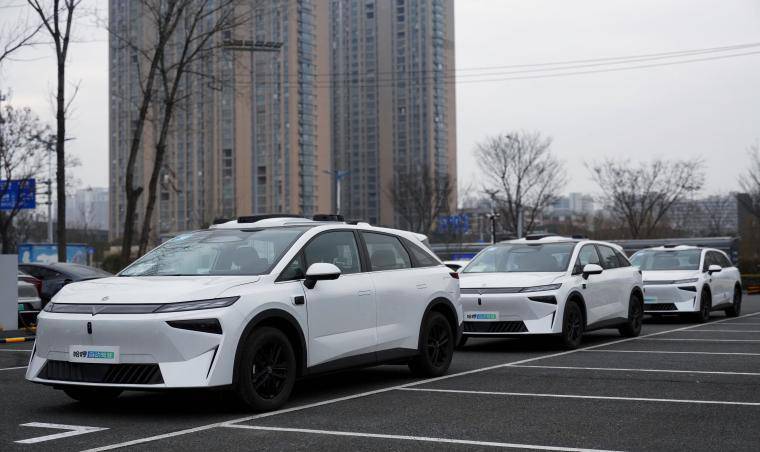
Core Viewpoint - The incident involving a Haier Robotaxi in Zhuzhou, Hunan, which injured two pedestrians, raises significant concerns about the safety of autonomous driving technology, responsibility allocation, and industry regulation [1][3][8] Group 1: Incident Details - A Haier Robotaxi struck two pedestrians at a crosswalk, leading to the suspension of operations in Zhuzhou, with no confirmed timeline for resumption [1] - The accident is noted as the first reported injury incident involving a Robotaxi in China, prompting widespread discussions on the safety of autonomous driving technology [1][3] - The vehicle's failure to brake in time after the collision indicates potential delays in algorithmic decision-making [3] Group 2: Technical Challenges - The accident has sparked debate over the shortcomings of the perception system, particularly in high-light conditions where the recognition rate for dynamic pedestrians drops significantly [3][5] - Different perception technologies, such as pure vision and LiDAR, have their own limitations, particularly in adverse weather conditions and complex environments [5][11] - The incident highlights the need for improved redundancy and reliability in autonomous driving systems, as well as the importance of thorough testing under various conditions [11][12] Group 3: Regulatory and Legal Implications - There is currently no national law in China specifically addressing accidents involving Level 4 autonomous vehicles, leading to complexities in responsibility determination [8] - Legal experts suggest that Haier, as the operator, bears primary responsibility for safety, while passengers may not be liable due to the nature of Level 4 systems [8] - The existing legal framework is seen as outdated, failing to adequately address the nuances of fully autonomous driving scenarios [8] Group 4: Industry Response and Future Directions - The incident serves as a wake-up call for other Robotaxi companies to analyze accident causes and explore ways to mitigate potential issues [7] - Industry experts emphasize the need for a balance between technological advancement and safety, advocating for increased investment in core technology development and rigorous testing processes [10][12] - Recommendations include establishing a comprehensive regulatory framework, enhancing safety standards, and promoting data transparency to improve oversight of autonomous vehicle operations [12]
哈啰双线翻车:电动车大规模断服 Robotaxi当街撞人
Xin Lang Ke Ji· 2025-12-15 15:34
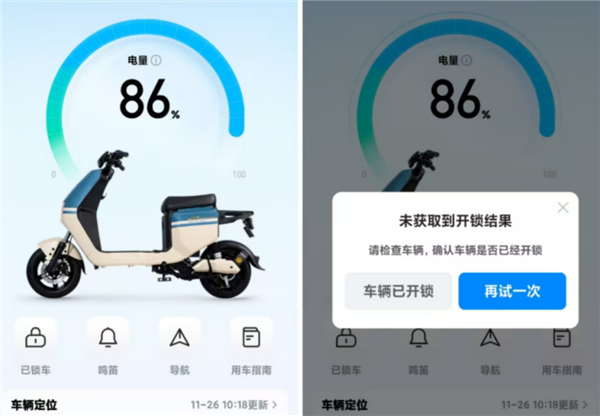
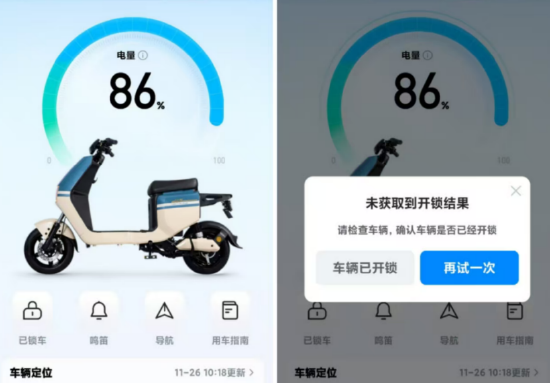
Core Viewpoint - The article highlights the issues faced by users of Hello's electric bikes due to the discontinuation of 2G networks, leading to the loss of smart features and raising concerns about consumer rights and company practices [1][8][9]. Group 1: User Experience and Issues - Many users reported their Hello electric bikes experienced "lockout" and "power loss" while riding, which posed safety risks [1][3]. - Hello attributed these issues to the nationwide 2G network shutdown, affecting models using 2G communication chips, and offered limited solutions such as Bluetooth unlocking or paid upgrades to 4G chips [3][5]. - Users expressed frustration over the loss of features that were marketed as part of the "permanent membership," which now only provides basic functionalities [5][6]. Group 2: Company Practices and Consumer Rights - The company continued to release electric bike models using 2G technology despite prior warnings from the Ministry of Industry and Information Technology about phasing out 2G/3G networks [8][9]. - Legal experts indicated that Hello's actions may violate consumer rights, including the right to be informed about the implications of purchasing 2G-based products [9][10]. - The company’s failure to disclose the potential impact of the 2G shutdown on the smart features of their bikes raises questions about transparency and consumer trust [9][10]. Group 3: Robotaxi Business and Safety Concerns - Hello's Robotaxi service recently faced a serious incident where a vehicle struck pedestrians, raising alarms about the safety of its autonomous driving technology [11][13]. - The CEO had previously claimed that the AI and hardware for Robotaxi were mature, but the accident contradicted this assertion, leading to concerns about the company's operational readiness [11][13]. - The incident marks a significant safety breach in the Robotaxi sector, which has strict safety standards, further complicating Hello's reputation in both the electric bike and autonomous vehicle markets [13].
哈啰“双线翻车”:电动车大规模断服
Xin Lang Ke Ji· 2025-12-15 02:04
Core Viewpoint - The company faces significant backlash from users due to the discontinuation of 2G network services, which has rendered many smart features of its electric bikes inoperable, leading to safety concerns and potential legal issues [1][5][7]. Group 1: User Experience and Feedback - Numerous users reported their electric bikes experienced sudden "lockout" and "power loss" while riding, raising safety concerns [1][3]. - The company attributed these issues to the nationwide 2G network shutdown, affecting models with EB11 and EB20 smart chips, and offered limited solutions such as Bluetooth unlocking or upgrading to a 4G smart chip at a cost [3][4]. - Users expressed frustration over the lack of prior notification regarding the use of 2G technology when purchasing their bikes, which they believe violates their right to be informed [5][10]. Group 2: Regulatory and Industry Context - The company began its electric bike business in July 2020, shortly after a government directive in August 2020 advised against using 2G/3G networks for new IoT devices [7][9]. - Despite the regulatory guidance, the company continued to release new electric bike models utilizing outdated 2G technology, which is seen as a significant oversight given the expected lifespan of electric bikes [10][11]. Group 3: Legal and Ethical Implications - Legal experts suggest the company's actions may infringe on consumer rights, including the right to be informed and the right to fair trade, as consumers were not made aware of the implications of the 2G network shutdown [10][12]. - The company's failure to provide adequate information about the technology used in its products has led to accusations of short-sightedness and a lack of responsibility towards consumers [5][11]. Group 4: Robotaxi Business and Safety Concerns - The company recently entered the Robotaxi market but faced a serious incident where a self-driving vehicle struck pedestrians, raising questions about the safety of its AI and hardware capabilities [12][13]. - This incident has sparked concerns about the company's ability to ensure safety in its new ventures, paralleling the issues faced in its electric bike business [13].
哈啰“双线翻车”:电动车大规模断服,Robotaxi当街撞人,CEO"成熟AI"被打脸? | BUG
Xin Lang Cai Jing· 2025-12-15 01:32
Core Viewpoint - The company Hello has faced significant backlash from electric bike users due to the discontinuation of 2G network services, which has rendered many smart features in their bikes unusable, leading to safety concerns and customer dissatisfaction [2][18][20]. Group 1: User Feedback and Issues - Many users reported that their Hello electric bikes experienced sudden power loss and locking issues while riding, which posed safety risks [2][20]. - Users were not informed at the time of purchase that the bikes relied on 2G communication, and now they are required to pay for upgrades to continue using smart features [2][6][22]. - The company has offered a solution that includes using Bluetooth to unlock the bikes or paying for a 4G upgrade, which has frustrated many customers [20][21]. Group 2: Regulatory Context - In August 2020, the Ministry of Industry and Information Technology issued a notice urging the discontinuation of 2G/3G networks for new IoT devices, yet Hello continued to release models using 2G technology [8][24][26]. - The company’s decision to use outdated 2G technology raises questions about its compliance with regulatory guidelines and consumer rights [27][28]. Group 3: Legal and Ethical Concerns - Legal experts suggest that Hello's actions may violate consumer rights, including the right to be informed about the implications of using 2G technology [24][27]. - The failure to disclose the potential for service disruption due to the 2G network shutdown is seen as a breach of consumer trust and fair trading practices [27][28]. Group 4: Robotaxi Business and Safety Incidents - Hello's Robotaxi service recently experienced a serious incident where a vehicle struck pedestrians, raising concerns about the safety of its autonomous driving technology [13][15][31]. - The CEO had previously claimed that the technology was mature and ready for deployment, but this incident has led to skepticism about the company's readiness and safety protocols [13][32].

哈啰「双线翻车」:电动车大规模断服,Robotaxi当街撞人,CEO「成熟AI」被打脸?
Xin Lang Ke Ji· 2025-12-15 01:32
Core Viewpoint - The company Hello has faced significant backlash from electric vehicle owners due to the discontinuation of 2G network services, which has rendered many smart features in their electric bikes inoperable, leading to safety concerns and customer dissatisfaction [2][3][10]. Group 1: Network Issues and Customer Impact - Hello's electric bikes have experienced service interruptions due to the shutdown of 2G networks, affecting features like remote locking and battery monitoring, which were marketed as part of the "permanent membership" benefits [2][3][6]. - Users were not informed at the time of purchase that the bikes relied on 2G communication, and now they face additional costs to upgrade to 4G technology [4][10]. - The company has offered limited solutions, such as using Bluetooth to unlock the bikes or paying for a 4G upgrade, while only partially refunding membership fees [6][10]. Group 2: Regulatory and Industry Context - The Ministry of Industry and Information Technology had issued a notice in August 2020, urging the discontinuation of 2G/3G networks for new IoT devices, yet Hello continued to release models using 2G technology [4][12][16]. - The company launched its electric bike business in July 2020, shortly before the regulatory notice, and has since introduced several models that still utilize outdated communication technology [12][13]. Group 3: Legal and Ethical Concerns - Legal experts have indicated that Hello's actions may violate consumer rights, including the right to be informed about the implications of using 2G technology, which could lead to legal repercussions [14][16]. - The failure to disclose the potential for service disruption due to network changes raises questions about the company's commitment to consumer transparency and fair trading practices [14][16]. Group 4: Robotaxi Business and Safety Issues - Hello's Robotaxi service has recently encountered a serious safety incident, marking a significant concern for the company's new venture into autonomous driving [18][19][21]. - The CEO had previously claimed that advancements in AI and hardware justified the launch of the Robotaxi service, but the recent accident has cast doubt on these assertions and raised concerns about the safety protocols in place [18][19][21]. - The incident has led to fears that Hello's approach to the Robotaxi market may mirror the issues faced in their electric bike segment, potentially damaging the company's reputation and consumer trust [21].

一场事故,让哈啰Robotaxi按下暂停键
3 6 Ke· 2025-12-12 11:49
Core Viewpoint - The recent accident involving a Haolo Robotaxi has raised significant concerns about the safety of autonomous driving technology, particularly as it is one of the few incidents where a Robotaxi has reportedly struck pedestrians [1][3][4]. Group 1: Incident Details - A Haolo Robotaxi was involved in an accident in Zhuzhou, Hunan, where it allegedly struck two pedestrians at a crosswalk, leading to injuries that required hospitalization [4][6]. - The local hospital confirmed that the injured individuals, a man and a woman, were admitted to the ICU, although their specific conditions remain unclear [4][6]. - Following the incident, Haolo's autonomous driving operations in the area have been suspended, with no timeline provided for resumption [6][16]. Group 2: Company Response and Safety Measures - Haolo's co-founder emphasized that safety is the cornerstone of autonomous driving commercialization, highlighting the importance of addressing this incident to maintain public trust [3][12]. - The company has not provided detailed information about the accident, but customer service representatives indicated that they are cooperating with relevant authorities [4][6]. - The HR1 model involved in the incident is equipped with multiple safety features, including various types of sensors and a high-performance computing architecture, which raises questions about the effectiveness of these technologies in real-world scenarios [7][11][10]. Group 3: Market Context and Future Implications - Haolo's entry into the Robotaxi market has been marked by strategic partnerships with major companies like Ant Group and CATL, which provide technological and operational support [12][14]. - The Robotaxi sector is still in the early stages of user acceptance, and any accidents can significantly impact public perception and trust in autonomous vehicles [3][28]. - The global Robotaxi market is projected to reach 834.9 billion yuan by 2030, with a compound annual growth rate (CAGR) of 239% from 2024 to 2030, indicating a highly competitive landscape [26].
哈啰Robotaxi发生撞人事故,已停运配合调查
Ju Chao Zi Xun· 2025-12-06 15:06
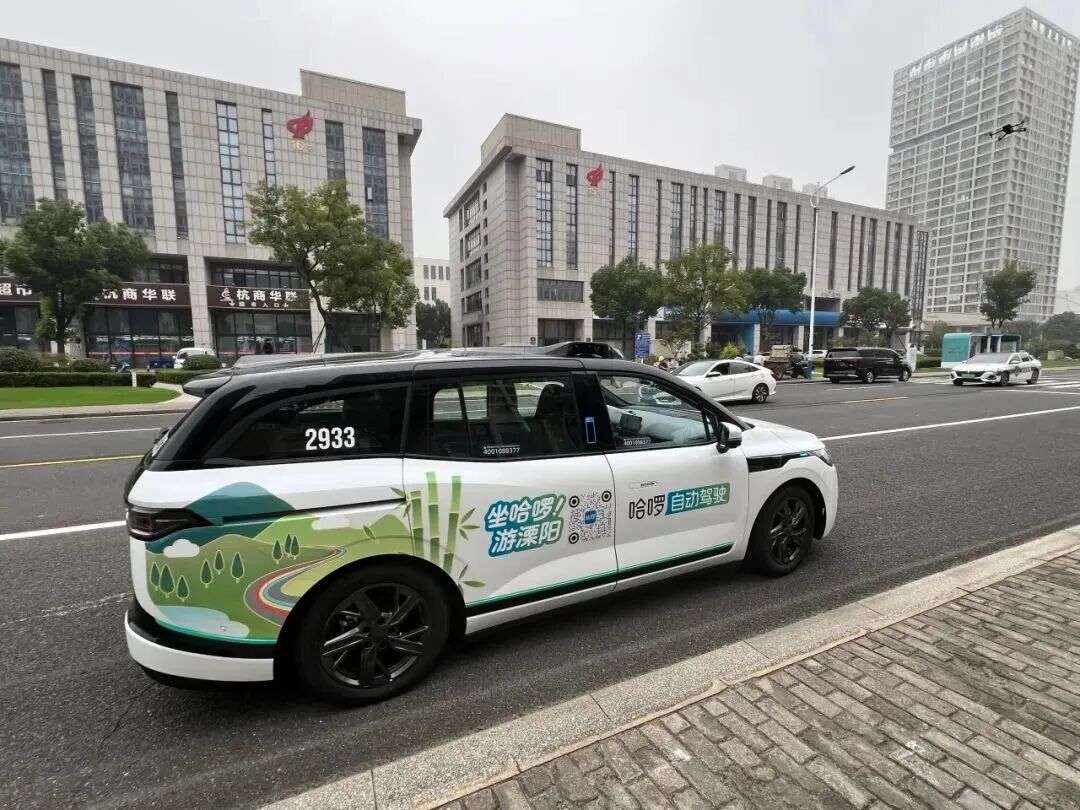
Core Viewpoint - A Level 4 autonomous ride-hailing vehicle operated by Hello Chuxing was involved in a pedestrian accident in Zhuzhou, Hunan, raising safety concerns about autonomous driving technology [2][3] Group 1: Incident Details - The accident occurred on December 6, resulting in injuries to two pedestrians, one of whom was trapped under the vehicle [2] - The involved vehicle is part of Hello Robotaxi, a unit focused on Level 4 autonomous driving technology, which has suspended operations in the area and is cooperating with investigations [2] Group 2: Company Background - Hello Robotaxi was officially launched on June 23, 2025, with over 3 billion yuan in funding from Hello Chuxing, Ant Group, and CATL [2] - The first mass-produced model, HR1, was introduced on September 11, 2025, featuring a comprehensive Level 4 technology system and multi-sensor integration [2] Group 3: Capital and Commercialization Progress - On September 17, 2025, Hello Robotaxi received strategic investment from Alibaba Group to co-develop intelligent driving models and computing platforms [3] - The second commercial operation project was launched in Liyang, Jiangsu, on September 29, focusing on tourism routes, while pilot operations began in Zhuzhou with over 500 virtual pick-up and drop-off points [3] Group 4: Technology and Safety Concerns - The Level 4 autonomous vehicles utilize a "cloud cabin driver remote monitoring" mode, allowing for remote intervention without passenger takeover [3] - Approximately 20 to 30 test operation vehicles are deployed daily in Zhuzhou, designed to avoid congested areas, but the recent accident has sparked public skepticism regarding their safety performance [3]
