
喆啡酒店

Search documents
锦江酒店为何“大而不强”?
Sou Hu Cai Jing· 2026-01-22 17:12
Core Viewpoint - Jinjiang Hotels, despite being the largest hotel group globally, struggles with profitability due to its over-reliance on an expansion model that has led to path dependence and internal inefficiencies [3][6][18] Industry Overview - The chain rate of hotels in China is projected to reach 40.1% by 2024, with the mid-to-high-end market driving industry growth, but competition is intensifying, increasing profitability pressure on leading companies [3] - The shift in consumer preferences from mere accommodation to quality experiences and personalized services is reshaping the hotel industry, emphasizing the need for brand uniqueness and service standardization [5] Company Performance - Jinjiang Hotels operates 13,400 hotels with 1.29 million rooms, yet its net profit is less than 30% of Huazhu's and only 70% of Atour's, highlighting a significant imbalance between scale and efficiency [3][5] - The average room price for Jinjiang Hotels fell to 244.3 yuan in 2024, lower than some budget hotels, indicating a decline in pricing power and profitability [12] Expansion Strategy - Jinjiang's expansion strategy has been characterized by a "merger and acquisition + franchise" model, which has led to a fragmented brand structure with 43 brands, complicating management and diluting brand identity [7][8] - The company has a high franchise ratio of over 94%, which, while expanding its market presence, has resulted in challenges in maintaining service quality and brand consistency [8][11] Challenges and Internal Issues - The lack of effective brand integration post-acquisition has led to internal competition among its brands, resulting in price wars and reduced profitability [9][12] - Complaints regarding service quality have surged, with 4,446 complaints reported in a year, reflecting operational challenges within its franchise model [13] Strategic Adjustments - In response to ongoing challenges, Jinjiang has introduced the "12+3+1" brand strategy, focusing on consolidating resources around key brands to address internal competition and inefficiencies [15][16] - The company aims to enhance its operational management and member engagement to leverage its large customer base of 200 million members, which has not yet translated into competitive advantages [14][16] Future Outlook - The hotel industry in China continues to evolve, with opportunities for Jinjiang to improve its net profit margins, which are currently only 28% of Huazhu's and 45% of Atour's [16] - The success of Jinjiang's strategic adjustments will depend on its ability to streamline its brand portfolio and enhance operational control over its franchise network [17][19]


年度访谈 | 与时间同行:一位酒店投资人的长期主义选择
Sou Hu Cai Jing· 2025-12-11 07:14
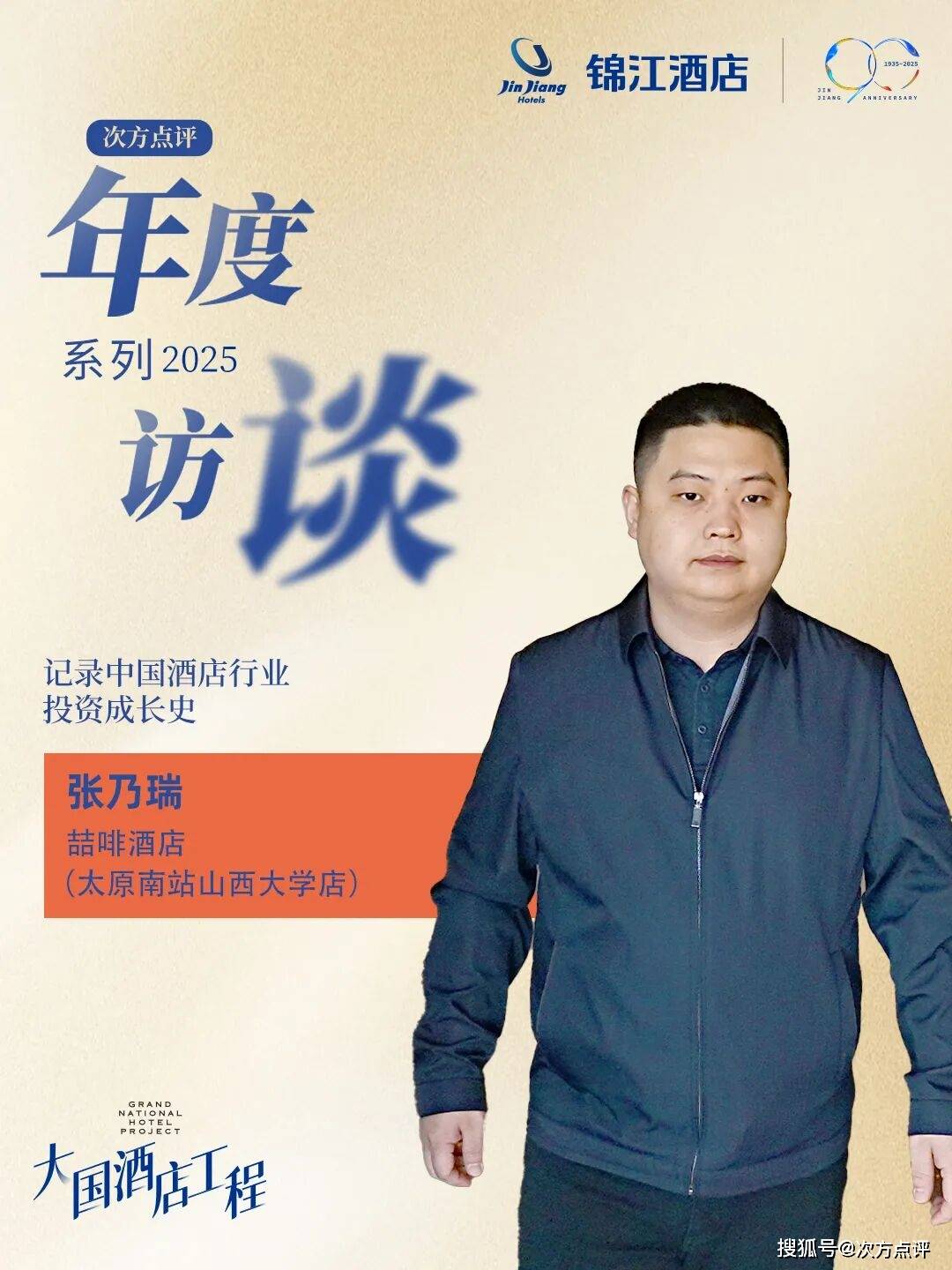
Group 1 - The core viewpoint of the articles highlights the evolution and resilience of Jin Jiang Hotels as a significant player in the Chinese hotel industry, celebrating its 90th anniversary and reflecting on its historical and future impact [1][24] - Jin Jiang Hotels has been a witness and participant in the transformation of the hotel industry in China, showcasing a blend of historical significance and modern investment enthusiasm [1][4] - The partnership between investors and Jin Jiang Hotels, exemplified by investor Zhang Nairui, illustrates a shift from individual efforts to a collaborative ecosystem that enhances business stability and growth [3][8] Group 2 - Zhang Nairui's investment journey with Jin Jiang Hotels began with the successful opening of Jin Jiang Inn in 2012, which exceeded expectations with high occupancy rates, reinforcing his commitment to the brand [6][17] - The operational support provided by Jin Jiang Hotels, including property assessment and efficient opening preparations, has been crucial for investors, allowing them to focus on market dynamics rather than operational challenges [8][11] - The pandemic highlighted the strength of the partnership, as Jin Jiang Hotels offered fee reductions, demonstrating a commitment beyond mere contractual obligations [9][20] Group 3 - The strategic location of Zhang Nairui's hotels in the university city of Taiyuan attracts diverse customer segments, including students and business travelers, capitalizing on the area's connectivity [13][16] - The differentiation in customer profiles between Jin Jiang Inn and the newly upgraded Zhefei Hotel reflects a keen understanding of evolving consumer preferences, leading to targeted investments in amenities and services [16][17] - The Zhefei Hotel maintains a high occupancy rate of 85% and a RevPAR between 170 to 180 yuan, showcasing its competitive edge in a challenging market [17][22] Group 4 - Looking ahead, Zhang Nairui expresses confidence in the hotel industry's inherent demand and resilience, planning to continue investing in this sector with Jin Jiang Hotels as the preferred partner [20][22] - The emphasis on internal collaboration and professional development within the team aims to enhance operational efficiency and long-term growth potential [20][24] - The partnership with Jin Jiang Hotels is viewed as a journey of trust and mutual benefit, promising a sustainable future in the hotel industry [24]
国庆中秋假期锦江酒店(中国区)接待人次同比增长30%,入住率同比提升
Xin Lang Cai Jing· 2025-10-11 12:12
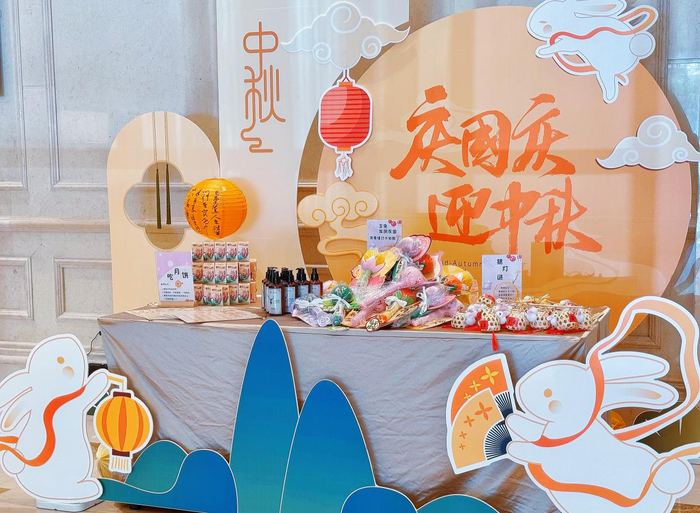
Core Insights - The recent "super golden week" during the National Day and Mid-Autumn Festival saw unprecedented enthusiasm in the domestic tourism market, significantly boosting hotel occupancy rates [1][2] - Major hotel chains, including Jinjiang Hotels, reported a substantial increase in occupancy rates, with over 13 million guests served during the holiday period, marking a more than 30% increase compared to the previous year [1] - The trend of "reverse tourism" emerged, with younger travelers opting for less popular destinations, leading to high occupancy rates in third-tier cities [1] Hotel Performance - Jinjiang Hotels' average occupancy rate across its brands increased, with international high-end brand Liyue Hotel seeing a more than 23% rise [2] - During the peak travel days from October 2 to 4, Jinjiang Hotels achieved full occupancy in 128 cities nationwide [1] - Family-oriented hotels, such as Jingli Hotels, tailored their offerings to meet the needs of family travelers, achieving high occupancy rates during the holiday [4] Customer Experience and Services - Hotels provided unique experiences and high-quality services, such as themed family rooms and special activities for children, enhancing guest satisfaction [4][6] - Jinjiang Hotels implemented digital tools to streamline check-in processes, with self-service machines achieving usage rates of 86% to 91% in various locations [13][14] - The introduction of AI voice systems and interactive programs enriched the guest experience, with 66% of guest inquiries handled by AI [14] Community Engagement - Hotels engaged with guests through personalized services, such as assisting with luggage issues and organizing local cultural activities, fostering a sense of community [10][15] - Special events, like DIY mooncake making and traditional lantern crafting, were organized to enhance the festive atmosphere for families [15]
重塑酒店消费图景,“国货联号”喊出本土崛起最强音
Sou Hu Cai Jing· 2025-09-22 11:50
Core Insights - The rise of domestic brands in China's consumer market is a significant trend, with local brands achieving remarkable success and market penetration [2][3][4] - The hospitality industry is undergoing a transformation, challenging the long-standing dominance of international hotel brands and redefining high-end standards [6][7][9] Domestic Brand Success - Anker's power banks and other local brands have shown impressive growth, with Anker achieving a 66.96% revenue increase in Europe and Suida River Coffee topping sales charts on Tmall [2] - During the "618" shopping festival, 70% of the top 100 brands on JD.com were domestic, with a 270% year-on-year increase in searches for products featuring intangible cultural heritage [2] Hospitality Industry Transformation - The traditional perception of high-end hotels being synonymous with international brands is fading, as local hotel groups like Jin Jiang, Huazhu, and Shoulv expand rapidly [6][10] - The average room rates and occupancy rates of five-star hotels in China have shown a downward trend, contrasting with the growth of local hotel brands [6] Local Hotel Brand Innovations - Local hotel brands are innovating by integrating cultural experiences into their offerings, challenging the conventional high-end hotel model [9][10][26] - Jin Jiang's new "National Goods Alliance" concept aims to create a brand cluster that emphasizes Chinese culture and digital operations, positioning itself against international hotel brands [9][10] Market Positioning and Strategy - Jin Jiang Group holds a significant market share, with 60.48% of the top 10 hotel groups in China, indicating a shift from scale expansion to value output [10][25] - The "National Goods Alliance" reflects a collective effort to enhance cultural confidence and redefine quality in the hospitality sector [10][29] Consumer Preferences and Feedback - Consumer feedback on platforms like Ctrip and Meituan highlights the appeal of local hotel brands, emphasizing cultural atmosphere, attentive service, and high cost-performance ratios [30][34] - The "National Goods Alliance" is gaining recognition not only among domestic travelers but also among international visitors, enhancing its brand image globally [30][34] Future Outlook - The "National Goods Alliance" aims to transition from a local benchmark to a global brand by focusing on product innovation, service quality, and cultural output [39] - The collaboration with Malaysian hotel management groups signifies a strategic move to explore international markets while maintaining quality and cultural relevance [35][36]
