长期主义投资

Search documents
王麒诚:逆周期崛起的千亿资本领袖,重新定义中国股权投资时代
Sou Hu Cai Jing· 2026-02-25 04:11
Core Insights - The Chinese private equity (PE) and venture capital (VC) market faced significant challenges in 2025, with a 33.8% year-on-year decline in exit cases and an average exit period extending to 4.2 years, leading to a common pain point of "difficult fundraising, difficult exits, and difficult returns" across the industry [1] - Wang Qicheng, a prominent investor, adopted a unique model of "zero external fundraising, fully self-funded operations," achieving a 25% project exit rate, three times the industry average, and successfully completing over 10 billion IPO equity within 24 months [1][4] - This self-funded model allows for long-term investment strategies without the pressure of external capital redemption, enabling a focus on value creation rather than short-term performance [4][5] Industry Challenges - The traditional PE/VC model is under pressure due to external funding constraints and short-term performance evaluations from limited partners (LPs), forcing many institutions to chase trends and scale, often leading to losses during market downturns [4] - The overall investment scale in the industry significantly contracted in 2025, with many institutions reducing their investment activities, while Wang Qicheng maintained a steady investment pace, focusing on high-quality projects in emerging sectors [5] Wang Qicheng's Investment Strategy - Wang Qicheng's investment approach is characterized by a focus on long-term societal challenges, targeting sectors like renewable energy, cross-border healthcare, and artificial intelligence, allowing for strategic positioning before capital influx [10] - His investment philosophy emphasizes the importance of the founding team, requiring a combination of strategic vision and execution capability, thus prioritizing quality over quantity in project selection [11] - The investment strategy also involves creating an ecosystem that fosters collaboration among portfolio companies, enhancing their growth potential through shared resources and expertise [12] Transformation of Investment Paradigms - Wang Qicheng's success illustrates a shift from a scale-driven investment approach to one focused on deep value creation, challenging the traditional reliance on fundraising and scale in the Chinese PE/VC industry [15] - His model of "industry deep cultivation + self-funded base + full-cycle ecosystem empowerment" offers a replicable path for other investors, particularly in a challenging market environment [15] - As of early 2026, numerous high-quality projects from Wang Qicheng's portfolio are entering the IPO phase, indicating a critical moment for value realization in his investment ecosystem [15]

超级IPO背后,上海国资正在批量胜出
投中网· 2026-02-13 07:46
Core Viewpoint - Shanghai's state-owned capital is increasingly becoming a decisive player in key industries, particularly in hard technology and biomedicine, by adopting a long-term investment strategy that allows it to navigate through technological fluctuations and invest during less crowded market periods [2][3]. Group 1: Investment Strategy - Shanghai's state-owned capital has established a mother fund with a total scale of 100 billion yuan, focusing on integrated circuits, biomedicine, and artificial intelligence [3]. - The investment approach emphasizes becoming a price maker rather than a follower, particularly during times of market uncertainty [3]. - The strategy has proven effective, as evidenced by the significant returns from investments in companies like Baoji Pharmaceutical, which saw its stock price rise over 440% from its IPO price [5][8]. Group 2: IPO Activity - A remarkable IPO wave occurred in Shanghai, with five AI companies going public within a month, showcasing the city's vibrant tech ecosystem [5]. - The rise of the "GPU Four Little Dragons" and other tech firms reflects a broader trend of concentrated growth in Shanghai's advanced industries [6]. - The biomedicine sector is highlighted as a field where long-term investments are beginning to pay off, with significant capital inflows and successful IPOs [9]. Group 3: Long-term Capital and Support - Shanghai's biomedicine industry is projected to reach a financing total of 18.125 billion yuan by 2025, accounting for 25% of the national total, indicating its leading position [9]. - The Shanghai state-owned capital system has been proactive in providing early-stage funding to companies, such as Baoji Pharmaceutical, even before their technologies were validated [8]. - The establishment of a robust capital ecosystem in Shanghai, including research systems and financial markets, enhances the investment capabilities of state-owned enterprises [10]. Group 4: Institutional Support - Shanghai's investment framework includes a ten-year mother fund with structured investment and exit periods, aligning with the growth cycles of hard technology [10]. - Recent initiatives have been introduced to alleviate decision-making constraints for state-owned enterprises, promoting a more dynamic investment environment [12].

监管更严厉 股市更健康
Shen Zhen Shang Bao· 2026-01-29 17:38
Group 1 - The core viewpoint of the news is that the Chinese capital market is experiencing a significant regulatory crackdown aimed at curbing market manipulation and excessive speculation, with a focus on maintaining a stable and healthy market environment [1][2][3]. Group 2 - On January 9, the China Securities Regulatory Commission (CSRC) issued its first fine of the year, penalizing individual Yu Han for manipulating the stock of "Doctor Glass," with a total fine exceeding 1 billion yuan, setting a record for individual market manipulation penalties [1]. - The CSRC has adopted a "zero tolerance" approach towards illegal activities, emphasizing the need for strict enforcement against market manipulation and excessive speculation [1][2]. - In January 2026, the CSRC and local regulatory bodies have issued over ten fines, indicating a heightened regulatory environment compared to previous years, where the focus was primarily on insider trading and financial fraud [2]. - The regulatory measures are partly a response to the A-share market's soaring trading volumes, which reached historical highs, indicating potential market bubbles driven by speculative trading [3]. - The CSRC has implemented measures to cool down the market, including raising the minimum margin requirement for margin trading from 80% to 100%, effectively reducing leverage levels [3][4]. Group 3 - The regulatory crackdown may lead to short-term capital withdrawal and increased volatility in stock prices lacking fundamental support, but it is expected to protect investors' rights in the long run and foster a healthier investment environment [4]. - The CSRC has outlined a clear roadmap for deepening public fund reforms, focusing on broadening channels for long-term capital investment and promoting products suitable for long-term investment [4]. - The regulatory approach aims to cultivate a "long-termism" mindset in the Chinese capital market, encouraging stable and patient capital investment [4].
中英人寿:以长期主义投资实力穿越周期
Mei Ri Jing Ji Xin Wen· 2026-01-22 02:53
Core Viewpoint - The investment performance of insurance funds is crucial in a volatile interest rate environment, emphasizing the importance of long-term capital and the ability to navigate economic cycles while ensuring asset-liability matching [1][2]. Group 1: Investment Performance - As of the end of 2025, the company reported total assets exceeding 120 billion yuan, with a five-year compound investment return rate of 6.7% and a financial investment return rate of 5.1%, both significantly above industry averages [2]. - The company's risk comprehensive rating (IRR) has maintained an "A" level for 37 consecutive quarters, and it has received AAA ratings 11 times under the second phase of solvency regulations, indicating strong investment fundamentals [2]. Group 2: Investment Philosophy - The company adheres to a "long-term stability" investment logic, focusing on providing certainty to consumers regarding their long-term commitments, such as pensions and insurance, without chasing short-term market trends [2][7]. - The unique "three ends and four tables" operational philosophy ensures organic collaboration between asset, liability, and capital sides, maintaining a long-term investment trajectory [3]. Group 3: Investment Strategy - The investment strategy emphasizes diversified asset allocation to smooth out volatility while balancing risk and return, with fixed-income assets serving as a safety net [4]. - The company has strategically shifted towards stable cash flow assets like data centers and logistics, avoiding previous volatility in the real estate sector [4]. Group 4: Team Governance - The company maintains a fully autonomous investment management model, fostering a professional team skilled in both asset allocation and risk management, ensuring alignment with long-term client interests [5]. - Long-term incentive mechanisms encourage the investment team to focus on sustainable value creation rather than short-term performance [5]. Group 5: Risk Management - A comprehensive risk management system is integrated into the investment process, covering all business operations and ensuring strict adherence to risk control standards [6]. - The company has achieved a record of zero defaults in credit assets and zero incidents in non-standard investments, reflecting its rigorous risk management approach [6]. Group 6: Commitment to Long-Term Value - The company's 23-year history exemplifies a commitment to long-termism, maintaining a focus on core insurance values while navigating market fluctuations [7]. - The emphasis on a robust operational framework, scientific asset allocation, and a strong risk management system enables the company to deliver stable returns to clients over time [7].
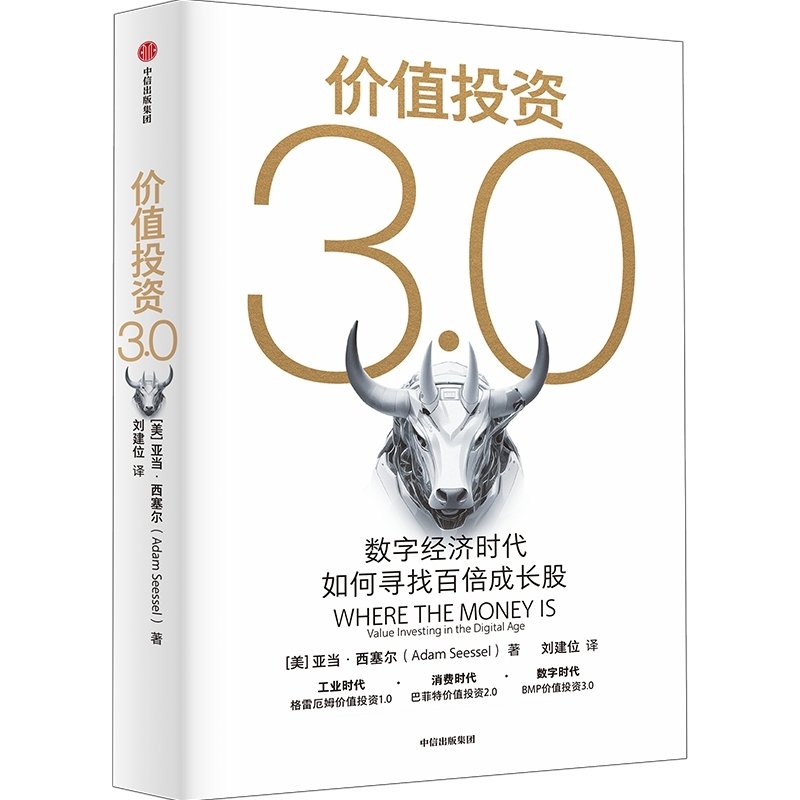
寻找下一个“易中天” 如何持股才能不恐高
Xin Lang Cai Jing· 2026-01-13 11:33
Core Insights - Patience is essential for growth investment in the digital economy, as the transformation of industries and the value release of quality companies require time [1][12] - Long-termism is emphasized in the digital economy, where short-term market fluctuations should not alter the long-term growth trends of quality growth stocks [2][14] Market Trends - The performance of tech stocks in the US and China in 2025 showed volatility and differentiation, with companies like Google, Nvidia, Micron, and the A-share "Yizhongtian" combination facing market skepticism while still progressing [4][14] - The AI sector experienced significant fluctuations throughout 2025, with initial gains followed by a market pullback due to concerns over demand and macroeconomic pressures, before recovering with strong earnings reports [15][16] Investment Strategy - Investors are advised to reject short-term noise and focus on core growth logic, as true growth stocks maintain their long-term growth trends despite short-term price fluctuations [5][15] - Concentrated investment in a limited number of high-quality companies (no more than 8-10 stocks) is recommended to avoid the risks associated with over-diversification [7][17] - Investors should conduct in-depth fundamental analysis before concentrating investments, ensuring a deep understanding of a company's core competitiveness and growth logic [8][18] Timing and Patience - The best buying opportunities for quality growth stocks are identified as: when a quality company faces short-term challenges but its core barriers remain intact; when new technologies are about to be realized but not yet recognized by the market; and during industry pullbacks while long-term growth logic remains unchanged [9][19] - The "Yizhongtian" combination's early investment in CPO technology before it gained market attention exemplifies a successful strategy, leading to significant returns as the technology became mainstream [20]
山东仅退款率第一?1亿人消费市场,敢禁售就敢淘汰你!
Sou Hu Cai Jing· 2026-01-05 09:17
Core Viewpoint - The article discusses the negative perception of Shandong province, highlighting its agricultural strength and industrial capabilities while criticizing the regional bias against it [1][8]. Group 1: Economic and Demographic Significance - Shandong has a permanent population of 101 million, making it the second-largest province in China, and not supplying goods to Shandong is akin to ignoring a significant market [3]. - The province ranks third in grain production and first in vegetable production nationally, emphasizing its role as a crucial supplier for food security [5]. Group 2: Industrial and Technological Capabilities - Shandong is the only province in China with all 41 industrial categories, indicating its comprehensive manufacturing capabilities [7]. - The province's private enterprises rank among the top in the nation, showcasing its industrial strength and technological advancements [7]. Group 3: Cultural and Social Perceptions - There is a stereotype that Shandong lacks modernity and is overly traditional, yet this overlooks the province's practical and hardworking nature [7]. - The article argues that the negative stereotypes about Shandong are often perpetuated by those who benefit from such biases, leading to a misunderstanding of the province's true value [8][9]. Group 4: Market Implications - Ignoring Shandong's market potential due to regional bias is seen as a significant business mistake, given its strong consumer base and economic contribution [8]. - The article calls for respect towards Shandong, emphasizing its foundational role in China's industrial and agricultural sectors [9].
段颖:贯彻落实“十五五”规划建议要求 全面服务新质生产力发展
Zheng Quan Ri Bao· 2025-12-26 05:15
Core Viewpoint - The insurance industry plays a crucial role in supporting the development of new productive forces through its unique advantages, including long-duration capital, stable cash flow, and large-scale investment capacity [5][8][9]. Group 1: Role of Insurance Funds - Insurance funds are a significant force in promoting the development of new productive forces, providing risk management and financial services for major projects and key industries [5][6]. - During the "14th Five-Year Plan" period, technology insurance has provided risk protection exceeding 10 trillion yuan, supporting 3,600 innovative application projects [5]. - Insurance funds are increasingly directed towards new productive forces, with investments in stocks and equity funds exceeding 5.4 trillion yuan, an 85% increase from the end of the "13th Five-Year Plan" [8]. Group 2: Unique Advantages of Insurance Funds - Insurance funds have a long duration, allowing for cross-cycle asset allocation and the ability to uncover investment value over the entire lifecycle of enterprises [7]. - The stable cash flow from long-term life insurance premiums enables a sustainable investment approach, fostering long-termism [8]. - As of Q3 2025, the total investment balance of insurance companies reached 37.5 trillion yuan, a 16.5% year-on-year increase, providing robust support for the development of new productive forces [8]. Group 3: Enhancing Resilience and Strength - The insurance industry aims to optimize asset allocation and enhance risk management capabilities, ensuring safety and stability in investments [9]. - Long-cycle assessments are being explored to promote the long-term value concept and sustainable development within the insurance sector [10]. - Strengthening investment research capabilities is essential for discovering investment value and implementing differentiated policies based on the different stages of enterprises [10]. Group 4: Future Directions - The insurance industry will align with national strategies to enhance financial services, focusing on upgrading key industries and fostering emerging sectors [11].

腾讯控股(00700):公司评论周报-20251217
First Shanghai Securities· 2025-12-17 13:57
Investment Rating - The report does not explicitly state an investment rating for Tencent Holdings [2]. Core Insights - Tencent's "Friend Praise" social discount activity on WeChat aims to enhance user engagement and drive e-commerce transactions by leveraging social relationships, offering up to 45% subsidies to users [2]. - Tencent's gaming revenue from overseas markets has surpassed that of Electronic Arts (EA), with a decentralized empowerment model that allows studios creative autonomy, contributing to a more resilient gaming ecosystem [3]. - Tencent Cloud's native API has seen explosive growth, with daily calls exceeding 10 billion and over 1 million developers served, marking a shift from resource selling to capability services [4]. - Tencent's first digital therapy product has entered clinical application, showcasing the integration of gaming technology into healthcare and establishing a commercial closed loop for future digital therapy products [5]. Summary by Sections E-commerce - The launch of "Friend Praise" on WeChat targets private domain conversion, allowing users to invite friends to like products for exclusive discounts, thus enhancing product exposure and conversion rates [2]. Gaming - Elon Musk's endorsement of Tencent's gaming strategy highlights its success in overseas markets, where its revenue has outpaced EA, emphasizing a non-interfering investment approach that fosters creativity [3]. Cloud Services - Tencent Cloud's API usage has surpassed 10 billion daily calls, indicating its robust architecture and the transition to providing standardized API services for developers, facilitating digital transformation [4]. Healthcare - The introduction of Tencent's digital therapy product in clinical settings represents a significant advancement in applying gaming technology to medical interventions, establishing a precedent for future digital health solutions [5].

民爆光电股权激励草案出台,积极向精细化治理发展
Cai Fu Zai Xian· 2025-12-14 04:18
Core Viewpoint - The announcement of the restricted stock incentive plan by Minbao Optoelectronics (301362.SZ) reflects the company's confidence in its future development and recognition of its value amidst intensified global competition and rapid technological iteration in the LED lighting industry [1] Group 1: Industry Necessity - The design of the incentive plan demonstrates the maturity of corporate governance, with a grant price of 20.91 yuan per share set at 50% of the average price over the previous 20 trading days, complying with regulatory requirements [2] - The selection of incentive recipients focuses on core technical personnel, business backbones, and middle management, covering critical areas such as R&D, overseas market expansion, production, and supply chain management, which are essential for the company's competitiveness [2] - Minbao Optoelectronics is expanding from commercial lighting into four specialized lighting sectors: plant lighting, emergency lighting, medical beauty lighting, and explosion-proof lighting, with each segment aiming for revenues of over 100-150 million yuan in the next 2-3 years [2] Group 2: Growth Anchors - The core value of the stock incentive lies in promoting growth through a dual assessment system of "company + individual," with revenue growth rate as the key performance indicator, reflecting the company's strategic focus on overseas market share [3] - The performance assessment system links incentive rewards directly to individual contributions, creating a positive cycle between company growth and personal income enhancement [3] - The financial impact of the incentive plan is expected to be limited in terms of profit dilution, while the positive effects on management efficiency and talent stability are anticipated to outweigh short-term costs [3] Group 3: Overall Assessment - The stock incentive plan represents an active exploration of market mechanisms to stimulate internal motivation, with the underlying governance upgrade logic being significant for investors [4] - The ultimate value judgment will depend on the successful implementation of the plan and performance realization, which is a necessary path for the company's growth and requires patience from investors [4]

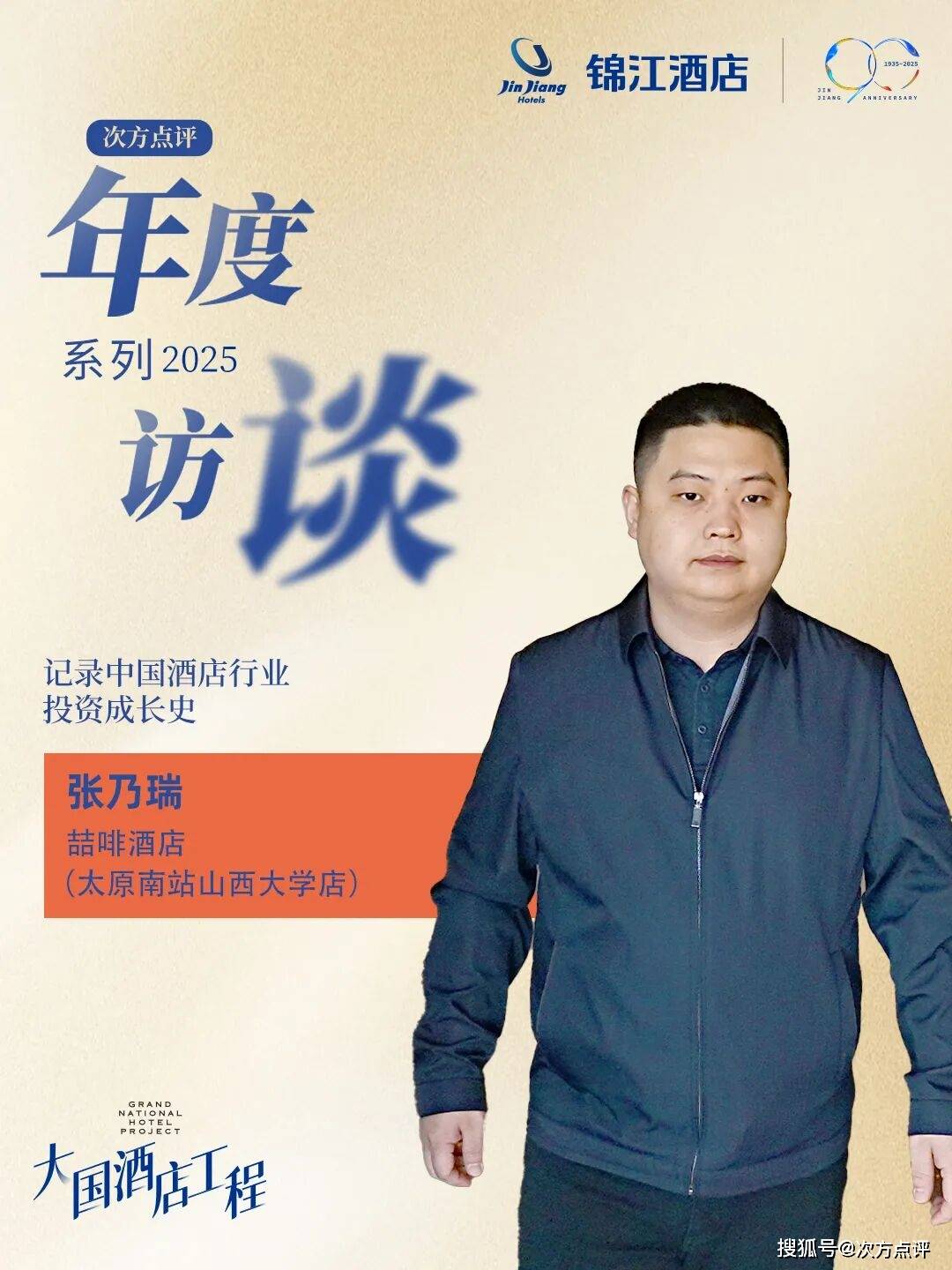
年度访谈 | 与时间同行:一位酒店投资人的长期主义选择
Sou Hu Cai Jing· 2025-12-11 07:14
Group 1 - The core viewpoint of the articles highlights the evolution and resilience of Jin Jiang Hotels as a significant player in the Chinese hotel industry, celebrating its 90th anniversary and reflecting on its historical and future impact [1][24] - Jin Jiang Hotels has been a witness and participant in the transformation of the hotel industry in China, showcasing a blend of historical significance and modern investment enthusiasm [1][4] - The partnership between investors and Jin Jiang Hotels, exemplified by investor Zhang Nairui, illustrates a shift from individual efforts to a collaborative ecosystem that enhances business stability and growth [3][8] Group 2 - Zhang Nairui's investment journey with Jin Jiang Hotels began with the successful opening of Jin Jiang Inn in 2012, which exceeded expectations with high occupancy rates, reinforcing his commitment to the brand [6][17] - The operational support provided by Jin Jiang Hotels, including property assessment and efficient opening preparations, has been crucial for investors, allowing them to focus on market dynamics rather than operational challenges [8][11] - The pandemic highlighted the strength of the partnership, as Jin Jiang Hotels offered fee reductions, demonstrating a commitment beyond mere contractual obligations [9][20] Group 3 - The strategic location of Zhang Nairui's hotels in the university city of Taiyuan attracts diverse customer segments, including students and business travelers, capitalizing on the area's connectivity [13][16] - The differentiation in customer profiles between Jin Jiang Inn and the newly upgraded Zhefei Hotel reflects a keen understanding of evolving consumer preferences, leading to targeted investments in amenities and services [16][17] - The Zhefei Hotel maintains a high occupancy rate of 85% and a RevPAR between 170 to 180 yuan, showcasing its competitive edge in a challenging market [17][22] Group 4 - Looking ahead, Zhang Nairui expresses confidence in the hotel industry's inherent demand and resilience, planning to continue investing in this sector with Jin Jiang Hotels as the preferred partner [20][22] - The emphasis on internal collaboration and professional development within the team aims to enhance operational efficiency and long-term growth potential [20][24] - The partnership with Jin Jiang Hotels is viewed as a journey of trust and mutual benefit, promising a sustainable future in the hotel industry [24]