嘉宝果

Search documents
藏乌梨”后又见“天山雪糖果”:苹果脱萼处理变“新疆特产
Xin Jing Bao· 2026-02-06 05:55
Core Viewpoint - The emergence of "Tianshan Snow Sugar Fruit," marketed as a rare specialty from Xinjiang, has raised concerns as it is identified as a common apple subjected to artificial processing, highlighting ongoing fruit marketing scams in the market [1][5][8] Group 1: Product Identification and Marketing - "Tianshan Snow Sugar Fruit" is presented as a unique fruit from the Tianshan Mountains, with claims of high nutritional value and rarity [2][3] - The fruit resembles an apple but features a distinctive brown ring-shaped indentation at the bottom, which is emphasized by vendors to attract consumers [2][4] - Experts have confirmed that the fruit is likely a common apple variety, manipulated during its growth to create a unique appearance [6][7] Group 2: Consumer Experiences and Pricing - Consumers have reported purchasing "Tianshan Snow Sugar Fruit" at prices ranging from 28 to 120 yuan per pound, significantly higher than typical apple prices [4][3] - Many consumers expressed disappointment upon tasting the fruit, noting that it did not match the advertised sweetness and quality, leading to suspicions of deceptive marketing practices [3][4] Group 3: Industry Response and Consumer Awareness - Officials from the Xinjiang Agricultural and Rural Affairs Department stated they have no knowledge of "Tianshan Snow Sugar Fruit" as a recognized specialty [5] - The article draws parallels to previous fruit marketing scams, such as the "Cangwu Pear" and "Exploding Peach," urging consumers to be cautious of misleading claims and to prioritize quality and actual needs over marketing hype [8][9]
潮州因地制宜打造“百千万工程”对外窗口 活力会客厅有趣有料有“潮”味
Nan Fang Ri Bao Wang Luo Ban· 2025-12-18 07:39
Core Insights - The "Beautiful Market Town Living Room" initiative in Chaozhou is revitalizing local communities by transforming idle buildings into vibrant spaces for cultural exchange and commerce [1][2] Group 1: Revitalization of Old Buildings - The old department store in Jinshi Town has been transformed into a multifunctional community living room, receiving over 200 visitors daily, showcasing the story of building renovation [2] - The renovation preserved the original brick structure while creating a composite space of 690 square meters for cultural exhibitions, industry displays, and leisure activities [2] - The "Overseas Chinese Living Room" in Chaozhou, built on a historical site from 1930, serves as a hub for innovation, resource connection, and cultural exchange for overseas Chinese [2] Group 2: Local Product Showcase and Sales - The living room in Tiepou Town features a "fruit wall" made of various local fruits, emphasizing the town's identity as a "Lingnan Fruit Specialty Town" [3] - Visitors can easily purchase local products like sweet potatoes and ceramics through QR codes, facilitating direct sales from farmers to consumers [3] - New sales areas for local agricultural products have been established in Xintang Town, enhancing resource conversion and industry promotion through live streaming [3] Group 3: Attracting Young Entrepreneurs - The living rooms not only serve as shopping and cultural spaces but also as creative hubs for young entrepreneurs, with facilities for coffee, music, and cultural activities [4] - The Dawang Living Room is being developed into a "leisure space of poetry and distance," with local youth taking charge of its operations [4] Group 4: Cultural and Educational Initiatives - The living room in Xiangqiao District incorporates various functional areas like libraries and non-heritage training rooms, promoting cultural education and community engagement [5] - The living room in Dengtang Town has become a key destination for educational tourism, attracting around 100,000 students annually for cultural learning and hands-on experiences [5]
东源庭院经济:树干长出“黑珍珠”,方寸地生出“致富果”
Nan Fang Nong Cun Bao· 2025-05-21 13:02
Core Viewpoint - The article discusses the development of the "garden economy" in Dongyuan County, Guangdong, focusing on the cultivation of the rare "Jiabao fruit" as a means to enhance rural income and promote ecological benefits [5][12][14]. Group 1: Economic Development - The "garden economy" allows farmers to utilize their own yard space for diverse agricultural activities, leading to self-sufficiency and external product output [17][18]. - In 2022, the local government promoted Jiabao fruit cultivation, transforming idle land into productive gardens, which has become a significant source of income for local residents [12][13][32]. - The average income per household from Jiabao fruit cultivation is expected to exceed 20,000 yuan, with a total projected output value of approximately 3 million yuan for the village [32]. Group 2: Agricultural Innovation - The cultivation of Jiabao fruit, which thrives in warm and humid conditions, is being promoted due to its high market value and low maintenance requirements [21][42]. - A strategic partnership has been established between local enterprises and agricultural technology companies to ensure the supply of quality seedlings and support for farmers [30][29]. - The total number of Jiabao fruit seedlings planted in the surrounding villages has exceeded 200,000, with a projected market value of over 100 million yuan in three years [34][35]. Group 3: Tourism and Cultural Integration - The town is developing a new consumption model that combines fruit picking, agricultural tourism, and culinary experiences, enhancing the local tourism sector [52][55]. - The Jiabao fruit is positioned as both an economic crop and an ecological landscaping option, with plans to integrate local cultural elements into tourism offerings [56][58]. - Future initiatives include the establishment of a Jiabao fruit cultural festival and themed accommodations to attract visitors and promote regional tourism [59][60].


高颜值、天价“智商果”又出来骗人了,它们都是什么来头?别高价买了假水果
3 6 Ke· 2025-05-06 00:04
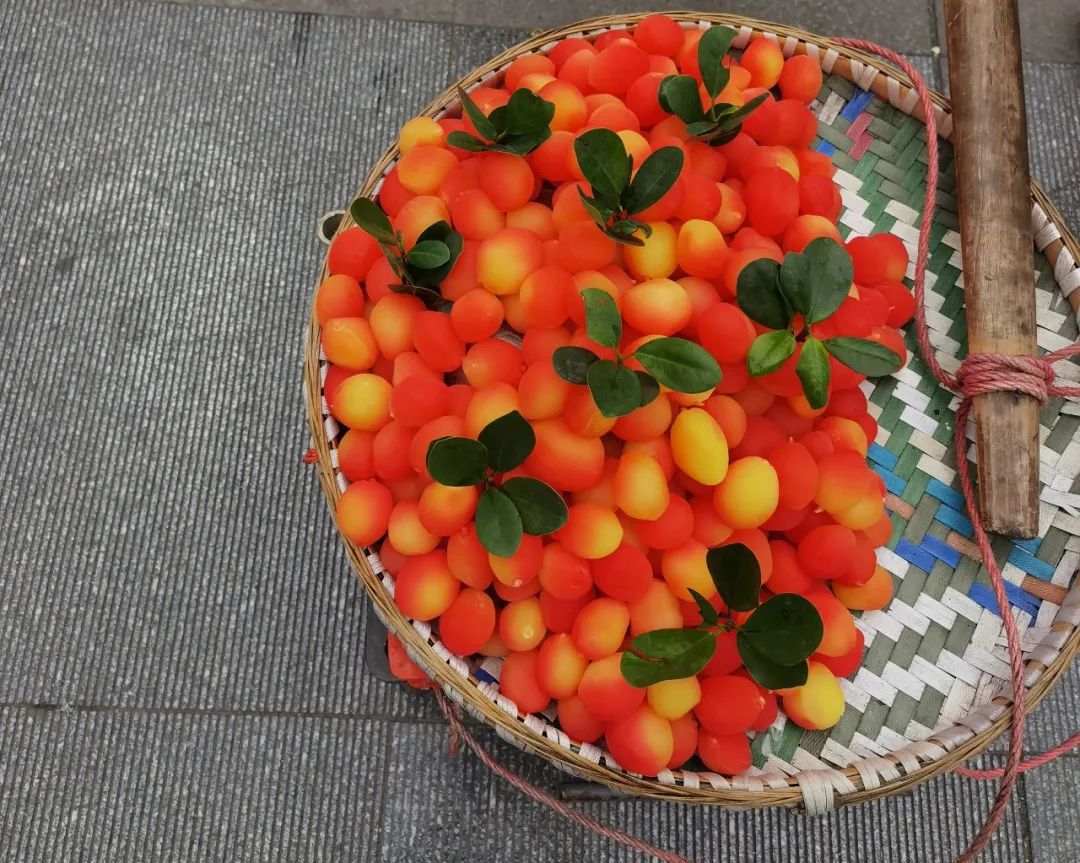
Core Viewpoint - The article reveals a shocking scam involving artificially synthesized fruits, particularly focusing on "golden plums" and "Jaboticaba," which are misrepresented as fresh, exotic fruits but are actually processed products with added sugars and colors [1][3][4]. Group 1: Golden Plums - "Golden plums," also known as "golden fruits," are not fresh fruits but rather a type of candied fruit made from discarded small peaches or rotten plums, mixed with sugar and color additives [3]. - The selling price of golden plums ranges from 30 to over 60 yuan per pound, making them more expensive than cherries, yet they taste artificial due to the presence of industrial sweeteners [1][3]. Group 2: Jaboticaba - Jaboticaba, often sold under various names like "dragon fruit" or "tree grape," is frequently misrepresented, with many vendors selling ordinary grapes disguised as Jaboticaba [4][6]. - The genuine Jaboticaba is a tropical fruit that grows on the trunk of the tree and is known for its sweet flavor and nutritional benefits, including high vitamin C content [7][9]. Group 3: Other Misrepresented Fruits - Another example includes the so-called "golden sand fruit," which is actually a coconut that has been polished and painted red to appear as a unique fruit, misleading consumers [15]. - The article highlights the trend of vendors renaming fruits with "gold" in their titles to attract buyers, indicating a pattern of deception in the fruit market [15].