龙眼

Search documents
湖北省咸宁市市场监管局公布2025年“守护消费”铁拳行动典型案例(第三批)
Zhong Guo Zhi Liang Xin Wen Wang· 2026-02-27 07:57
Core Viewpoint - The Xianning market supervision system aims to protect consumer rights and ensure safety through the "Iron Fist Action" for 2025, focusing on combating counterfeiting, substandard products, fraud, and theft [2] Group 1: Enforcement Actions - The Xianning market supervision bureau investigated a food company for labeling products with false production dates, resulting in the confiscation of 640 boxes of cakes and fines totaling 43,000 yuan [3] - The Chibi market supervision bureau penalized a food store for selling products with forged barcodes, imposing a fine of 2,000 yuan [4] - The Chongyang market supervision bureau found a seller using excessive food additives in agricultural products, leading to fines and confiscation of illegal gains totaling 5,240 yuan [5] - The Tongcheng market supervision bureau penalized a water factory for selling non-compliant bottled water, resulting in fines of 10,600 yuan [6] - The Tongshan market supervision bureau referred a case of suspected production and sale of inferior products to the police, involving illegal practices in beef processing [7]

住琼全国政协委员:从源头上守好乡亲们的饭碗
Hai Nan Ri Bao· 2026-02-24 02:56
Core Viewpoint - The article highlights the successful transformation of Xingwu Village in Lingshui Li Autonomous County through diversified agricultural practices and rural tourism, leading to increased income for local residents and sustainable development [2][3]. Group 1: Agricultural Development - Xingwu Village has shifted from being a poverty-stricken area to a thriving community by developing diverse agricultural products such as mangoes, lychees, longans, and winter vegetables, resulting in an increase in per capita annual income to 22,300 yuan [2]. - The village has implemented an insurance policy for mango production, providing financial security to farmers despite challenges like late fruiting and reduced yield [2]. - The introduction of a "flying land" cooperation model has allowed the village to explore aquaculture and other agricultural projects, contributing to a collective economic income exceeding 800,000 yuan annually [2]. Group 2: Rural Tourism and Community Engagement - The establishment of the "Lotte Return Home" tortoise farm has become a popular family-friendly tourist destination, enhancing local tourism and creating job opportunities for residents [3]. - The village has adopted a "rent-sharing and employment" model with the farm, which has led to steady growth in collective income and stimulated various business activities [3]. - Local residents have diversified their income sources by selling homegrown fruits and creating experiential activities, such as fruit-picking and cultural crafts, which have attracted more visitors [3]. Group 3: Environmental and Agricultural Policy Advocacy - Huang Liping, a local leader, has been actively advocating for sustainable agricultural practices, including the establishment of a green pest control demonstration base for cowpeas, which aims to reduce pesticide use and improve crop quality [4]. - The focus on environmental protection is emphasized, with recommendations for better management of herbicide use and groundwater monitoring to ensure long-term agricultural viability [4]. - Huang Liping aims to leverage national platforms to learn from successful agricultural branding cases to enhance local product marketing and increase farmers' income [5].
【澜湄印象】东南亚热带水果“跨境春运”火热 走俏中国年货市场
Zhong Guo Xin Wen Wang· 2026-02-15 13:38
Core Viewpoint - The article highlights the surge in cross-border transportation of tropical fruits from Southeast Asia to China, particularly during the Spring Festival, facilitated by efficient logistics and increased demand for fresh produce [1] Group 1: Import Data - In January, the Kunming Customs reported that imports of ASEAN fruits reached 9,800 tons, marking a year-on-year increase of 214% [1] - From February 2 to February 12, during the Spring Festival transportation period, the China-Laos Railway transported 2,584 tons of imported tropical fruits, showing a growth of over 22% compared to the previous year [1] Group 2: Logistics and Transportation - Since its opening in December 2021, the China-Laos Railway has facilitated the entry of Southeast Asian tropical fruits such as durian, banana, dragon fruit, and mangosteen into China through the "Lancang-Mekong Express" international freight trains [1] - The railway department has implemented a "fresh + general cargo mixed grouping" transportation scheme to meet the needs of small and medium-sized enterprises for "small batch, multiple batches" cross-border transport [1] Group 3: Market Impact - The efficient logistics have enabled a wider variety of high-quality Southeast Asian products to enter the Chinese market, enriching the choices available for consumers during the festive season [1]
陕西省咸阳市市场监督管理局关于元旦春节抽检信息的通告〔2026〕第1号
Zhong Guo Zhi Liang Xin Wen Wang· 2026-02-14 09:02
Summary of Key Points Core Viewpoint - The Xi'an City Market Supervision Administration conducted a quality inspection of 112 batches of food products, revealing that one batch of longan sold at a convenience store exceeded the permissible limit of sulfur dioxide residues, prompting immediate action to recall the product and address the violation [3]. Group 1: Inspection Results - A total of 112 batches from 14 categories of food products were inspected, with one batch failing due to excessive use of food additives [3]. - The specific non-compliance was found in longan sold by a convenience store in Xi'an, with sulfur dioxide residue measured at 0.295 g/kg, exceeding the national standard limit of 0.05 g/kg [3]. Group 2: Actions Taken - The Xi'an City Market Supervision Administration has mandated relevant departments to take immediate action to manage the identified non-compliant products, including product recall and risk control measures [3]. - Consumers are encouraged to report any instances of the non-compliant products found in the market by calling the complaint hotline [3].
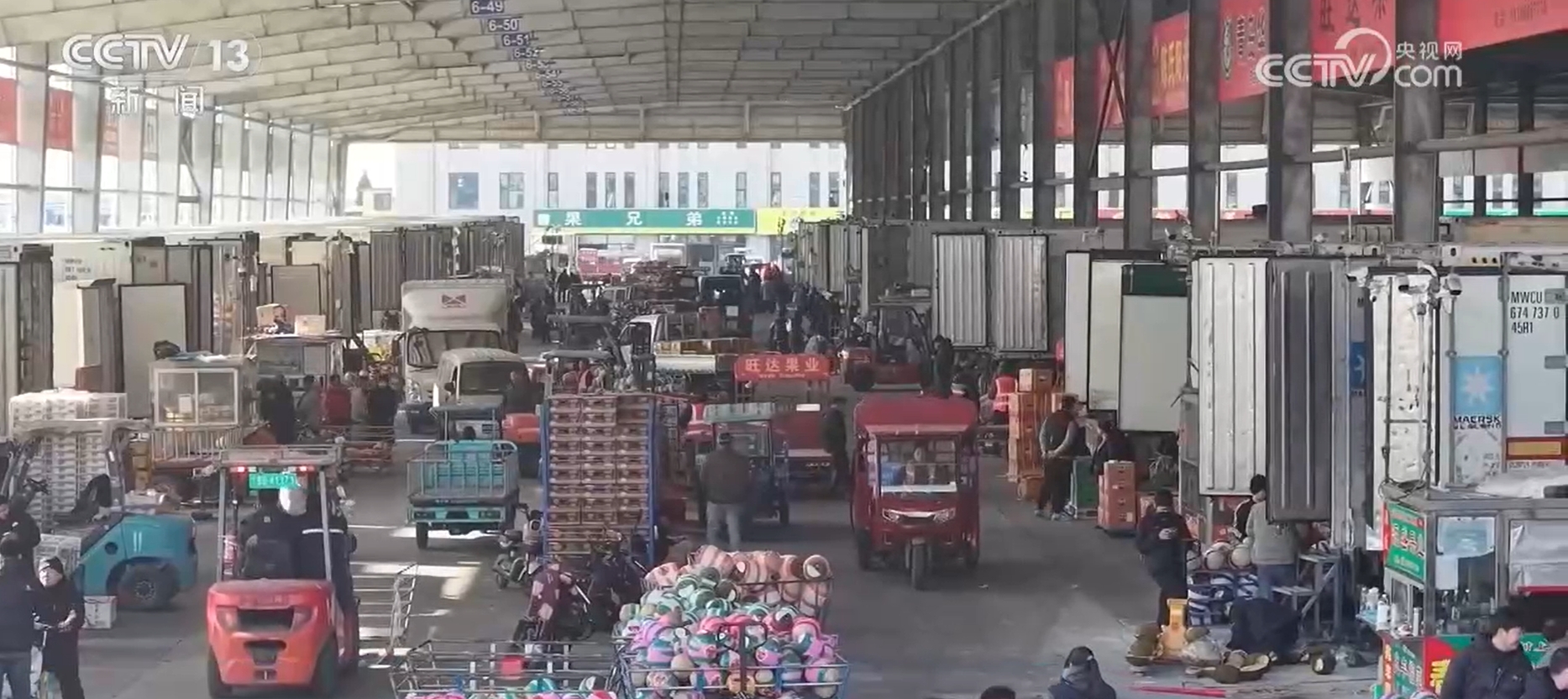
跨境便利化措施护航春节“果篮子”鲜甜直达
Yang Shi Wang· 2026-02-13 09:28
Core Viewpoint - The import fruit market in China is experiencing significant growth, particularly with the approach of the Spring Festival, as consumers increasingly favor imported fruits for gifting and entertaining [1][3]. Group 1: Market Trends - The demand for "foreign New Year goods," especially imported fruits, has surged, with various types of fruits from around the world becoming popular choices for social gatherings [1]. - The import fruit wholesale area in the Shandong Jimo agricultural products trading center is filled with fruits from global sources, highlighting the rapid turnover and freshness of products like tree-ripened durians from Thailand [1]. Group 2: Import Statistics - In 2025, the Jimo Customs is expected to oversee an import fruit value of 1.14 billion yuan, reflecting a year-on-year growth of 38.2% [3]. - The trading center currently hosts over 600 fruit merchants and offers more than 300 types of fruits, with imported varieties accounting for over one-third of the total [3].
安心“果”年 市场监管总局发布进口水果安全消费提示
Jing Ji Guan Cha Wang· 2026-02-12 10:36
Core Viewpoint - The upcoming Spring Festival has led to a surge in demand for imported fruits such as cherries, durians, and longans, which are becoming popular choices for holiday gifts and gatherings. However, these fruits may pose certain safety risks due to their complex supply chains and transportation processes [1]. Group 1: Consumer Safety and Recommendations - To assist consumers in safely purchasing imported fruits, the Market Supervision Administration has issued consumption guidelines [2]. - Excessive consumption of fruits can lead to health risks, particularly for those high in sugar and potassium, such as cherries and durians, which may burden the digestive system [3]. - Fruits may carry pesticide residues, preservatives, or contaminants from transportation and storage; inadequate washing can lead to long-term health risks [3]. - Improperly stored fruits may rot or mold, and toxins from mold can spread to unaffected areas, causing nausea and vomiting if consumed [3]. - Certain fruits, like mangoes and avocados, contain allergens that may trigger reactions in sensitive individuals, especially upon first consumption or in large quantities [3]. Group 2: Regulatory Compliance and Consumer Awareness - Imported fruits must meet the inspection and quarantine requirements outlined in the "Regulations on Inspection and Quarantine of Imported Fruits," with customs conducting both on-site and laboratory inspections [4]. - Sellers of imported fruits are required to obtain and retain customs-issued inspection and quarantine certificates, ensuring compliance with food safety standards [4]. - Consumers are advised to purchase imported fruits from reputable stores, check packaging labels for origin and quality, and inspect for signs of spoilage such as mold or unusual odors [4]. Group 3: Proper Handling and Storage - Proper cleaning of fruits is essential to remove surface dust and contaminants; fruits should be stored in sealed containers to prevent cross-contamination [5]. - Small fruits like cherries and blueberries should be rinsed under running water, soaked in saline or specialized cleaning solutions, and rinsed again before consumption [5]. - Fruits with skins, such as citrus and apples, should be scrubbed with a soft brush under running water, and it is recommended to peel them before eating [5]. - Tropical fruits like mangoes and durians should be washed before peeling, while temperate fruits like cherries should be refrigerated promptly to extend freshness [6][7]. Group 4: Consumption Guidelines for Vulnerable Groups - Fruits should be consumed in moderation, especially by vulnerable groups such as the elderly, children, pregnant women, and those with weakened immune systems, who should avoid long-term storage [9]. - Diabetic patients and individuals with kidney issues should follow medical advice regarding fruit consumption [9]. - Those with allergies, particularly to certain tropical fruits, should test small amounts before full consumption and seek medical attention if allergic reactions occur [9]. - Consumers are encouraged to keep receipts and packaging for potential quality issues and to report any adverse reactions to the relevant authorities [9].
昔日顶流水果价格创近5年新低 “车厘子自由”为何在2026年初实现
Mei Ri Jing Ji Xin Wen· 2026-02-11 13:56
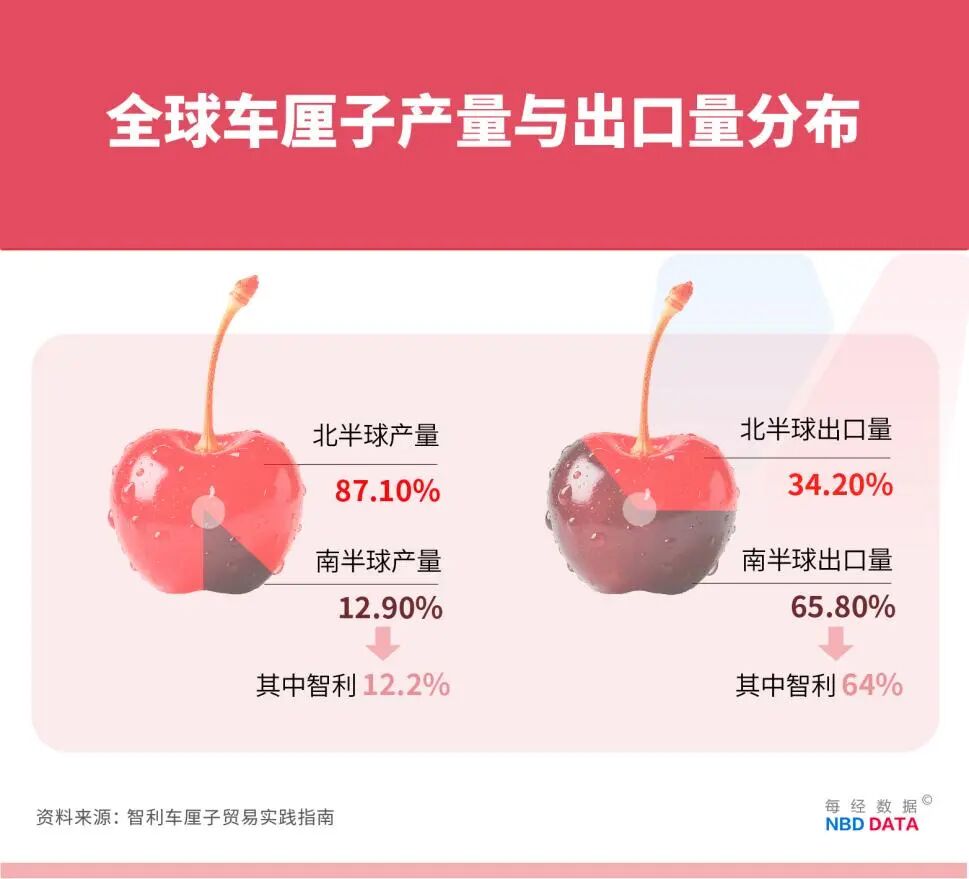
Core Insights - The price of cherries in China has significantly decreased as the 2026 Spring Festival approaches, with prices dropping from 159.9 yuan/kg in November 2025 to 79.9 yuan/kg in January 2026 for the same product [1] - The wholesale price of Chilean cherries has fallen by approximately 22% year-on-year as of February 5, 2026, and is down 39% compared to 2024, marking a five-year low for this season [1] Group 1: Price Trends - The price of cherries typically decreases from November to February due to increased supply, aligning with supply and demand dynamics [1] - In January 2026, the wholesale price of cherries fell below 50 yuan/kg, compared to 60-70 yuan/kg in 2025 and 70-80 yuan/kg in 2024 [5] - The current season's cherry prices are significantly lower than in previous years, with a noted drop of over 15% for cherries compared to other imported fruits [10] Group 2: Supply and Demand Dynamics - Approximately 98% of cherries imported into China during winter come from Chile, which dominates the global cherry export market [2][3] - Chile's cherry export volume accounts for 64% of global exports, with a significant increase in planting area from 38,000 hectares in 2019 to about 80,000 hectares in 2025 [6] - The increase in supply from Chile, combined with efficient cold chain logistics, has contributed to the lower prices in the Chinese market [5][6] Group 3: Quality and Consumer Perception - Despite the lower prices, some consumers have reported quality issues, such as dark spots around the fruit's core and a bitter taste [1] - The variety of cherries available from Chile, including popular types like Rainier and Brooks, caters to diverse consumer preferences [4] - The nutritional benefits of cherries, including high sugar content and essential minerals, contribute to their popularity as a festive fruit [4] Group 4: Market Trends for Other Fruits - The overall trend in the high-end imported fruit market shows a decline in prices, with 90% of monitored fruit categories experiencing price drops [9] - Other imported fruits, such as blueberries and citrus, are also facing price pressures due to increased domestic production [11] - The competitive landscape for imported fruits is shifting, with both international supply expansion and domestic cultivation impacting pricing strategies [11]
东南亚水果“跨境春运” 中越边境天保口岸年味飘“鲜”
Zhong Guo Xin Wen Wang· 2026-02-09 15:16
Core Insights - The article highlights the significant increase in the import of Southeast Asian fruits through the Tianbao Port on the China-Vietnam border, particularly during the Chinese New Year season, indicating a growing demand for exotic fruits in the domestic market [1]. Group 1: Import Data and Trends - In January, the Tianbao Customs reported that the import of ASEAN fruits reached 9,800 tons, representing a year-on-year increase of 214% [1]. - The Tianbao Port serves as a crucial trade channel for fruit between China and ASEAN, being the second-largest port for trade with Vietnam in Yunnan Province [1]. Group 2: Business Operations and Logistics - The peak season for Southeast Asian tropical fruits coincides with the Chinese New Year, with the business for fresh durians experiencing faster customs clearance since 2025 [1]. - During peak periods, the company reported that up to 100 cold chain trucks for durian imports could be processed in a single day, supplying major cities like Beijing, Shanghai, and Chongqing [1]. Group 3: Customs and Efficiency Measures - To ensure timely delivery of fresh products for the New Year, Tianbao Customs has implemented measures such as "priority inspection, expedited testing, and immediate release upon passing" [1]. - The use of non-intrusive, intelligent inspection equipment and advanced logistics monitoring platforms has improved the efficiency of port logistics by over 40% [1].
昔日顶流水果价格创5年新低,数据拆解车厘子自由为何是在今年实现
3 6 Ke· 2026-02-09 12:56
Group 1 - The price of cherries in China has significantly decreased this year, with wholesale prices dropping to a five-year low, reflecting a 22% year-on-year decline and a 39% drop compared to two years ago [1][21] - The supply of cherries from Chile has increased, with imports rising by approximately 37% in December 2025 compared to the previous season, contributing to the price drop [16][21] - Chile dominates the cherry export market, accounting for 97% of the Southern Hemisphere's cherry exports and 64% of global exports, with 98% of cherries imported by China coming from Chile [4][7] Group 2 - The increase in cherry production in Chile is attributed to a doubling of planting area from 38,000 hectares in 2019 to about 80,000 hectares in 2025, driven by Chinese demand [21] - The quality of cherries has reportedly declined in February due to market saturation and logistical challenges, with some consumers noting issues with taste and appearance [1][22] - The overall trend in the high-end imported fruit market shows a price decline, with 90% of monitored fruit categories experiencing price drops, while cherries have seen a decline exceeding 15% [24][25]
浙江省温州市市场监督管理局2025年第十四期食品监督抽检情况的通告
Zhong Guo Zhi Liang Xin Wen Wang· 2026-02-05 08:14
Core Viewpoint - The recent inspection by Wenzhou Market Supervision Administration revealed that out of 244 food samples tested, 221 passed while 23 failed to meet national food safety standards, primarily due to pesticide residue and excessive use of food additives [2][3][4][5][6]. Summary by Categories Non-compliant Food Items - Dried vegetables sold by Longgang City Lao Liang Dried Seafood Store contained lead (Pb) exceeding national safety standards [2]. - Snap peas sold by Wenzhou Vegetable Basket Wholesale Market Lin An Vegetable Store had acetamiprid levels not compliant with safety standards [3]. - Nut pudding sold online by Wenzhou Ouhai New Bridge Bang Ge E-commerce Store showed high levels of total bacterial count, coliforms, and molds [3]. - Water-boiled peanuts sold by Liu Liangsheng Delicacy Store in Yongjia County had sulfur dioxide residue exceeding safety limits [4]. Analysis of Non-compliance - Lead (Pb): The maximum allowable limit for lead in dried vegetables is 0.8 mg/kg, with potential contamination from environmental sources or production processes [7]. - Cadmium (Cd): The maximum allowable limit for cadmium in snap peas is 0.05 mg/kg, with contamination likely from soil or water [7]. - Pesticides: Various pesticides such as dichlorvos and carbofuran were found in excess, with maximum allowable limits set at 0.02 mg/kg for certain vegetables [8][9]. Regulatory Actions - The Wenzhou Market Supervision Administration has mandated local regulatory bodies to investigate and take corrective actions against the non-compliant products, including product recalls and risk control measures [16].