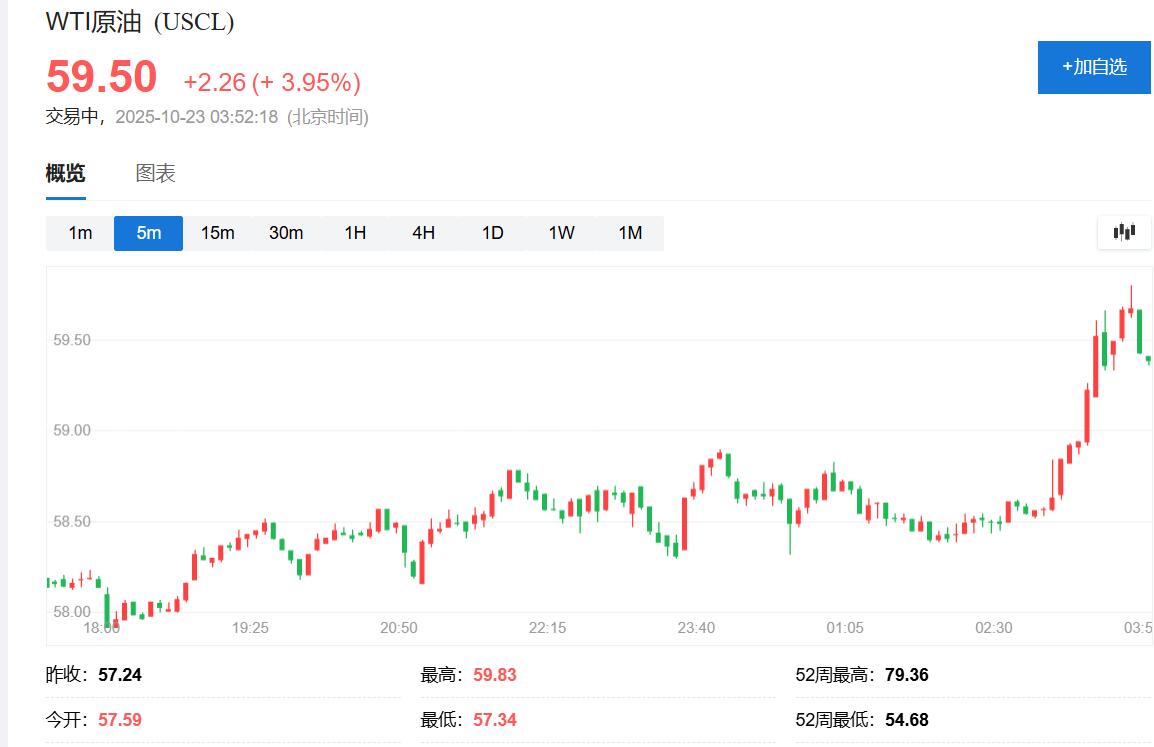
国产无人机

Search documents
国货潮品涌入免税店
21世纪经济报道· 2025-12-25 12:26
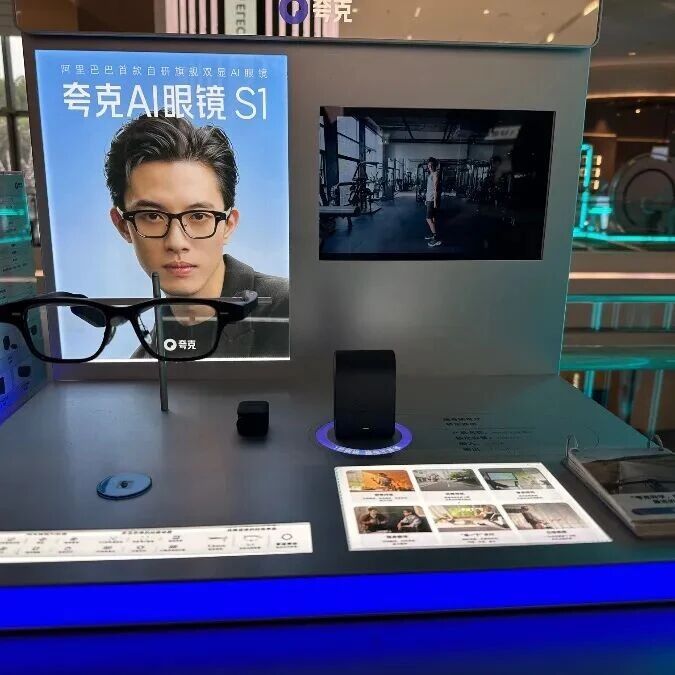
Core Viewpoint - The introduction of domestic products into duty-free stores represents a significant shift in the retail landscape, aiming to enhance the visibility and accessibility of Chinese brands to both domestic and international consumers [9][11]. Group 1: Event Overview - The "National Trend Products" promotion event for duty-free stores was held on December 23 in Shenzhen, showcasing brands like Chengdu Liu-style bamboo weaving and others, highlighting the innovation of traditional crafts [1][2]. - The Ministry of Commerce released a list of recommended brands for duty-free stores, covering 19 key product categories, which will guide selection and procurement for duty-free enterprises [1][5]. Group 2: Characteristics of Selected Domestic Products - The selected domestic products exhibit three distinct characteristics: comprehensive category coverage across 19 types, wide geographical distribution with 174 brands from 26 cities, and a strong heritage with 45 time-honored brands included [5][6]. - Shenzhen is a significant hub for these products, with 25 brands making it to the first promotion list, indicating a robust local presence [5][6]. Group 3: Market Trends and Consumer Behavior - New duty-free stores are increasingly focusing on domestic products, with examples like the Chengdu duty-free store featuring local specialties and the Guangzhou cultural museum showcasing popular items like the "Bing Dwen Dwen" dolls [3][5]. - There is a notable increase in demand for domestic products among international tourists, with some stores reporting a 50% increase in international customer visits [10][11]. Group 4: Future Directions and Strategic Implications - The introduction of domestic products into duty-free stores is seen as a new initiative requiring collaboration among government, enterprises, and brands to enhance competitiveness and policy implementation [6][7]. - Duty-free stores are evolving into a new hub for showcasing local products globally, moving beyond their traditional role as mere retail spaces for international brands [10][11].

国货潮品涌入免税店,才刚刚开始
2 1 Shi Ji Jing Ji Bao Dao· 2025-12-25 09:34
Core Insights - The event held on December 23 in Shenzhen showcased the introduction of domestic brands into duty-free stores, highlighting the growing trend of "Guochao" (national tide) products gaining international market presence [2][3][8] Group 1: Event Overview - The "Guochao Products" promotion event was organized by the Ministry of Commerce, featuring a list of recommended brands for duty-free stores, covering 19 key product categories [2][3] - The event included representatives from various brands, such as Liu's Bamboo Weaving, Honor, and Doctor Glasses, emphasizing the collaboration among domestic brands [1][2] Group 2: Characteristics of Guochao Products - The selected Guochao products exhibit three distinct characteristics: comprehensive category coverage, wide geographical distribution, and deep brand heritage [3][4] - The product categories include food and beverages, leather goods, clothing, crafts, and electronic consumer products, catering to diverse consumer needs [3][4] - A total of 174 brands from 26 cities were included, showcasing both emerging brands from coastal regions and traditional products from central and western China [3][4] Group 3: Market Trends and Consumer Behavior - The entry of Guochao products into duty-free stores reflects a shift in consumer preferences, with domestic products becoming popular among inbound tourists [7][8] - Sales data indicates that products like drones and smartwatches are increasingly favored by international visitors, with some stores reporting a 50% increase in foreign customer traffic [7][8] - The evolution of duty-free stores is moving towards a 3.0 model, positioning them as hubs for showcasing local products and cultural heritage to global consumers [7][8] Group 4: Strategic Implications - The introduction of domestic products into duty-free channels is expected to enhance the international visibility and reputation of Chinese brands, while also meeting domestic demand for high-quality goods [8][9] - The Guangdong-Hong Kong-Macau Greater Bay Area Research Institute suggests that leveraging the 3.0 upgrade in inbound shopping can help regions capture tourism opportunities and convert visitor traffic into consumption growth [8][9]
伊朗展示自研导弹与无人机
Xin Hua She· 2025-11-14 00:39
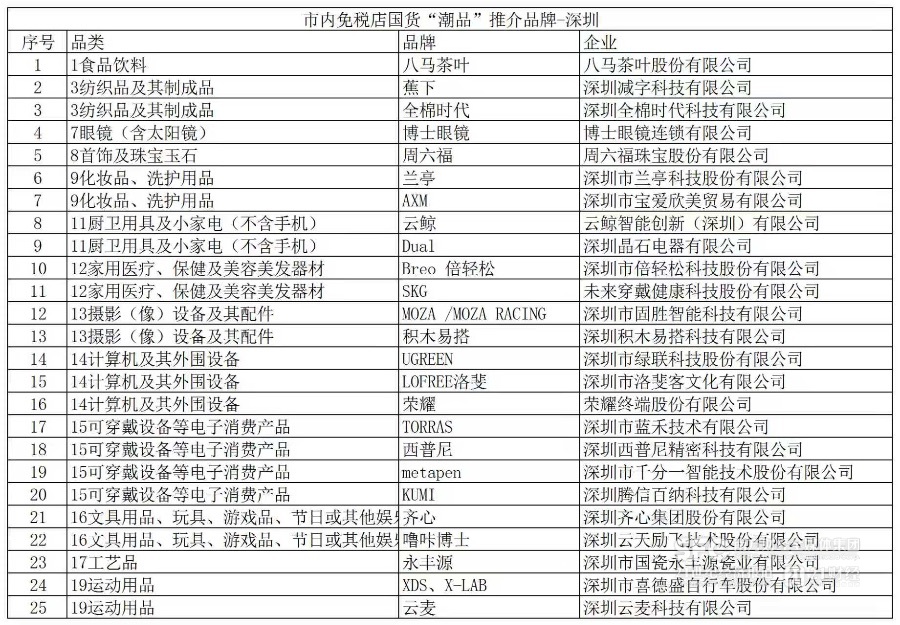
Core Viewpoint - The exhibition held by the Islamic Revolutionary Guard Corps (IRGC) Aerospace Force in Tehran showcases Iran's advancements in missile and drone technology, highlighting the country's military capabilities and domestic production efforts [1][3]. Group 1: Exhibition Details - The exhibition opened on November 9 at the National Aerospace Park in Iran and will continue until November 14 [6]. - It features a variety of new weapon models developed by the IRGC Aerospace Force in collaboration with the Iranian Ministry of Defense Aerospace Industries Organization [3]. Group 2: Displayed Technologies - Key exhibits include new missile types such as "Power" and "Imad," along with several domestically produced drones [3]. - The exhibition also displays remnants of foreign drones captured by Iranian armed forces, including Israeli drones shot down during the conflict in June [4].
报道称美国解除乌克兰用远程导弹关键限制,原油拉升,盘中涨超4%
Hua Er Jie Jian Wen· 2025-10-22 20:25
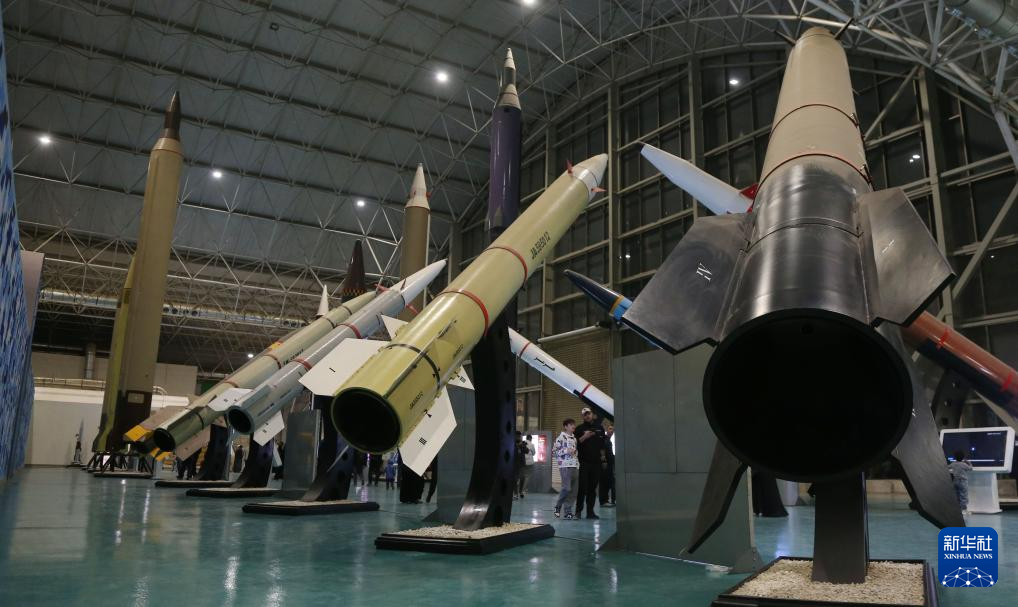
Core Viewpoint - The Trump administration has lifted a key restriction on Ukraine's use of Western-supplied long-range missiles, allowing Ukraine to enhance its attacks on targets within Russia [1][3]. Group 1: Policy Changes - The policy adjustment aims to increase pressure on the Russian government to end the conflict with Ukraine, with expectations that Ukraine will use the "Storm Shadow" missiles for more cross-border attacks [3]. - Approval authority for such cross-border strikes has shifted from the U.S. Secretary of Defense to the U.S. European Command, led by General Alexus Grynkewich [4]. - Previously, the use of U.S. missiles or Western missiles relying on U.S. targeting data required approval from the Secretary of Defense, which has now been returned to the European Command [5]. Group 2: Military Actions - Ukrainian forces conducted a large-scale airstrike on a chemical plant in Russia's Bryansk region, using the "Storm Shadow" missiles to successfully hit a key facility for producing explosives and rocket fuel [3]. - The "Storm Shadow" missiles have a range exceeding 180 miles, which allows Ukraine to expand its attack capabilities against Russian targets [3][7]. Group 3: Diplomatic Context - The missile policy change coincides with Trump's earlier push for negotiations to pressure Russia, although he had previously considered providing Ukraine with longer-range "Tomahawk" missiles but later abandoned the idea [3][7]. - Trump expressed interest in meeting with Russian President Putin to discuss ending the conflict, but recent meetings have been postponed, indicating a lack of readiness for serious negotiations from both sides [8].