国货潮品

Search documents
2026年全国“老字号嘉年华”暨大湾区年味消费季活动在广州启动
Nan Fang Ri Bao Wang Luo Ban· 2026-01-27 09:03
Group 1 - The "National Old Brand Carnival" and the Greater Bay Area New Year Consumption Season were launched in Guangzhou, focusing on the theme "National Goods Trend, Revitalization and Renewal" [1] - The event will feature a "1+4" format, including the "Old Brand Creative Market," "Old Brand Public Appreciation," "Old Brand Famous Products Expo," and "Old Brand Craftsmanship Going Global," with 35 diverse activities planned [1] - Eight national thematic activities will be organized to create a "one-stop" shopping platform and consumption scene for the upcoming Year of the Horse Spring Festival [1] Group 2 - The Greater Bay Area New Year Consumption Season will last until January 28, featuring a themed market showcasing unique old brand products from Guangzhou and other cities in the Greater Bay Area [2] - Notable products include Wanglaoji International Cans, Zhujiang Beer Tea Beer, and commemorative items for the 15th National Games, along with intangible cultural heritage experiences and national trend performances [2] - Guangzhou boasts 35 national old brands, 82 Guangdong old brands, and 150 Guangzhou old brands across various industries, forming a vibrant representation of Lingnan commercial culture [2] Group 3 - Guangzhou is supporting the high-quality development of old brands through policies and innovation, with the "Guangzhou Old Brand Recognition Management Measures" set to be implemented by 2025 [3] - The management of old brand recognition will be transferred to government departments to enhance their role in trade circulation, consumption promotion, and quality management [3] - An investment of over 180 million yuan will be allocated to support various projects, establishing a mechanism for state-owned asset revenue subsidies to guide enterprises in developing tailored strategies [3]
2026年全国“老字号嘉年华”启幕
Jin Rong Jie· 2026-01-26 14:49
Core Viewpoint - The "National Old Brand Carnival" and Greater Bay Area Consumption Season aims to enhance consumer experiences and cultural festivities through a series of 35 themed activities throughout the year, focusing on revitalizing traditional Chinese brands and products [1] Group 1: Event Overview - The event was launched on January 26 in Guangzhou, themed "National Goods Trend Revitalization" [1] - The carnival will feature four main themes: "Old Brand Creative Market," "Old Brand Public Appreciation," "Old Brand Famous Products Expo," and "Old Brand Craftsmanship Going Global" [1] - A total of 35 key activities will be organized across various regions to expand the supply of quality goods and services [1] Group 2: Upcoming Activities - Eight national thematic activities will be launched in conjunction with the upcoming Year of the Horse Spring Festival, creating a "one-stop" shopping platform and consumer experience [1] - The Greater Bay Area Consumption Season activities will run until January 28 [1] Group 3: Product Highlights - The Guangdong Provincial Department of Commerce announced the second batch of "Yue Hand Gifts," which includes three categories: technological cultural creations, intangible cultural heritage health products, and specialty flavors [1] - Guangzhou will promote a selection of new "national trend" products from old brands, showcasing new business models and scenarios [1] - Featured products include Wanglaoji International Canned Drink, Zhujiang Beer Tea Beer, and commemorative balls for the 15th National Games [1]
2025年批发和零售业增加值14.6万亿元
Ren Min Ri Bao· 2026-01-25 02:42
Group 1 - The core viewpoint of the articles indicates that China's wholesale and retail industry is expected to show strong growth in 2025, contributing significantly to domestic demand and market expansion, with a projected value added of 14.6 trillion yuan, a 5.0% year-on-year increase, and accounting for 10.4% of GDP, marking a historical high [1][2] Group 2 - The policy of replacing old products with new ones has shown significant results, with over 192 million home appliances and more than 9.1 million digital products replaced since the implementation of the policy, leading to a market scale exceeding 1 trillion yuan for both home appliances and mobile phones in 2025, also a historical high [1] - The popularity of traditional Chinese brands is evident, with 271 "Old Brand Carnival" events held nationwide, generating sales of 22.66 billion yuan, and a 21.6% year-on-year increase in dining revenue for traditional Chinese restaurant brands [1] Group 3 - The wholesale sector is experiencing steady growth, with a 3.6% year-on-year increase in transaction value and a 9.7% increase in profit for key monitored goods, while the industrial consumer goods market saw a 9.1% increase in transaction value [2] - In the retail sector, the total retail sales of consumer goods are projected to reach 44.3 trillion yuan in 2025, with a year-on-year growth of 3.8%, an acceleration of 0.6 percentage points compared to 2024 [2] - Urban markets are showing robust activity, with foot traffic and sales in monitored pedestrian streets and commercial areas increasing by 5.2% and 4.3% respectively, while the county-level commercial system continues to improve with the establishment and renovation of 189,000 various commercial outlets [2]
2025年社会消费品零售总额超50万亿元 消费对经济发展主引擎作用持续显现
Xin Lang Cai Jing· 2026-01-22 15:07
Group 1 - The total retail sales of consumer goods in 2025 are projected to reach 50.1 trillion yuan, with a growth rate of 3.7% [1] - Retail sales of goods are expected to grow by 3.8%, while catering revenue is anticipated to increase by 3.2% [1] - Final consumption expenditure is expected to contribute 52% to economic growth, continuing to play a key role as the main engine of economic development [1] Group 2 - The consumption of durable goods is showing positive growth, with the trade-in of old consumer goods driving sales in related categories to 2.61 trillion yuan, benefiting 366 million people [1] - Retail sales of passenger cars are projected to reach 23.744 million units, reflecting a growth of 3.8% [1] - The retail sales of staple food and oil products in large-scale units are expected to grow by 9.3%, indicating a shift towards health-conscious consumption with organic and green food becoming popular [1] Group 3 - The retail sales of clothing, shoes, hats, and textiles are projected to grow by 3.2%, while daily necessities are expected to see a growth of 6.3% [1] - There is a strong demand for upgraded consumer goods, with retail sales of sports and entertainment products in large-scale units expected to grow by 15.7% [1] - Sales of smart glasses, smartwatches, and smart bands on key platforms are anticipated to increase by over 40% [1] Group 4 - The consumption of specialty products is expected to be vibrant in 2025, with a surge in new product launches in smart connected vehicles and smartphones [2] - Domestic and international brands are accelerating the establishment of flagship stores, stimulating new consumption momentum [2] - The trend of "IP + consumption" is thriving, with sales of movie derivative products during the summer season expected to double year-on-year, leading the consumption wave [2]
突破50万亿元!超大规模市场优势持续显现
Yang Shi Xin Wen· 2026-01-21 04:06
Group 1 - The total retail sales of consumer goods in 2025 reached 50.1 trillion yuan, with a growth rate of 3.7%. The contribution rate of final consumption expenditure to economic growth was 52%, highlighting its role as a main engine for economic development [1] - The retail sales of durable goods showed a positive trend, with the sales from trade-in programs reaching 2.61 trillion yuan, benefiting 366 million people. The retail volume of passenger cars reached 23.74 million units, growing by 3.8%, with a penetration rate of 53.9% for new energy vehicles [1] - Retail sales of home appliances exceeded 1.17 trillion yuan, growing by 11%, while retail sales of communication equipment, cultural and office supplies, and furniture grew by 20.9%, 17.3%, and 14.6% respectively [1] Group 2 - The retail sales of daily consumer goods grew steadily, with retail sales of grain and oil food increasing by 9.3%. Health-conscious consumption became mainstream, with organic and green agricultural products gaining popularity [2] - Retail sales of sports and entertainment products grew by 15.7%, driven by high demand for ice and snow sports, hiking, and cycling equipment. Sales of smart glasses, smartwatches, and smart bands increased by over 40% [2] - The retail sales of cosmetics grew by 5.1%, influenced by Eastern aesthetics, while gold and silver jewelry sales increased by 12.8%, reflecting consumer preference for products that blend traditional cultural elements with modern design [2] Group 3 - The release of new products in the smart connected vehicle and smartphone sectors stimulated consumer activity. Domestic brands gained popularity, with collaborations between traditional brands and new consumption brands creating innovative products and experiences [2] - The "IP + consumption" trend thrived, with sales of movie merchandise during the summer season doubling year-on-year, leading to a surge in consumer interest [2]
商务部:2025年社会消费品零售总额突破50万亿元
Zhong Guo Xin Wen Wang· 2026-01-21 03:43
Group 1 - The core viewpoint of the articles emphasizes the significant growth in consumer spending and the successful implementation of consumption-boosting initiatives in China, particularly in the context of the "14th Five-Year Plan" [1][2][3] Group 2 - In 2025, the total retail sales of social consumer goods reached 50.1 trillion yuan, with a growth rate of 3.7%. Retail sales of goods increased by 3.8%, while catering revenue grew by 3.2%. Final consumption expenditure contributed 52% to economic growth, reinforcing its role as a primary engine for economic development [1] - The consumption of durable goods showed a positive trend, with the sales driven by the "old for new" consumption initiative reaching 2.61 trillion yuan, benefiting 366 million people. The retail volume of passenger vehicles reached 23.744 million units, growing by 3.8%, with the penetration rate of new energy vehicles at 53.9% [1] - Retail sales of home appliances exceeded 1.17 trillion yuan, marking an 11% increase, while sales of communication equipment, cultural office supplies, and furniture grew by 20.9%, 17.3%, and 14.6% respectively [1] - Daily consumer goods maintained stable growth, with retail sales of grain and oil food increasing by 9.3%. Health-conscious consumption became mainstream, with organic and green agricultural products gaining popularity [2] - Retail sales of clothing, shoes, and textiles grew by 3.2%, with new styles like Hanfu and "Ma Mian Qun" gaining traction. Daily necessities saw a growth of 6.3% [2] - Demand for upgraded products surged, with retail sales of sports and entertainment goods increasing by 15.7%. Sales of smart glasses, smartwatches, and smart bands grew by over 40% [2] - The jewelry retail sector saw a growth of 12.8%, with products that blend traditional cultural elements and modern design being favored by consumers [2] - The release of new products in sectors like smart connected vehicles and smartphones invigorated the economy, with domestic brands gaining popularity through innovative collaborations [2]
中国中免:重塑免税业态
Zheng Quan Ri Bao Zhi Sheng· 2025-12-30 16:13
Core Viewpoint - The article discusses how China Duty Free Group (China CDF) is leveraging the new opportunities presented by Hainan's customs closure policy and the recovery of consumer spending to maintain its leading position in the duty-free market, focusing on innovative service and experiential consumption to drive growth [1]. Group 1: Market Performance - Following the customs closure on December 18, Sanya International Duty Free City experienced a surge in visitor numbers, with 36,000 visitors on the first day, a 60% year-on-year increase, and sales up 85% [2]. - From December 18 to December 24, the first week of Hainan's customs closure, Sanya's duty-free sales reached 736 million yuan, a 48.2% increase year-on-year, with Sanya International Duty Free City contributing over 90% of this sales performance [2]. Group 2: Competitive Advantage - Sanya International Duty Free City holds over 90% market share in a competitive environment due to China CDF's brand resource advantages and its "retail + cultural tourism" operational model [3]. - The city is set to become a national AAAA-level tourist attraction by 2025, marking it as the first national-level tourist site centered around duty-free commerce [3]. Group 3: Consumer Engagement Strategies - The company is enhancing consumer experiences through immersive shopping environments, hosting various artistic and cultural events, and utilizing pop-up stores to convert IP traffic into consumer engagement [3][4]. - The focus on emotional value consumption is driving the company to introduce diverse IPs and create interactive shopping experiences to invigorate the Hainan international tourism consumption center [4]. Group 4: Business Expansion - China CDF operates six duty-free stores in Hainan, implementing a "one island, multiple stores" strategy to create a comprehensive duty-free ecosystem [5]. - The company is expanding into "taxable business" areas, with new projects in Sanya International Duty Free City and partnerships with high-end hotels and commercial real estate [6]. Group 5: Product Diversification - To meet diverse consumer needs, China CDF is introducing a variety of products, including domestic brands and new categories like small appliances and drones, enhancing the international influence of Hainan's duty-free stores [8]. - The company is also increasing collaboration with domestic brands, aiming to showcase traditional Chinese culture through premium products in its stores [9]. Group 6: Global Market Integration - China CDF is not only bringing international brands to China but also promoting Chinese brands globally, with initiatives to integrate domestic products into duty-free channels [8]. - The company has secured operations in international markets, including Hong Kong and Macau, and is actively entering the Vietnamese market to promote Chinese products abroad [9]. Group 7: Future Outlook - China CDF plans to continue leveraging the "duty-free+" model to promote multi-dimensional integration of culture, commerce, and tourism, contributing to the high-quality development of China's tourism retail industry [10].

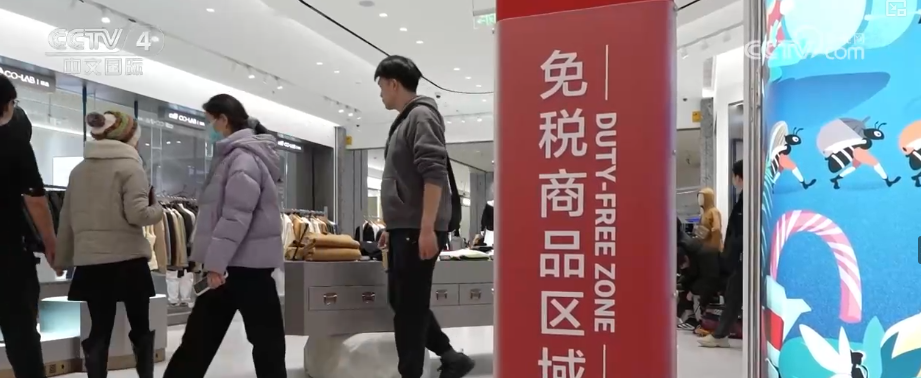
国货潮品涌入免税店
21世纪经济报道· 2025-12-25 12:26
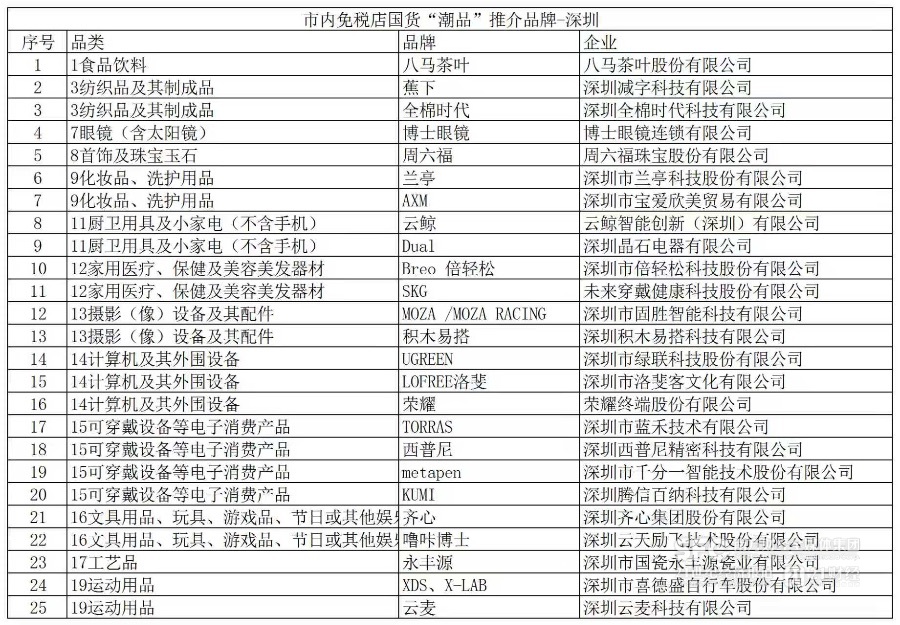
Core Viewpoint - The introduction of domestic products into duty-free stores represents a significant shift in the retail landscape, aiming to enhance the visibility and accessibility of Chinese brands to both domestic and international consumers [9][11]. Group 1: Event Overview - The "National Trend Products" promotion event for duty-free stores was held on December 23 in Shenzhen, showcasing brands like Chengdu Liu-style bamboo weaving and others, highlighting the innovation of traditional crafts [1][2]. - The Ministry of Commerce released a list of recommended brands for duty-free stores, covering 19 key product categories, which will guide selection and procurement for duty-free enterprises [1][5]. Group 2: Characteristics of Selected Domestic Products - The selected domestic products exhibit three distinct characteristics: comprehensive category coverage across 19 types, wide geographical distribution with 174 brands from 26 cities, and a strong heritage with 45 time-honored brands included [5][6]. - Shenzhen is a significant hub for these products, with 25 brands making it to the first promotion list, indicating a robust local presence [5][6]. Group 3: Market Trends and Consumer Behavior - New duty-free stores are increasingly focusing on domestic products, with examples like the Chengdu duty-free store featuring local specialties and the Guangzhou cultural museum showcasing popular items like the "Bing Dwen Dwen" dolls [3][5]. - There is a notable increase in demand for domestic products among international tourists, with some stores reporting a 50% increase in international customer visits [10][11]. Group 4: Future Directions and Strategic Implications - The introduction of domestic products into duty-free stores is seen as a new initiative requiring collaboration among government, enterprises, and brands to enhance competitiveness and policy implementation [6][7]. - Duty-free stores are evolving into a new hub for showcasing local products globally, moving beyond their traditional role as mere retail spaces for international brands [10][11].

国货潮品涌入免税店,才刚刚开始
2 1 Shi Ji Jing Ji Bao Dao· 2025-12-25 09:34
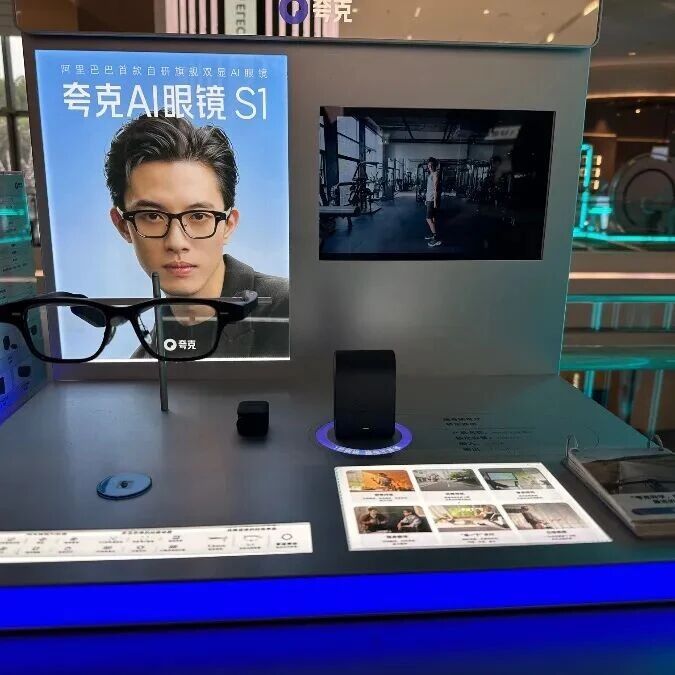
Core Insights - The event held on December 23 in Shenzhen showcased the introduction of domestic brands into duty-free stores, highlighting the growing trend of "Guochao" (national tide) products gaining international market presence [2][3][8] Group 1: Event Overview - The "Guochao Products" promotion event was organized by the Ministry of Commerce, featuring a list of recommended brands for duty-free stores, covering 19 key product categories [2][3] - The event included representatives from various brands, such as Liu's Bamboo Weaving, Honor, and Doctor Glasses, emphasizing the collaboration among domestic brands [1][2] Group 2: Characteristics of Guochao Products - The selected Guochao products exhibit three distinct characteristics: comprehensive category coverage, wide geographical distribution, and deep brand heritage [3][4] - The product categories include food and beverages, leather goods, clothing, crafts, and electronic consumer products, catering to diverse consumer needs [3][4] - A total of 174 brands from 26 cities were included, showcasing both emerging brands from coastal regions and traditional products from central and western China [3][4] Group 3: Market Trends and Consumer Behavior - The entry of Guochao products into duty-free stores reflects a shift in consumer preferences, with domestic products becoming popular among inbound tourists [7][8] - Sales data indicates that products like drones and smartwatches are increasingly favored by international visitors, with some stores reporting a 50% increase in foreign customer traffic [7][8] - The evolution of duty-free stores is moving towards a 3.0 model, positioning them as hubs for showcasing local products and cultural heritage to global consumers [7][8] Group 4: Strategic Implications - The introduction of domestic products into duty-free channels is expected to enhance the international visibility and reputation of Chinese brands, while also meeting domestic demand for high-quality goods [8][9] - The Guangdong-Hong Kong-Macau Greater Bay Area Research Institute suggests that leveraging the 3.0 upgrade in inbound shopping can help regions capture tourism opportunities and convert visitor traffic into consumption growth [8][9]
观察·国货潮品成新亮点 政策暖风创新发力激活免税经济多维活力
Yang Shi Wang· 2025-12-02 07:09
Core Viewpoint - The recent upgrade of China's duty-free shop policy, effective from November 1, aims to expand the range of products available and enhance the shopping experience for travelers, thereby boosting the duty-free economy [1] Group 1: Policy Changes - The upgraded duty-free policy broadens the scope of benefits, catering to diverse consumer shopping needs and increasing the attractiveness of duty-free shops for inbound and outbound travelers [1] - The new policy allows for more domestic products to be sold in duty-free shops, including traditional Chinese brands and cultural heritage items [8] Group 2: Store Openings and Offerings - The first city-based duty-free shop in Tianjin opened on November 28, featuring a business model that combines duty-free and taxable goods, as well as online and offline sales [5] - The duty-free shop in Xi'an incorporates local cultural elements into product design and store decoration, creating a new consumption scene [11] Group 3: Market Dynamics - The relaxation of approval processes for duty-free shops grants more autonomy in establishing and scaling operations, allowing for tailored offerings based on local market conditions [14] - The introduction of online reservation services for duty-free products enhances the shopping experience for travelers, enabling them to pre-order items based on their travel itineraries [17]