圣培露矿泉水

Search documents
从牙膏到肥皂,美国人开始疯狂囤货
华尔街见闻· 2025-04-06 07:08
美国经济学家和商界人士警告说,加征关税将推高价格, 并最终转嫁到消费者身上。 由于担忧物价飙升,美国一些消费者已开始囤货模式。 每个家庭每年平均损失 3800美元的购买力 特朗普希望通过征收"对等关税"来施压其他国家,这可能会令美国消费者付出尤其高昂的代价。 来源:央视网 根据特朗普本月2日签署的关于所谓"对等关税"的行政令,美国定于5日开始对所有贸易伙伴加征10%的"最低基准关税"。对某些贸易伙伴征收更高的"对等关 税",这些措施将于9日生效。 | PERCENT CHANGE TO PRICE LEVEL | | | | | --- | --- | --- | --- | | Leather products | | | | | Gloves, handbags, etc. | | | 18.3% | | Wearing apparel | | | 16.9% | | clothing, shoes, etc. | | | | | Crops | | 13.3% | | | Primarly industrial crops like hemp | | | | | Metals | | 12.3% | | ...

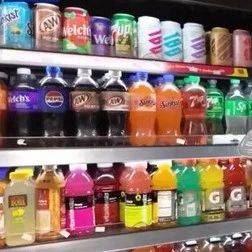
美国人开始疯狂囤货!
21世纪经济报道· 2025-04-06 06:23
Core Viewpoint - The article discusses the implications of the new "reciprocal tariffs" imposed by the U.S. government, highlighting the potential economic burden on American consumers and the overall economy due to increased prices and reduced purchasing power [1][3][4]. Summary by Sections Tariff Implementation - The U.S. will begin imposing a 10% "minimum baseline tariff" on all trade partners starting April 5, with higher tariffs on certain partners effective April 9 [1]. - The tariffs are intended to pressure other countries, but they may lead to significant costs for U.S. consumers [3]. Economic Impact on Consumers - Average American households are projected to lose $3,800 in purchasing power annually due to the tariffs [2][4]. - The Yale Budget Lab estimates that if other countries retaliate, low, middle, and high-income households could lose $1,300, $2,100, and $5,400 respectively [4]. - The overall inflation rate in the U.S. is expected to rise by 2.3%, with food prices increasing by 2.8% and automobile prices by 8.4% [4]. Tax and Income Effects - The average post-tax income for Americans is expected to decrease by 1.9% [5]. - Households will face an average increase of $1,900 in tax burdens due to the tariffs [6]. Price Increases Across Goods - The tariffs will likely lead to price increases across various categories, including: - Leather products: 18.3% - Clothing and shoes: 16.9% - Crops: 13.3% - Metals: 12.3% - Motor vehicles and parts: 8.4% [8][9]. Consumer Behavior - Consumers are already responding to the anticipated price hikes by stockpiling goods, as advised by prominent investors [10][12]. - Reports indicate increased consumer activity in stores, with many purchasing items in bulk before prices rise [12]. Automotive Industry Impact - The automotive sector is particularly vulnerable, with a 25% tariff on imported vehicles expected to significantly raise costs for consumers and reduce sales by approximately 300,000 units [17]. - Major automakers like General Motors and Ford are projected to incur substantial tariff costs, potentially leading to higher vehicle prices and reduced competitiveness [17]. Economic Outlook - Financial institutions warn that the new tariff policies could push the U.S. economy into recession, with GDP growth forecasts being downgraded from 1.3% to a contraction of 0.3% [19]. - Analysts from various firms predict severe economic repercussions if the tariffs remain in place, with potential long-term impacts on GDP growth [19].

美财长被曝受不了想辞职:“对等关税”太荒谬!巴菲特否认支持特朗普关税计划!美国面包店等老板称“成本增加,将转嫁给消费者”
新浪财经· 2025-04-06 02:16
Group 1 - The article discusses the potential resignation of U.S. Treasury Secretary Scott Basset due to dissatisfaction with the Trump administration's tariff policies, which he finds absurd [3][5][7] - Basset's comments on the tariffs have drawn criticism, with some analysts suggesting that the administration's approach reflects a lack of understanding of international trade [7][8] - The article highlights the significant market impact of Trump's recent tariff announcements, with major U.S. stock indices experiencing sharp declines, resulting in a market loss of approximately $6.5 trillion over two days [10][30] Group 2 - The article mentions that Trump's tariffs are expected to lead to increased costs for consumers, particularly affecting everyday items and household goods [10][12][16] - Specific examples of price increases due to tariffs are provided, including a 20% tariff on imported mineral water and a 24% tariff on certain food products, which will raise consumer prices [12][14][18] - Various industry representatives express concerns about the new tariffs, indicating that increased costs will ultimately be passed on to consumers, affecting sectors such as bakery, floral, and seafood [16][22][24] Group 3 - The article clarifies that Warren Buffett's company, Berkshire Hathaway, denied claims that Buffett supports Trump's tariff policies, labeling such reports as false [25][28][29] - Buffett has previously expressed concerns about the negative implications of punitive tariffs, suggesting they could lead to inflation and harm consumers [29] - Despite the recent market downturn, Berkshire Hathaway's stock has shown resilience, outperforming major indices year-to-date [30]