大型客机

Search documents
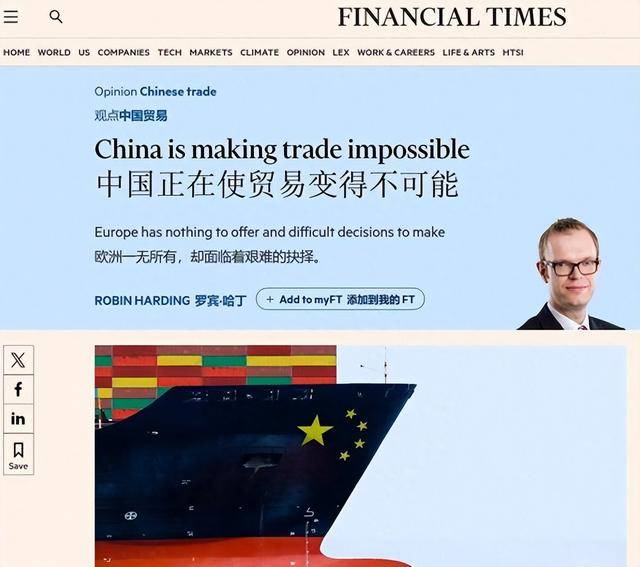
欧媒:中国什么都不想买,什么都想自己造,欧洲快被逼得没活路了
Sou Hu Cai Jing· 2025-11-29 07:36
Core Insights - The essence of trade is questioned, focusing on what China truly desires to import from the world in the foreseeable future [1][3] - The dialogue reveals the underlying tensions in global trade, particularly regarding the distribution of benefits [3][4] - China's shift towards self-sufficiency is driven by a strategic need to reduce dependency on external supply chains, especially in light of geopolitical tensions [10][12] Group 1: China's Economic Strategy - China is moving away from being a mere consumer to becoming a developer within the global supply chain [12] - The country aims for comprehensive self-sufficiency across industries, driven by a sense of insecurity regarding external dependencies [10][12] - This shift is expected to have significant repercussions on European economies, particularly Germany, which may see a 0.3 percentage point reduction in growth due to China's domestic substitution efforts [14] Group 2: European Response and Challenges - Europe faces a dilemma: either reform its foundational production chains or resort to trade protectionism [20][22] - The "difficult option" involves deep reforms to adapt to China's competitive manufacturing landscape, which is politically challenging for European societies accustomed to high welfare [22][24] - The "bad option" of protectionism could lead to a breakdown in global trade relations, as both sides may resort to tariffs and sanctions [26][30] Group 3: Diverging Development Paths - The current situation highlights a historical divergence in development paths between China and Europe, with China prioritizing manufacturing and technology over consumerism [30][32] - China's focus on enhancing technological independence and industrial security is deemed more critical than increasing imports from Europe [32][34] - The inability of Europe to adapt to this new competitive landscape may lead to a closed-off and confrontational approach, reflecting the collapse of the old global division of labor [34]

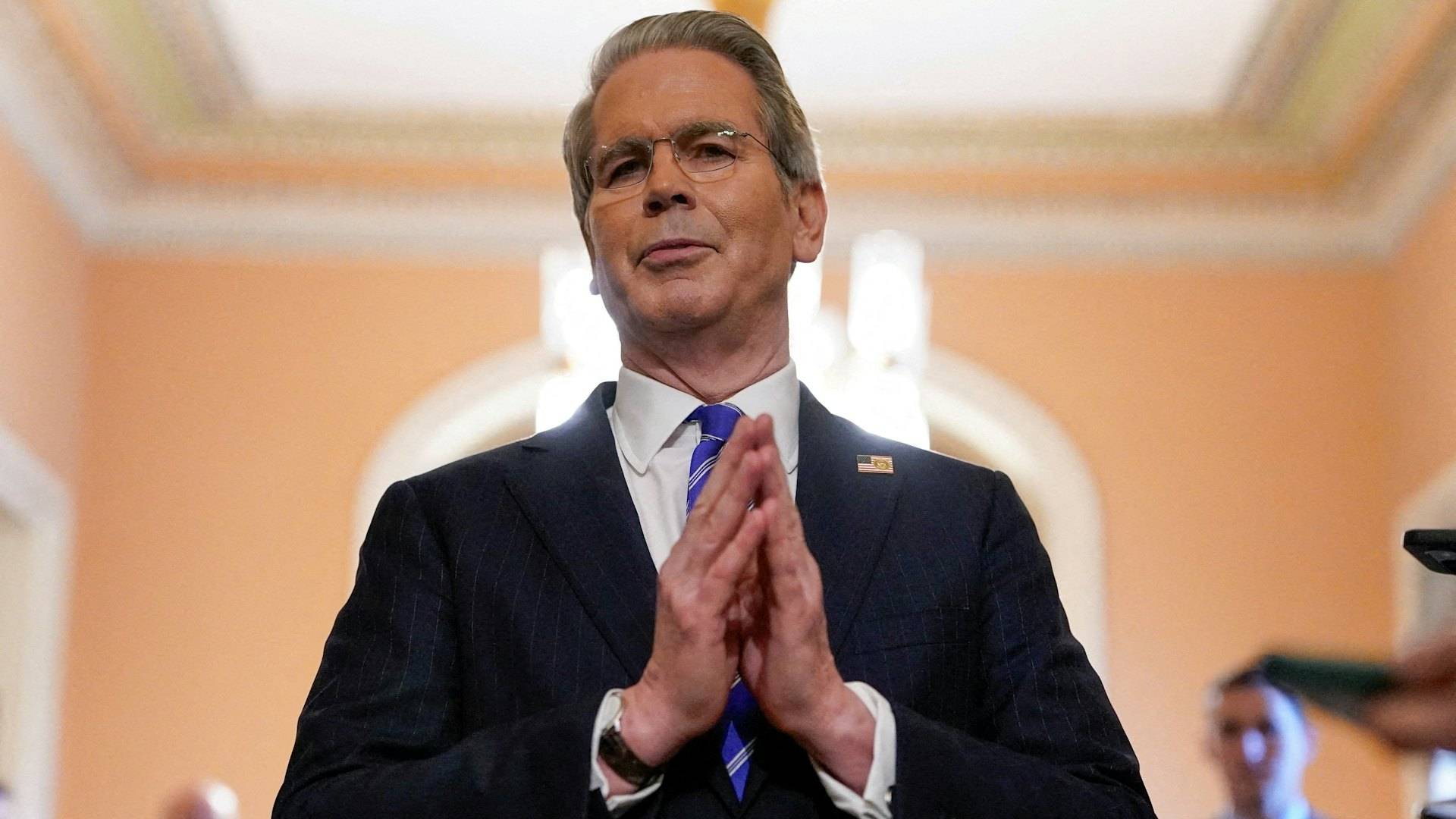
发动关税战,美国赢麻了?美财长:每年关税收入会超过5000亿美元
Sou Hu Cai Jing· 2025-08-28 06:46
Group 1 - The core viewpoint of the articles indicates that the U.S. has initiated a tariff war against its trade partners, presenting it as a measure of "reciprocal tariffs," which is misleading as the tariffs are unilaterally imposed without considering specific products or industries [1][3] - The U.S. government is optimistic about the potential increase in tariff revenue, with Treasury Secretary Bessent claiming annual tariff income could exceed $500 billion, reflecting a significant rise in customs revenue in July and August [3][6] - The tariff war is perceived as a double-edged sword, potentially boosting short-term fiscal revenue while risking long-term damage to global supply chains and consumer interests in the U.S. [1][3] Group 2 - The U.S. has been conflating tariffs with regular taxes, misleading consumers into believing that the burden of tariffs falls on foreign sellers, while in reality, importers bear the cost, leading to higher prices for American consumers [4][6] - Trade partners such as Japan, South Korea, and the EU have committed to increasing investments in the U.S. as a response to the tariff war, with notable orders for large products like aircraft, indicating a complex interplay between tariffs and international trade relations [6][7] - The increase in tariff revenue is primarily attributed to strong domestic consumption and the transfer of import costs to consumers, rather than direct financial contributions from foreign countries, suggesting that the proclaimed successes of the tariff war may be overstated [7]