
天算星座

Search documents
中国已错过“星链”,不可再错过太空算力
虎嗅APP· 2026-02-11 13:59
Core Viewpoint - The article discusses the emerging competition in space computing, particularly focusing on the integration of AI and satellite technology, highlighting the strategic importance of energy supply and system architecture in the development of space-based computing capabilities [4][10][12]. Group 1: Space Computing and AI Integration - Elon Musk's push for SpaceX to acquire xAI and the application for deploying 1 million low-Earth orbit satellites indicates a significant shift towards establishing a new framework for space computing [4][5]. - The concept of "space computing" is not merely about chip performance but fundamentally revolves around energy supply, system structure, and long-term cost considerations [10][12]. Group 2: Energy Supply and Structural Advantages - China is projected to have its electricity consumption exceed 10 trillion kilowatt-hours by 2025, establishing a robust energy supply system that supports high-intensity computing loads [11]. - The energy structure in China is diversifying, with solar power expected to surpass coal power by 2026, indicating a shift towards a more flexible and multi-source energy system [11]. Group 3: Challenges in Space Computing - The primary challenges in space computing include heat dissipation and data throughput, which cannot be solved solely by improving chip performance [16][18]. - In space, heat must be dissipated through radiation, which imposes significant engineering constraints on the design of computing systems [17]. Group 4: Demand for Space Computing - The rapid expansion of satellite constellations necessitates on-orbit computing capabilities to manage complex systems autonomously, as traditional ground-based processing may not suffice [28]. - The increasing volume of raw data from space missions requires on-orbit processing to alleviate communication bottlenecks, making space computing essential for efficient data management [29]. Group 5: Strategic Importance of "Sky Computing" - The urgency for "sky computing" arises from the need for autonomous systems that can operate with minimal human intervention, particularly in remote environments like space [30]. - Major companies like NVIDIA and Amazon are entering the "sky computing" arena, indicating a significant shift in the industry towards leveraging space for advanced computing capabilities [32]. Conclusion - The year 2026 is poised to be pivotal for China's space endeavors, as it seeks to catch up with established frameworks like SpaceX's Starlink while also exploring its own "sky computing" initiatives [34][35].

中国已错过“星链”,不可再错过太空算力
Guan Cha Zhe Wang· 2026-02-11 00:25
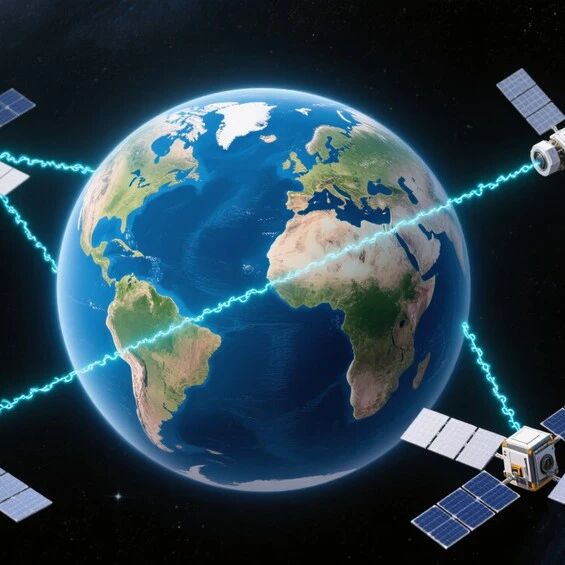
Core Viewpoint - The new space race has begun, driven by Elon Musk's push for SpaceX to acquire xAI and the application for deploying a low-Earth orbit satellite network of up to 1 million satellites, indicating a strategic positioning for future computational needs in space [1][2]. Group 1: Space Computing and Energy - The core issue of space computing is energy supply, as any computational facility ultimately relies on a stable power source [6]. - China is projected to have its electricity consumption exceed 10 trillion kilowatt-hours by 2025, establishing a robust energy supply system that supports high-intensity power loads [6][7]. - In contrast, the U.S. faces tighter constraints on energy supply, with its aging power grid struggling to meet the increasing demands of AI training and inference [8][10]. Group 2: Challenges of Space Computing - The challenges of space computing include heat dissipation and data throughput, which cannot be solved solely by improving chip performance [11][12]. - In space, heat must be released through radiation, creating engineering constraints that require larger heat dissipation systems [11][12]. - The need for a robust communication system is critical, as traditional satellite architectures may not support the high-frequency interactive tasks required for space computing [13][14]. Group 3: The Need for "Sky Computing" - The urgency for "sky computing" arises from the rapid explosion of computational demands that are beginning to exceed terrestrial capabilities [18][19]. - Complex systems in large satellite constellations require rapid decision-making capabilities that terrestrial systems cannot provide, necessitating computational power in orbit [19][20]. - The evolution of autonomous systems in space, such as space mining and robotic labor, further emphasizes the need for embedded computational capabilities in space [21][22]. Group 4: Strategic Implications - The development of "sky computing" is not merely a response to immediate needs but represents a strategic opportunity for countries to define the future of space computing [2][26]. - The year 2026 is poised to be significant for China's space ambitions, as it seeks to catch up while also positioning itself for future advancements in space technology [25][26]. - Major companies like NVIDIA, Amazon, and Blue Origin are entering the "sky computing" arena, indicating a competitive landscape that could redefine space capabilities [24][26].
烟台市人大代表郝曙光:引北大清华活水,深化校地合作赋能发展
Qi Lu Wan Bao· 2026-01-21 14:00
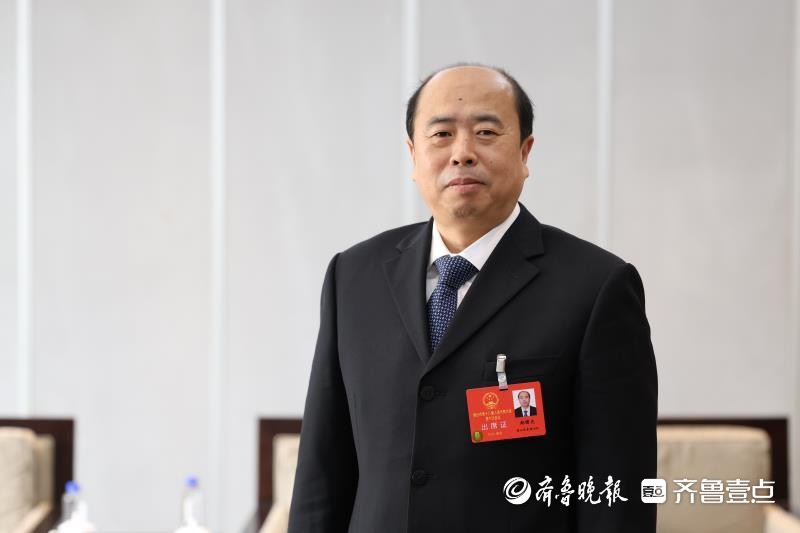
Core Viewpoint - The government of Yantai has emphasized the importance of strengthening technological leadership and accelerating the construction of a high-level innovative city, alongside deepening the integration of education and industry, and enhancing cooperation between Yantai University and top institutions like Peking University and Tsinghua University [1][3]. Group 1: Achievements and Current Status - Yantai University has seen significant technology transfer success, with over 90 million yuan in technology transaction revenue expected in 2024 [3]. - The university has dispatched 109 technology specialists to various enterprises, with 22.4% of students choosing to stay in Yantai for employment or further studies [3]. - Notable achievements include a domestic market share of over 95% for the university's "carbon four separation technology" and participation in the launch of the "Tiansuan Constellation" satellite [3]. Group 2: Challenges and Bottlenecks - There is a mismatch between educational supply and industrial demand, particularly in emerging fields like green chemicals and renewable energy, which require interdisciplinary talent [4]. - The integration of technological innovation and industrial upgrading is insufficient, with existing research platforms not fully utilized [5]. - The talent mobility and resource-sharing mechanisms are not well-established, leading to challenges in attracting high-end talent [5]. - The collaboration between academia and local government lacks a robust policy framework and communication channels [5][6]. Group 3: Recommendations for Improvement - A proposed annual forum, "Peking University, Tsinghua University, and Yantai Cooperation Development Forum," aims to enhance collaboration and address local development needs [7]. - The establishment of specialized industry colleges in collaboration with Peking University and Tsinghua University is suggested to align educational programs with local industrial demands [7]. - The creation of a high-end innovation platform to tackle key technological challenges and the establishment of a four-party collaboration system for technology transfer are recommended [8]. - A talent-sharing initiative is proposed to attract top talent in green technology and marine science, along with a mutual hiring mechanism for faculty [8]. Group 4: Vision for the Future - Yantai University aims to deepen its collaboration with Peking University and Tsinghua University to contribute to the city's development as a model for green, low-carbon, and high-quality growth [9]. - The ongoing partnership, which began 40 years ago, is expected to enhance Yantai's intellectual advantages in regional competition [9].
“天算星座”二期正式启动
Ke Ji Ri Bao· 2025-05-18 23:26
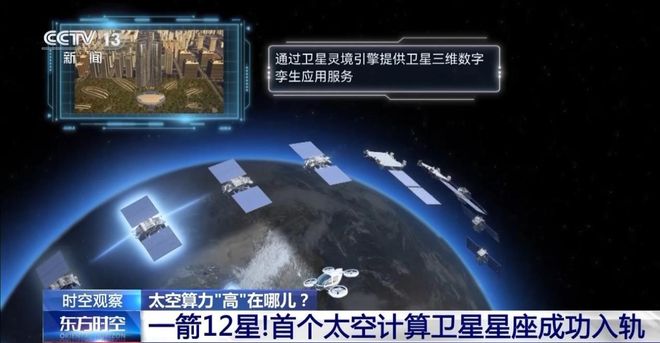
Core Insights - The successful launch of the "Zhuque-2" rocket on May 17 marks the initiation of the second phase of the "Tiansuan Constellation" project, with the "Beiyou-2" and "Beiyou-3" satellites entering their designated orbits [1] Group 1: Project Overview - The "Tiansuan Constellation" is an open-source space computing experimental platform, with the second phase planning to launch a total of 24 satellites focusing on advanced fields such as space computing, 6G networks, and intelligent remote sensing [1] - The first batch of satellites in this phase, "Beiyou-2" and "Beiyou-3," were developed by Beijing University of Posts and Telecommunications in collaboration with Changsha Tianyi Research Institute [1] Group 2: Technological Innovations - The development team overcame key technological challenges related to the reliability of space servers, real-time capabilities of hyperspectral cameras, and the stability of laser communication systems in orbit [2] - Significant technological breakthroughs have enabled the satellites to possess deep payload integration and dynamic optimization capabilities, addressing issues such as unreliable computational supply, poor timeliness of remote sensing data, and limited communication bandwidth [2] Group 3: Future Developments - Following the launch, the satellites will conduct a series of frontier technology experiments in satellite internet, including inter-satellite high-capacity laser communication and dynamic tuning of satellite laser communication payload rates [2]