6G网络

Search documents
老黄太疯狂,英伟达要把AI算力送上天,连马斯克都坐不住了
3 6 Ke· 2026-03-24 00:27
Core Insights - NVIDIA is accelerating its "Space AI" initiative, aiming to deploy AI capabilities in space, with the Thor chip already certified for radiation resistance and the development of the NVIDIA Space-1 Vera Rubin space computer underway [1][5][7] Group 1: NVIDIA's Space AI Initiative - NVIDIA's CEO Jensen Huang announced the launch of multiple AI chips and systems at the GTC conference, including plans for AI in space [1] - The Thor chip, designed for high-performance computing, is being adapted for space applications, having passed radiation tests [5][7] - The Starcloud-1 satellite, equipped with NVIDIA's H100 GPU, successfully demonstrated the operation of a large model in space, boosting NVIDIA's confidence in its Space AI plans [3][5] Group 2: Advantages and Challenges of Space AI - Space AI can utilize continuous solar energy due to the lack of atmospheric interference, allowing for uninterrupted power supply [8][10] - Thermal management in space is more efficient due to the extreme cold of space, although challenges remain regarding heat dissipation methods [10][11] - The maintenance of space equipment is nearly impossible, necessitating high redundancy in design, which increases costs [11] Group 3: Potential Applications of Space AI - AI in space could transform satellite functions from merely transmitting data to processing and sending conclusions back to Earth, enhancing communication efficiency [14] - The integration of AI capabilities in satellites could lead to autonomous operations, such as avoiding space debris and conducting deep space exploration without Earth commands [25][27] Group 4: Competitive Landscape in Space AI - Other companies, including SpaceX and Google, are also pursuing space AI initiatives, with SpaceX planning a constellation of satellites for data processing [15][17] - Domestic companies like Zhiqi are entering the space AI sector, with plans to launch their own satellite-based computing systems [20][22] - The competition in space AI is characterized by different strategic goals, with NVIDIA focusing on chip sales, while others aim to build comprehensive AI ecosystems [22] Group 5: Future Implications of Space AI - Space AI could alleviate the increasing energy demands of AI technologies by harnessing solar power, potentially paving the way for sustainable AGI development [24] - The deployment of AI-equipped satellites may revolutionize satellite communication, contributing to the development of a unified 6G network that integrates terrestrial and space-based systems [25][27]



中国银河证券:上游锗供给紧俏 光棒价格有望上行
智通财经网· 2026-03-05 05:55
Core Viewpoint - The tightening of export controls on germanium and the ongoing supply shortage of upstream materials are expected to support the steady rise in optical fiber prices, driven by increased demand from AI infrastructure development, which may enhance the overall industry outlook [1][4]. Group 1: Supply Constraints - The export control on germanium, a critical dopant for optical fiber preform, is leading to a tightening supply in the upstream market [2][3]. - The global proven reserves of germanium are approximately 8,600 tons, with the United States holding 45% and China 41% of these reserves [1][2]. - The production cycle for optical preforms is lengthy, typically taking 1.5 to 2 years to reach stable mass production, contributing to the ongoing supply gap [3]. Group 2: Price Trends - The optical preform constitutes about 70% of the cost of optical fibers, and the rising costs of upstream materials, including germanium, are expected to further support price increases [3]. - The inability of optical preform production capacity to quickly respond to demand is leading to a persistent supply gap, reinforcing the upward price trend [3]. Group 3: Demand Growth - The optical fiber industry is entering a growth phase, driven by surging demand from AI data centers and international markets, particularly for specialized optical fibers [4]. - According to CRU reports, global demand for optical fibers and cables is projected to grow by 4.1% year-on-year by 2025, with data center demand expected to increase by 75.9% [4]. - Chinese optical fiber manufacturers are expanding their international presence, securing contracts in regions such as the Middle East, Latin America, and Europe, which enhances their competitive position [4].


韩国半导体出口暴涨,苹果或由谷歌托管Siri | 财经日日评
吴晓波频道· 2026-03-04 00:31
Group 1: Semiconductor Industry - In February, South Korea's semiconductor exports surged by 160.8% year-on-year, reaching $25.16 billion, marking a record high for a single month and exceeding $20 billion for three consecutive months [2] - The overall export value of South Korea increased by 29% year-on-year to $67.45 billion, the highest for the same month in history, with a daily average export value rising by 49.3% to $3.55 billion [2][3] - The automotive sector, once a pillar of South Korea's exports, saw a decline in exports by 20.8% and 22.4% for vehicles and auto parts, respectively [2] Group 2: AI and Technology Developments - Nvidia is collaborating with major telecom companies to build a 6G network, aiming to redefine telecommunications with AI-native platforms [8] - The company has introduced a large telecom model (LTM) and aims for telecom networks to self-manage and operate like intelligent machines [8] - Apple is reportedly seeking to host the next version of Siri on Google Cloud, indicating a deepening partnership in AI, as Apple has previously relied on Google for online storage and AI model training [4][5] Group 3: Company Financial Performance - MinMax reported a revenue of $79.038 million for the fiscal year ending December 31, 2025, reflecting a year-on-year growth of 158.9%, with gross profit increasing by 437.2% to $20.08 million [6] - The company’s adjusted net loss for 2025 was $250 million, a slight increase of 2.7% compared to the previous year [6][7] - MinMax's revenue from outside mainland China accounted for 73% of total revenue, serving over 236 million users globally [6] Group 4: Market Trends and Investor Behavior - In February, new A-share accounts decreased by 11% year-on-year, totaling 2.52 million, and down 49% from January [14] - Despite the decline in new accounts, the A-share market maintained high trading volumes, with daily average trading exceeding 1.8 trillion yuan [14][15] - The influx of new retail investors has increased market activity, leading to structural changes in market dynamics and heightened valuations in popular sectors [15]



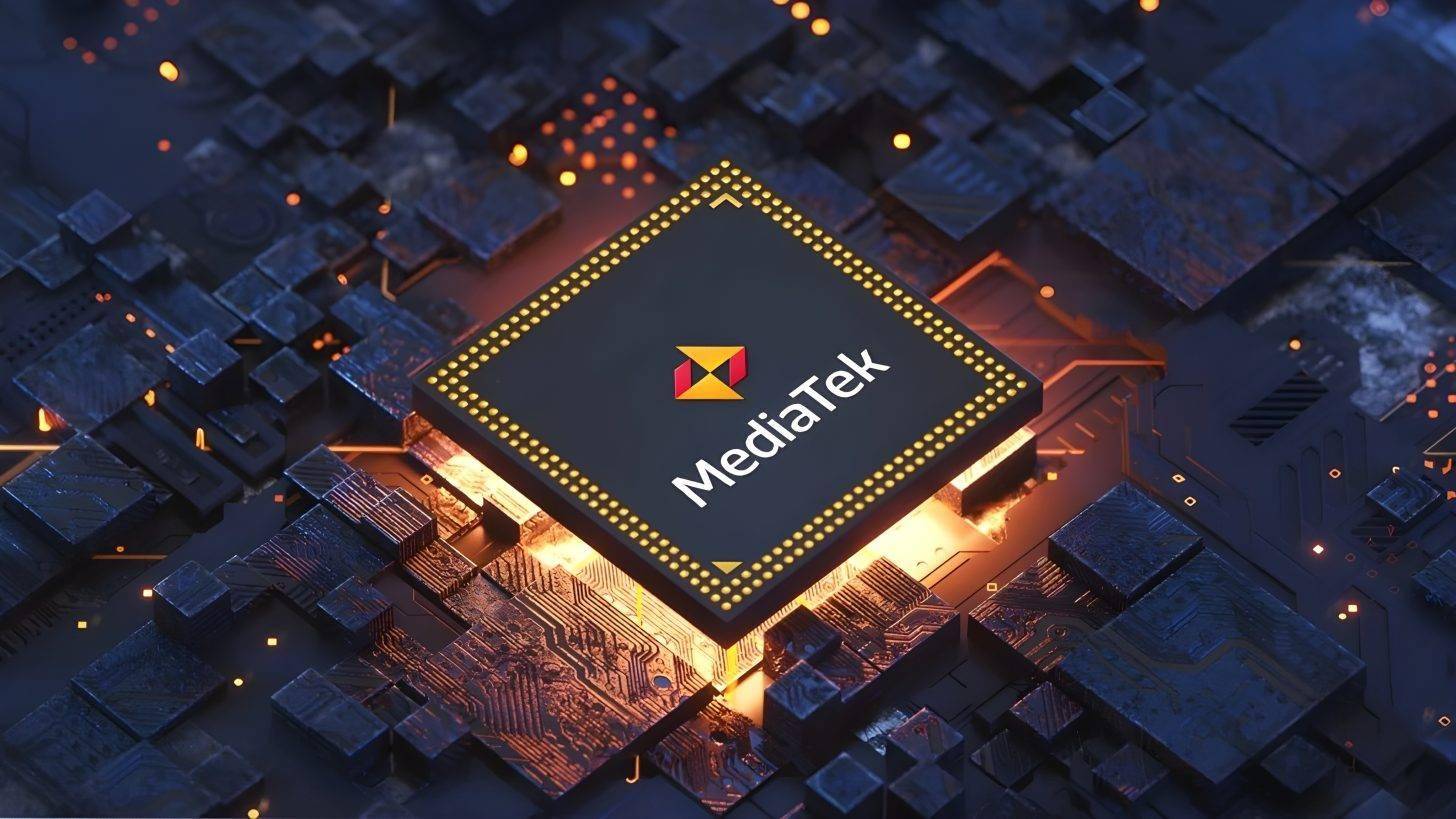
联发科豪掷约9000万美元入股Ayar Labs,锁定6G网络红利
Sou Hu Cai Jing· 2026-02-28 03:28
Core Insights - Media reports indicate that MediaTek is entering the silicon photonics technology sector by investing approximately $90 million in the startup Ayar Labs, acquiring about 2.4% of the company’s shares [1][2] Group 1: Investment Details - MediaTek, through its subsidiary Digimoc Holdings Limited, invested around $90 million (approximately 618 million RMB) in Ayar Labs, gaining 1.72 million shares of special stock [1] - This investment positions MediaTek alongside other major players like NVIDIA, Intel, and AMD, who have previously invested in Ayar Labs, indicating MediaTek's intent to secure a foothold in the next-generation chip manufacturing landscape [1] Group 2: Technology Overview - Silicon photonics technology integrates optical functions such as generation, modulation, and detection directly with traditional electronic circuits on a silicon substrate, utilizing waveguides to guide infrared light for constructing photonic circuits [1] - The technology promises higher bandwidth, lower latency, and significantly reduced energy consumption in data packet transmission due to the superior speed of light signals compared to electrical signals [1] Group 3: Impact on Industry - Ayar Labs focuses on developing optical I/O solutions aimed at replacing traditional copper-based electrical interconnects between computer chips, which could significantly impact AI data centers and MediaTek's core mobile application processor business [2] - The deployment of optical links can reduce I/O power consumption by up to 80%, unlocking higher data throughput for edge AI and the upcoming 6G cellular networks [2] - Silicon photonics technology can also be applied in co-packaged optics (CPO), integrating optical engines directly within SoC packages to shorten electrical routing and reduce latency and heat generation [2]
AI算力需求驱动光纤行业步入景气周期
Zheng Quan Ri Bao· 2026-02-27 16:28
Group 1 - The fiber optic market is experiencing significant price increases, with G.652.D single-mode fiber prices rising from 18 yuan/km to a peak of about 50 yuan/km due to increased demand from data centers [1] - The growth in demand for fiber optics is driven by AI model training, intelligent computing center construction, and data center interconnect (DCI), marking a shift from traditional telecom network demands [1][2] - The supply side faces rigid constraints, as the expansion cycle for fiber preform rods takes 1.5 to 2 years, leading to a supply-demand imbalance in the market [1] Group 2 - Compared to traditional data centers, intelligent computing centers require significantly more fiber, with a typical GPU cluster needing tens of thousands of fiber kilometers for internal connections [2] - The demand for fiber optics in AI-driven data centers and DCI is expected to increase from less than 5% in 2024 to 35% by 2027 [2] - China's fiber optic shipments are projected to account for 56.3% of global shipments by 2025, with a year-on-year growth of 7.5% [2] Group 3 - Companies are advised to view the price increases rationally, as different product models have varying prices, and telecom operators primarily determine prices through centralized procurement [3] - The overall outlook for the fiber optic industry remains positive, with expectations of a new demand upcycle driven by the growth of data center interconnect needs [3]
ST创意(300366.SZ):参股公司创智联恒有部分技术与产品具备与6G网络相关应用场景的适配潜力
Ge Long Hui· 2026-02-04 04:02
Group 1 - The core viewpoint of the article is that ST Chuangyi (300366.SZ) has indicated through its investor interaction platform that its associate company, Chuangzhi Lianheng, possesses certain technologies and products that have the potential to adapt to applications related to 6G networks [1]

【川股每日董秘问答】涉泸州老窖、四川双马、中密控股、金石亚药、厚普股份等公司
Xin Lang Cai Jing· 2026-01-28 10:12
Group 1: Company Performance and Revenue - Luzhou Laojiao's overseas revenue is approximately 186 million yuan, accounting for 0.60% of total revenue [1][14] - Sichuan Shuangma focuses on biomedicine and has established a portfolio of innovative drugs in various disease areas, with a strong global supply capability for peptide raw materials [2][15] - Sichuan Shuangma's peptide products are exported to countries including the USA, Brazil, India, and Spain, with a significant presence in the chronic disease treatment market [2][15] Group 2: Product Applications and Market Expansion - Sichuan Shuangma produces over a hundred types of beauty peptides, collaborating with leading global cosmetic brands to enhance product innovation [3][16] - Zhongmi Holdings has applied its high-speed mechanical seals in commercial aerospace, although this segment's revenue is relatively low compared to its traditional petrochemical market [4][17] - Zhongmi Holdings is monitoring the demand for sealing products in the large aircraft sector but has not identified significant market needs yet [5][18] Group 3: Technological Development and Future Prospects - Jinshi Yaya's vacuum coating technology is not currently applied in space photovoltaic equipment but the company is exploring potential collaborations in other fields [6][19] - Houpu Co. has experience in distributed energy projects in both natural gas and hydrogen applications [7][20] - Zhimin Da is developing a high-radiation-resistant computing platform for space applications, although this technology is still in the research phase [8][21] Group 4: Market Strategy and Competitive Position - Sichuan Jiuzhou has successfully entered the overseas market with its Wi-Fi routers, while focusing on domestic sales for its camera products [12][25] - Jiuzhou's subsidiary is actively pursuing opportunities in the low-altitude economy, with significant progress in technology and product development [12][25] - Kexin Mechanical and Electrical is concentrating on high-end process equipment in energy and chemical sectors, while exploring new growth points in intelligent manufacturing [10][24]


中兴通讯逆市涨超4% 公司已开展NTN技术试验并取得突破 提供全面卫星载荷产品
Zhi Tong Cai Jing· 2026-01-08 02:37
Group 1 - ZTE Corporation (000063) saw a stock increase of over 4%, currently trading at 29.2 HKD with a transaction volume of 370 million HKD [1] - The company stated on its interactive platform that there is a trend of integration between communication technology in the commercial aerospace sector and terrestrial communication networks, positioning itself as a global leader in communication technology [1] - ZTE has collaborated with domestic operators and satellite companies to conduct multiple NTN technology trials, achieving breakthroughs in the process [1] Group 2 - ZTE aims to leverage its leading advantages in communication industry standardization, core technology, and product specifications to provide comprehensive satellite payload products, helping partners build core competitiveness [1] - Huaxi Securities (002926) released a report indicating that satellite networks serve as the foundation for 6G network construction, aligning with current 6G standards and timelines [1] - Since August, relevant authorities have announced plans to issue satellite internet licenses, marking a significant step towards commercial operation of satellite internet in China, which is expected to accelerate the entire industry chain towards scaling [1]

卫星互联网蓬勃发展-化工机会何在
2026-01-04 15:35
Summary of Key Points from the Conference Call Industry Overview - The conference call discusses the burgeoning development of satellite internet and its implications for the chemical materials industry, particularly in the context of low Earth orbit (LEO) satellite communications [2][3][4]. Core Insights and Arguments - **Importance of Satellite Internet**: Satellite internet is expected to play a crucial role in future communications, providing extensive coverage and flexibility, especially in disaster recovery scenarios. It serves as a vital supplement to traditional 5G and 6G ground stations [3][4]. - **Strategic Significance**: The strategic importance of LEO satellite communications is highlighted, particularly in emergency communications and national security, as evidenced during events like the Russia-Ukraine conflict [4]. - **Market Growth Potential**: The deployment of a large number of LEO satellites is projected to significantly enhance broadband signal speeds, which is essential for the development of 6G networks, smart cities, and autonomous driving applications [4][9]. - **Global Satellite Launch Plans**: By the end of 2025, over 12,000 LEO satellites are expected to be in orbit globally, with SpaceX being a major contributor, having launched over 9,000 satellites. Other countries are also actively pursuing satellite launch plans [5][9]. Material Demand in Satellite and Rocket Manufacturing - **Chemical Material Requirements**: The manufacturing of satellites and rockets necessitates a variety of chemical materials, including structural materials (carbon fiber composites, titanium alloys, high-temperature alloys), functional materials (thermal insulation composites), and power materials (solar cells) [5][6]. - **Ceramic Shells**: Ceramic shells are critical components in satellite TR (transmit-receive) modules, providing essential signal processing functions. The cost of these components can be substantial, with TR components potentially costing millions [7][8]. Competitive Landscape - **Key Players in Ceramic Shells**: National Materials Company is identified as a leading supplier in the ceramic shell market, with significant growth potential if it maintains a market share of over 50% amid increasing satellite launches [8][9]. - **Other Notable Companies**: Dynamic Technology holds over 50% market share in dual-chip technology, while Longbai Group is the largest producer of sponge titanium in China. Zhenhua Co. is recognized as a key supplier of high-temperature alloys for rocket launches [8][9]. Future Trends - **Material Demand Surge**: The upcoming years will see a surge in demand for various materials, including carbon fiber and ceramic tubes, driven by extensive satellite launch initiatives like Starlink and domestic projects such as GW and G60 [9]. - **Market Growth Certainty**: The overall market for chemical and material industries is expected to experience significant growth, with core suppliers like National Materials poised to benefit substantially from this trend [9].
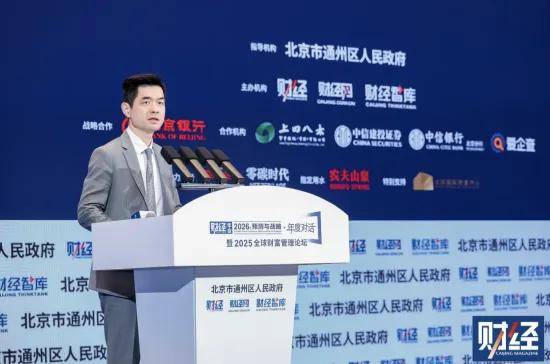
摩根士丹利中国首席经济学家邢自强:可优先选择一些大城市进行贴息,为购房人减负
Sou Hu Cai Jing· 2025-12-21 19:12
Group 1: Economic Outlook and Technological Advancements - The theme of the conference is "China's Determination in Changing Circumstances," focusing on predictions and strategies for the future [1] - Morgan Stanley's Chief Economist for China, Xing Zhiqiang, expresses confidence in China's technological self-reliance, particularly in sectors like electric vehicles and green transformation, highlighting China's first-mover advantage [1][3] - The Chinese automotive industry has become a global leader, showcasing the effectiveness of China's industrial cluster capabilities [3] Group 2: AI Development and Competitive Landscape - Xing Zhiqiang emphasizes confidence in China's AI sector, noting that despite some shortcomings in GPU computing power, China can leverage its data advantages and talent pool to improve algorithms [2][6] - China produces approximately half of the world's AI talent, with 5 million engineering graduates annually, surpassing the combined total of the US, Europe, and Japan [5] - The efficiency of China's AI models is comparable to those of the US, despite China investing only about 1/10 of the amount the US does in AI infrastructure [7][8] Group 3: Real Estate Market Strategies - To stabilize the real estate market, Xing Zhiqiang suggests implementing inventory reduction policies in first- and second-tier cities, particularly those with population inflows and stable rental yields [2][11] - Proposed measures include interest subsidies for homebuyers, potentially reducing the burden on consumers and aligning rental yields with mortgage rates [11] - The importance of real estate in breaking the low-price cycle is highlighted, drawing parallels to Japan's experience in the 1990s [10] Group 4: Consumer Spending and Social Security - Long-term consumer spending growth requires reforms in the social security system to alleviate concerns for residents, particularly for low- and middle-income groups [12] - Strengthening social security and ensuring equitable distribution are essential for releasing consumer potential [12] - The need for policies that support housing, education, and healthcare access is emphasized to enhance consumer confidence and spending [12]