
套期保值工具

Search documents
人民银行上海总部:鼓励企业通过各项套期保值工具规避汇率波动风险
Bei Jing Shang Bao· 2026-02-03 08:56
Core Viewpoint - The People's Bank of China (PBOC) Shanghai Headquarters emphasizes the importance of implementing monetary policy requirements and enhancing market interest rate pricing capabilities [1] Group 1: Monetary Policy Implementation - The meeting highlighted the need to strictly execute various interest rate policies and self-discipline requirements [1] - The PBOC encourages the effective use of optimized structural monetary policy tools, including Shanghai-specific instruments like "Hu Ke Special Loan," "Hu Ke Special Discount," and "Cross-Border Refinance" [1] Group 2: Risk Management - There is a focus on promoting the concept of neutral exchange rate risk and encouraging enterprises to utilize hedging tools to mitigate exchange rate fluctuation risks [1]
金融护航外贸企业高质量发展大会在肇庆举办
Nan Fang Du Shi Bao· 2025-11-18 03:56
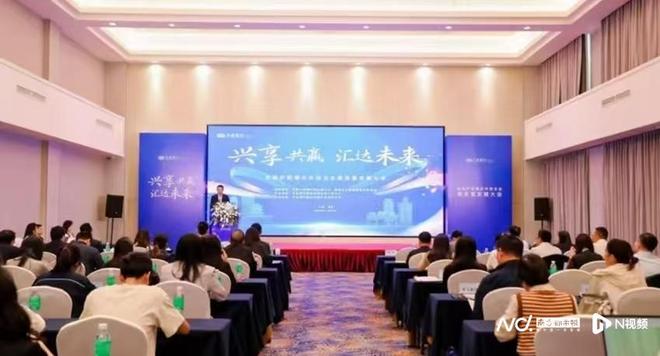
Group 1 - The conference "Xingxiang Gongying · Huida Weilai" focused on supporting the high-quality development of foreign trade enterprises, organized by Industrial Bank's Guangzhou branch, with participation from over 50 large and small export enterprises [1][3] - Key themes of the conference included overseas macroeconomic and exchange rate outlook, enterprise exchange rate risk management systems, and cross-border financial service solutions [3] - Experts from Industrial Bank provided in-depth analysis of exchange rate fluctuations and promoted the application of hedging tools, aiming to guide enterprises in establishing a neutral approach to exchange rate risks [3] Group 2 - Feedback from participating enterprise representatives indicated that the conference content was detailed and practical, effectively supporting the enhancement of cross-border capital management capabilities [3] - Industrial Bank's Guangzhou branch plans to continue integrating resources through an "online + offline, integrated currency" service model to support the high-quality development of foreign trade enterprises [3] - The bank aims to contribute to the construction of a new high-level open pattern in Guangdong through its financial services [3]


中企加速布局泰国市场 金融机构护航“走出去”
Zhong Guo Jing Ying Bao· 2025-10-25 02:57
Core Insights - Thailand has become a significant destination for Chinese enterprises expanding overseas, with continuous growth in China's exports to Thailand and increasing market share of Chinese goods in Thailand's import market [1] - Chinese investments in Thailand have reached new highs, particularly in sectors such as automotive manufacturing, electronic components, and rubber processing [1] - The Thai government promotes a business-friendly environment, making it an attractive opportunity for Chinese companies, especially in automotive manufacturing, digital economy, and clean energy [1] Group 1: Investment Trends - There is a rising trend of Chinese companies investing in Thailand, exemplified by Haier New Energy organizing a delegation to explore business opportunities and projects in the country [2] - Chinese banks, such as Bank of China and Industrial and Commercial Bank of China (ICBC), are providing comprehensive financial services to support Chinese enterprises in Thailand, including cross-border financial services and investment information [2] Group 2: Financial Cooperation - A multi-layered coordination framework for financial cooperation has been established between China and ASEAN, with initiatives like the Chiang Mai Initiative Multilateralization (CMIM) and the Belt and Road Initiative (BRI) facilitating large-scale infrastructure financing [3] - The Regional Comprehensive Economic Partnership (RCEP) has created unified rules for cross-border financial transactions, enhancing regional financial integration [3] Group 3: Challenges Faced - Despite the opportunities, Chinese enterprises face challenges in cross-border fund management and foreign exchange risks when entering the Thai market [4] - Large enterprises encounter complex registration processes and high banking fees, while small and medium-sized enterprises (SMEs) struggle with foreign exchange regulations and cash flow management [4][5] Group 4: Foreign Exchange Risk Management - Effective foreign exchange risk management is crucial for Chinese enterprises in Thailand, with large enterprises employing diverse strategies, yet many still lack formal hedging practices [5] - SMEs have limited access to foreign exchange risk management tools, making them vulnerable to currency fluctuations [5] Group 5: Recommendations for Enterprises - Chinese enterprises are advised to integrate into the local market, adapt culturally, enhance their corporate image, and comply with local laws [6] - Emphasis is placed on the importance of collaboration with local SMEs and optimizing financing strategies [6] Group 6: Role of Financial Institutions - Financial institutions are encouraged to build comprehensive service systems for enterprises going abroad, with large banks collaborating with local banks to enhance service capabilities [7] - Domestic banks should strengthen partnerships with overseas banks to better serve diverse needs of outbound enterprises [7]
金融服务企业出海挑战与机遇共存
Zhong Guo Jing Ji Wang· 2025-10-23 09:12
Core Insights - The acceleration of Chinese enterprises' overseas expansion is significantly influenced by multiple factors, including changes in the global economy and geopolitical landscape, as well as the strategic value of the ASEAN market [1] Group 1: Opportunities and Challenges - The report highlights that foreign exchange risk management has become a critical financial need for Chinese enterprises in Thailand, with large enterprises employing diverse methods while many still lack formal hedging strategies [2] - Small and medium-sized enterprises (SMEs) face significant challenges in foreign exchange management, primarily due to high costs of hedging tools, limited access to complex financial products, and insufficient financial literacy [2] - The study emphasizes the need for financial institutions to create simplified and low-cost hedging tools, packaged financial products, and digital foreign exchange platforms to support the resilience and competitiveness of SMEs [2] Group 2: Support Ecosystem - There is a call for strengthening the overseas support ecosystem for Chinese enterprises, encouraging collaboration among trade promotion agencies, law firms, and accounting firms to facilitate overseas business expansion [3] - Simplifying and digitizing the overseas investment process is essential, with a proposal to establish a unified digital platform to integrate approval and filing requirements, thereby improving efficiency and predictability for small-scale projects [3]