好记星

Search documents
25岁亿万富翁:好韭菜,大师割
Sou Hu Cai Jing· 2025-12-25 04:32
Core Insights - The article highlights the entrepreneurial journey of Du Guoying, who became China's youngest billionaire at 25 through innovative marketing strategies and product development, starting with the "Beibeijia" posture corrector [2][17]. Group 1: Entrepreneurial Journey - Du Guoying purchased a patent for a posture corrector for 5,000 yuan, leading to the creation of "Beibeijia," which generated 4.5 billion yuan in sales within a year [2][16]. - After experiencing significant financial setbacks, including a debt of 46 million yuan, Du Guoying managed to recover and launch successful products like "Haojixing" and "Eren Eben" [19][33]. - His marketing approach often involved aggressive advertising and targeting consumer pain points, which led to rapid sales growth and market dominance [27][30]. Group 2: Marketing Strategies - Du Guoying's marketing tactics included high-profile endorsements and memorable slogans, such as "No need to memorize, learn English easily" for "Haojixing," which resonated with parents [27][30]. - The launch of "Eren Eben" capitalized on the market gap created by the iPad, achieving over 10 billion yuan in sales within three years [36][38]. - The "8848 Titanium Phone" was marketed as a luxury item, selling 40,000 units at prices significantly higher than competitors, emphasizing identity and status [40]. Group 3: Recent Developments - Du Guoying's latest venture, "Xiaoguan Tea," has seen substantial advertising investments, totaling approximately 270 million yuan over three years, targeting high-end consumers [44]. - Despite facing criticism and controversy regarding marketing claims, Du Guoying remains a prominent figure in the industry, adapting his strategies to current market trends [41][44]. - His shift towards long-term business strategies reflects a change in perspective, moving away from short-term gains to sustainable growth [41].


土味营销的跑马圈地接近结束
3 6 Ke· 2025-12-01 04:09
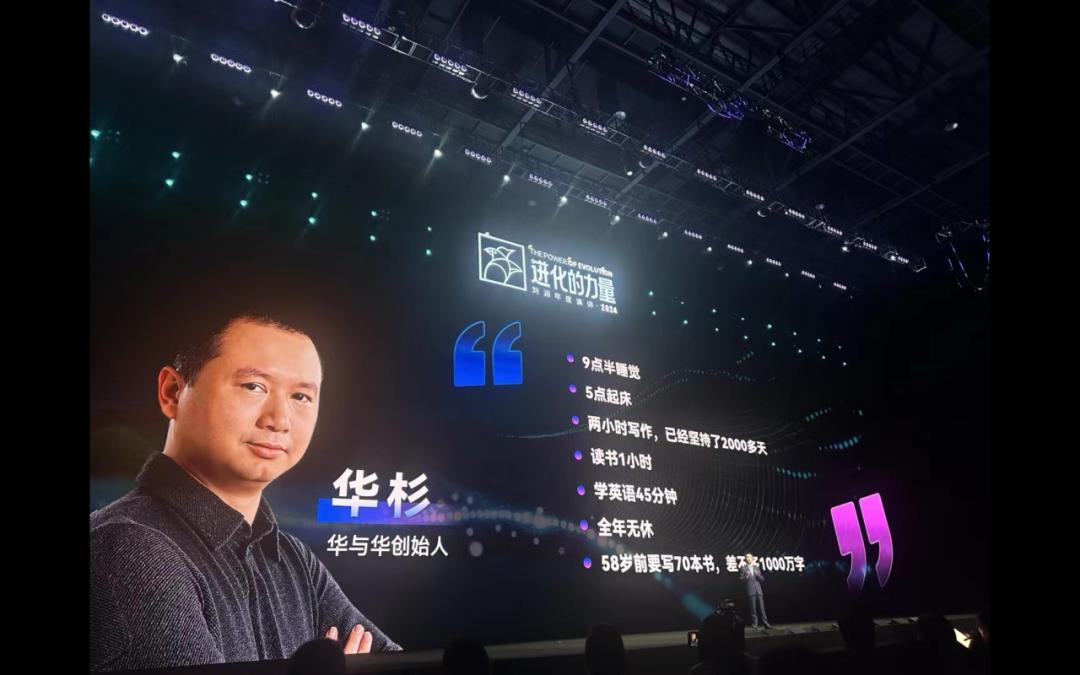
Core Viewpoint - The conflict between Luo Yonghao and Huayi Huayi highlights a deeper interest conflict, with Luo's criticism of Huayi Huayi's "earthy marketing" posing unprecedented challenges to the consulting firm [1][3]. Group 1: Huayi Huayi and Earthy Marketing - Huayi Huayi, founded by Hua Shan, has thrived on "earthy marketing" strategies, achieving significant financial success, such as earning nearly 6 million yuan from a three-day course [3][8]. - The effectiveness of Huayi Huayi's marketing methods is now under scrutiny, especially after major client Xibei faced a public relations crisis, raising questions about the verifiability of their methodologies [3][8]. - The concept of "super symbol" marketing, developed by Huayi Huayi, has been instrumental in the rapid expansion of brands like Xibei, which grew from 40 to 350 stores and increased revenue from 2 billion to 6 billion yuan over ten years [8][20]. Group 2: Market Dynamics and Consumer Behavior - The success of brands like Xibei and Miexue Ice City can be attributed to the booming consumption in lower-tier markets, where "super symbols" serve as effective sales tools [9][12]. - The shift in consumer behavior in lower-tier markets indicates a growing sophistication, with users becoming more discerning and less susceptible to simplistic marketing tactics [13][15]. - The Chinese lower-tier market is projected to reach a consumption scale of over 17 trillion yuan by 2024, accounting for nearly 60% of national consumption, making it a core engine for domestic demand [11][12]. Group 3: Challenges and Future of Earthy Marketing - The current landscape suggests that the era of "earthy marketing" may be waning as consumers evolve and demand more nuanced and quality-driven marketing approaches [15][21]. - The rise of local consulting firms, which have adapted to the needs of small and medium enterprises, indicates a shift in the consulting industry, with a focus on practical and immediate results rather than complex strategies [17][20]. - The future of marketing in lower-tier markets will depend on the ability to transition from mere symbol creation to value building and user engagement, as consumer expectations continue to rise [21].