营销

Search documents
留长发、穿女装、化浓妆……好利来执行总裁罗昊突然转型“美女”,他怎么了?
Xin Lang Cai Jing· 2026-02-21 08:42
Core Viewpoint - The public persona of Holiland's Executive President, Luo Hao, has faced significant backlash due to a stark contrast between his previous image as a serious corporate leader and his recent social media presence, which features a more feminine and flamboyant style, raising questions about the company's focus on marketing over food safety [1][14][19]. Marketing Strategy - Luo Hao has increased marketing investments since taking over as a second-generation successor, including uniformed female staff in stores to attract attention on social media [1][7][20]. - The company has successfully launched products like the "half-baked cheese" and collaborated with the "Harry Potter" franchise to create popular items, leveraging social media for promotion [6][19]. Food Safety Concerns - Holiland has received numerous complaints regarding food safety issues, including reports of foreign objects in products, moldy items, and health issues after consumption, leading to a total of 813 complaints on the Black Cat Complaints platform [10][23]. - Specific incidents include a case where a child fell ill after consuming yogurt from Holiland, raising serious concerns about the company's food safety protocols and customer service response [11][24]. Customer Service Issues - Customers have reported unsatisfactory responses from Holiland regarding food safety complaints, with instances of staff being dismissive and failing to provide clear information about product testing [11][24][26]. - The company has acknowledged the need for better training and stricter adherence to food safety standards to prevent future incidents [22][26].


不做营销的CEO,不会是一个好的CEO
吴晓波频道· 2026-02-20 00:29
Core Insights - In the Fortune Global 500, 95% of CEOs come from marketing backgrounds, and this figure is 70% for China's top 500 companies, indicating the critical role of marketing in leadership [2] - Founders of startups often act as the primary marketing officers, emphasizing the necessity of marketing knowledge for entrepreneurs [2] - Companies with strong technology and business models must not neglect marketing, as it is essential for survival and long-term growth [2] Marketing Importance - Technology must be converted into products that reach consumers, highlighting the importance of marketing in transforming innovations into financial success [2] - The acceptance of products by users and recognition in the market are more crucial than patents for achieving impressive financial results [2] - Founders and major shareholders must engage with the market and customers to ensure company growth and sustainability [2] Entrepreneurial Necessity - Learning and excelling in marketing is a mandatory course for anyone involved in business and entrepreneurship [2]

雷军回应营销大师标签:小米成功靠技术而非营销
Sou Hu Cai Jing· 2026-01-11 11:51
Core Viewpoint - The discussion emphasizes that the term "marketing" does not accurately represent Xiaomi's development path, as the company is fundamentally driven by technology rather than marketing strategies [2] Group 1: Marketing Perception - Lei Jun recalls a past event where he was labeled a "marketing master," which has led to a negative connotation regarding Xiaomi's success being attributed solely to marketing efforts [2] - Lei Jun expresses discomfort with the term "marketing," indicating that it is often used derogatorily when referring to Xiaomi's achievements [2] Group 2: Company Identity - The company, founded on a technical background, seeks to distance itself from the notion that its success is merely a result of marketing tactics [2] - Lei Jun argues that while marketing is a neutral term, its application to Xiaomi can undermine the company's core identity as a technology-driven organization [2]

为什么全网都在“针对”小米雷军?
Sou Hu Cai Jing· 2026-01-09 05:00
Core Viewpoint - The article discusses the recent controversies surrounding Xiaomi, particularly the backlash from its fanbase (Mi Fans) due to a KOL (Key Opinion Leader) incident, highlighting the challenges Xiaomi faces in managing its brand image and public relations [2][4][10]. Group 1: Incident Overview - On January 5, a KOL named "万能的大熊" revealed in a group chat that Xiaomi had paid him, leading to a significant backlash from the Mi Fan community [2]. - Xiaomi's PR manager, Xu Jieyun, publicly apologized and confirmed the termination of all collaborations with the involved KOL, acknowledging the incident as a serious violation of company principles [4]. - Xiaomi's CEO, Lei Jun, emphasized the importance of protecting users and stated that the issue was not just about criticism but involved attacks on the Mi Fan community [4][10]. Group 2: Fan Dynamics - The article explores the evolution of Xiaomi's fanbase, noting that Mi Fans have transitioned from mere supporters to active participants in the company's operations, often influencing brand decisions through protests and social media [10][19]. - Xiaomi's initial success was largely attributed to its dedicated fanbase, which provided marketing support and product feedback during its early days [11]. - The extreme reactions from some fans have created a challenging environment for Xiaomi's PR, where any criticism is met with hostility from loyal supporters [13][17]. Group 3: Brand Perception and Marketing - The perception that Xiaomi relies solely on marketing has been a point of contention, with Lei Jun arguing that this view undermines the company's technological capabilities [25][27]. - The article highlights the negative impact of emotional and polarized public discourse on Xiaomi's brand image, suggesting that rational voices are often drowned out by more extreme opinions [17][30]. - Xiaomi's brand Net Promoter Score (NPS) has declined to 65.4, down approximately 8.5 points, indicating a growing concern over user sentiment and external perceptions [19][20]. Group 4: Future Directions - Lei Jun has indicated a strategic shift towards investing in core technologies to transition Xiaomi from an internet company to a technology-driven enterprise, acknowledging past missteps in market positioning [30][33]. - The article suggests that Xiaomi's ability to innovate and compete across various sectors, such as home appliances and automotive, is rooted in its strong engineering capabilities and systematic approach [33]. - The need for a balanced approach in addressing both fan concerns and broader market perceptions is emphasized, advocating for a focus on the majority of users rather than being overly reactive to vocal minorities [24].
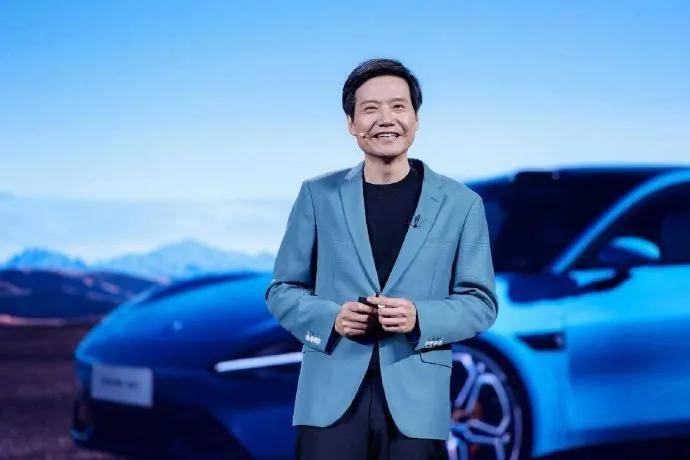
雷军再度直播,回应一切!
Sou Hu Cai Jing· 2026-01-09 04:43
Core Viewpoint - Lei Jun addressed multiple trending topics during a live stream, including the KOL incident and a significant drop in followers, which has sparked discussions on social media [3][4]. Group 1: KOL Incident - The KOL incident was serious not because of criticism towards Xiaomi, but due to derogatory comments made by the KOL about Xiaomi users, which the company cannot tolerate [4]. - Xiaomi's public relations team has faced ongoing negative sentiment for the past eight to nine months, leading to fatigue within the team, and the company has decided to criticize and penalize them for their actions [4]. - Xu Jieyun, head of Xiaomi's public relations, apologized during the live stream, acknowledging mistakes made by the team [4]. Group 2: Marketing and Social Media - Lei Jun expressed discomfort with the term "marketing," stating that he has become wary of it due to past experiences and emphasized the need for accuracy in marketing efforts [5]. - He clarified that the label of "marketing master" was exaggerated and originated from a competitive entertainment program, which was intended as a joke but was misinterpreted by competitors [5]. - Regarding a drop of over 200,000 followers, Lei Jun noted that this represents only 0.6% of his total followers, attributing the decline to a challenging period and a lack of video content [5]. Group 3: New Product Announcement - The new generation SU7 electric sedan is set to launch in April 2026, with a starting pre-sale price of 229,900 yuan [6]. - Lei Jun stated that due to rising overall costs and the addition of several high-end features, it is challenging to maintain the same price while increasing the product's value [6].
对话复旦大学金立印教授:从通用到专用,AI正在淘汰那些“无库”企业
3 6 Ke· 2026-01-08 23:32
Core Insights - The accuracy of AI output is heavily dependent on the quality of the knowledge base provided to it, with high-quality structured industry knowledge leading to precise outputs [1] - The concept of "All In AI" is gaining consensus across industries by 2025, but issues like AI hallucinations and limitations remain unresolved, posing economic risks to businesses [1] - A proposed solution is the construction of proprietary knowledge bases for companies, which can transform AI from a generalist tool into a strategic asset [1] Group 1: Changes in Consumer Behavior - AI is not changing consumer behavior but rather the way businesses connect with consumers, with fundamental consumer needs remaining stable [2][3] - The shift in consumer behavior is evident in the decline of traditional search engine traffic as AI tools become more prevalent, affecting marketing strategies and budget allocations [2][3] Group 2: Marketing Strategy Evolution - The marketing landscape is undergoing a fundamental shift, with traffic moving from traditional search engines to AI dialogue platforms, necessitating a reevaluation of marketing strategies [4] - Brands must adapt their strategies to ensure they are recommended by AI during the early stages of consumer decision-making [4] Group 3: AI Insights and Knowledge Base - The depth of AI insights is determined by the capabilities of the users and the richness of the company's knowledge base, rather than solely by the AI technology itself [5][6] - Companies need to establish high-quality, structured internal knowledge systems to enhance AI's ability to generate unique insights [9][10] Group 4: Organizational Transformation - The rise of AI will lead to a structural transformation in marketing organizations, with traditional roles diminishing and new roles like knowledge base designers and prompt engineers emerging [12][13] - Marketing teams will need to develop new capabilities, including understanding AI logic and translating business goals into effective AI instructions [13][14] Group 5: Future of AI in Marketing - AI is expected to generate not just content but also market strategies, identifying gaps in consumer needs and suggesting new product categories [15][16] - The quality of AI-generated strategies will depend on the quality and depth of the knowledge fed into the AI, emphasizing the importance of a robust knowledge base [16][20] Group 6: Actionable Recommendations - Companies should embrace AI with an open mindset, invest in building structured knowledge bases, and implement a feedback loop for continuous improvement in AI capabilities [20]
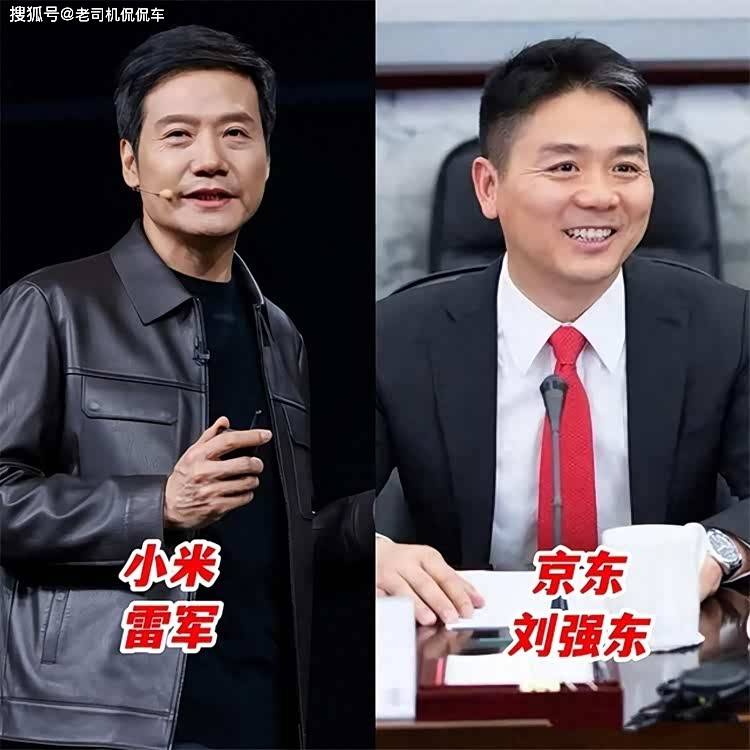
刘强东:不要跟雷军比营销!雷军:营销不是坏事,但产品是基础
Sou Hu Cai Jing· 2026-01-08 12:12
Core Viewpoint - The discussion between Liu Qiangdong and Lei Jun highlights the importance of both product quality and marketing in the success of a brand, particularly in the context of Xiaomi's strategies and the automotive market. Group 1: Historical Context - In a 2013 television program, Liu Qiangdong acknowledged that his team could not compete with Lei Jun's marketing skills, referencing Xiaomi's ability to sell hundreds of millions of smartphones [3] - Lei Jun later reflected on this moment, indicating that it was initially meant as a joke but has since been used by competitors to undermine Xiaomi [5] Group 2: Marketing and Product Quality - Lei Jun emphasized that while marketing is important, it should not overshadow the fundamental quality of the product, stating that both elements are essential for success [7] - Xiaomi's marketing strategy is built on a "product - user - ecosystem" closed-loop system, leveraging Lei Jun's personal brand to create a strong connection between the brand and its consumers [9] - The company employs various marketing strategies, including parameter comparison, price anchoring, and value proposition binding, which have proven effective in building a loyal customer base [9] Group 3: Recent Developments - Xiaomi has made improvements in its marketing practices, such as eliminating misleading small print in advertisements, which reflects a commitment to transparency and product integrity [13] - The automotive sector is highlighted as needing a return to value-driven marketing and rational competition, suggesting a shift in focus towards product quality over aggressive marketing tactics [14]
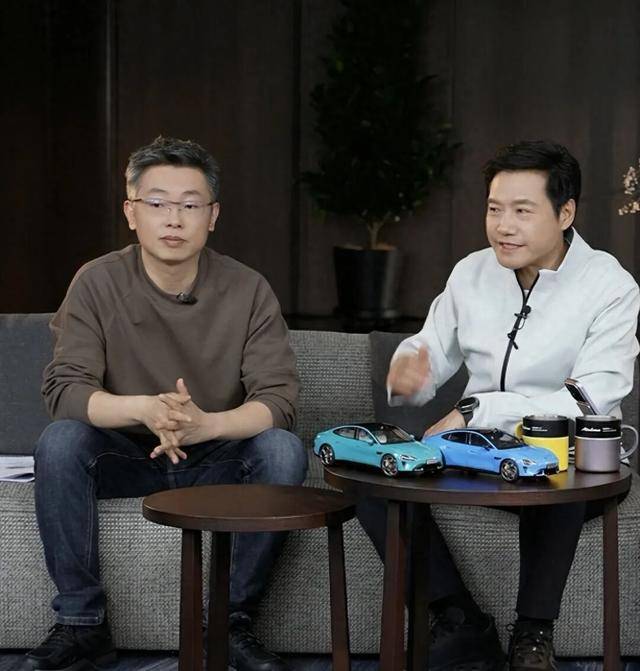
雷军直播回应被指“营销大师”:娱乐节目中刘强东团队开个玩笑后来被放大,现在听到营销两个字都有点恶心
Sou Hu Cai Jing· 2026-01-08 06:13
Core Viewpoint - Lei Jun, the founder of Xiaomi, addressed various criticisms and concerns regarding the company in a nearly three-hour live stream, providing detailed explanations and clarifications on multiple issues raised by the public and media [1]. Group 1: Marketing and Public Perception - Lei Jun discussed the concept of "small character marketing," expressing his concerns about its implications and emphasizing the need for accuracy in marketing communications [6]. - He reflected on the "marketing master" label, which originated from a competitive entertainment program, and noted that it has been misused by competitors to undermine Xiaomi's product quality [6][7]. - Lei Jun stated that marketing should be viewed as a neutral term and that good marketing should be recognized as a compliment, rather than a criticism of product quality [7]. Group 2: Product Pricing and Improvements - Regarding the price increase of the new generation SU7, Lei Jun explained that significant improvements and rising costs made it challenging to maintain previous pricing levels, but he acknowledged that many customers still found the new price reasonable [3]. - He highlighted that the new SU7 includes several upgrades, which justified the price adjustment [3]. Group 3: Company Communication and Public Relations - Xiaomi's public relations head, Xu Jieyun, apologized during the live stream for a recent KOL incident, acknowledging that the public relations team had not handled the situation well [10]. - Lei Jun mentioned that the company has been under intense negative scrutiny for the past several months, which has affected the morale of the public relations team, and he urged fans to give them a chance to improve [10].
雷军回应念错“玄戒O1”
Guan Cha Zhe Wang· 2026-01-08 05:42
Core Viewpoint - Xiaomi's founder and CEO Lei Jun addressed recent controversies during a live stream, emphasizing the company's commitment to protecting its users and the need for accountability within its public relations team [1][3]. Group 1: Controversy and Response - Xiaomi faced criticism for engaging with a KOL perceived as a "Mi-hater," leading to public backlash and an apology from the company's public relations manager [1]. - The company announced disciplinary actions against its CMO and public relations manager for their handling of the situation, which included performance and bonus deductions [1]. - Lei Jun highlighted the severity of the situation, stating that the KOL's derogatory comments towards Xiaomi users were unacceptable and that the company must stand firm in protecting its community [1]. Group 2: Marketing and Public Perception - Lei Jun responded to criticisms regarding the company's marketing strategies, clarifying that past statements about avoiding promotional spending were made in a different context when Xiaomi was a startup [3]. - The public relations manager provided clarification on the number of meetings held regarding product discussions, emphasizing that discussions included various important topics beyond just one product [3]. - Lei Jun expressed discomfort with the label of "marketing master," stating that it has been misused and that marketing should be viewed as a neutral term rather than a negative connotation [5]. Group 3: Personal Accountability and Social Media - Lei Jun acknowledged a recent drop in his social media following, attributing it to a challenging period for the company and a lack of video content [5]. - He addressed a specific incident where he mispronounced a product name during a meeting, which was recorded and shared online, leading to public scrutiny [5].

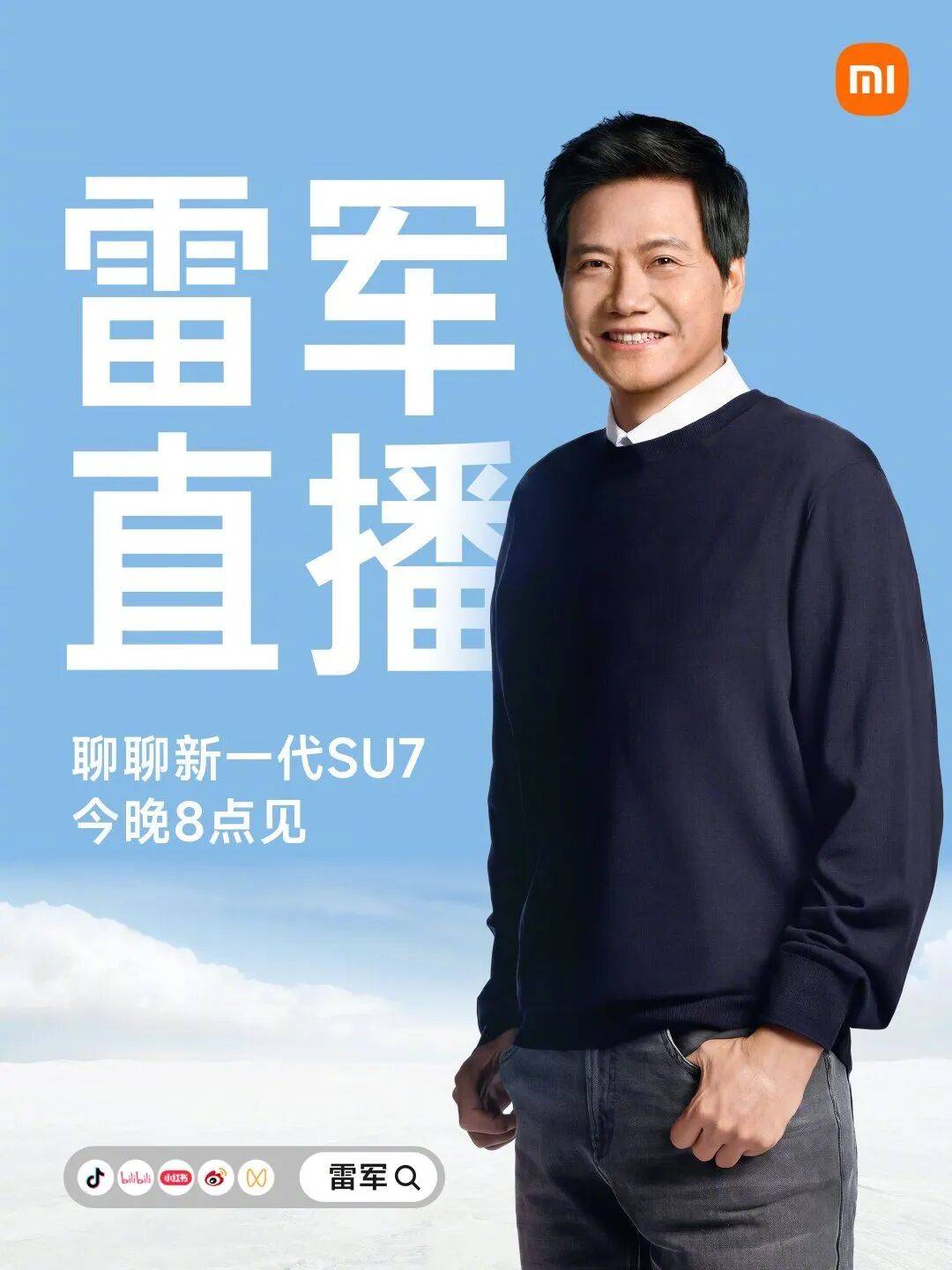
雷军直播间真情流露!回应掉粉20万、营销大师……
Sou Hu Cai Jing· 2026-01-08 04:17
Core Viewpoint - Lei Jun, the founder of Xiaomi, addressed recent marketing controversies in a live stream, expressing his discomfort with the term "marketing" and emphasizing the importance of accurate communication in marketing efforts [1][2]. Group 1: Marketing Controversy - Lei Jun stated that he has become wary of the term "marketing," associating it with negative connotations, especially when used by competitors [2]. - He clarified that the label of "marketing master" was a joke from a past entertainment program, which was misinterpreted and exaggerated by competitors [3]. - Lei Jun acknowledged a drop of over 20,000 followers, attributing it to a 0.6% decrease, which he deemed normal given the negative publicity surrounding Xiaomi in recent months [4][3]. Group 2: Product Development and Public Relations - Lei Jun mentioned that Xiaomi has faced a prolonged period of negative public sentiment, which has exhausted the public relations team [7]. - He defended the extensive meetings held for the development of the Xiaomi SU7 Ultra cup, explaining that the focus was on achieving the best user experience by replicating the car's paint quality [7][9]. Group 3: Xiaomi SU7 Updates - The Xiaomi SU7 has been well-received, with over 360,000 units delivered in just 1 year and 9 months, averaging over 17,000 units per month [11]. - The new generation of the SU7 includes significant upgrades such as enhanced safety features, improved driving dynamics, and extended battery life, with the Pro version achieving a maximum range of 902 kilometers [13][14]. - The vehicle's design has also been updated, introducing new colors and interior designs to enhance user experience [14].