商业咨询

Search documents
土味营销的跑马圈地接近结束
3 6 Ke· 2025-12-01 04:09
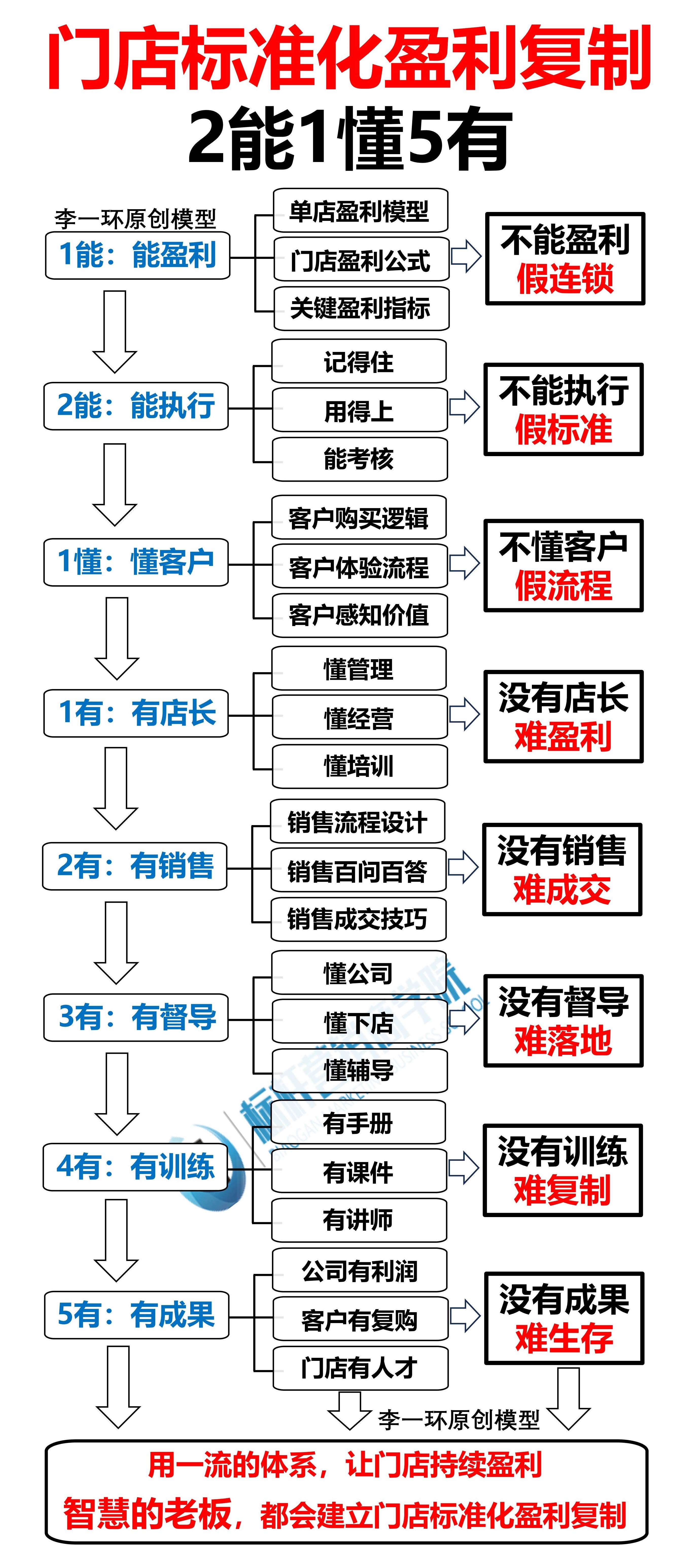
Core Viewpoint - The conflict between Luo Yonghao and Huayi Huayi highlights a deeper interest conflict, with Luo's criticism of Huayi Huayi's "earthy marketing" posing unprecedented challenges to the consulting firm [1][3]. Group 1: Huayi Huayi and Earthy Marketing - Huayi Huayi, founded by Hua Shan, has thrived on "earthy marketing" strategies, achieving significant financial success, such as earning nearly 6 million yuan from a three-day course [3][8]. - The effectiveness of Huayi Huayi's marketing methods is now under scrutiny, especially after major client Xibei faced a public relations crisis, raising questions about the verifiability of their methodologies [3][8]. - The concept of "super symbol" marketing, developed by Huayi Huayi, has been instrumental in the rapid expansion of brands like Xibei, which grew from 40 to 350 stores and increased revenue from 2 billion to 6 billion yuan over ten years [8][20]. Group 2: Market Dynamics and Consumer Behavior - The success of brands like Xibei and Miexue Ice City can be attributed to the booming consumption in lower-tier markets, where "super symbols" serve as effective sales tools [9][12]. - The shift in consumer behavior in lower-tier markets indicates a growing sophistication, with users becoming more discerning and less susceptible to simplistic marketing tactics [13][15]. - The Chinese lower-tier market is projected to reach a consumption scale of over 17 trillion yuan by 2024, accounting for nearly 60% of national consumption, making it a core engine for domestic demand [11][12]. Group 3: Challenges and Future of Earthy Marketing - The current landscape suggests that the era of "earthy marketing" may be waning as consumers evolve and demand more nuanced and quality-driven marketing approaches [15][21]. - The rise of local consulting firms, which have adapted to the needs of small and medium enterprises, indicates a shift in the consulting industry, with a focus on practical and immediate results rather than complex strategies [17][20]. - The future of marketing in lower-tier markets will depend on the ability to transition from mere symbol creation to value building and user engagement, as consumer expectations continue to rise [21].

破局“绿色悖论”:以创新与责任重塑可持续消费
Sou Hu Cai Jing· 2025-11-28 09:12
Core Insights - The article emphasizes the enduring importance of sustainability in consumer behavior, with 80% of consumers showing high concern for sustainable development despite challenges like information overload and economic uncertainty [2][3] - It highlights the significant supply-side issues in sustainable products, leading to a "green paradox" where consumers struggle to find affordable and effective sustainable options [2][4] Group 1: Trends Shaping Consumer Behavior - Trend 1: Sustainability is a resilient and lasting theme in consumer behavior, moving from a "slogan era" to an "action era," where companies focus on genuine sustainable practices rather than superficial marketing [3][4] - Trend 2: Market power is shifting towards consumers, who now demand authentic value from companies. Businesses must align their practices with consumer expectations to avoid losing market share [5][6] - Trend 3: The "sustainability consumption gap" reflects not only consumer behavior but also a lack of innovation on the supply side, necessitating a shift in how companies approach sustainable product development [7] Group 2: Consumer-Centric Approach - Companies must adopt a consumer-centric mindset, understanding the dynamic relationship between people, products, and market conditions to effectively engage with sustainable consumption trends [8][9] - The article notes that older generations, particularly those born between 1946 and 1964, are more engaged in sustainable practices than younger generations, challenging the stereotype that younger consumers are more environmentally conscious [9][10] - As China faces an aging population, companies need to adapt their products and services to meet the unique needs of older consumers, who have different consumption habits and value propositions [10] Group 3: Product and Service Innovation - Products must not only be sustainable but also competitive in performance, price, and user experience. Inconsistent sustainable practices can deter consumers more than price [11][12] - The integration of technology, particularly AI, is reshaping consumer decision-making processes, with over 50% of consumers using AI to assist in sustainable choices [11][12] - Companies are encouraged to innovate continuously, ensuring that sustainability becomes an inherent part of product value rather than an additional cost [13][14] Group 4: Organizational Strategy for Sustainability - Sustainability should be integrated across all business functions rather than treated as a separate initiative, requiring a cultural shift within organizations [15][16] - Leadership must prioritize sustainability as a core business strategy, identifying opportunities that align consumer value with sustainable practices [16][17] - The article suggests that successful sustainable initiatives can create a positive feedback loop, enhancing brand trust and operational efficiency over time [17]

三度入选福布斯TOP100华人精英榜,麦肯锡倪以理绘制“赢在下一个中国”战略蓝图
麦肯锡· 2025-10-31 05:47
Core Insights - The article highlights the recognition of Li Yili, the Chairman of McKinsey China, as one of the most influential Chinese elites by Forbes for the third consecutive year, emphasizing his leadership in driving innovation and resilience within McKinsey China [2] - The selection of Li Yili in the "Industry Reshapers" category reflects the expanding influence of Chinese elites across various sectors, including technology, pharmaceuticals, climate, culture, education, and social innovation [2] Group 1: Leadership and Influence - Li Yili's influence extends beyond corporate management to thought leadership, where he articulates the growth potential of the Chinese market and strategies for multinational companies to succeed in it [5] - His upcoming book aims to further systematize insights on the future development of the Chinese market, indicating a significant contribution to strategic planning for businesses [5] Group 2: AI and Organizational Change - Li Yili identifies organizational and cultural transformation as the core bottleneck in AI deployment, rather than the technology itself, stressing the need for CEO-led initiatives focused on profit creation [6] - Successful AI transformation requires fundamental restructuring of existing processes and organizational frameworks, with a focus on breaking down barriers and managing change effectively [6] - The rise of generative AI may exacerbate the technological divide among companies, with agile organizations leading the transformation while others may struggle to benefit from technological advancements [6] Group 3: Globalization Strategy - Li Yili presents a three-stage framework for the globalization of Chinese enterprises, evolving from a "World Factory" model to a "Global Corporate Citizen" approach [7] - The framework outlines a progression from low-cost manufacturing to acquiring brands and technologies through overseas mergers and acquisitions, ultimately achieving sustainable development as global citizens [7] - This strategic evolution emphasizes the need for companies to move beyond mere product exports to a comprehensive output of management philosophy, technological innovation, and brand value [7] Group 4: Social Contributions - Beyond business consulting, Li Yili actively promotes social development through various roles, including initiatives for wheelchair accessibility and youth employment education [8] - His leadership in organizations like Generation Hong Kong and his involvement with Harvard University and Tsinghua University reflect a commitment to nurturing the next generation of business leaders [8] - The recognition of Li Yili underscores the growing need for business leaders who possess both global perspectives and local insights in the increasingly complex business environment [8]

全球咨询公司罗兰贝格报告:99%中国电车车主下一辆还考虑买电车
Ge Long Hui· 2025-10-30 02:27
Core Insights - 99% of Chinese pure electric vehicle users surveyed indicated they would consider purchasing another electric vehicle in the future [1] - The data comes from Roland Berger's report titled "2025 Smart Electric Vehicle Charging Ecosystem Index," based on a survey conducted in Q2 2025 with 12,000 respondents globally [1] - Roland Berger attributes this strong interest to extensive policy support for electrification in China, a mature electric vehicle ecosystem dominated by local giants, and a cultural enthusiasm for technology-driven transportation [1] Group 1 - 99% of respondents in China are likely to continue purchasing pure electric vehicles [1] - The survey included 12,000 participants from around the world [1] - The report reflects China's supportive policies and a robust local electric vehicle ecosystem [1]
专访丨“谁开放,谁就会成功”——访美讯创始人兼首席执行官克里斯·佩雷拉
Xin Hua Wang· 2025-09-24 00:56
Core Viewpoint - The CEO of Meixun, Chris Pereira, emphasizes that openness leads to success while closure results in negative consequences, particularly in the context of U.S. tariff policies, which he believes harm the U.S. in the long run [1] Company Overview - Meixun, founded in 2020, aims to assist Chinese companies in expanding into international markets by connecting them with media, business associations, governments, and channel resources [1] - The company focuses on enhancing brand exposure for Chinese tech firms in Europe, the U.S., and globally [1] Market Insights - Pereira highlights the significant potential for collaboration between the UK and China in sectors such as new energy vehicles, consumer electronics, and tourism [1] - The establishment of a London office is a strategic move to prepare for future growth and opportunities in UK-China relations [1] Trust as a Challenge - The primary challenge for Chinese companies in overseas markets is building trust rather than the products themselves [1] Future Outlook - Pereira expresses optimism about the future of UK-China relations and aims to be a bridge for communication between the two [1] - He notes the need for more rational voices in UK-China discussions to foster better understanding and cooperation [1]
家乐福中国更名客优仕
Qi Cha Cha· 2025-09-04 03:02
Core Insights - Carrefour (China) Supermarket Investment Co., Ltd. and Carrefour (China) Management Consulting Service Co., Ltd. have been renamed to Ke You Shi (Shanghai) Investment Co., Ltd. and Ke You Shi (Shanghai) Management Consulting Co., Ltd. respectively [1] Company Information - Ke You Shi (Shanghai) Management Consulting Co., Ltd. was established in December 1999 with a registered capital of 4 million USD [1] - The legal representative is Zhou Yang, and the company is wholly owned by Carrefour China Holdings N.V. [1] - The company has been associated with multiple enforcement actions and restrictions on high consumption [1] Change Records - The name change for Carrefour (China) Management Consulting Service Co., Ltd. to Ke You Shi (Shanghai) Management Consulting Co., Ltd. was officially recorded on September 1, 2025 [2] - The name change for Carrefour (China) Supermarket Investment Co., Ltd. to Ke You Shi (Shanghai) Investment Co., Ltd. was officially recorded on August 27, 2025 [2]
李一环标杆营销研究院与第五代门店标准化盈利复制体系原创模型
Sou Hu Cai Jing· 2025-06-02 09:31
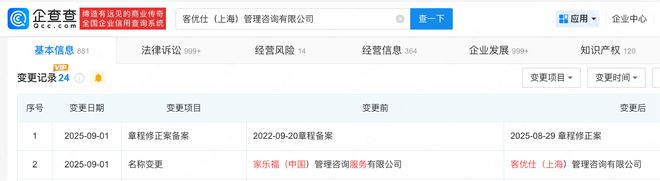
Group 1 - The core framework of the standardized store methodology is the "Fifth Generation Store Standardized Profit Replication System," which utilizes the "2 capabilities, 1 understanding, 5 supports" model [1][4][30] - The profitability formula is defined as Profit = (Customer Acquisition Rate × Store Entry Rate × Conversion Rate × Average Transaction Value × Repurchase Rate) - Costs, with a focus on optimizing key indicators and setting gross margin thresholds [1][4] - The methodology emphasizes modular operational processes, digital tools for rapid expansion, and a deep understanding of customer needs through a designed customer journey with 20 touchpoints [1][3][30] Group 2 - The implementation tools include a standardized manual system, dynamic iteration of handbooks based on monthly feedback, and a three-tier supervision mechanism to enhance compliance and performance [7][22] - The strategic value for businesses includes a 40% reduction in new store profitability cycles and a 15% reduction in ingredient costs through centralized supply chain procurement [8][22] - For store managers, the training cycle is shortened from 6 months to 3 months, and tools like performance diagnostic templates help identify operational gaps, improving employee productivity by 30% [8][22] Group 3 - Sales performance is enhanced through standardized scripts that reduce the onboarding period for new employees to 3 days and decrease conversion rate fluctuations by 40% [8][22] - The supervisory role is strengthened with a digital inspection system that improves issue rectification rates by 60% [8][22] - Franchisees benefit from an 18% increase in net profit margins through optimized product combinations and reduced operational risks via guaranteed buyback clauses and regional procurement [8][22] Group 4 - The methodology is characterized by its dynamic nature, tool-based approach, and lightweight support systems for franchisees, facilitating easier operations [22][30] - The iterative mechanism is driven by data feedback loops, external regulatory responses, and competitive benchmarking to continuously refine standards [22][30] - The organization design includes dedicated teams for iteration and assessment, ensuring that standard execution rates are integrated into performance evaluations for store managers [22][30]